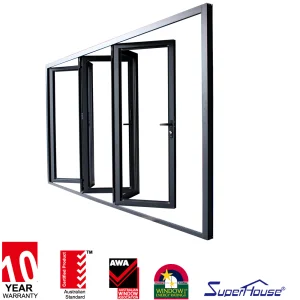
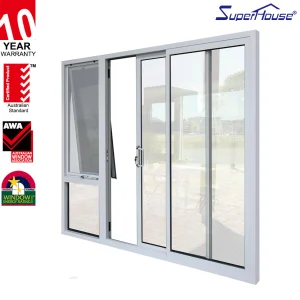
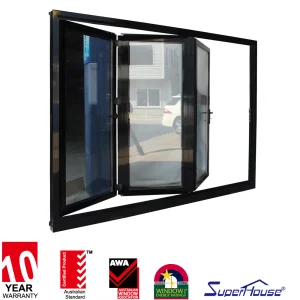
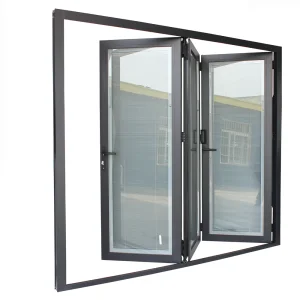
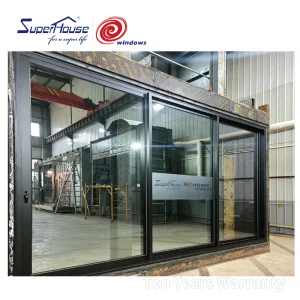
Engineered specifically for the Australian National Construction Code (NCC) specs, tested for water resistance, deflection, and air infiltration metrics.
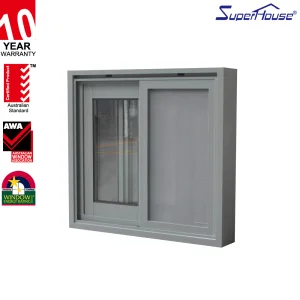
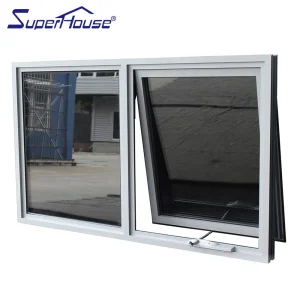
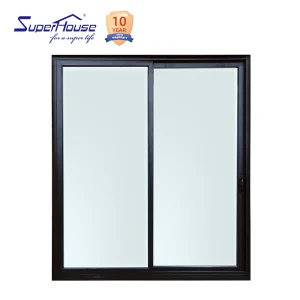
The Australian Standard AS2047 (Windows and External Glazed Doors in Buildings) represents one of the world's most rigorous regulatory frameworks for structural integrity, weatherproofing, and fenestration safety. Designed to withstand Australia’s extreme climate diversity—ranging from sub-tropical cyclonic zones in Queensland to high-wind coastal fronts in Victoria and arid interior thermal fluctuations—AS2047 is not merely a regional benchmark, but a global hallmark for premium window performance.
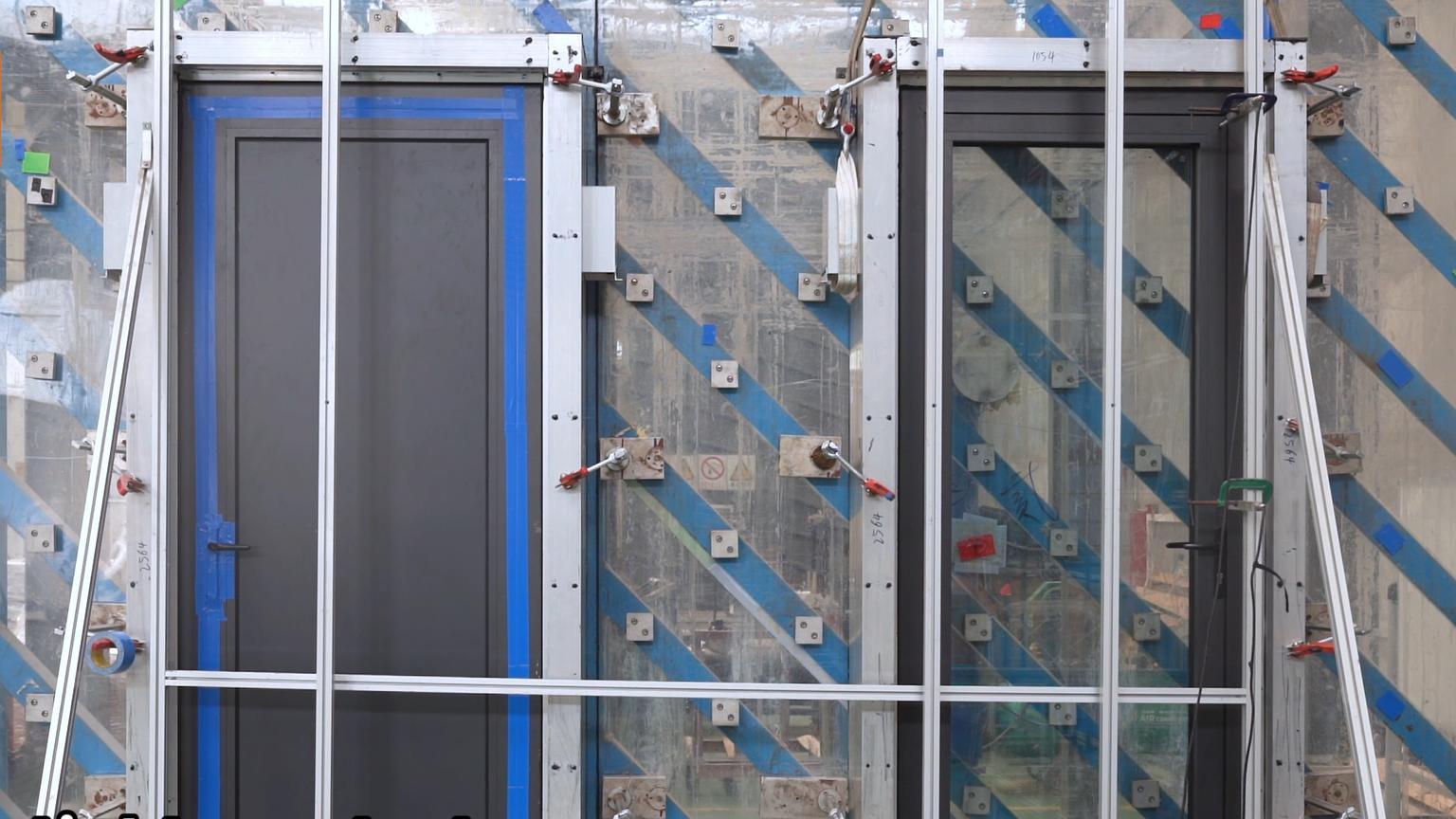
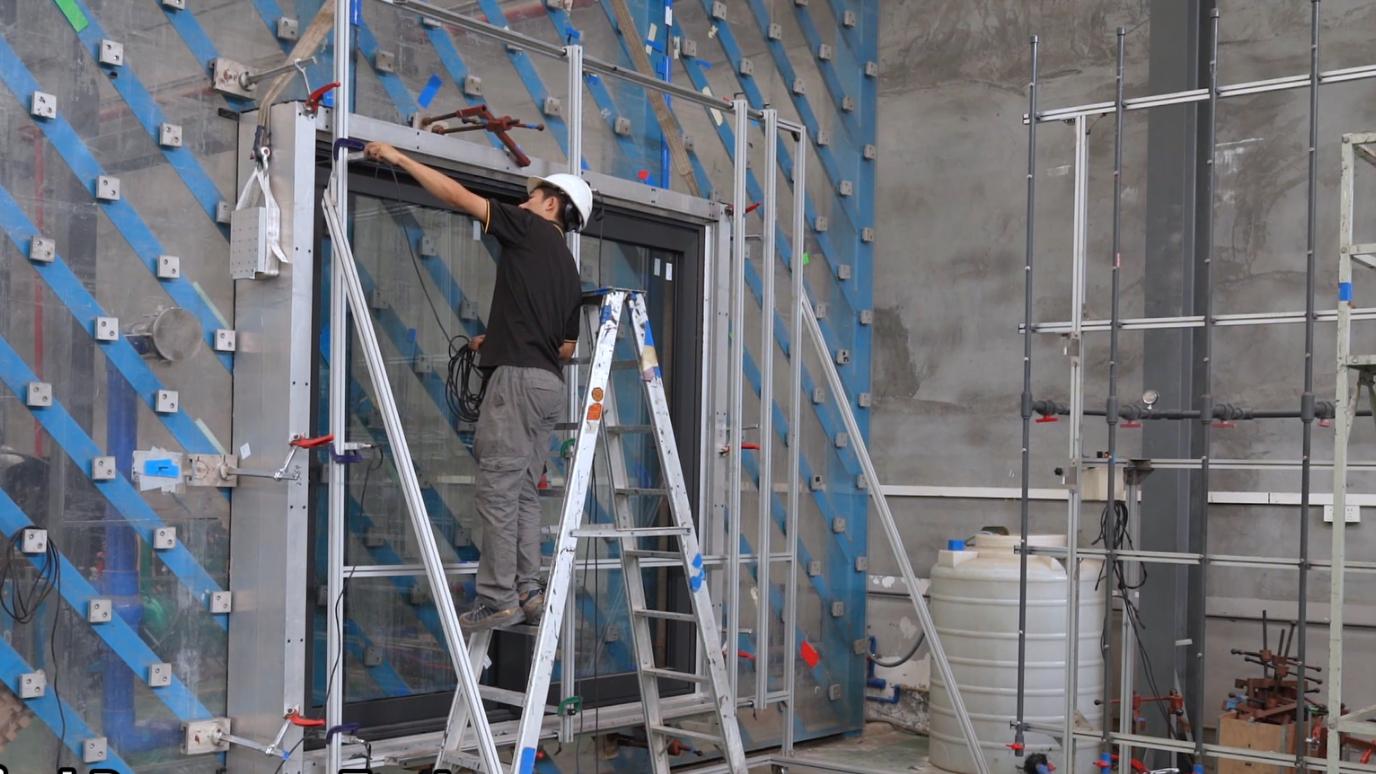
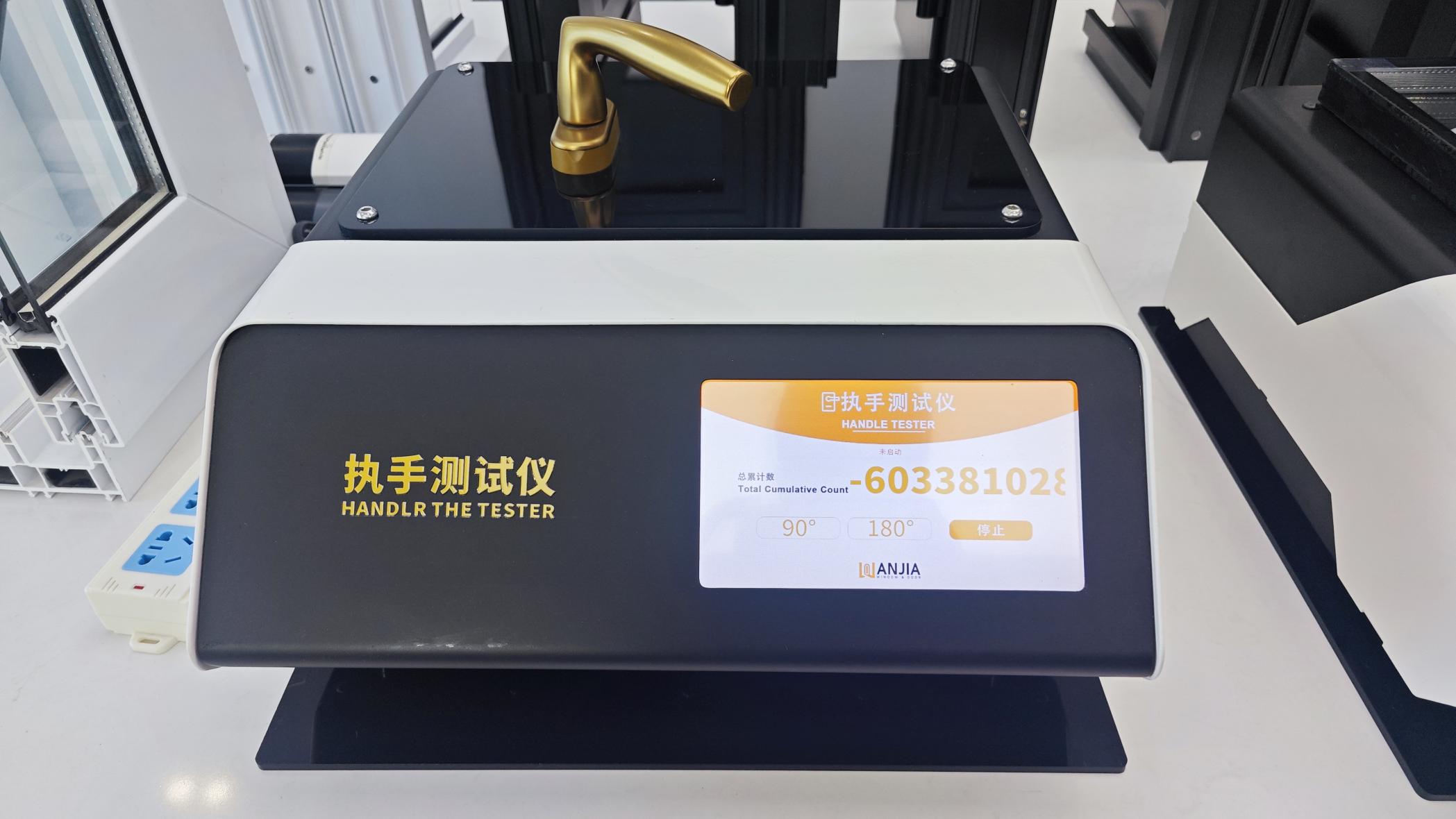
Information Gain Insight: Unlike standard European (EN 14351) or North American (NFRC/AAMA) certifications, AS2047 mandate physical testing accredited by NATA (National Association of Testing Authorities). Windows certified under AS2047 must undergo physical sample testing across five strict mandatory performance criteria: Deflection Test, Operating Force Test, Air Infiltration Test, Water Penetration Resistance Test, and Ultimate Strength Test.
Fenestration profiles are evaluated under Serviceability Limit State (SLS) to ensure frame deflection does not exceed 1/250th of the span, and Ultimate Limit State (ULS) to guarantee structural safety under extreme gust pressures ranging from 600 Pa to over 4000 Pa (N1 to N6 / C1 to C4 Cyclonic ratings).
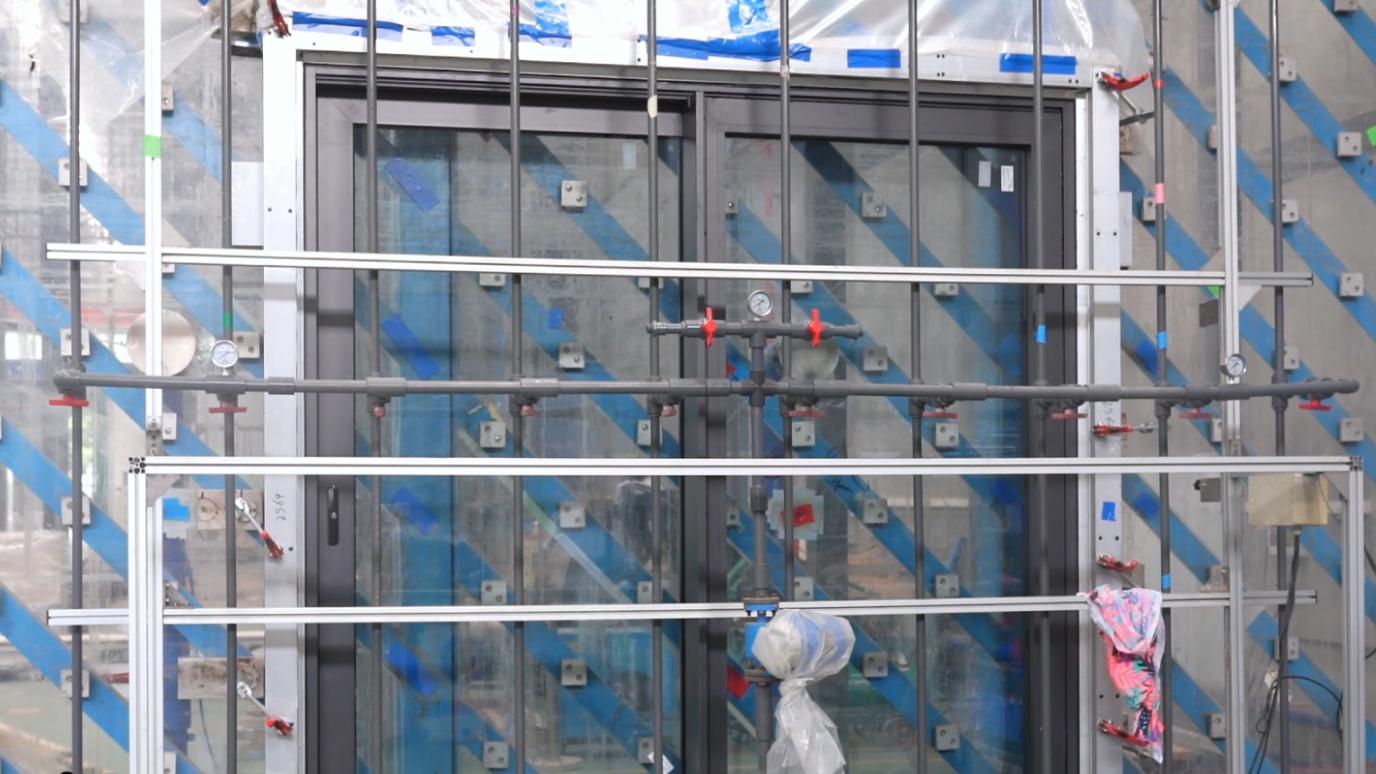
Water penetration resistance tests apply continuous high-volume water spray combined with dynamic positive air pressure. Minimum performance requirements start at 150 Pa for residential dwellings, extending up to 450 Pa+ for high-rise commercial structures.
Strict limits are enforced on air leakage (less than 1.0 L/s·m² for air-conditioned spaces), ensuring high building envelope efficiency, thermal retention, and seamless compliance with Section J of the Australian National Construction Code (NCC 2022).
| Window Housing Rating | Design Serviceability Wind Pressure (SLS) | Design Ultimate Wind Pressure (ULS) | Min. Water Penetration Pressure | Primary Application Scenario |
|---|---|---|---|---|
| N1 / N2 (Low Wind) | 300 Pa - 400 Pa | 600 Pa - 1000 Pa | 150 Pa | Suburban single-story residential inland |
| N3 / N4 (Medium-High Wind) | 600 Pa - 800 Pa | 1500 Pa - 2000 Pa | 200 Pa - 300 Pa | Exposed multi-story residential & semi-coastal |
| N5 / N6 (Extra High Wind) | 1000 Pa - 1500 Pa | 2500 Pa - 3000 Pa | 400 Pa | High-rise urban towers & coastal headlands |
| C1 - C4 (Cyclonic Regions) | Up to 2500 Pa | 3000 Pa to 4500 Pa+ | 450 Pa+ | Tropical Northern Australia (WA, NT, QLD) |
The global construction industry faces escalating pressure regarding project timelines, material costs, and strict ESG compliance. While Australian local fabricators excel at small-scale quick repairs, major commercial projects, apartment complexes, and community developments increasingly rely on specialized, NATA-accredited Chinese OEM/ODM factories. Why?
Lower tooling and extrusion overheads compared to domestic AU assembly without sacrificing AS2047 NATA compliance.
6063-T5/T6 structural grade aluminum billets with full mill test certificates (MTC).
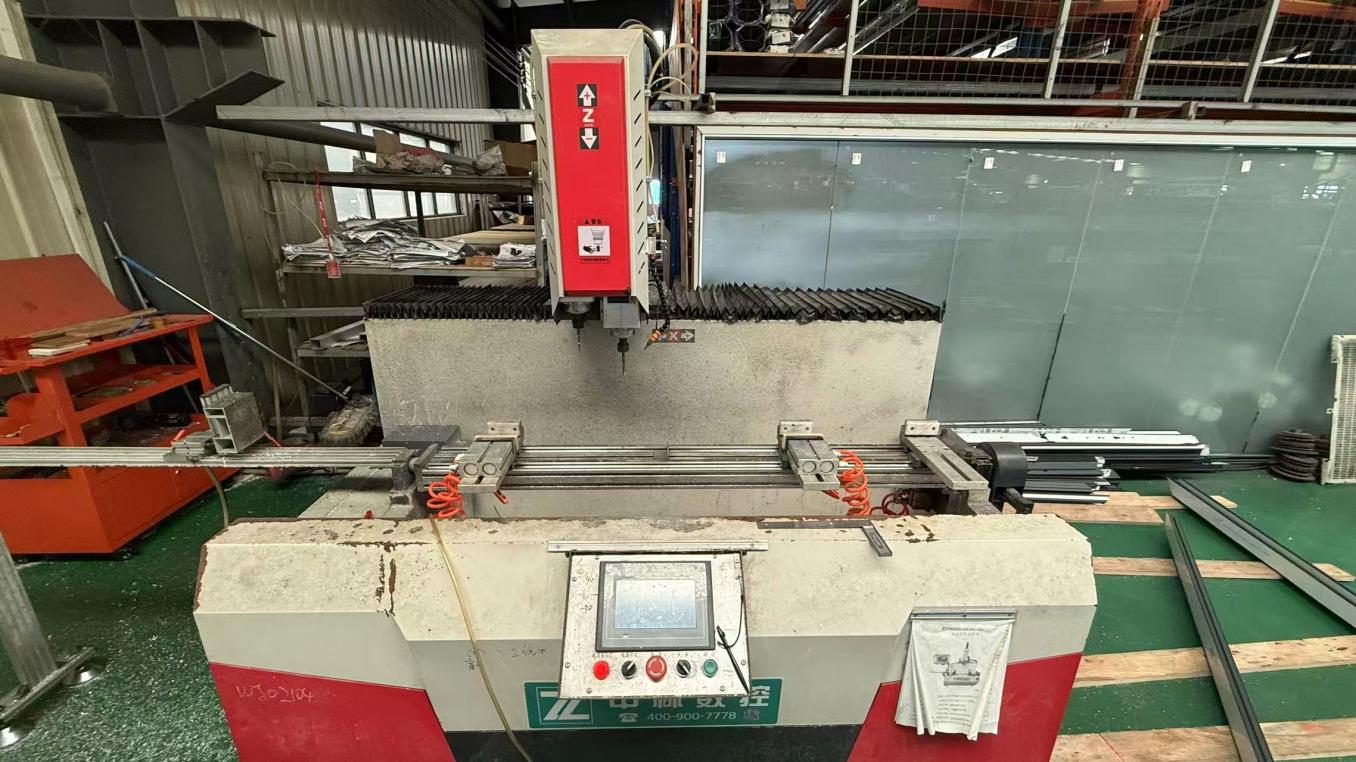
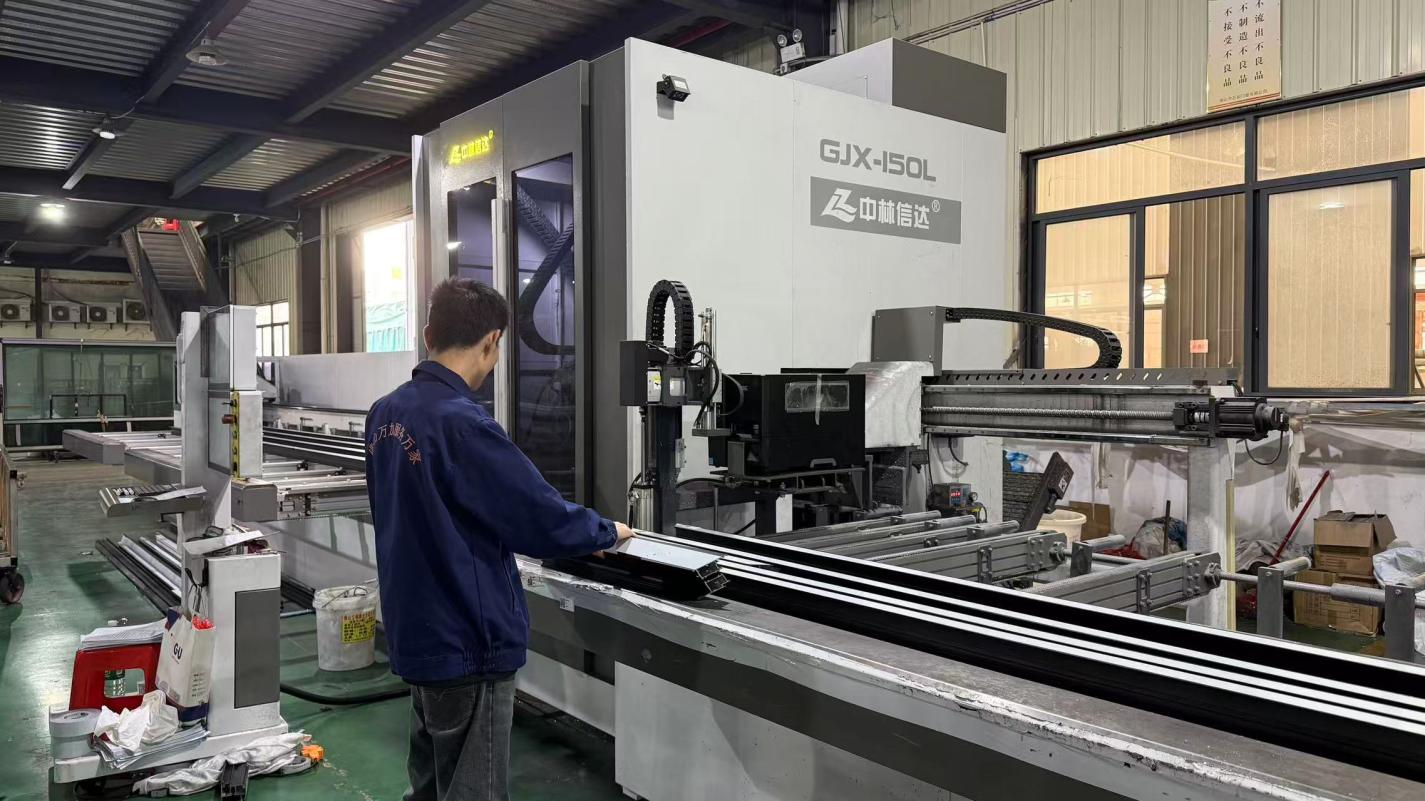
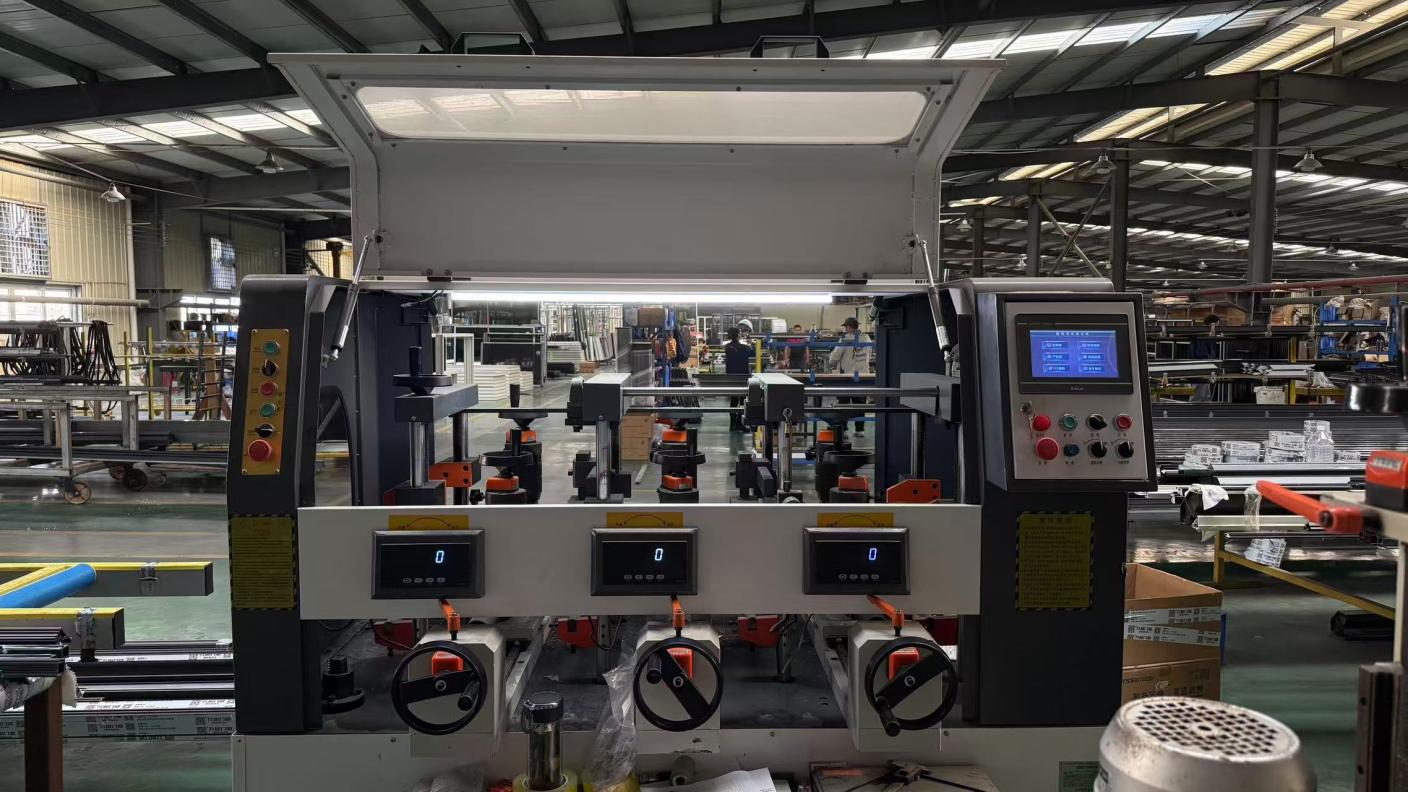
Automated corner joining, digital milling, and sub-millimeter tolerances across massive production batches.
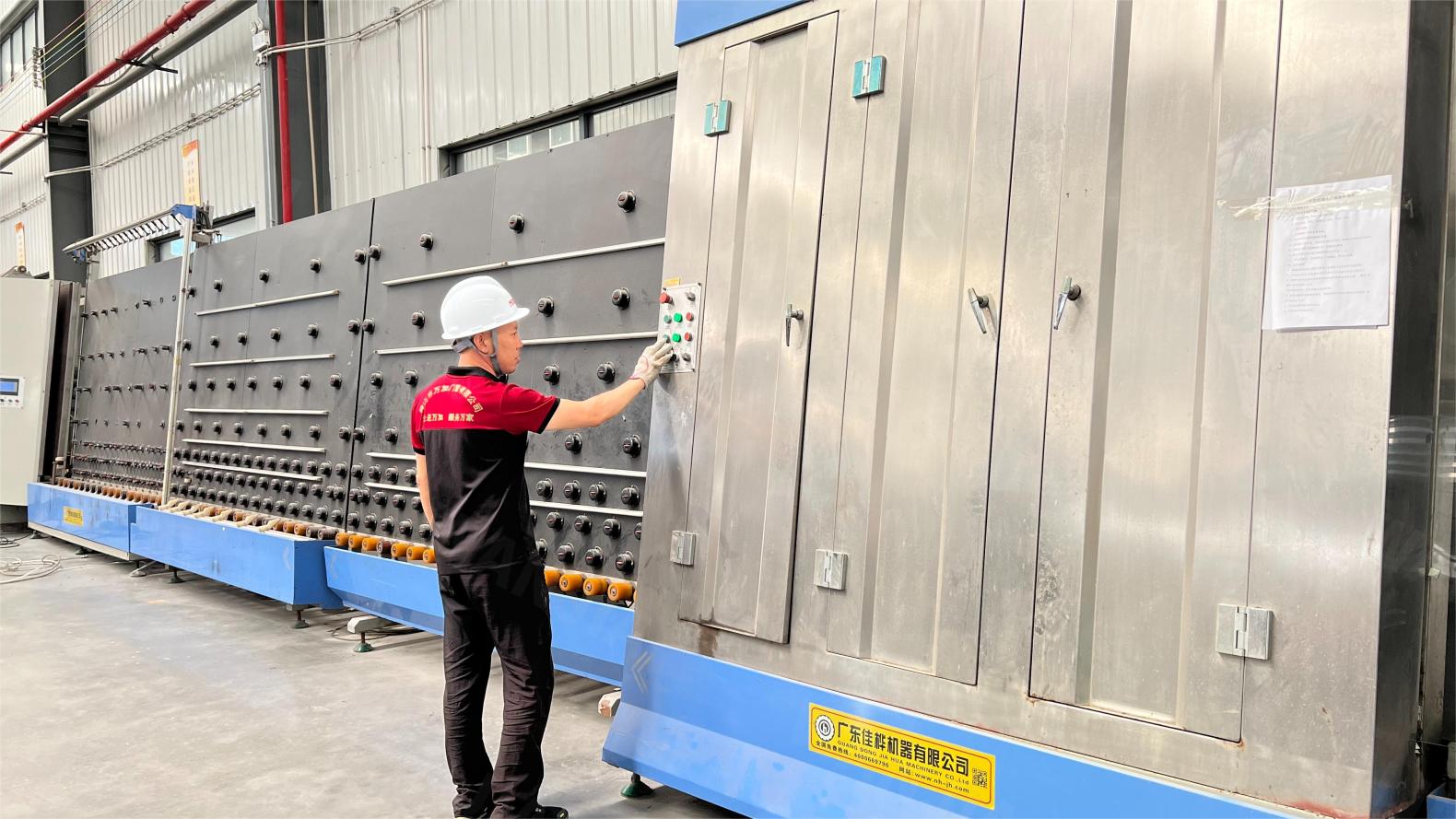
In-house powder coating (Dulux/Interpon certified), glass tempering, and frame assembly under one roof.
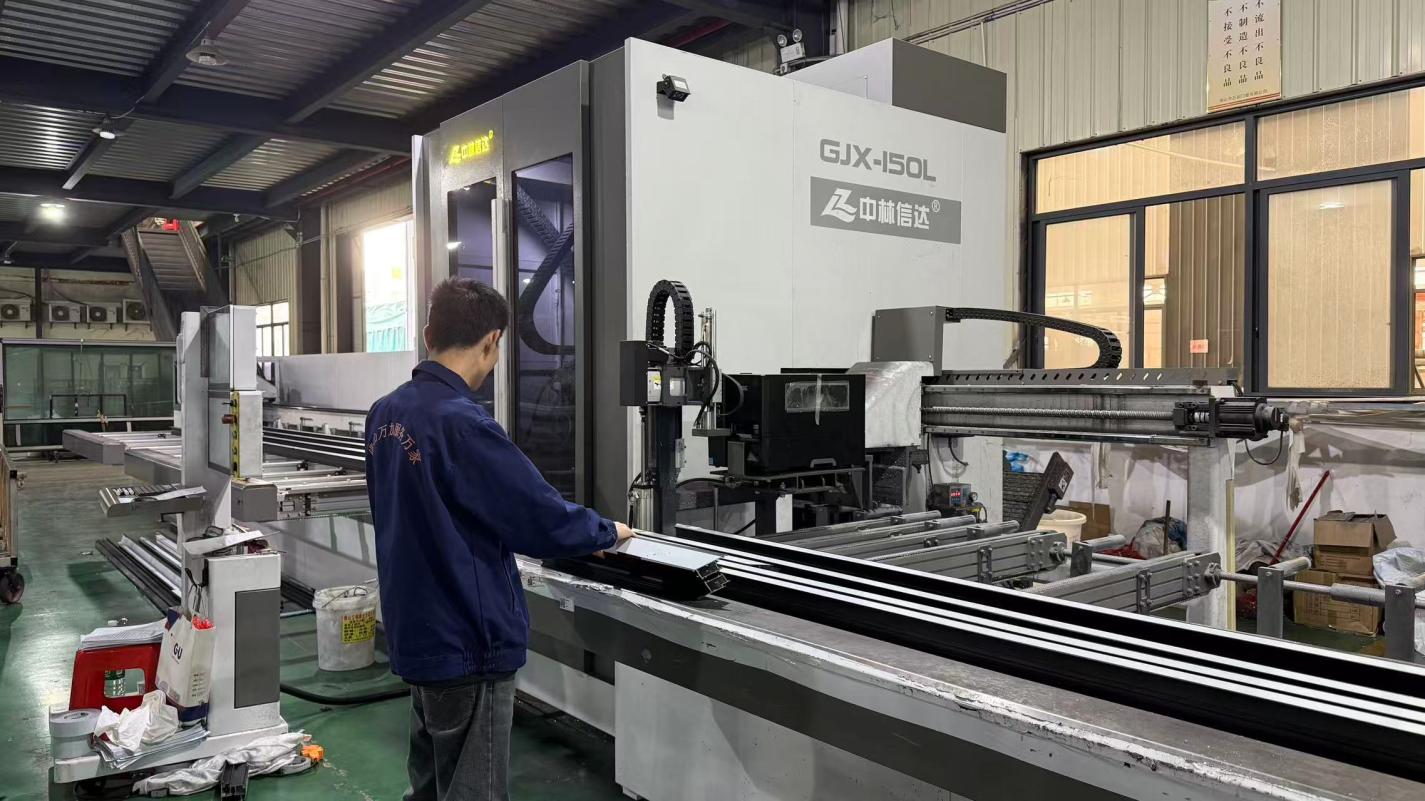
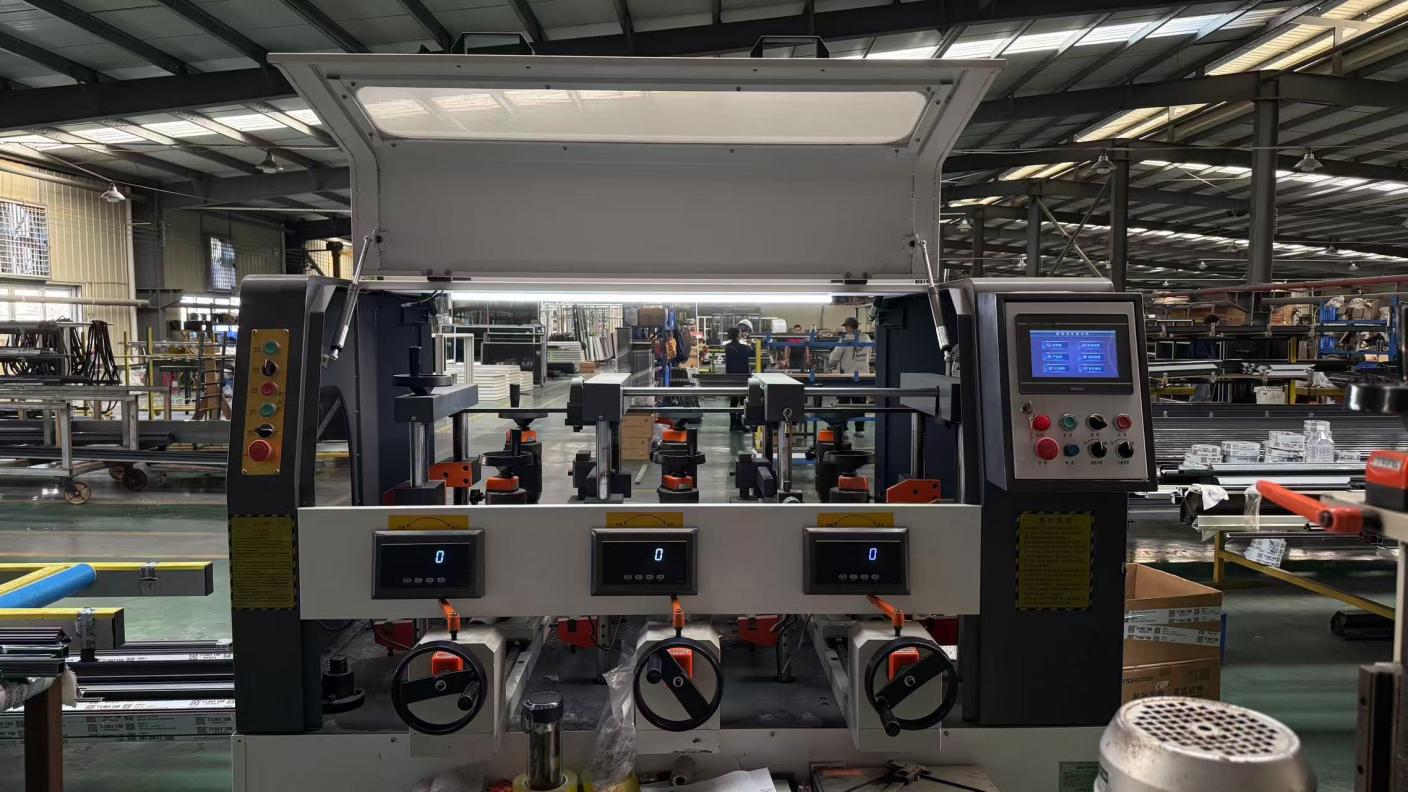
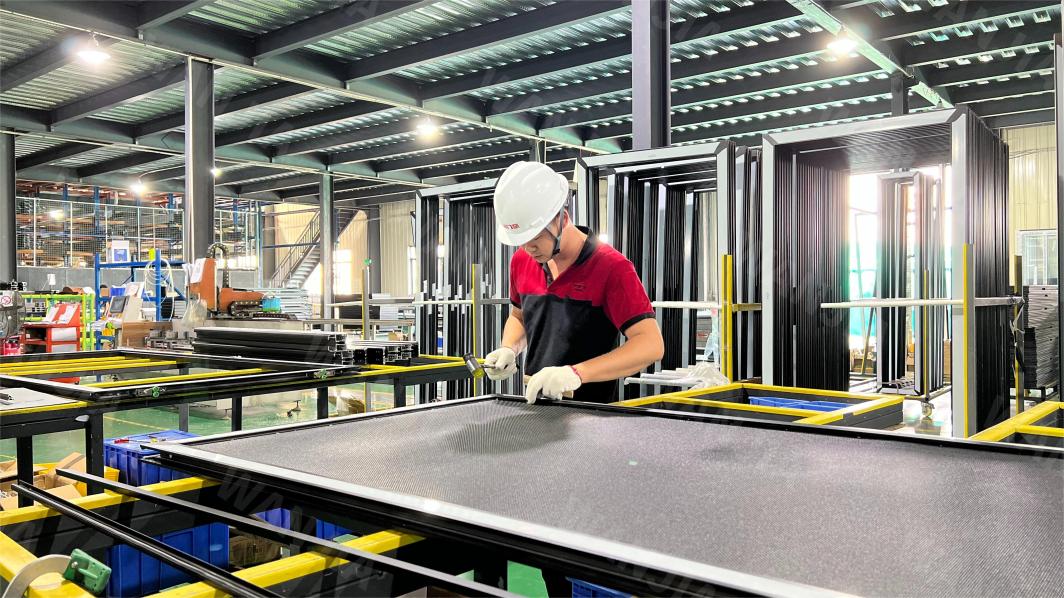
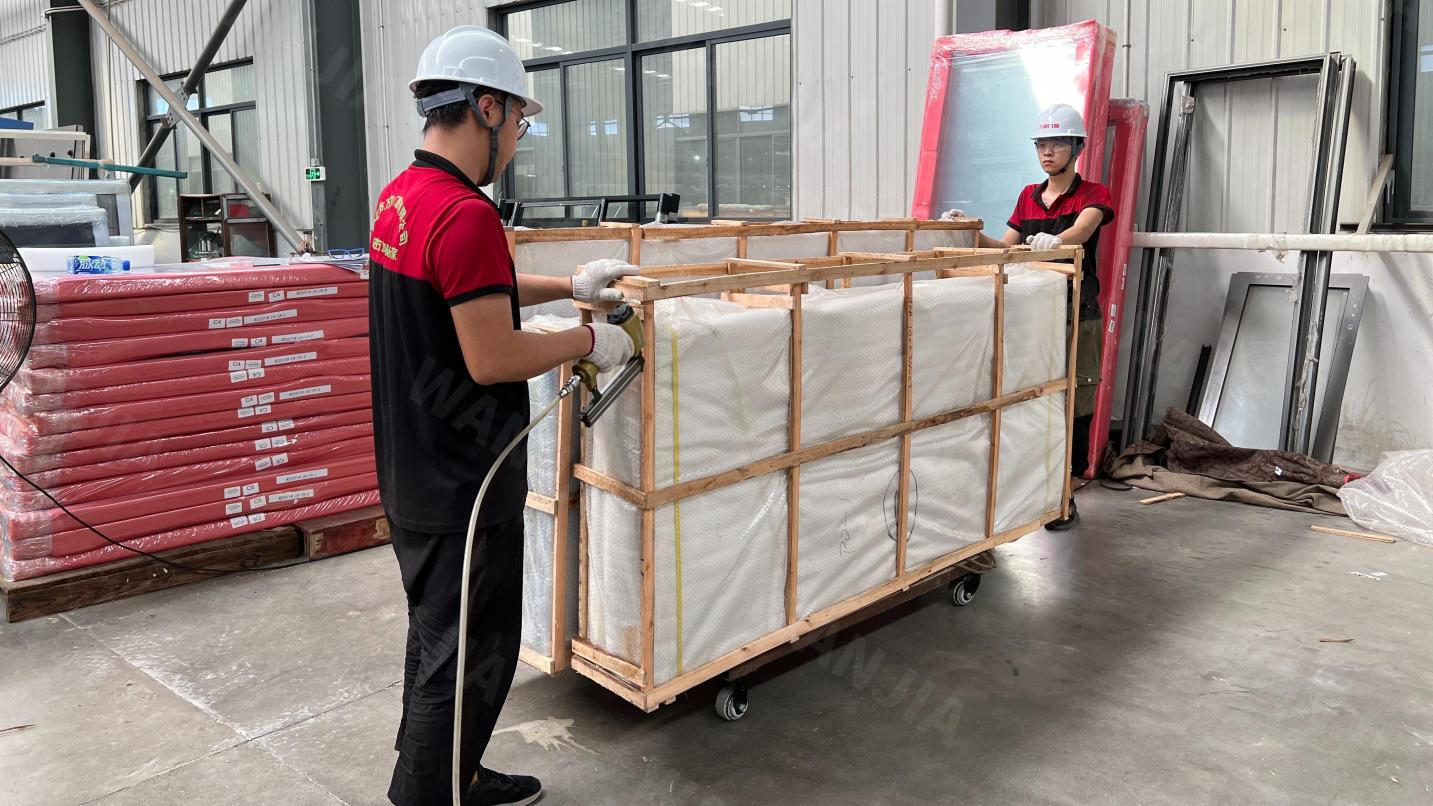
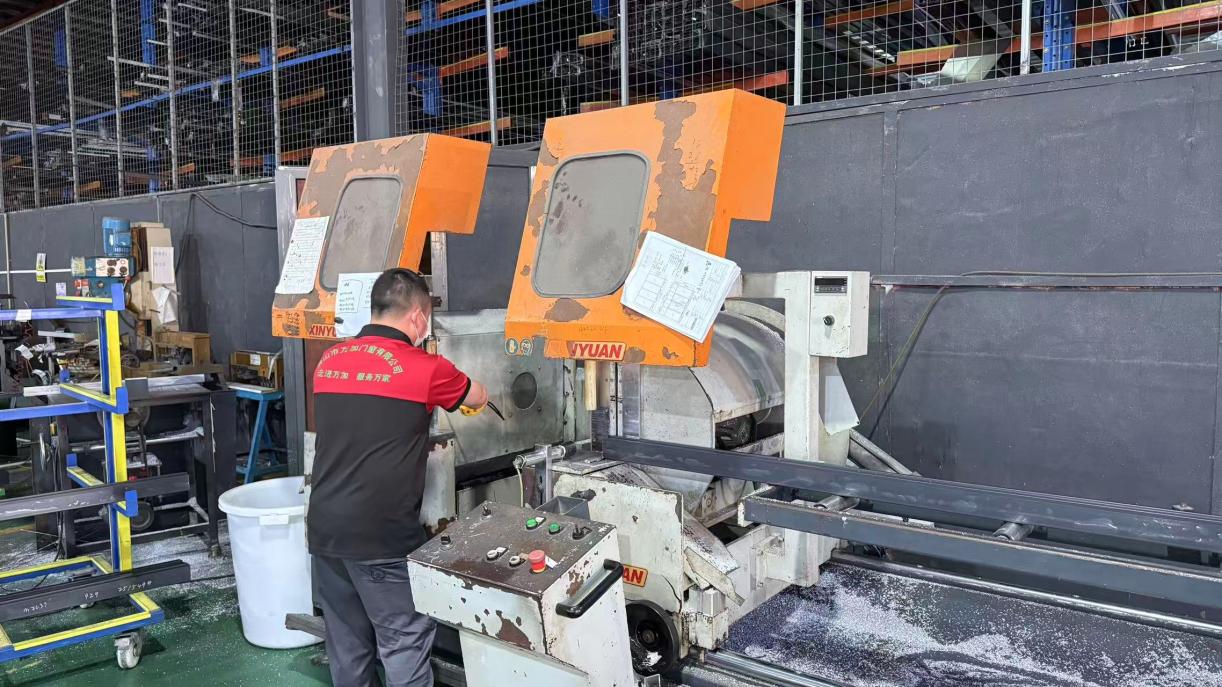
Advanced Chinese manufacturing facilities utilize fully automated double-head cutting saws, continuous corner crimping robotics, and automatic silicone sealant injection lines. This eliminates human error in gasket seating and sealant bead uniformity—the two primary failure points for water tightness (AS4420.3) during site inspections.
Deploying AS2047 compliant systems requires careful architectural alignment with local micro-climates, building codes (AS1288 for glass selection), and site-specific environmental threats.
In fire-prone regions across New South Wales, Victoria, and Western Australia, windows must comply with AS3959. Chinese factories supply specialized AS2047 windows featuring 5mm/6mm toughened safety glass, metal mesh screens (stainless steel 304/316), and fire-rated intumescent seals designed to stop ember attack and radiant heat.
For seaside developments in Gold Coast, Sydney Eastern Suburbs, or Perth Coastal strip, salt fog resistance is vital. Aluminum extrusions receive anodizing treatment (>25 microns) or fluorocarbon (PVDF) spray coating capable of passing 3,000+ hours of continuous salt spray testing.
Inner-city apartment corridors require sound attenuation against traffic noise. Utilizing asymmetric double-glazing configurations (e.g., 6.38mm laminated glass + 12mm Argon space + 6mm toughened glass) achieves sound insulation performance exceeding Rw 40 dB.
Enterprise Profile & Global footprint: Since 2008, ArmorSafe Entry Door Systems Co., Ltd. has stood as a pioneer in high-security residential and commercial entry doors. With 18 years of manufacturing background and 10 years of export history, we operate a 22,000 sq ft factory that yields an annual export revenue of $25 million. Leveraging rich international trade expertise and 620 supply chain partners, we cater primarily to Importers, Hardware Distributors, and Big-Box Retailers in South America and Western Europe. We maintain uncompromising standards through a team of 30 QC personnel who execute strict dimensional checks, salt spray corrosion tests, and force-resistance testing. Our active R&D team, comprising 48 engineers, introduced 85 new product lines past year, providing clients with flexible customization options ranging from soundproofing cores to custom stainless steel hinges and electronic lock cutouts.
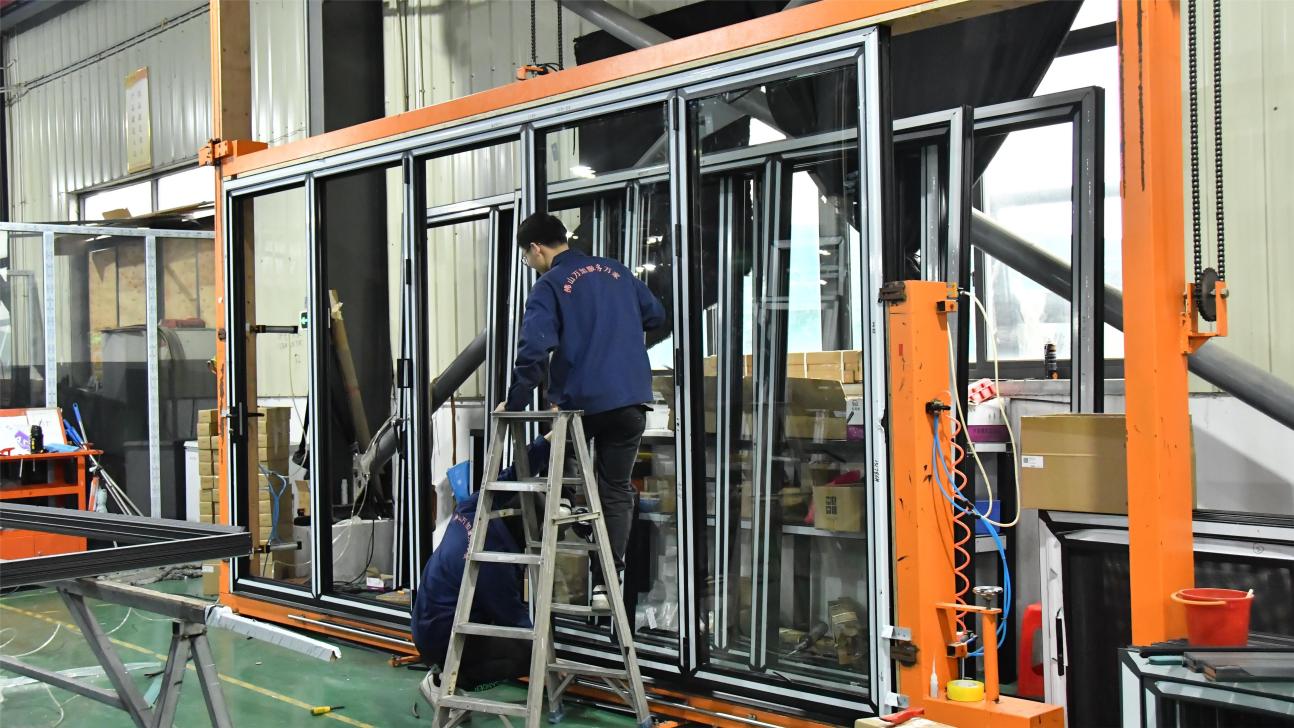
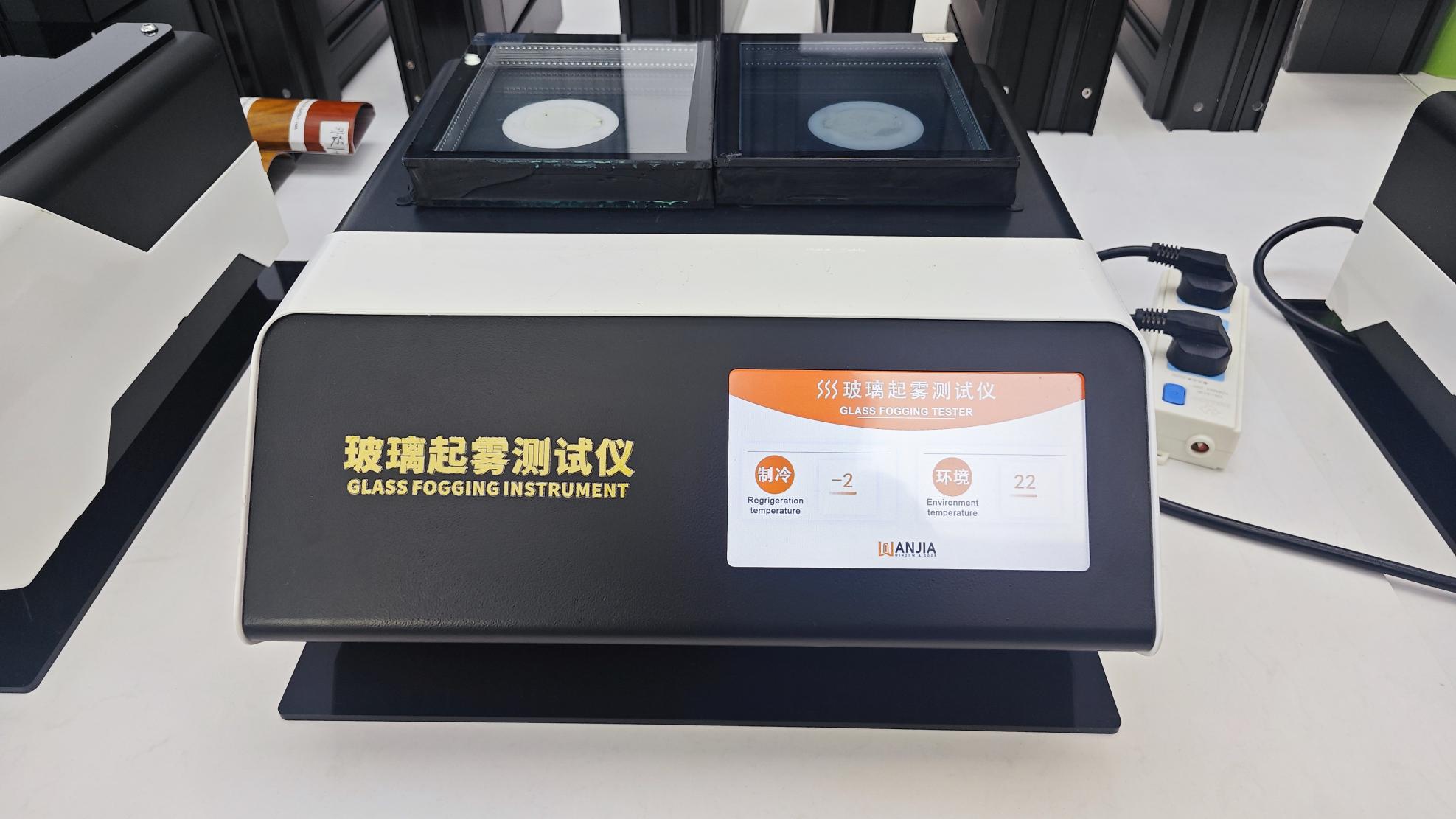
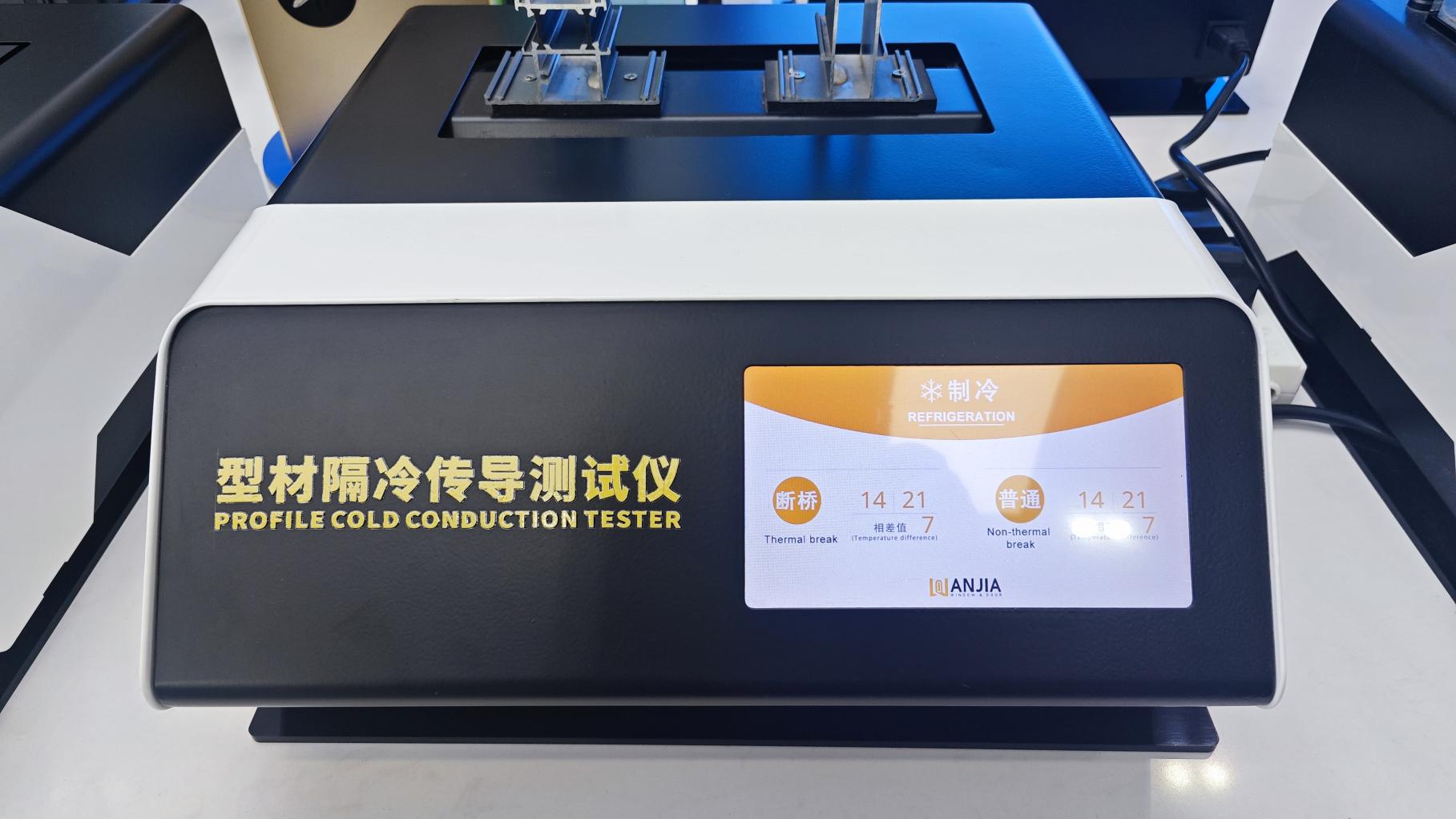
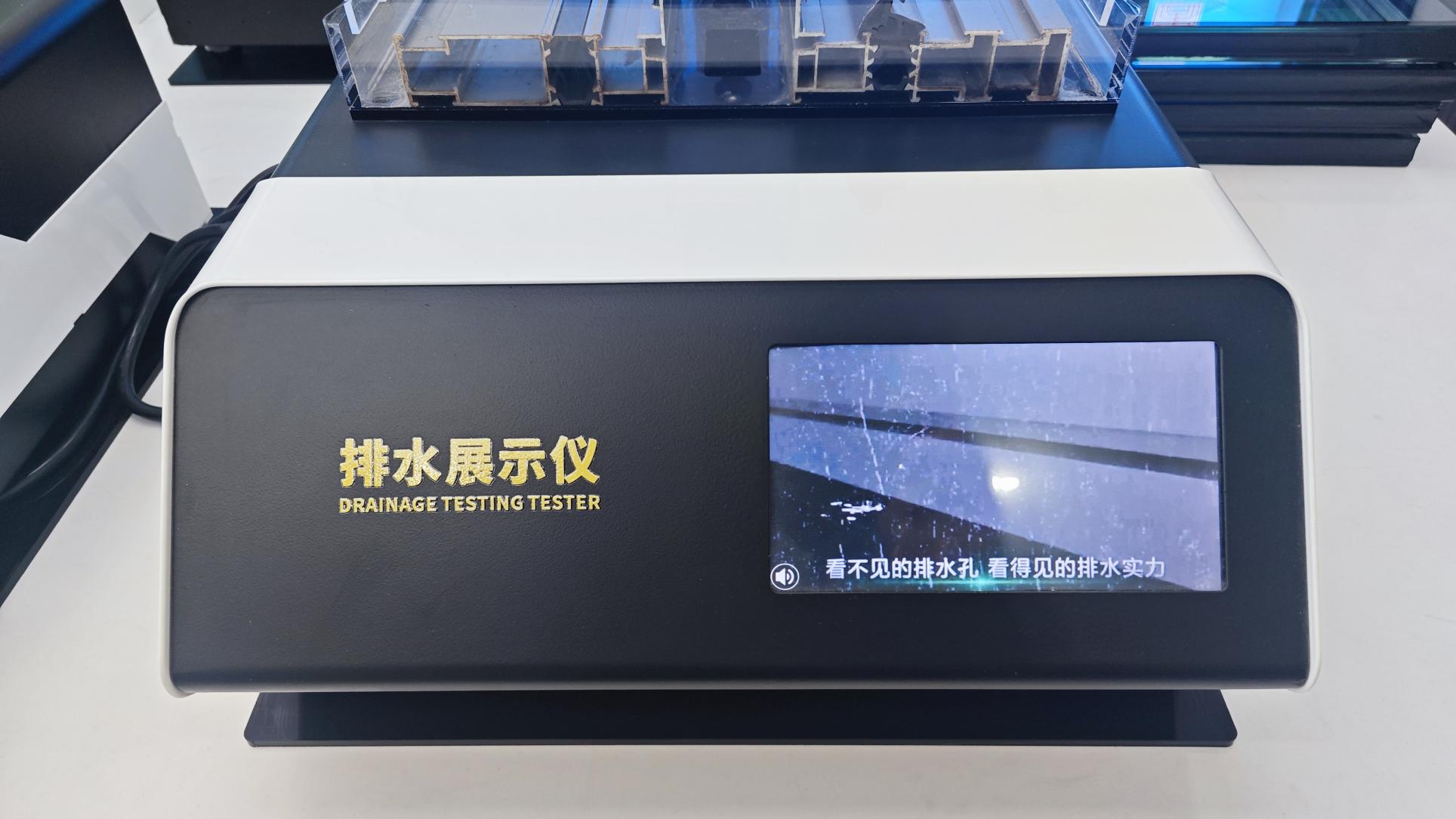
Every AS2047 frame undergoes a standardized 9-stage fabrication pipeline to ensure absolute dimensional fidelity and weather-seal perfection:
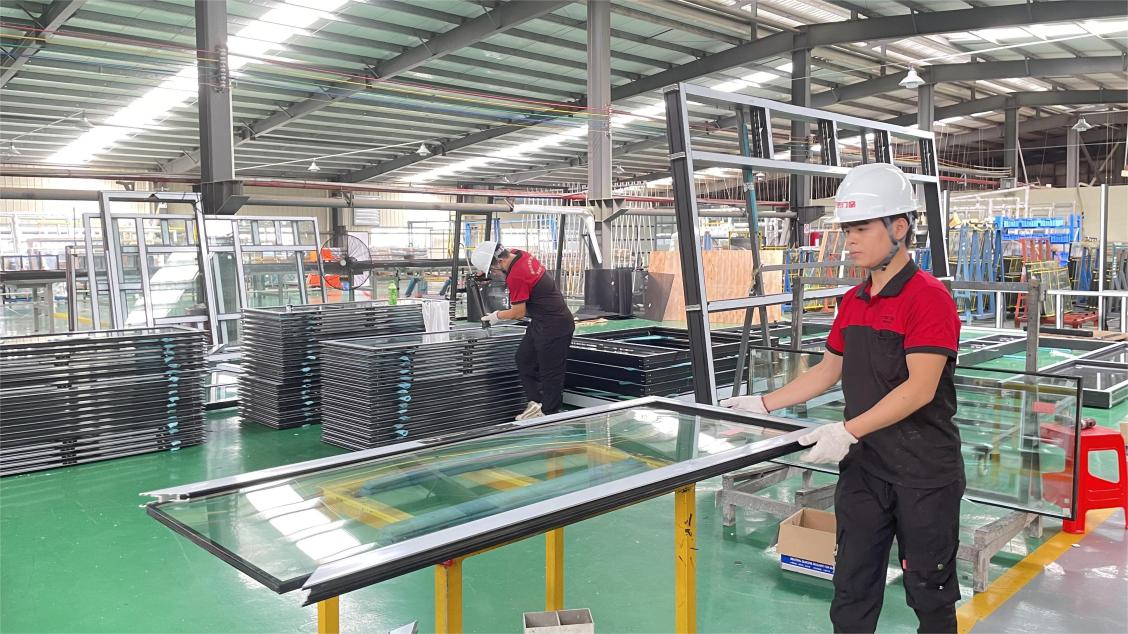
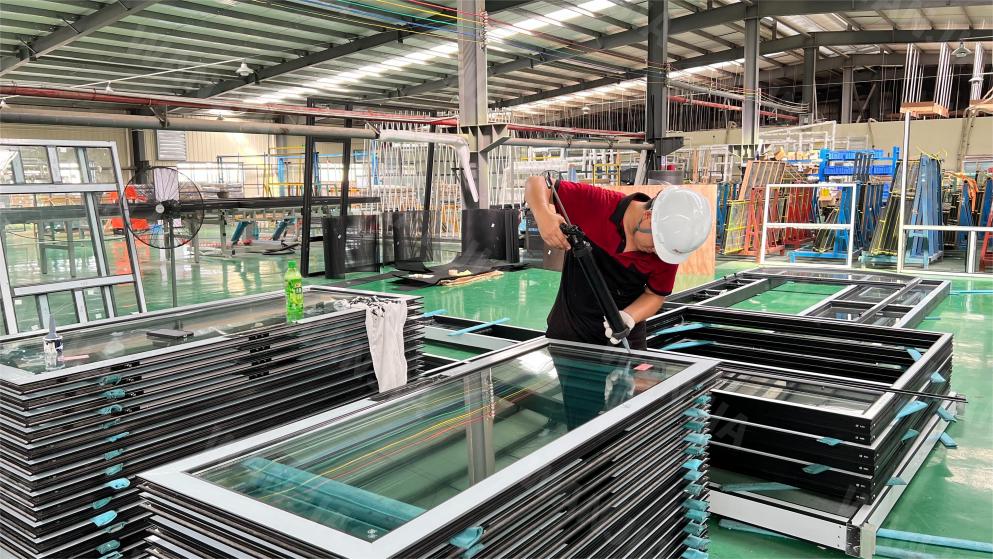
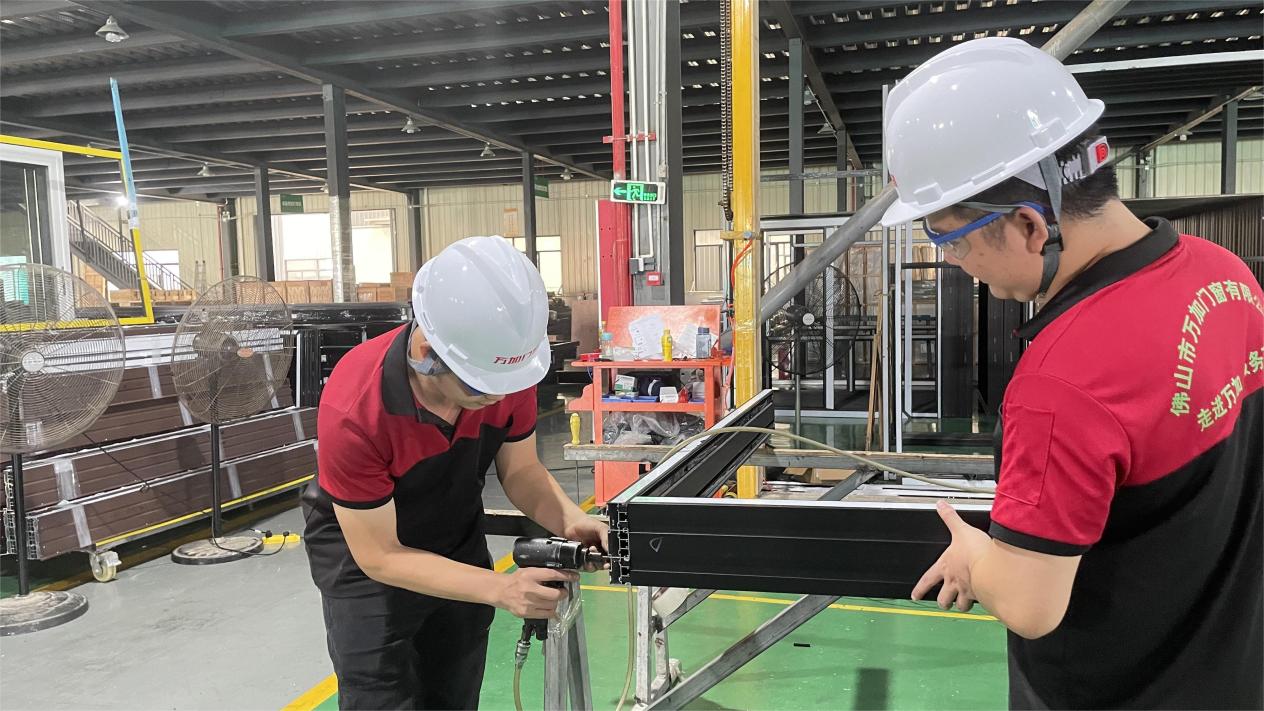
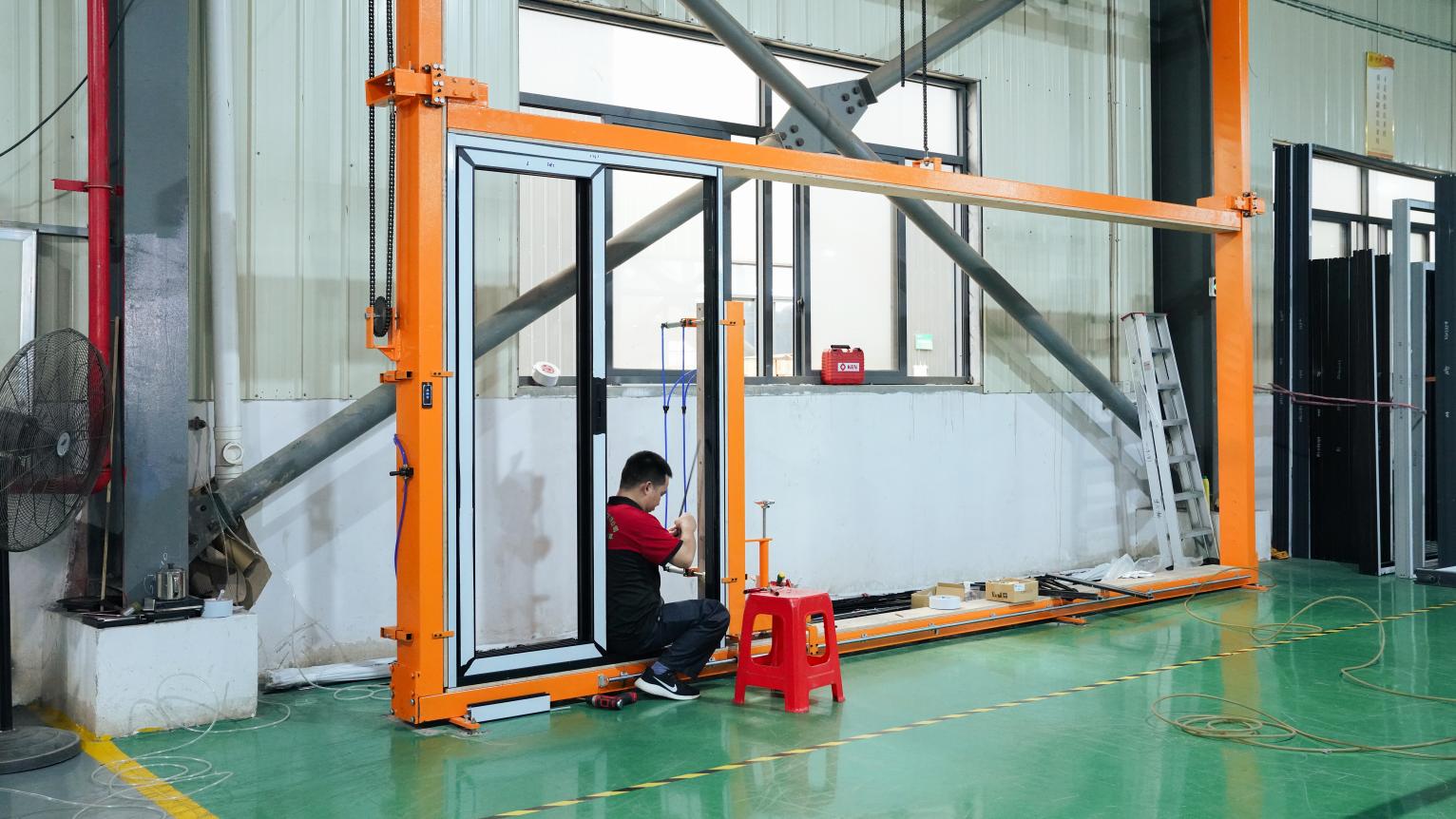
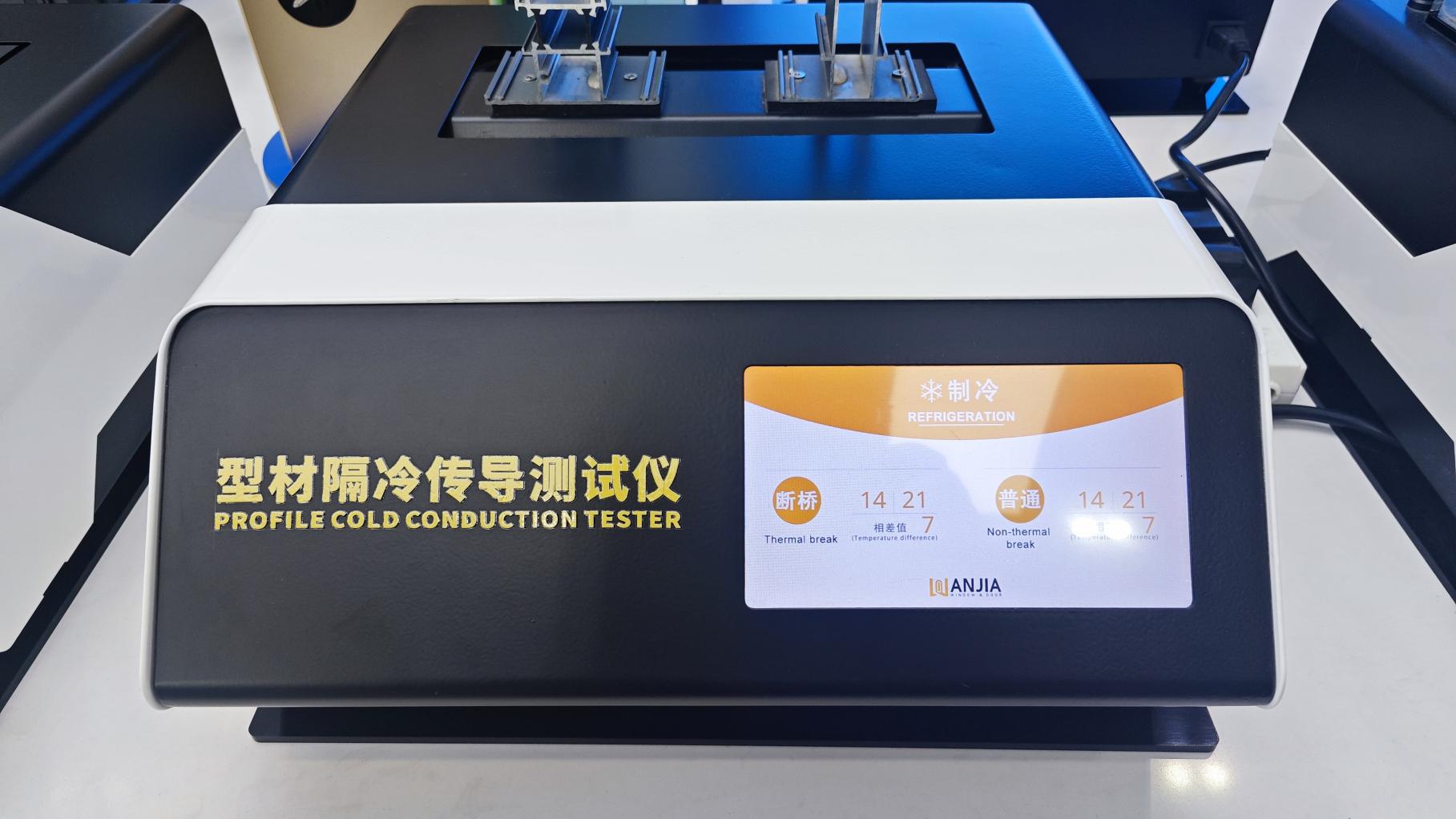
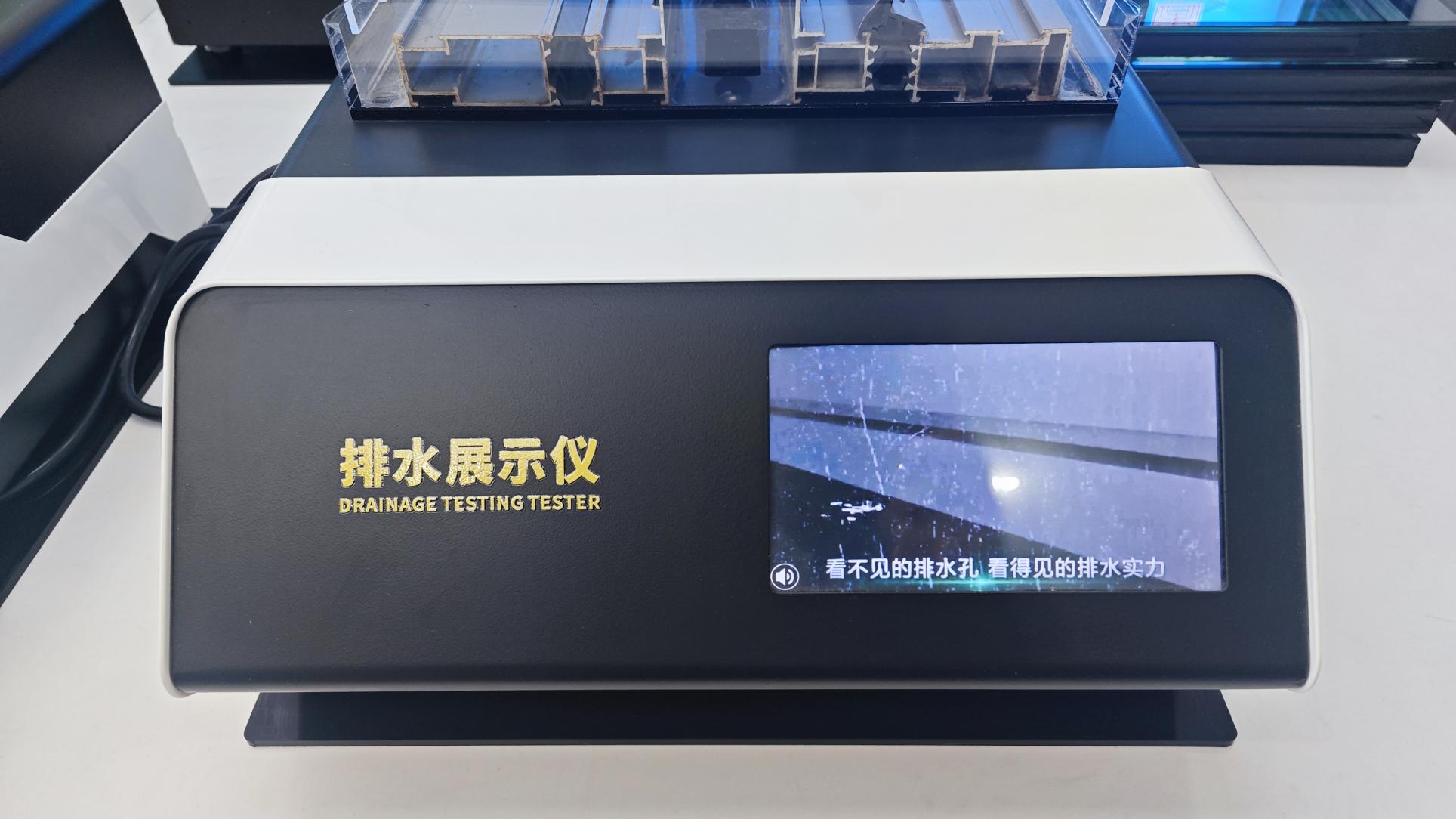
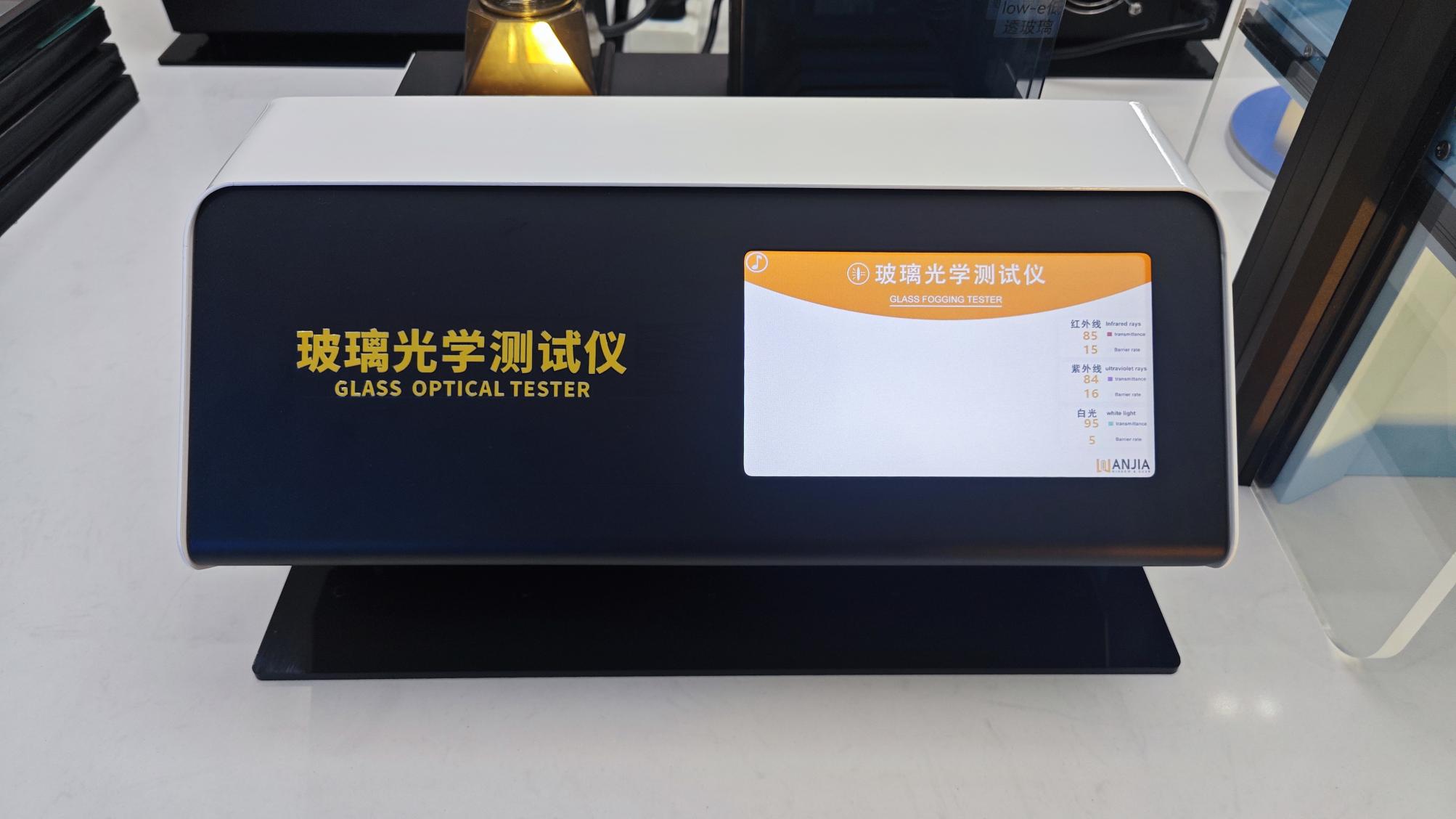
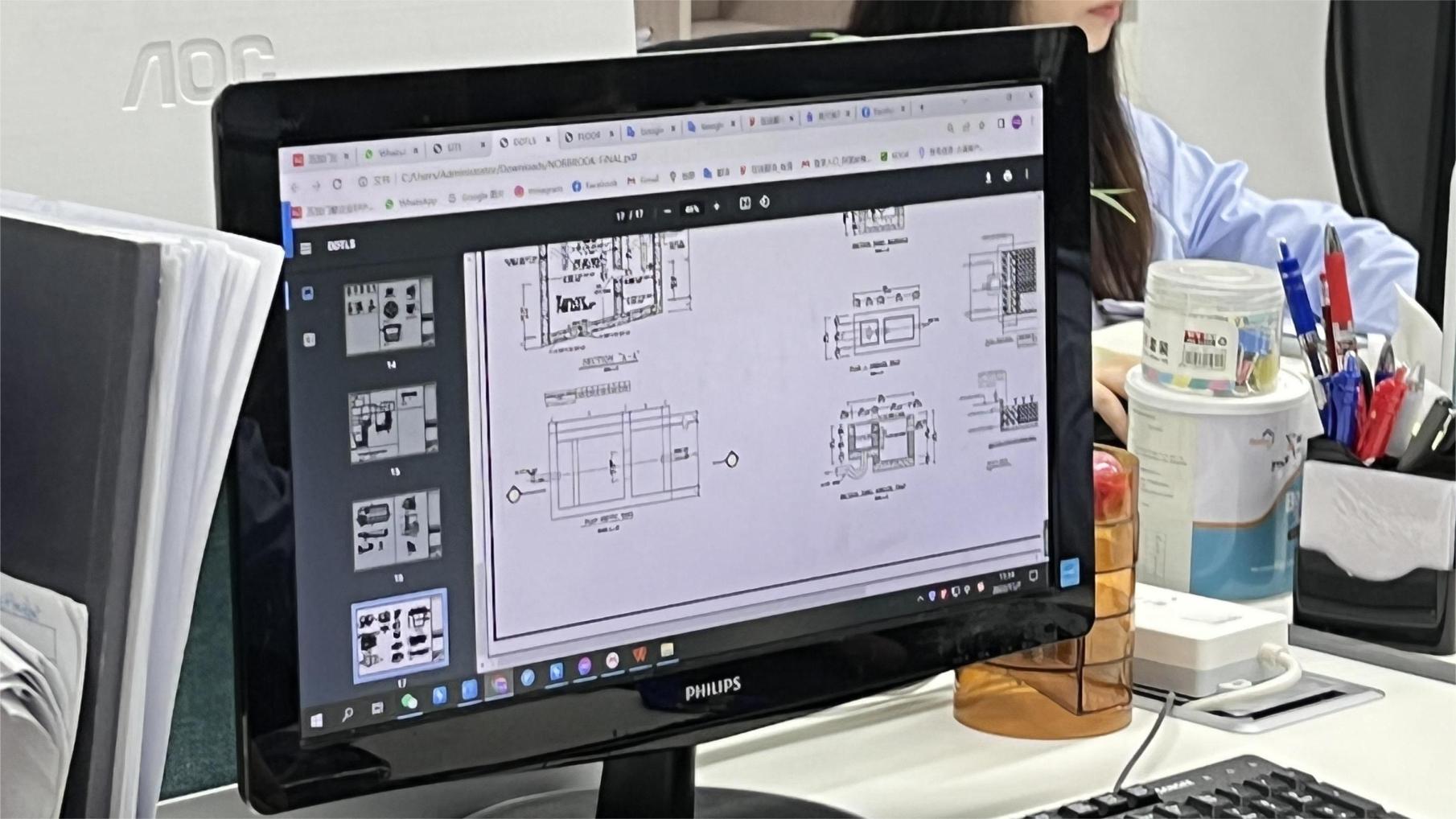
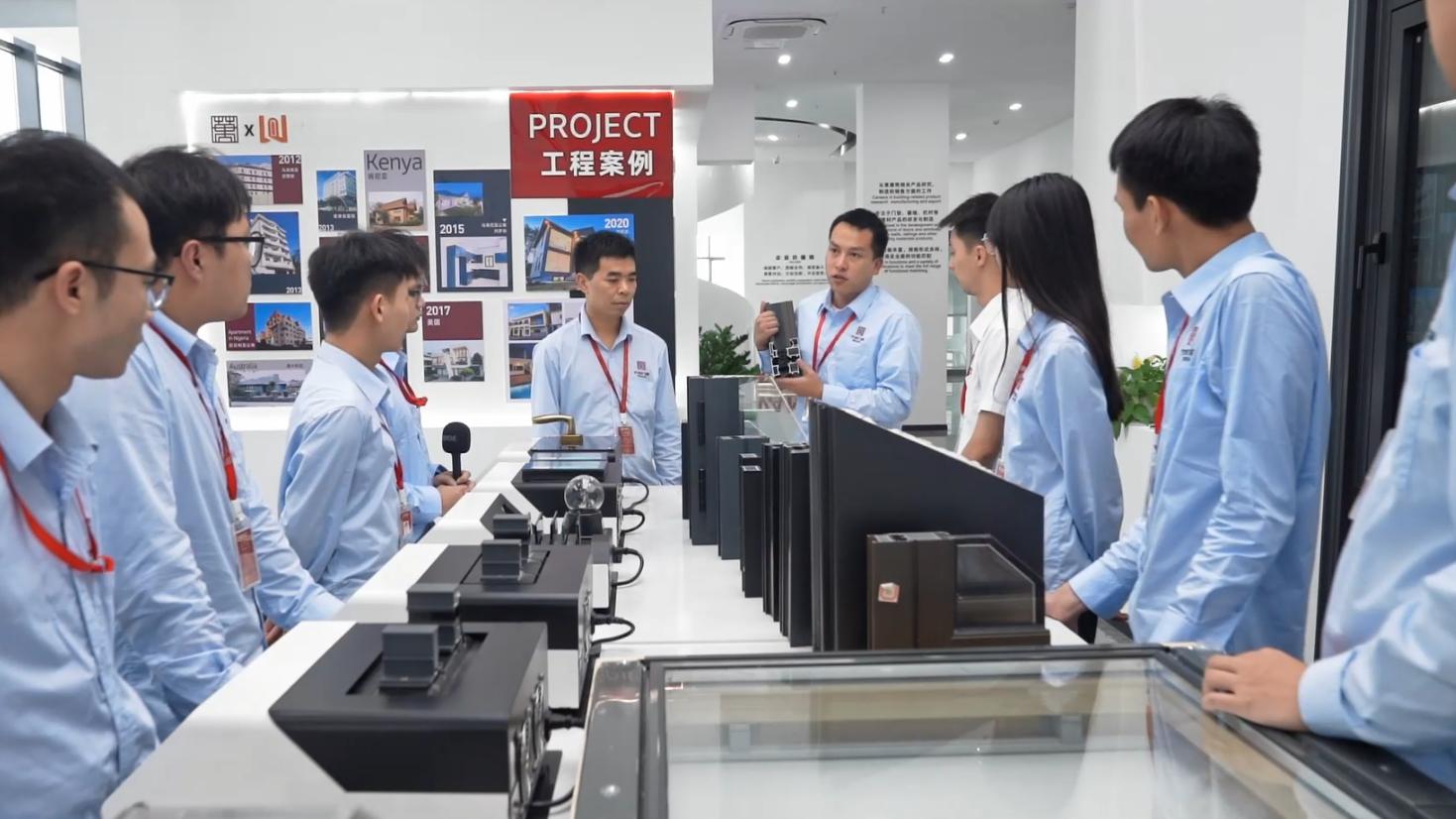 R&D Engineering Team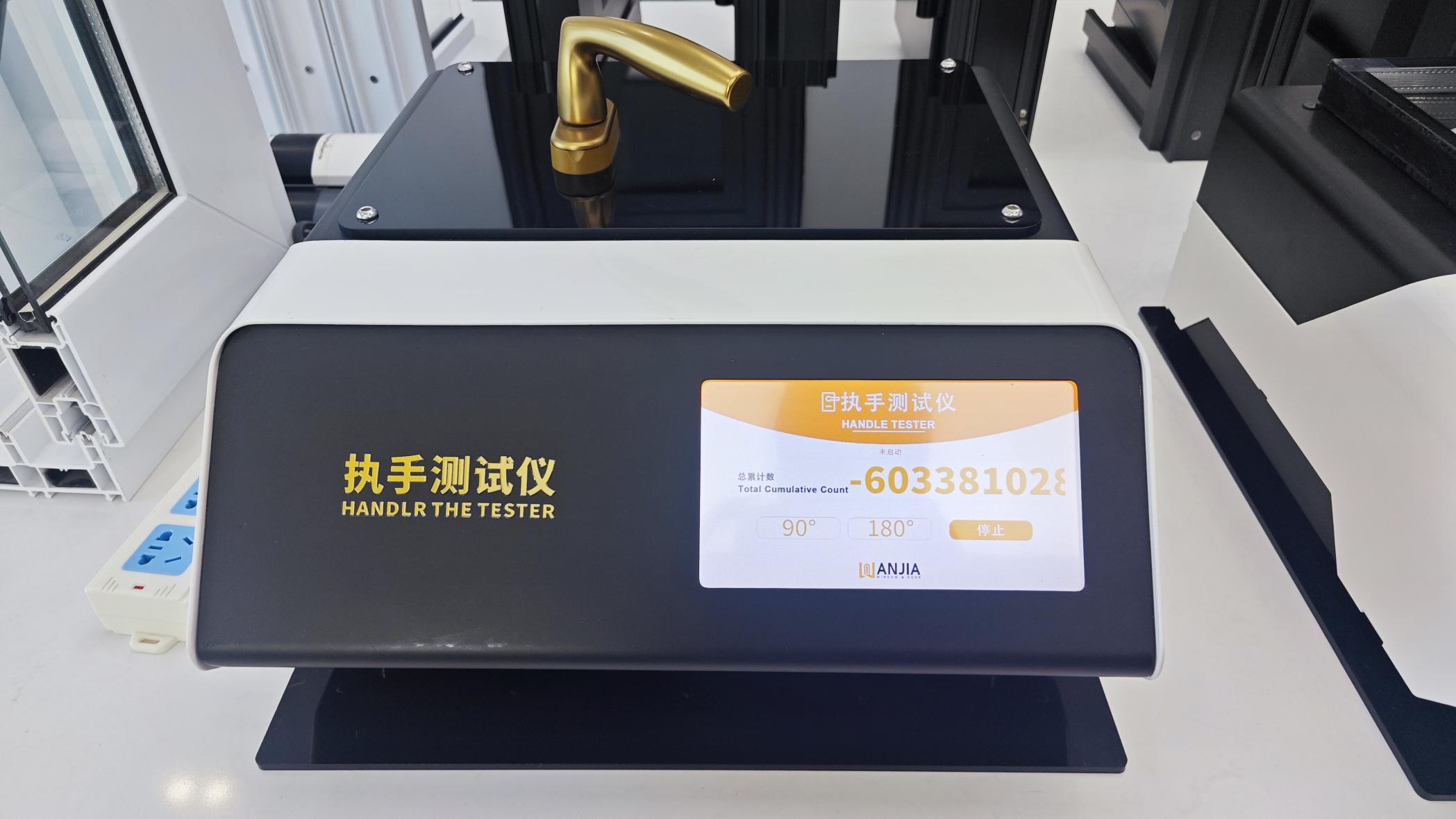
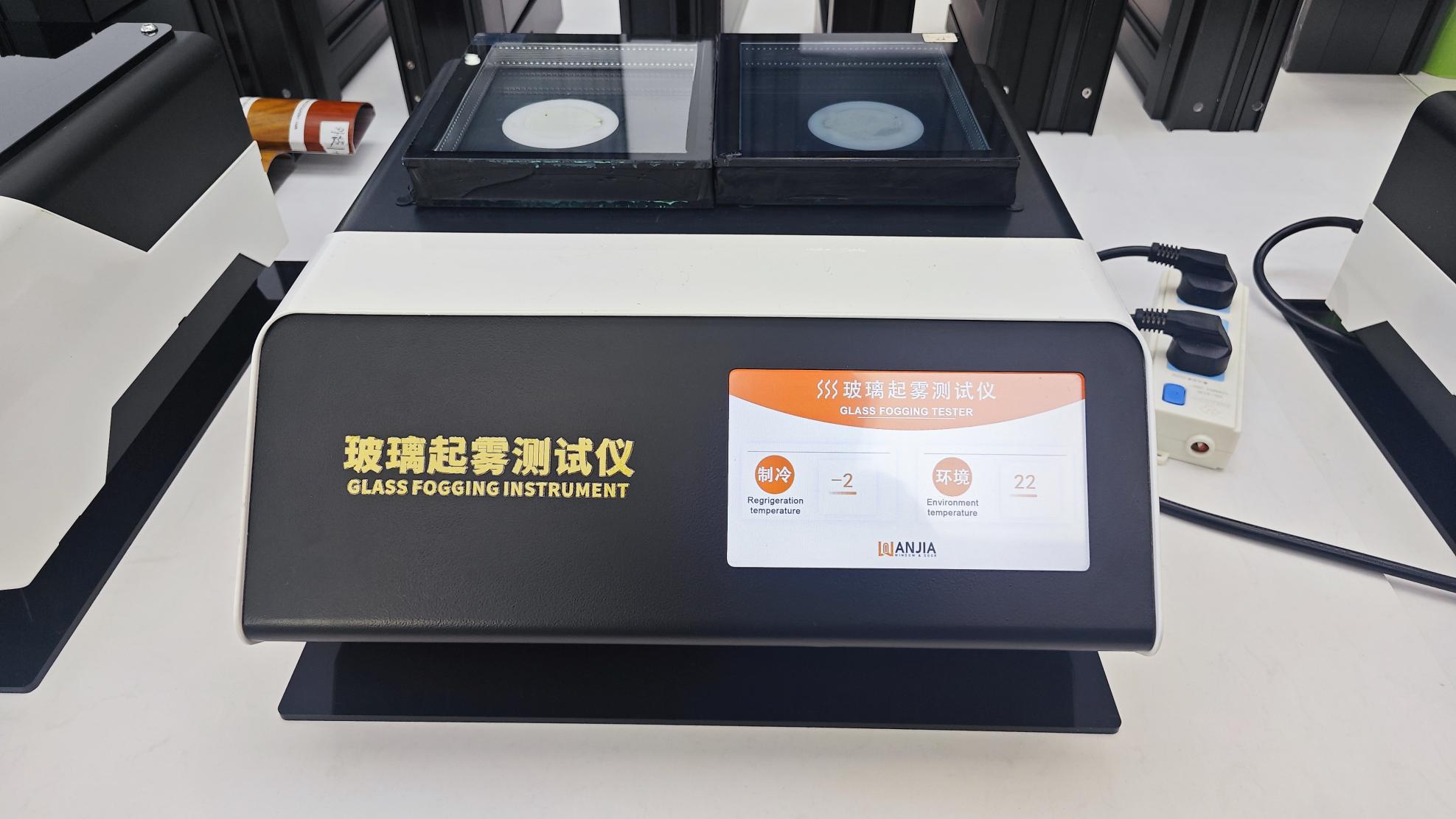
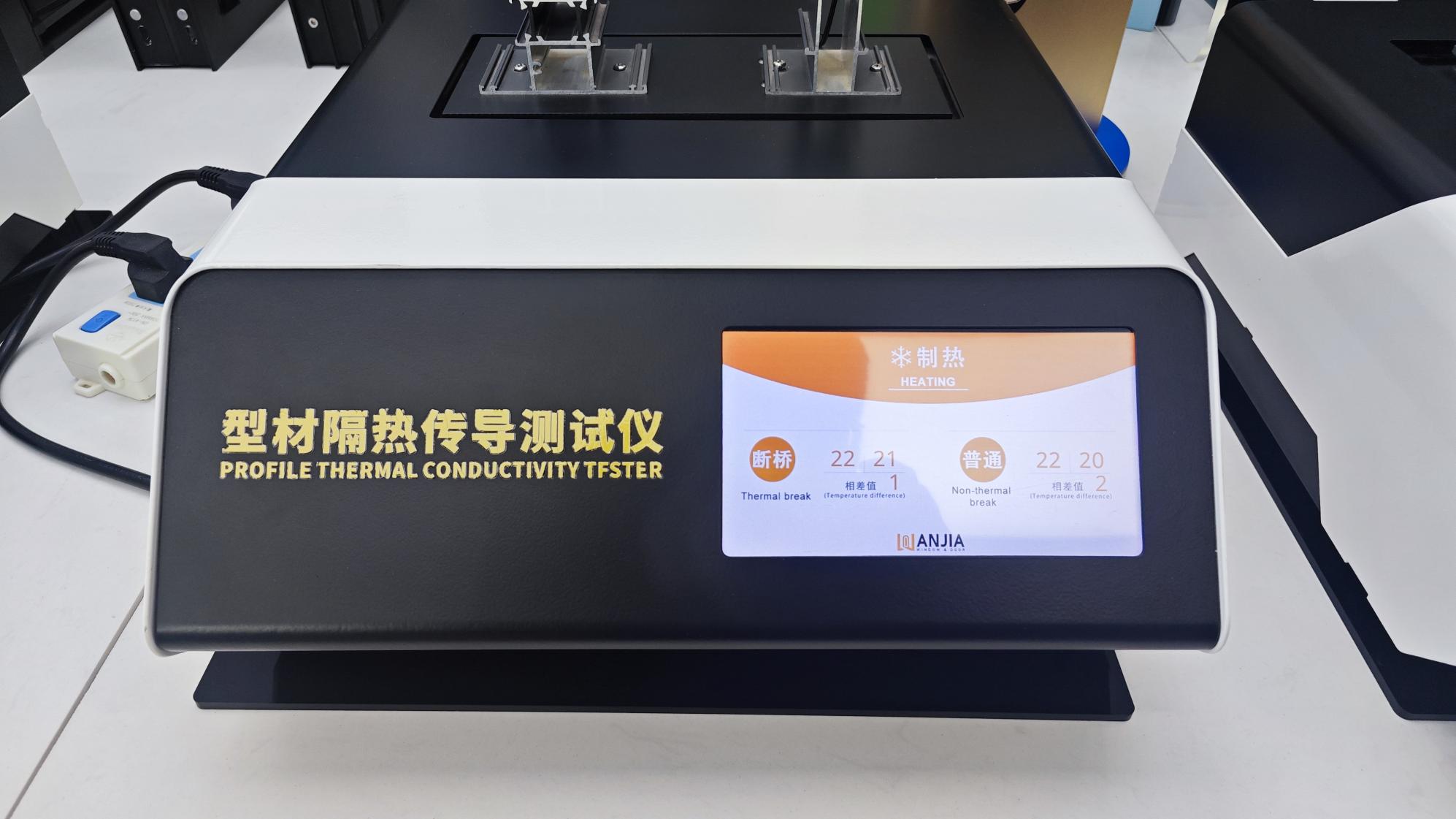
As standard construction practices transition toward zero-carbon structures and intelligent building automation, certified AS2047 manufacturers are embedding next-generation technologies into their systems.
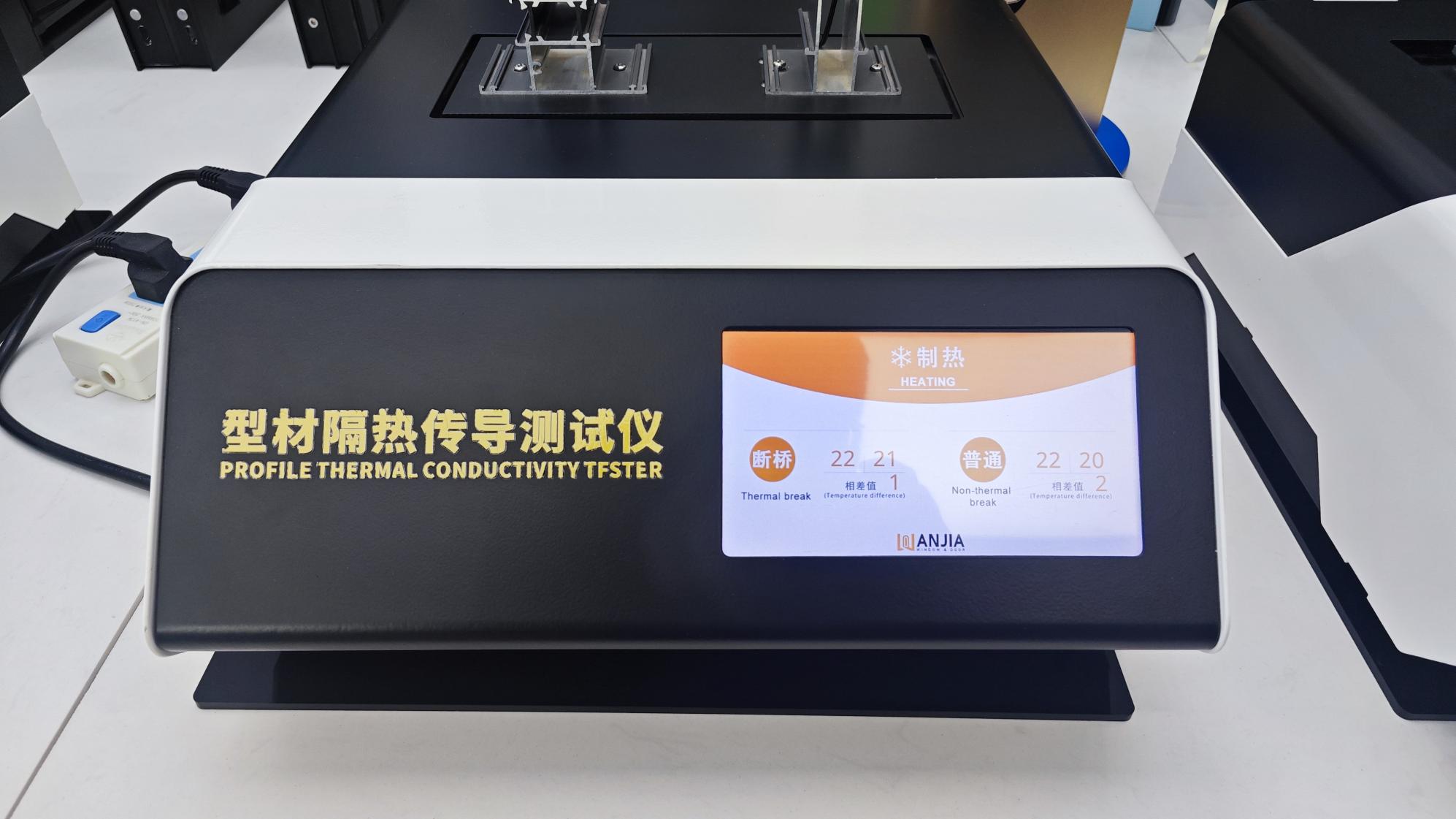
Standard non-thermal aluminum frames lose significant energy. Modern AS2047 designs integrate 24mm to 34mm glass-fiber reinforced polyamide strips separating inner and outer profile extrusions. This reduces frame U-values from over 6.0 W/m²K down to under 1.8 W/m²K.
Integration of hidden chain winders and multi-point motor locks compatible with automated Building Management Systems (BMS). Windows automatically actuate based on interior CO2 levels, rain sensors, or HVAC climate cycles.
Architectural demand favours maximum light transmittance. Advanced structural glazing techniques bond glass directly to ultra-slim 20mm visible aluminum interlocks, offering uninhibited views while maintaining high ULS wind pressure resistance.
Procuring AS2047 windows directly from Chinese factories requires structured risk-mitigation protocols to ensure compliance upon arrival at Australian ports.
Answers to critical engineering, compliance, and supply chain queries from architectural specifiers and building contractors.
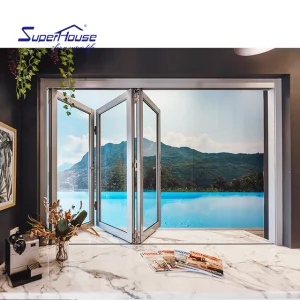
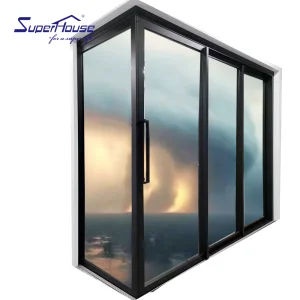
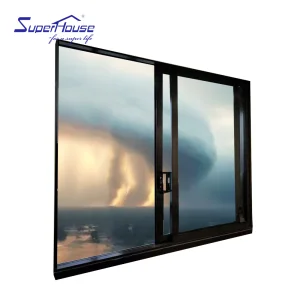
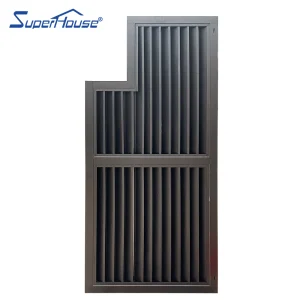
Explore high-performance bi-fold, casement, pocket sliding, and acoustic louver systems.
 ArmorSafe Doors