Engineered to exceed ASTM, NFRC, and AS2047 international standards for commercial, residential, and high-security installations.
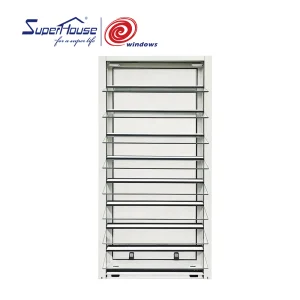
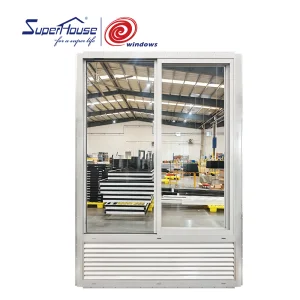
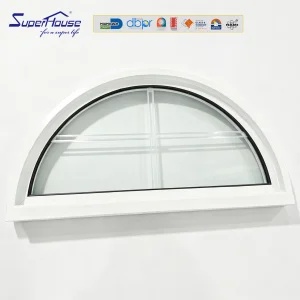
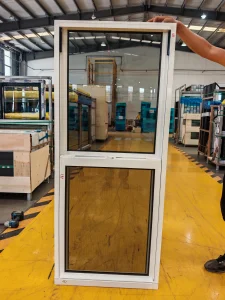
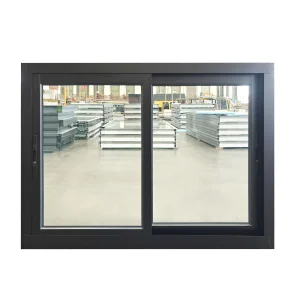
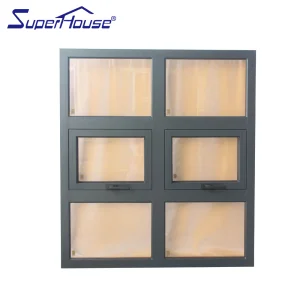
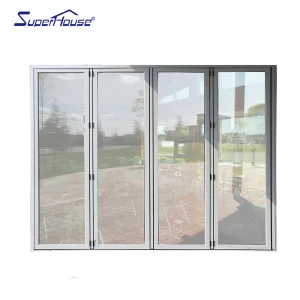
An in-depth analysis of global demand shifts, regulatory mandates, and structural material advancements in modern architectural fenestration.
The global architectural aluminum window market is experiencing an unprecedented structural shift, projected to exceed $78 Billion by 2030. Driven by strict energy building codes in North America (Title 24, Energy Star 7.0) and Western Europe (EPBD Directive), structural aluminum has surpassed traditional unplasticized PVC (uPVC) and timber due to its structural strength-to-weight ratio and infinite recyclability.
Legacy non-thermal aluminum frames suffered from high thermal conductivity. Contemporary global manufacturing centers have pioneered advanced Polyamide 66 reinforced with 25% fiberglass (PA66GF25) thermal barrier strips. This engineering breakthrough reduces frame U-factors to below 0.18 BTU/h·ft²·°F, matching passive house standards without sacrificing structural rigidity.
With changing extreme weather patterns, global procurement leads demand hurricane-rated impact resistance. Leading exporters now design extrusions capable of supporting multi-pane laminated Low-E glass that resists cyclic wind pressures up to +100/-100 psf and high-velocity missile impacts (HVHZ), certified under Miami-Dade NOA and Florida Building Codes.
When selecting aluminum window factories and export partners, comparing profile wall thickness alone is insufficient. Enterprise buyers must audit thermal break insertion precision, EPDM weather-stripping vulcanization quality, and hardware corner-cleat crimping force. High-end aluminum exporters integrate continuous mechanical corner locking with dual-component structural sealant injection, raising structural load-bearing capacity by 45% compared to screw-fixed assemblies.
| Performance Metric | Thermal Break Aluminum 6063-T5/T6 | Unplasticized PVC (uPVC) | Architectural Timber Frame |
|---|---|---|---|
| Structural Tensile Strength | High (200 - 240 MPa) | Low (40 - 55 MPa) | Moderate (40 - 80 MPa) |
| Thermal Transmittance (U-Factor) | 0.14 - 0.22 BTU/h·ft²·°F (With Isolators) | 0.16 - 0.24 BTU/h·ft²·°F | 0.15 - 0.25 BTU/h·ft²·°F |
| Design Life & Durability | 50+ Years (Corrosion-proof finishes) | 15 - 25 Years (UV degradation risks) | 20 - 30 Years (Requires routine maintenance) |
| Maximum Glazing Span | Extra Large (Over-sized architectural glass) | Restricted due to frame flexing | Moderate (Limited by wood weight) |
| Fire Safety Rating | Class A Non-Combustible (Melts >600°C) | Combustible (Emits toxic gas) | Combustible (Class B/C depending on treatment) |
A proven leader in precision engineering, global export operations, and high-security architectural fenestration since 2008.
Backed by over 620 supply chain partners worldwide, catering primarily to Tier-1 Importers, Commercial Hardware Distributors, and Big-Box Retailers across Western Europe, South America, and North America.
Maintained by a dedicated 30-member Quality Control team executing strict dimensional tolerances, salt spray corrosion tests (ASTM B117), air infiltration checks, and force-resistance load validation.
Driven by 48 active R&D engineers who launched 85 new product lines last year alone, offering flexible custom solutions ranging from soundproofing cores to custom 316 stainless hinges and electronic smart lock cutouts.
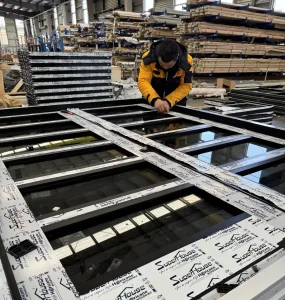
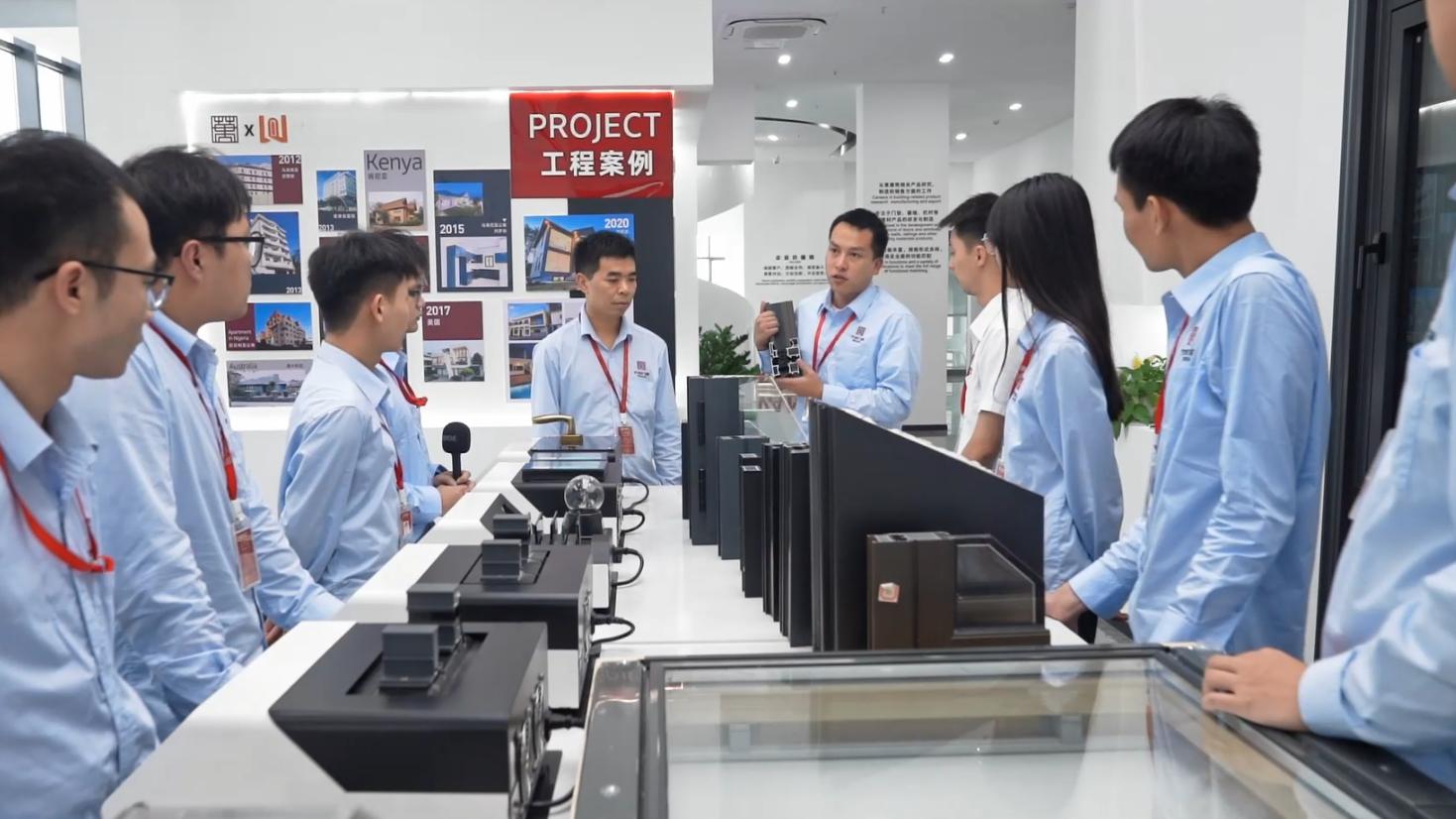
Step inside our 22,000 sq ft state-of-the-art facility featuring automated extrusion processing, CNC milling, and precision glass installation line.
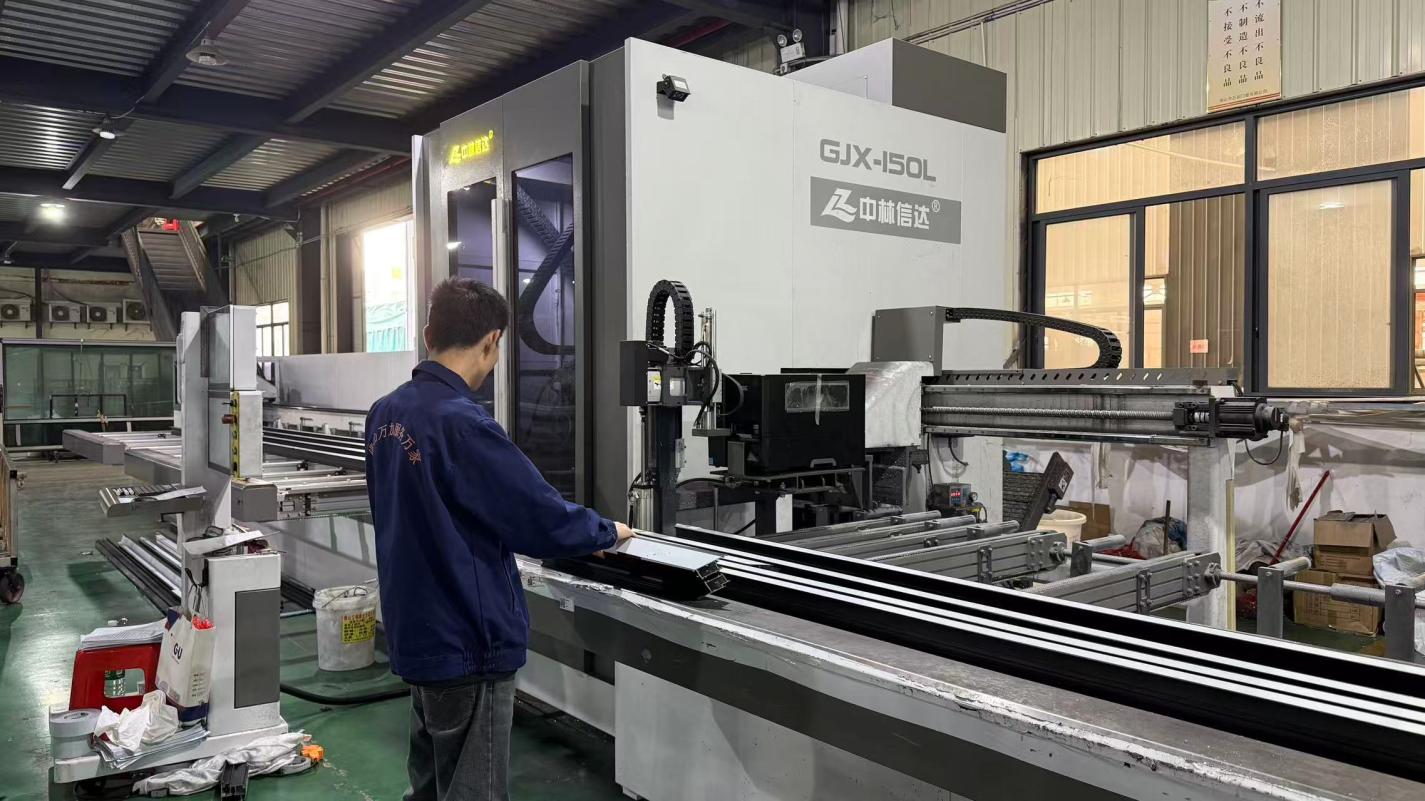
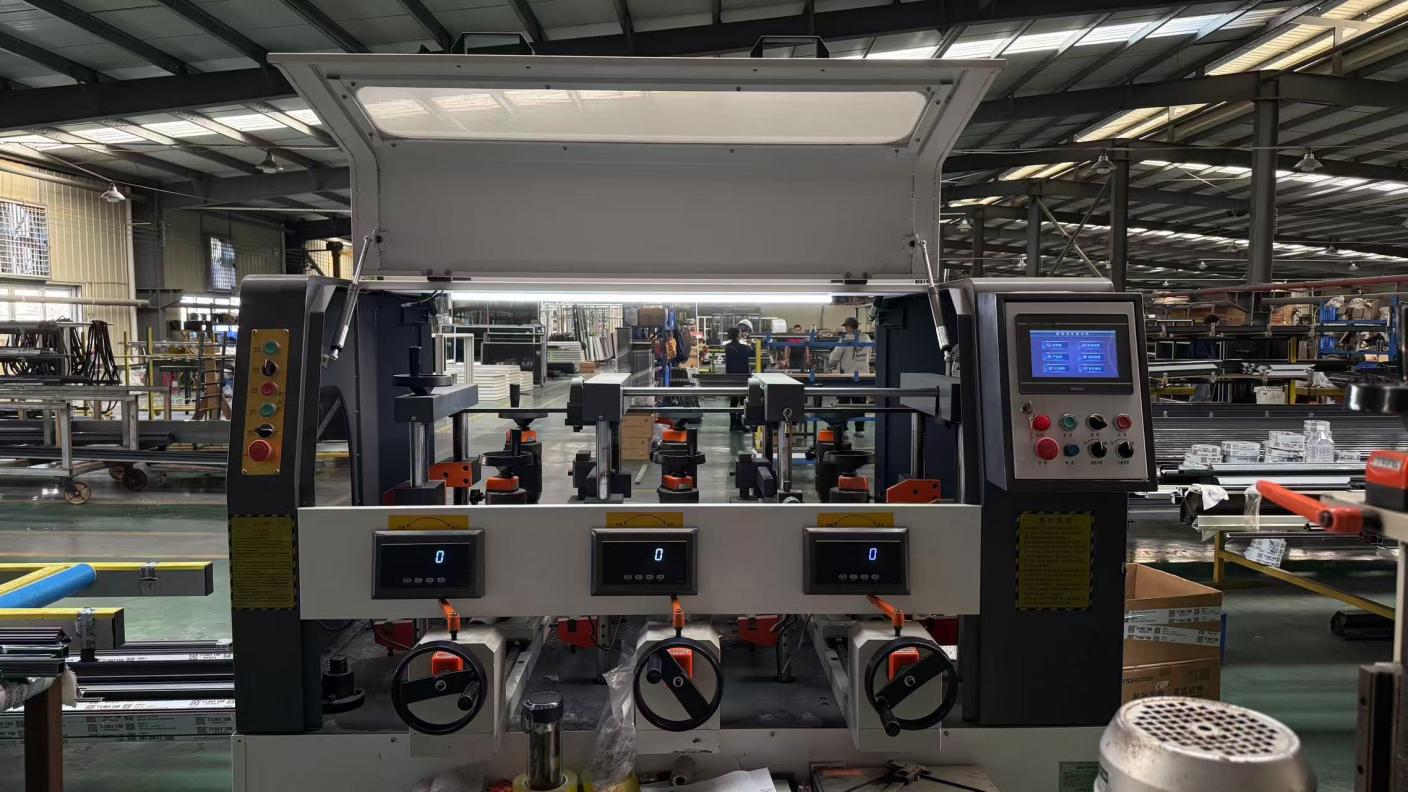
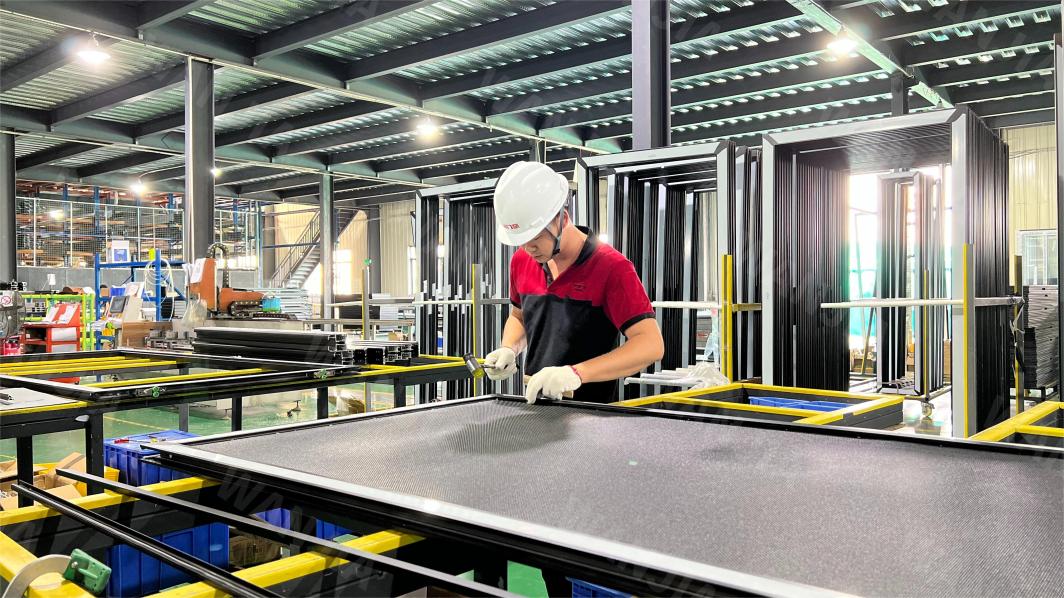
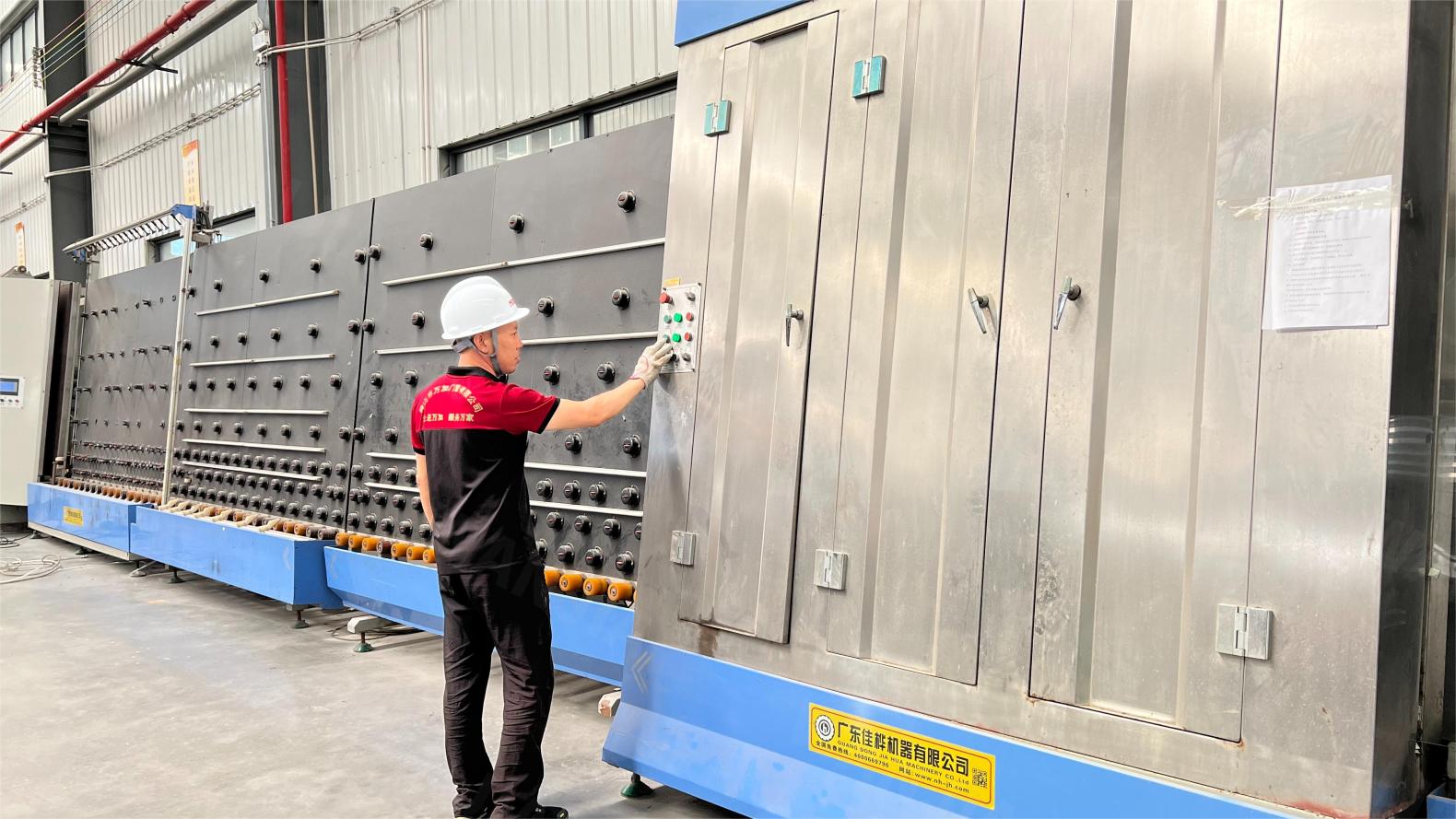
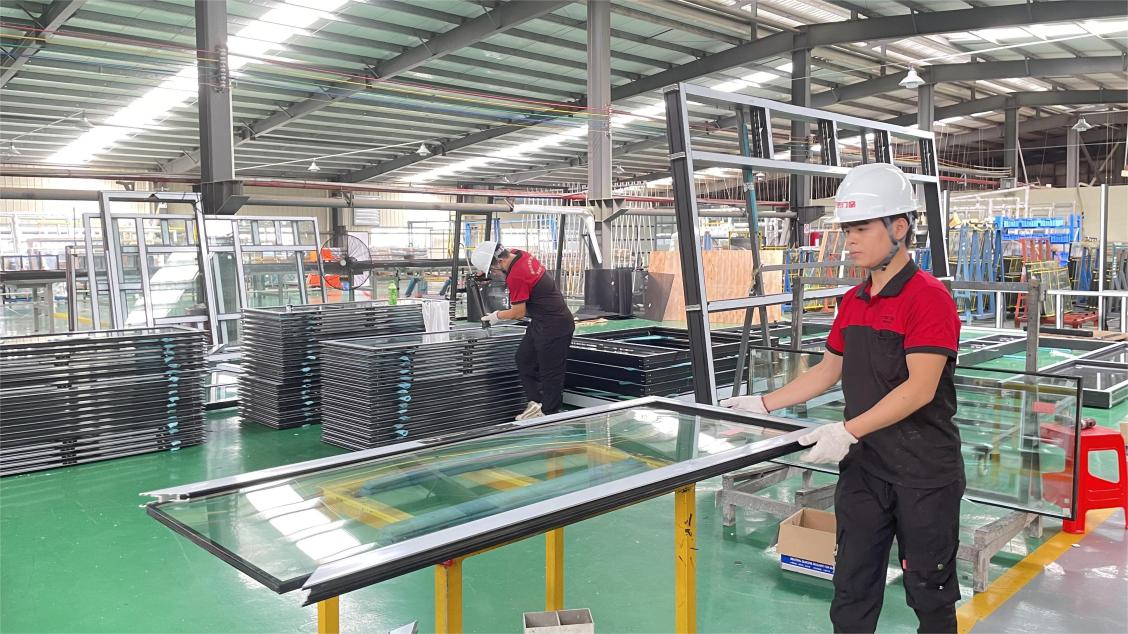
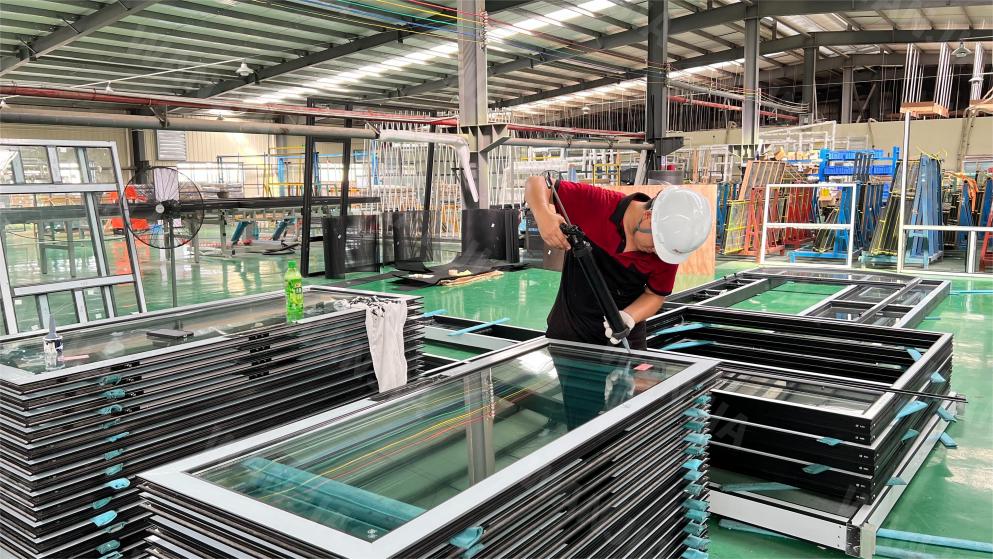
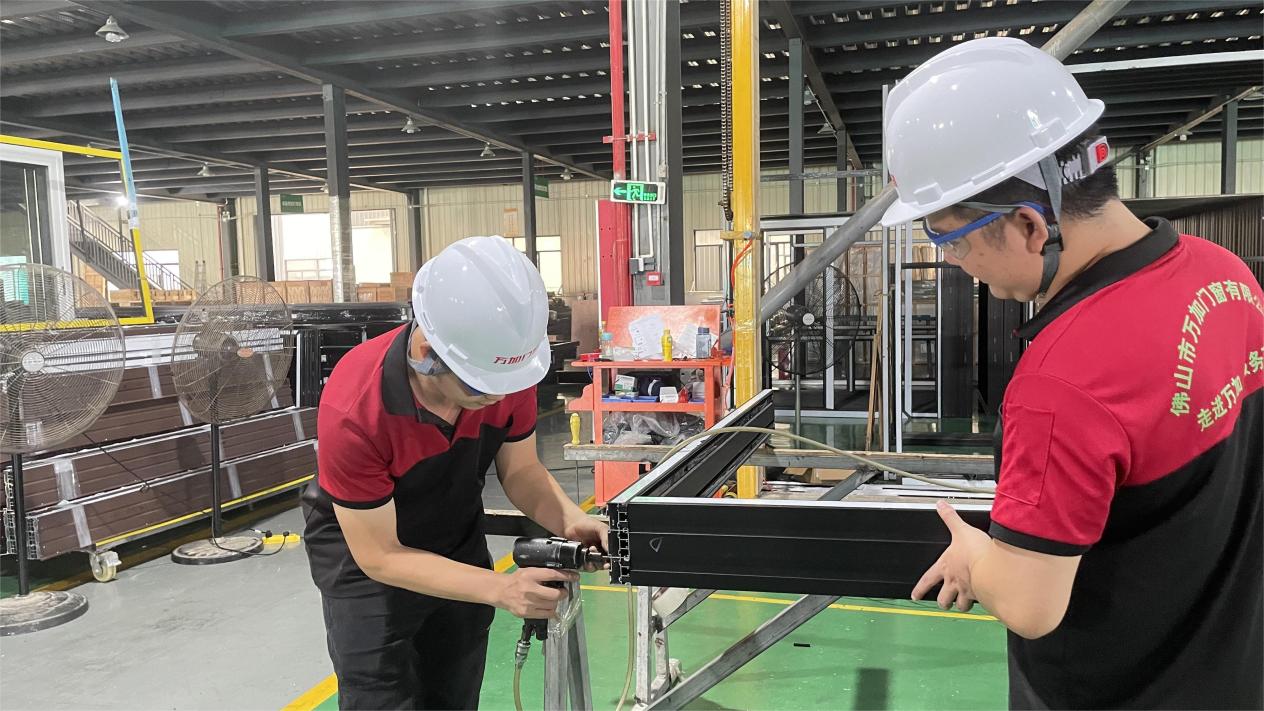
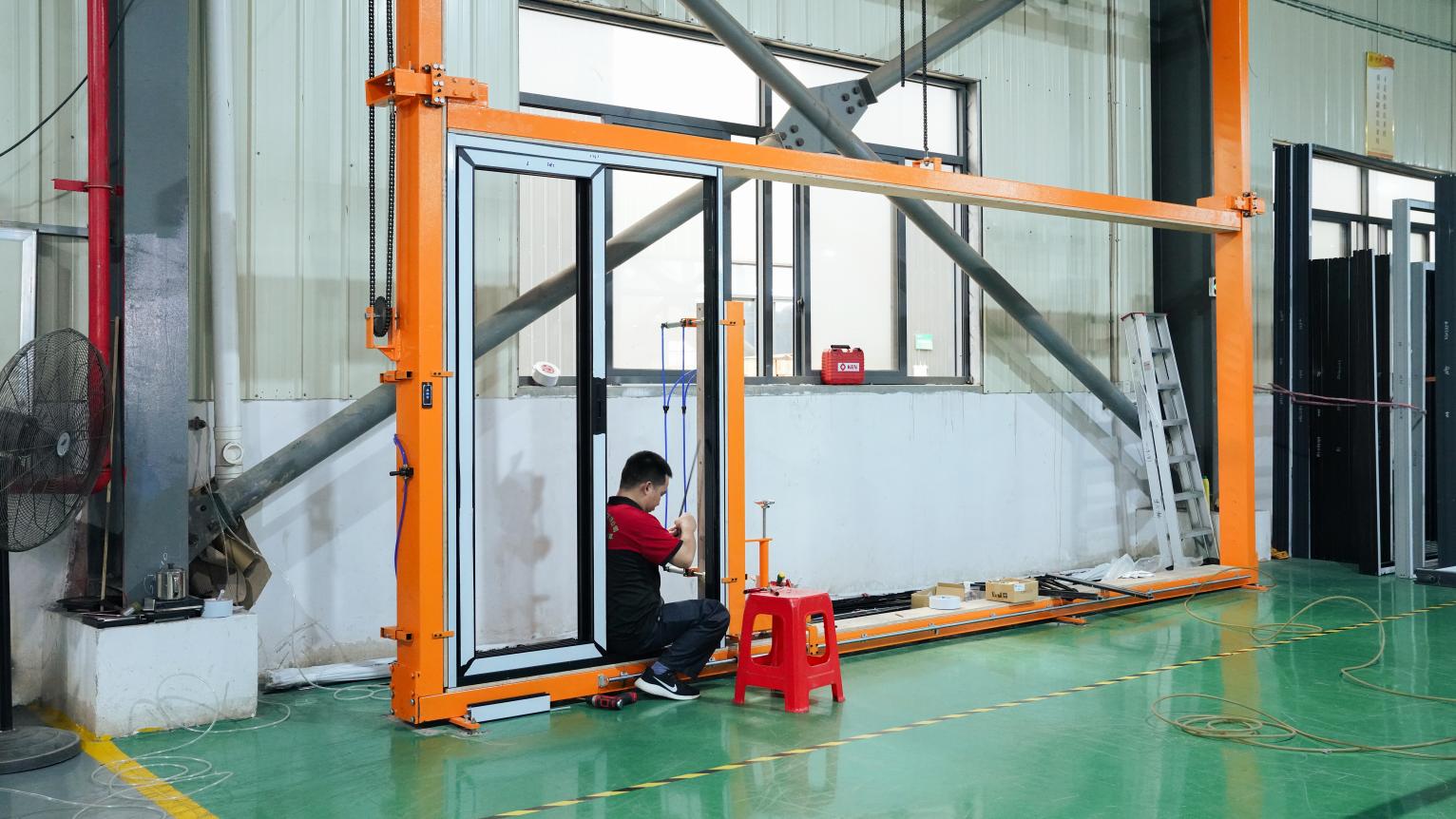
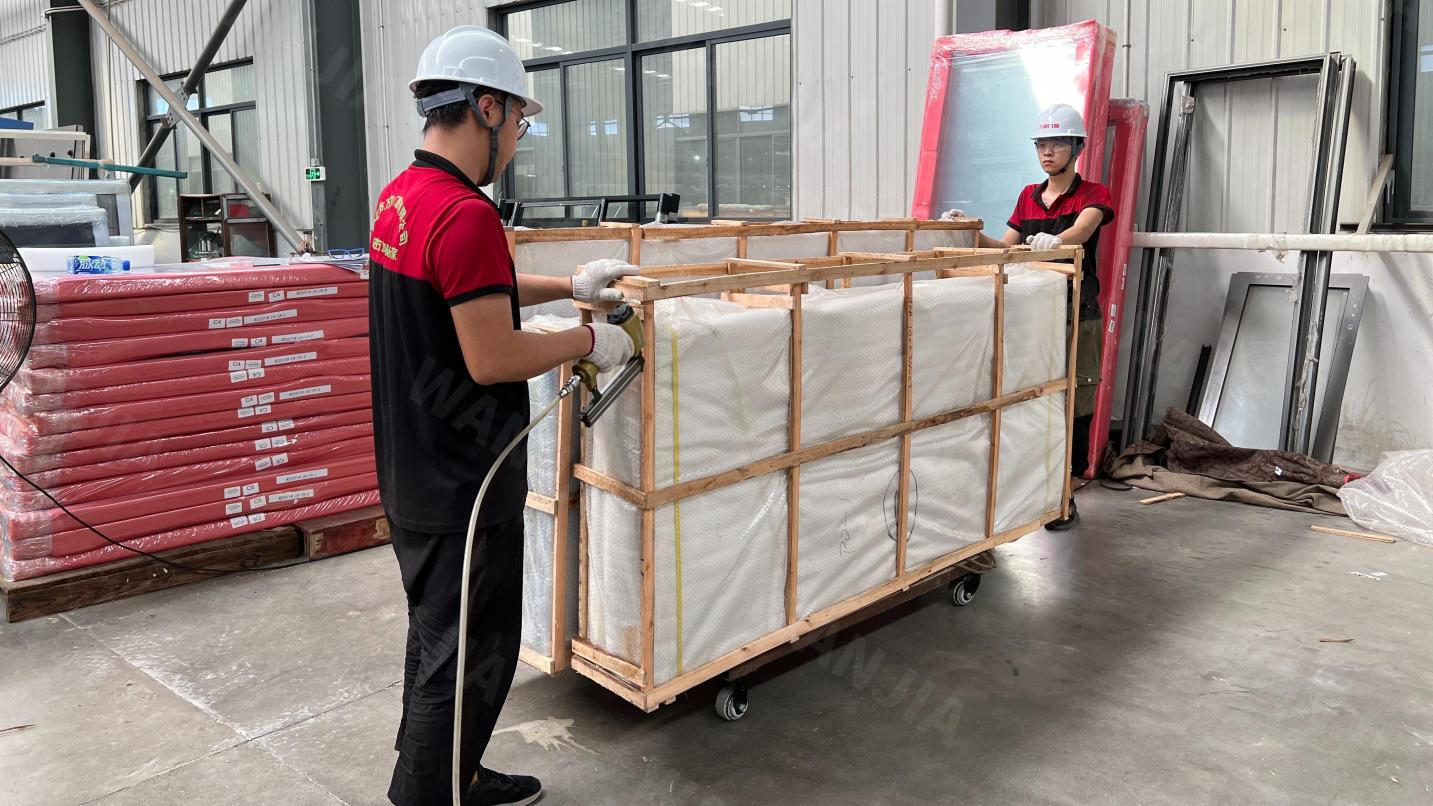
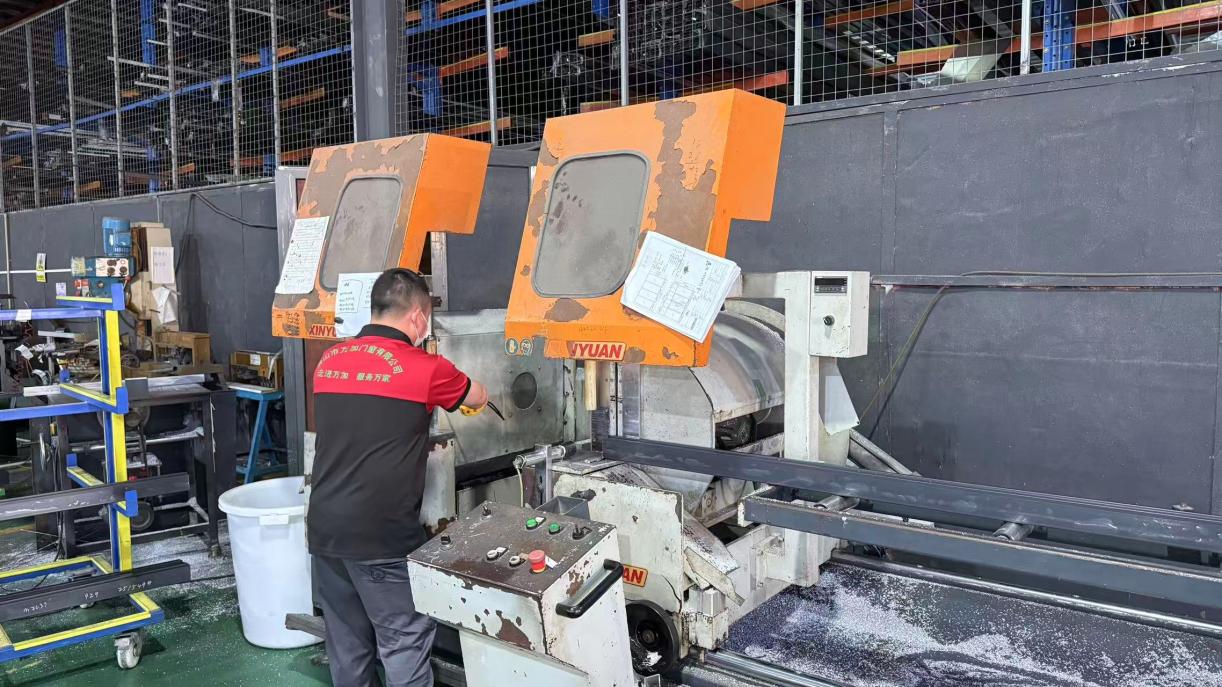
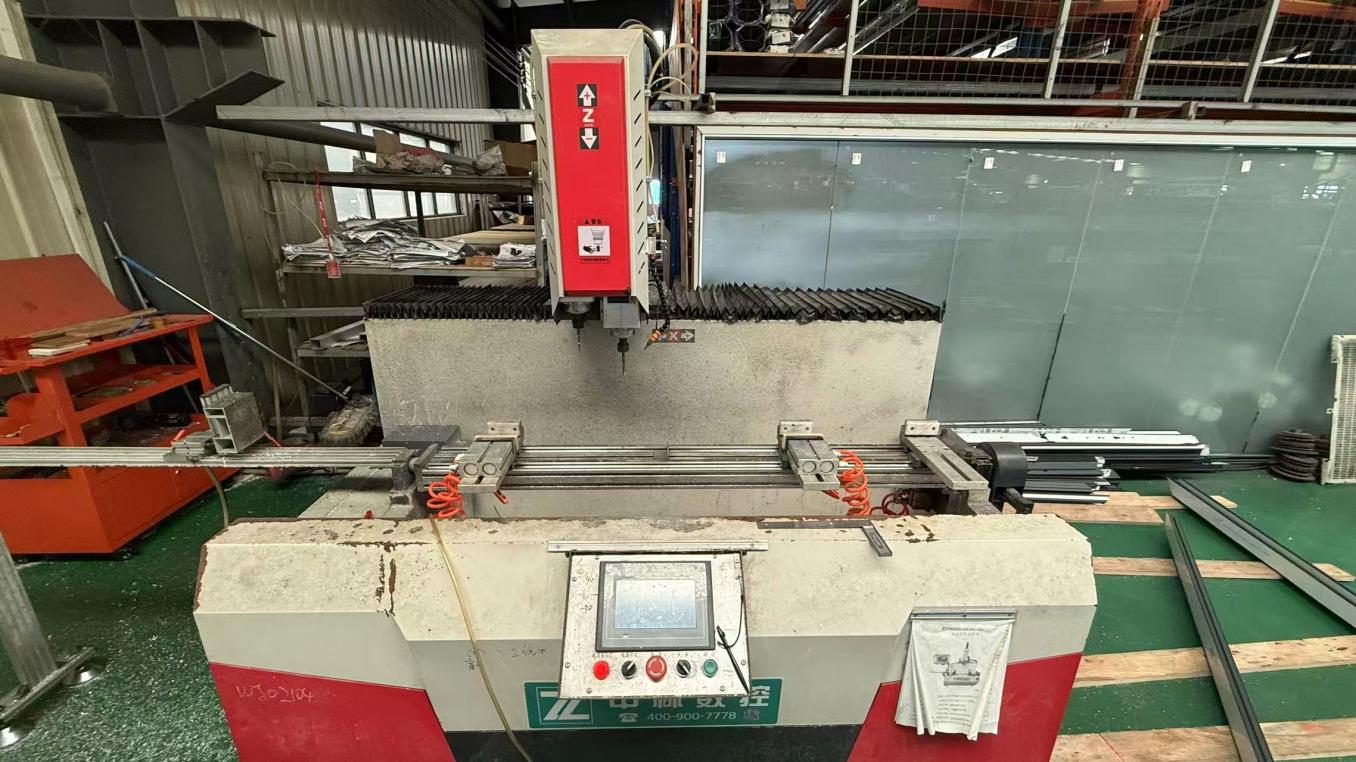
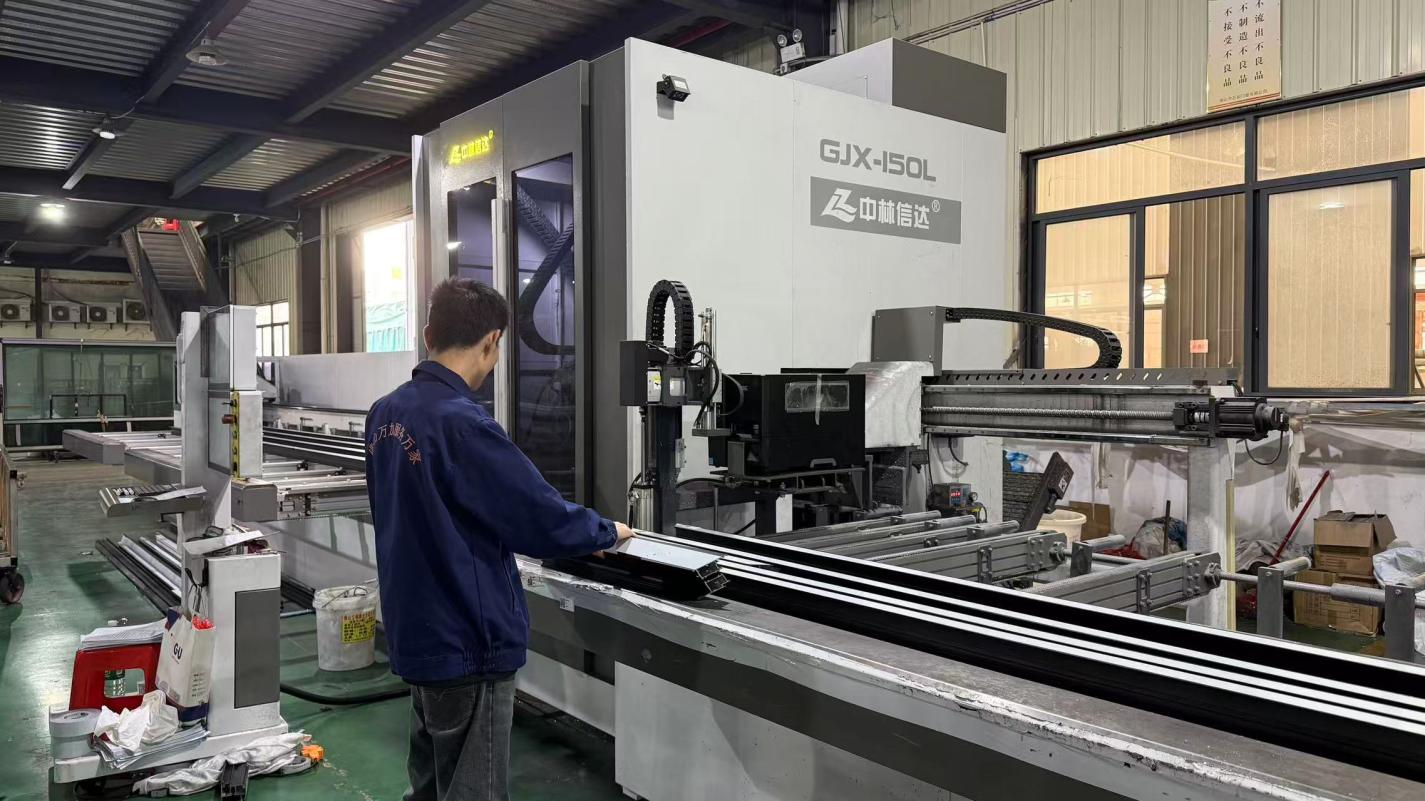
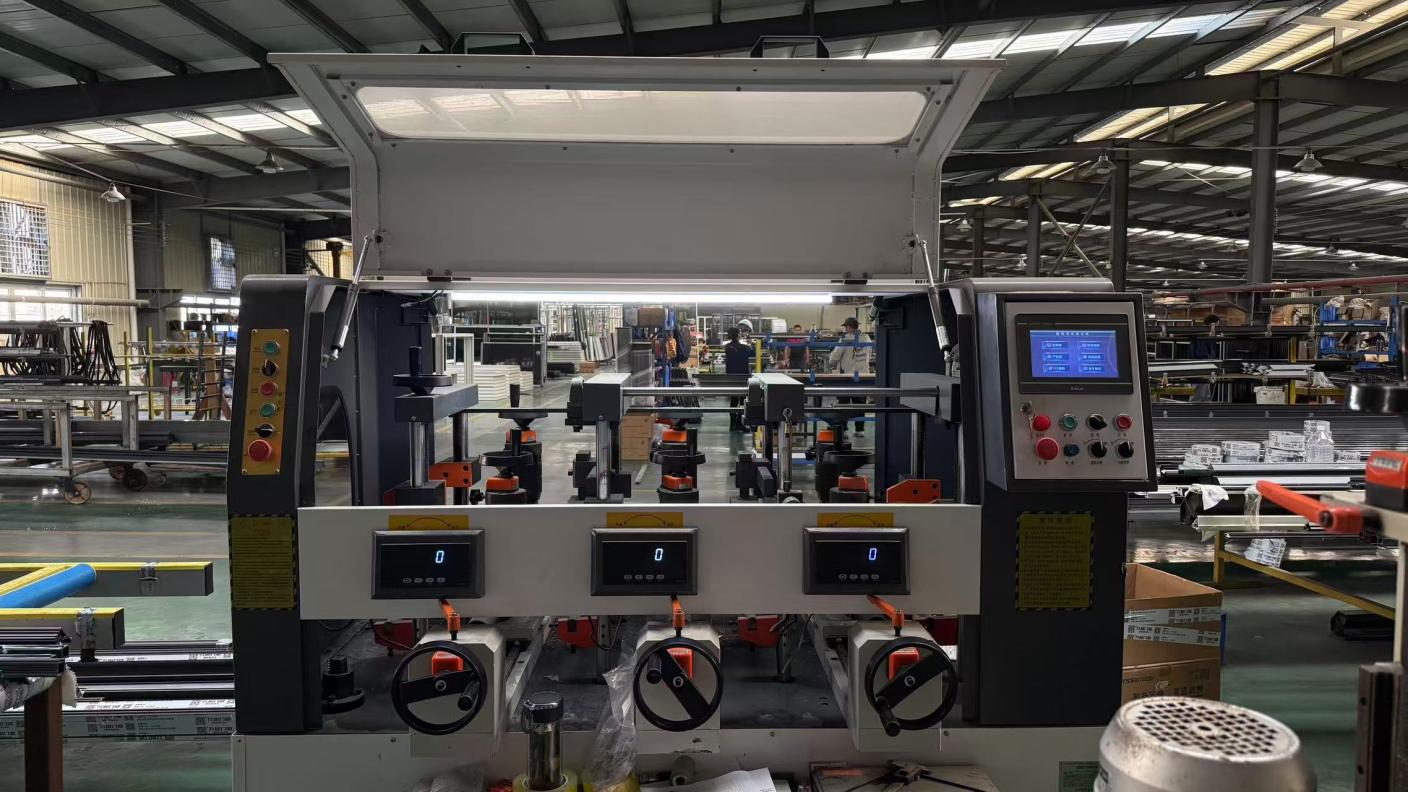
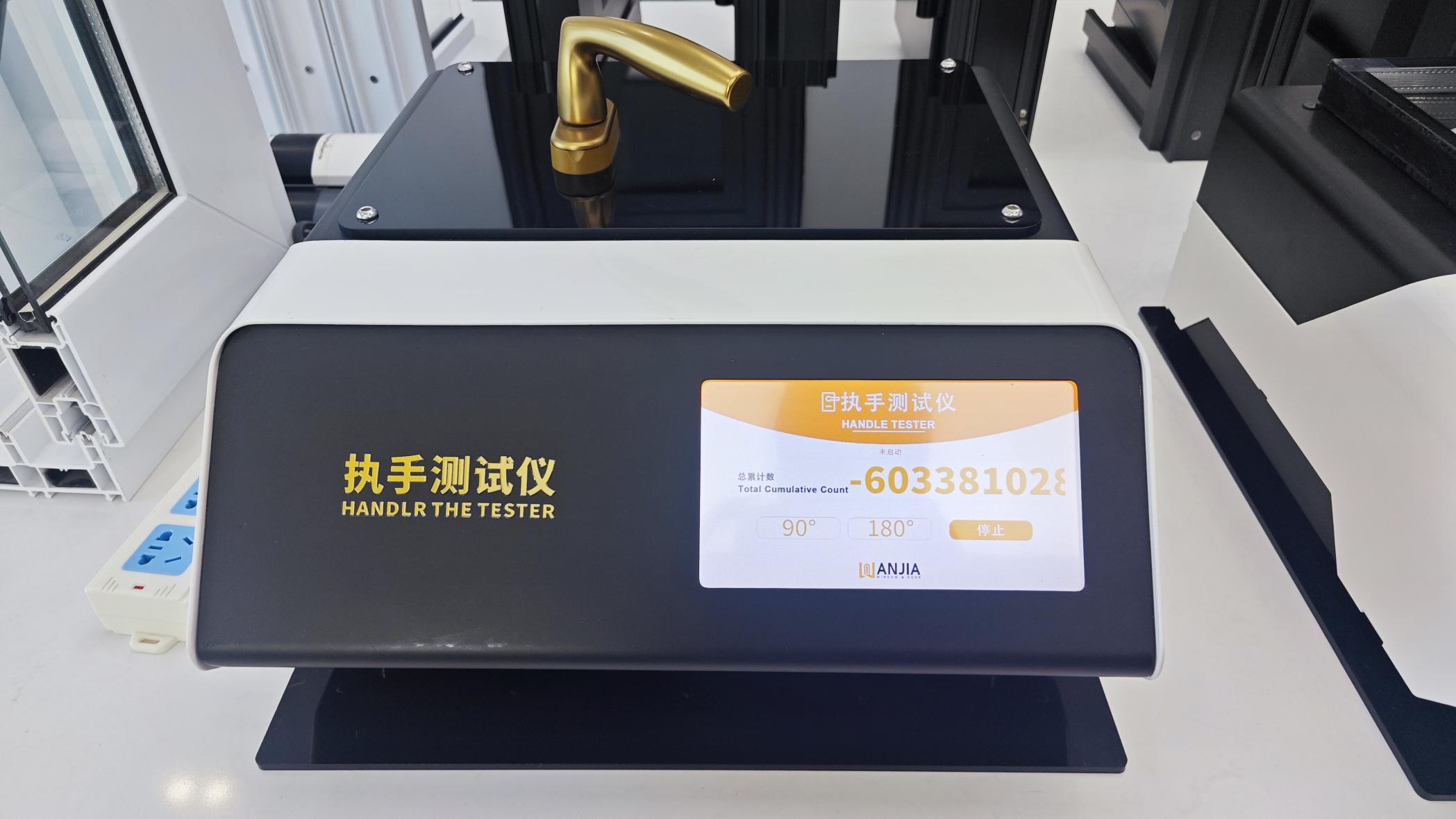
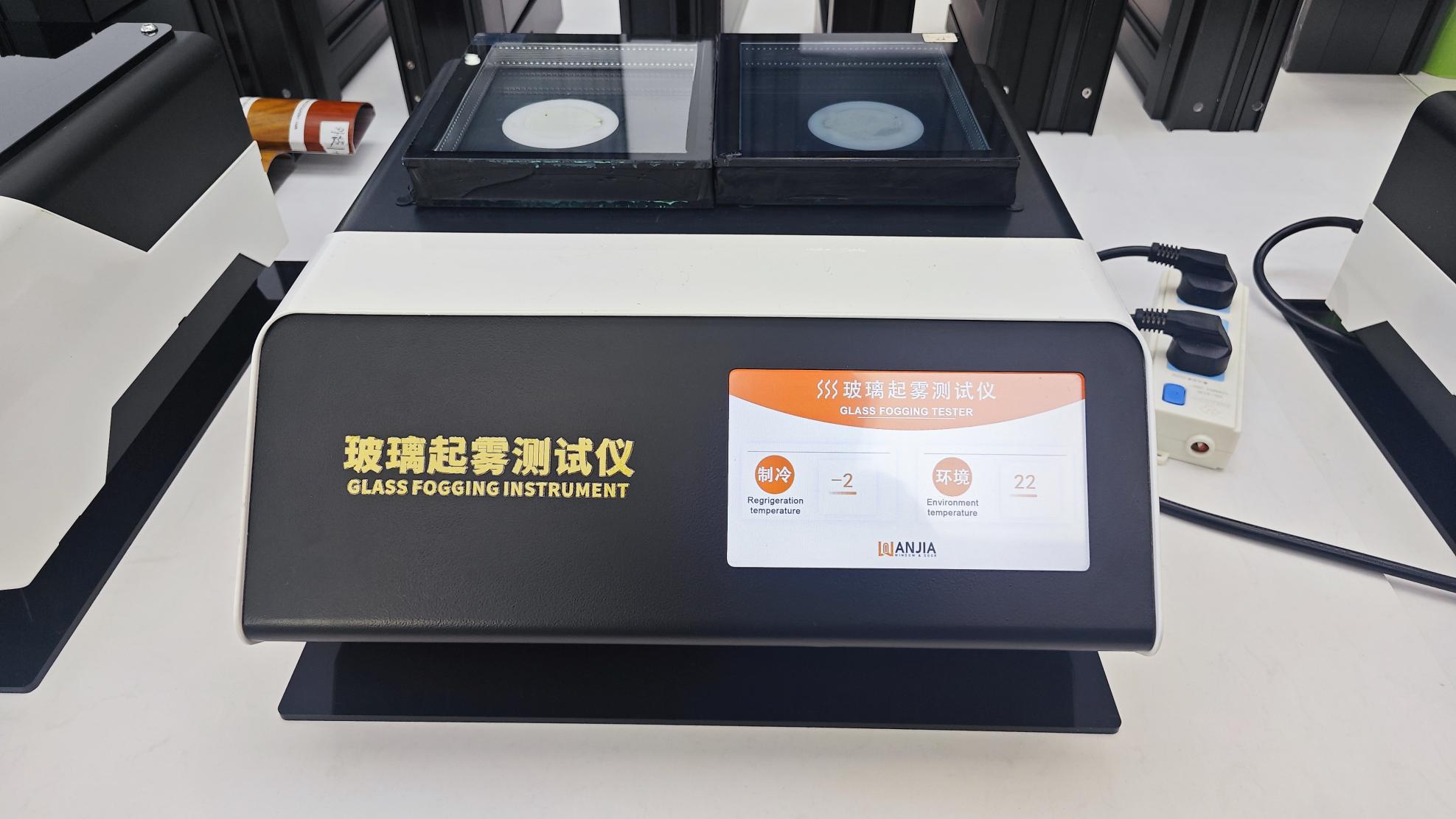
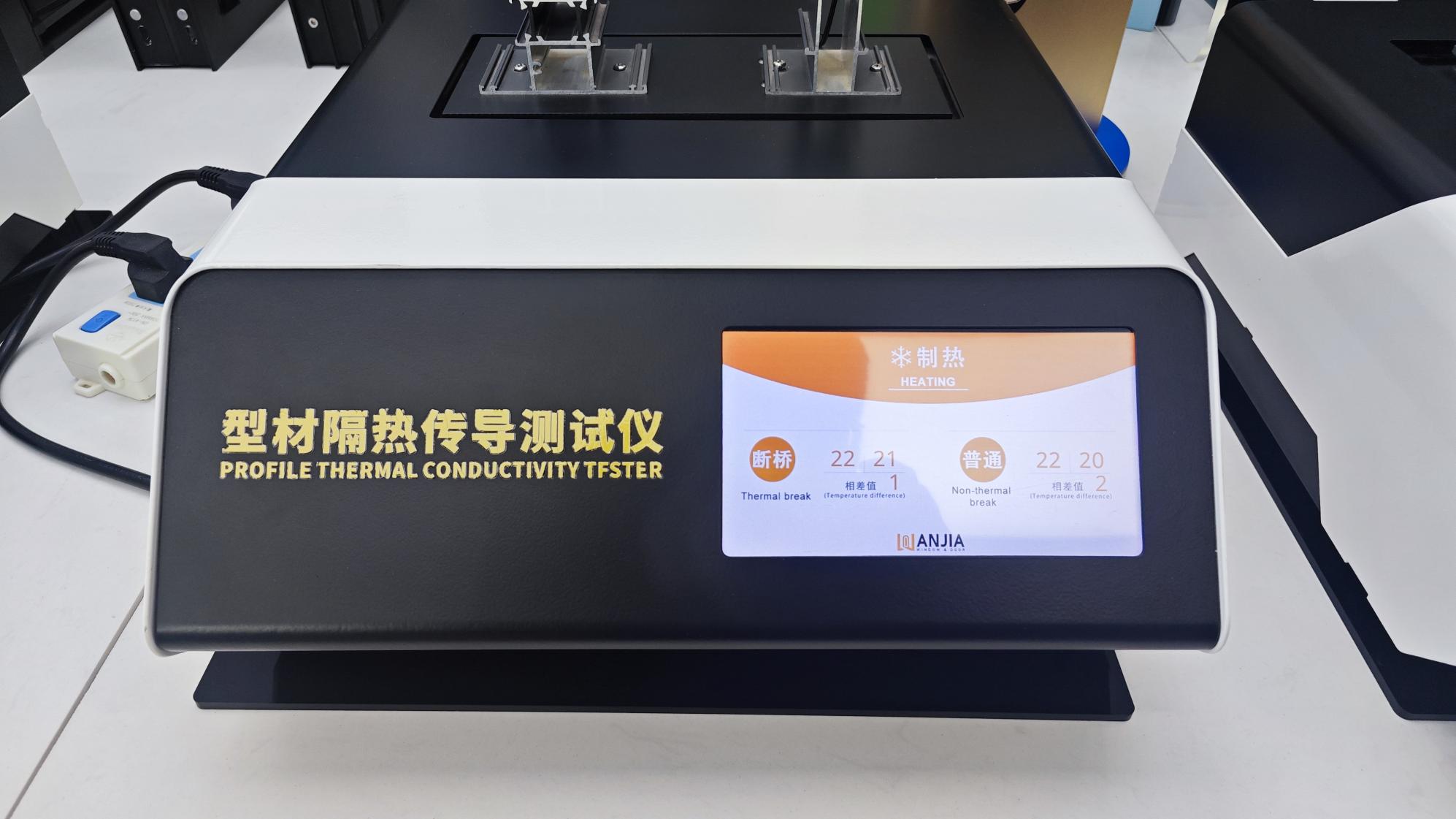
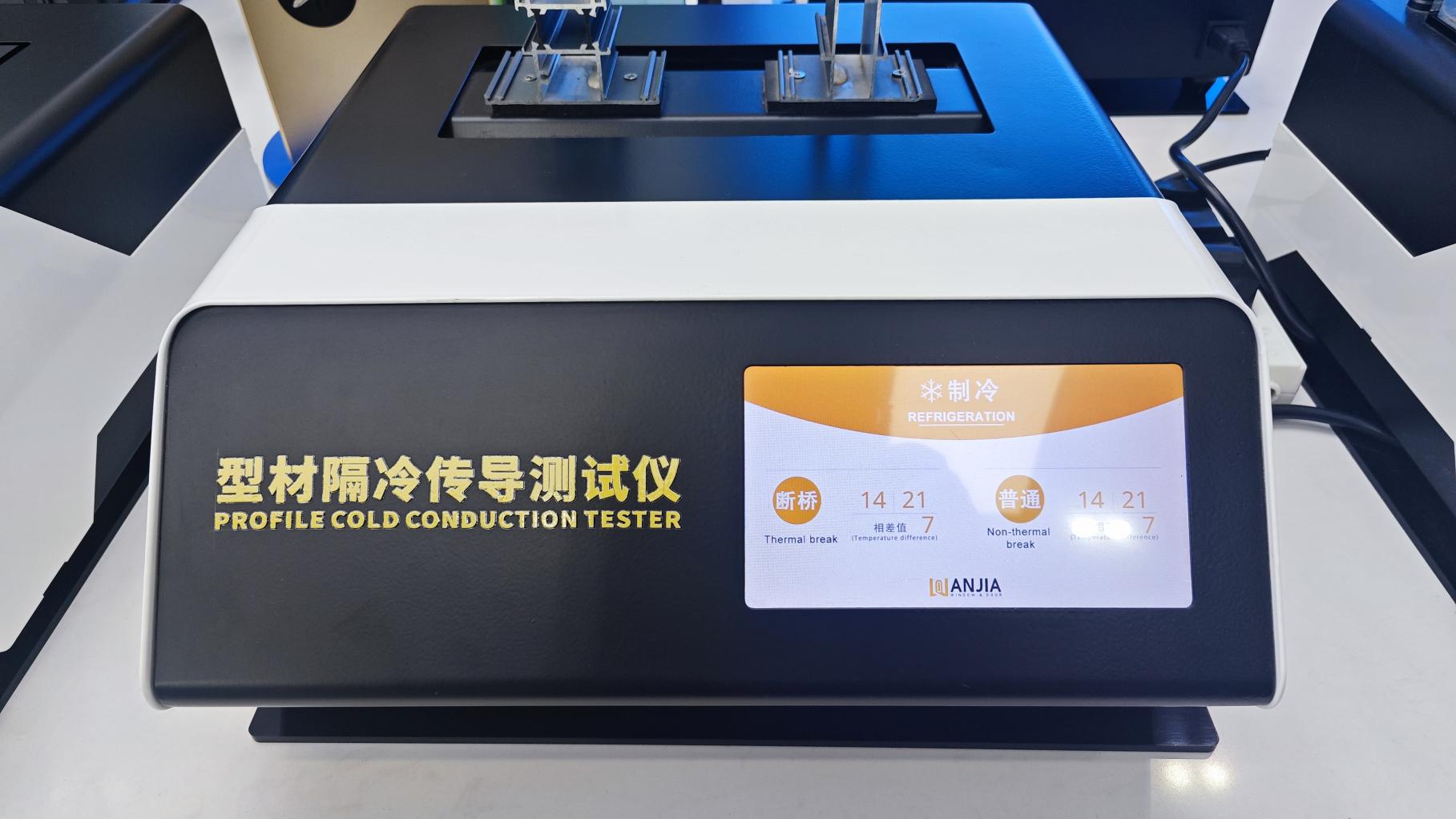
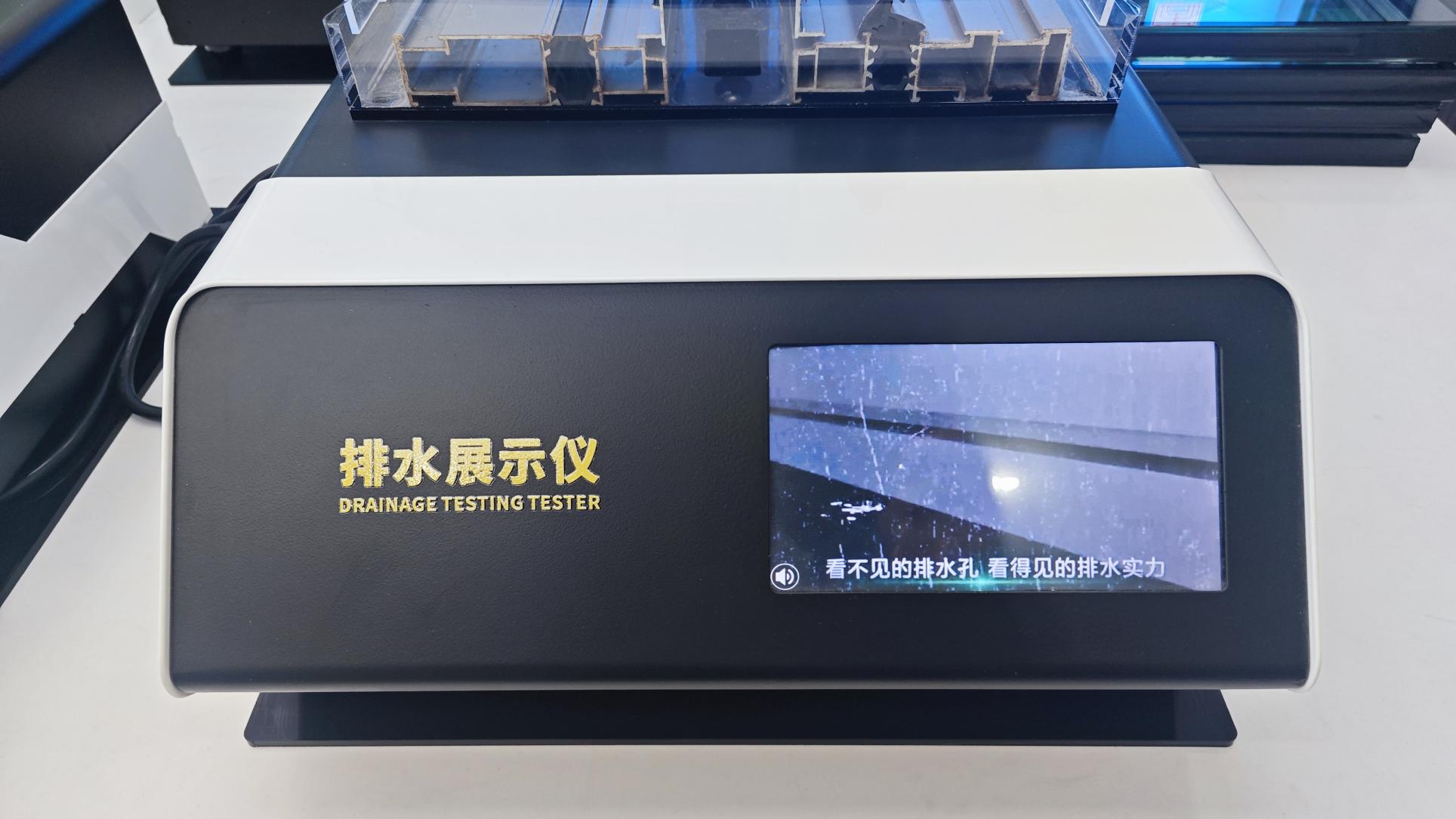
Every window series undergoes mandatory empirical testing to verify water resistance, air permeability, dynamic wind pressure, and thermal insulation conductivity.
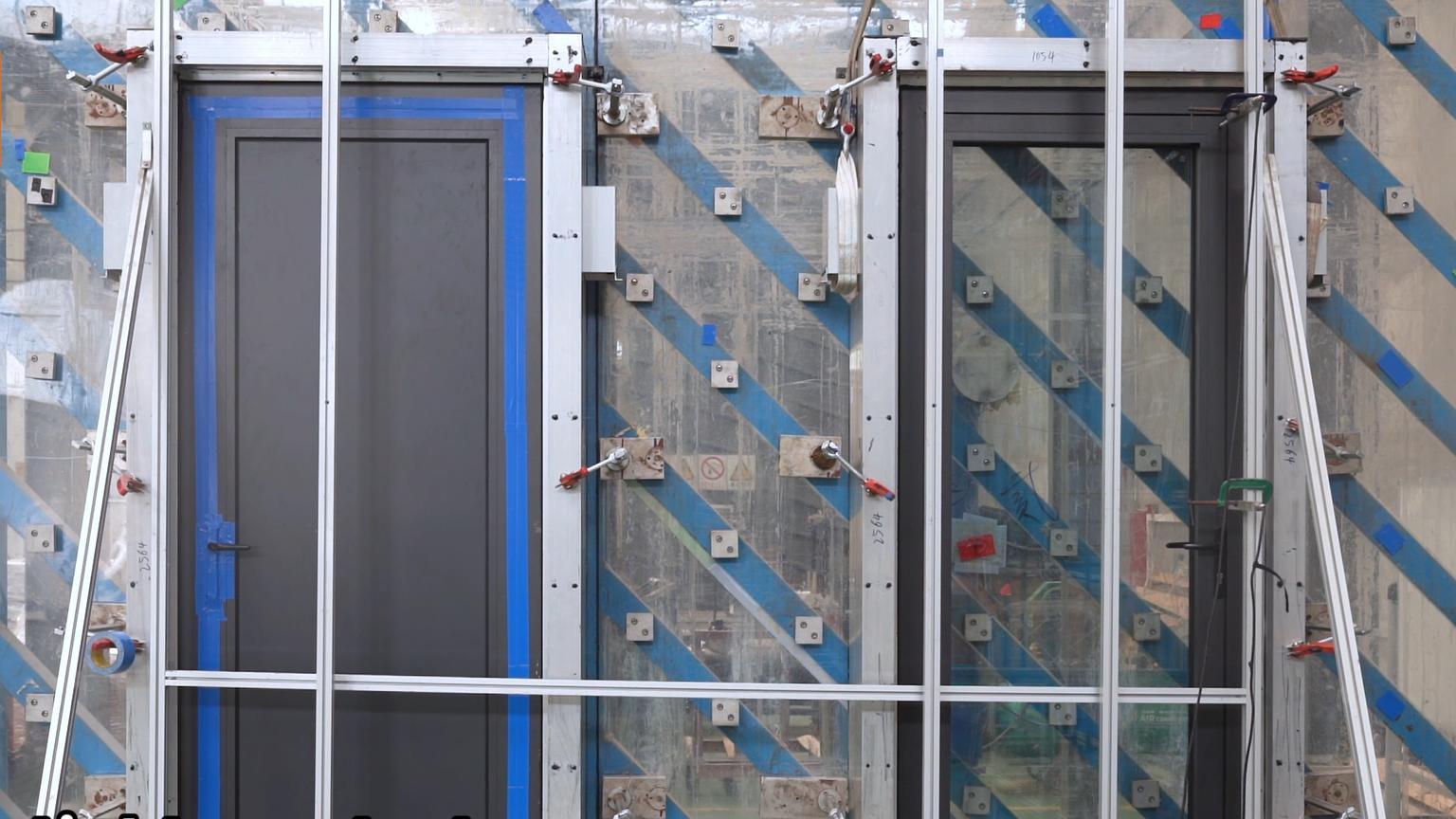
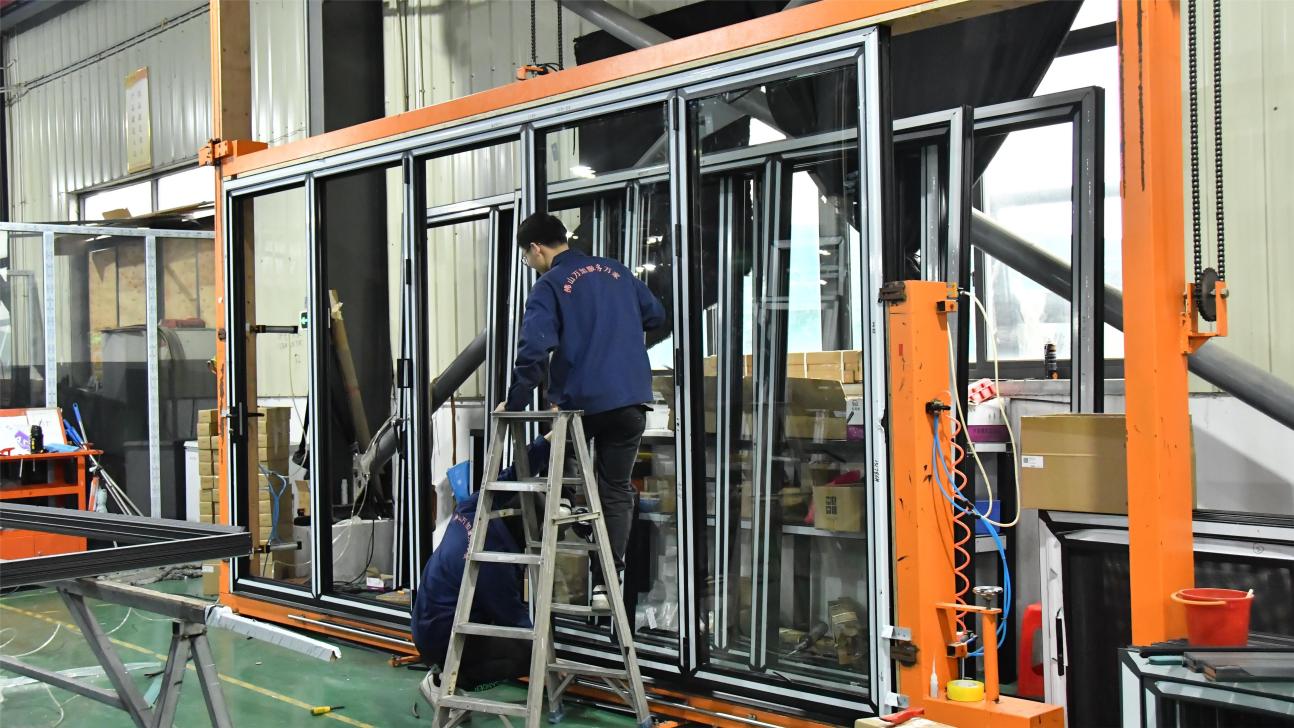
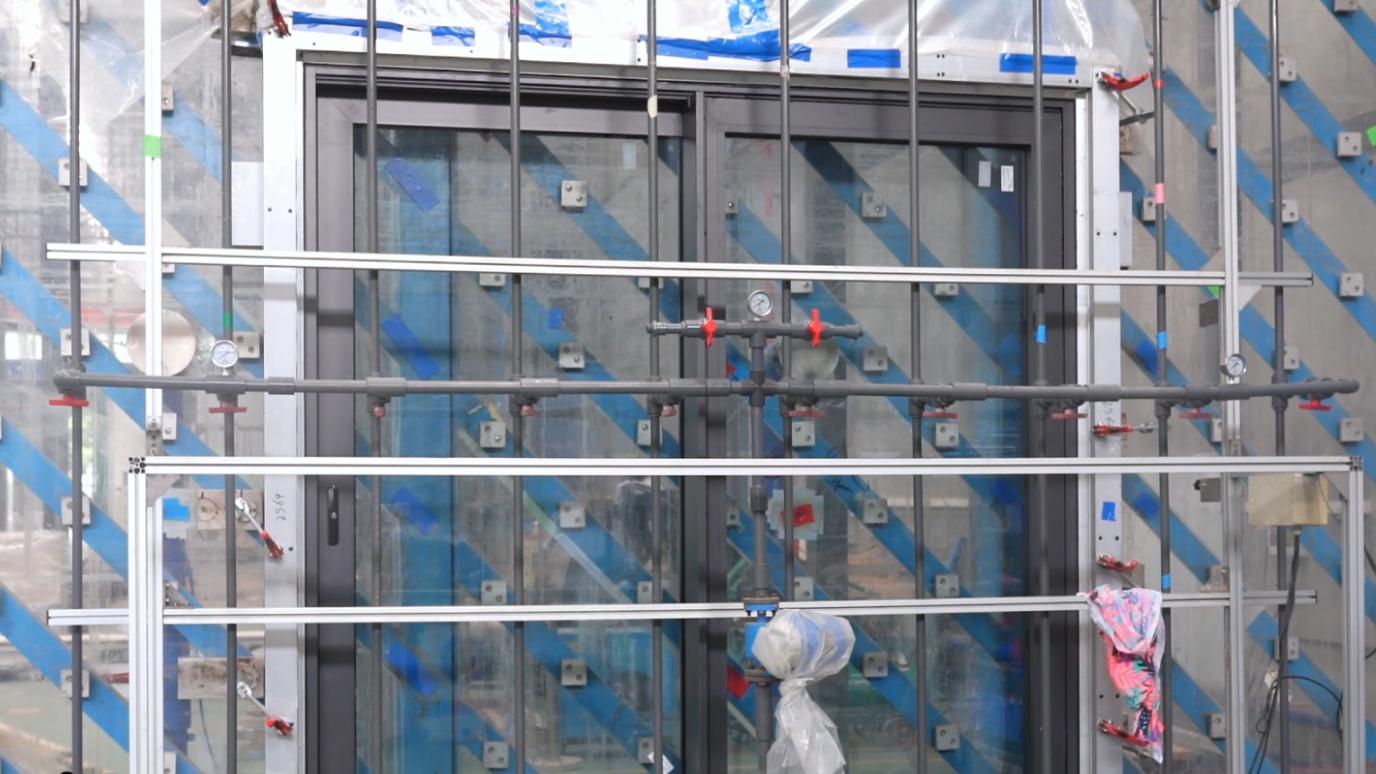
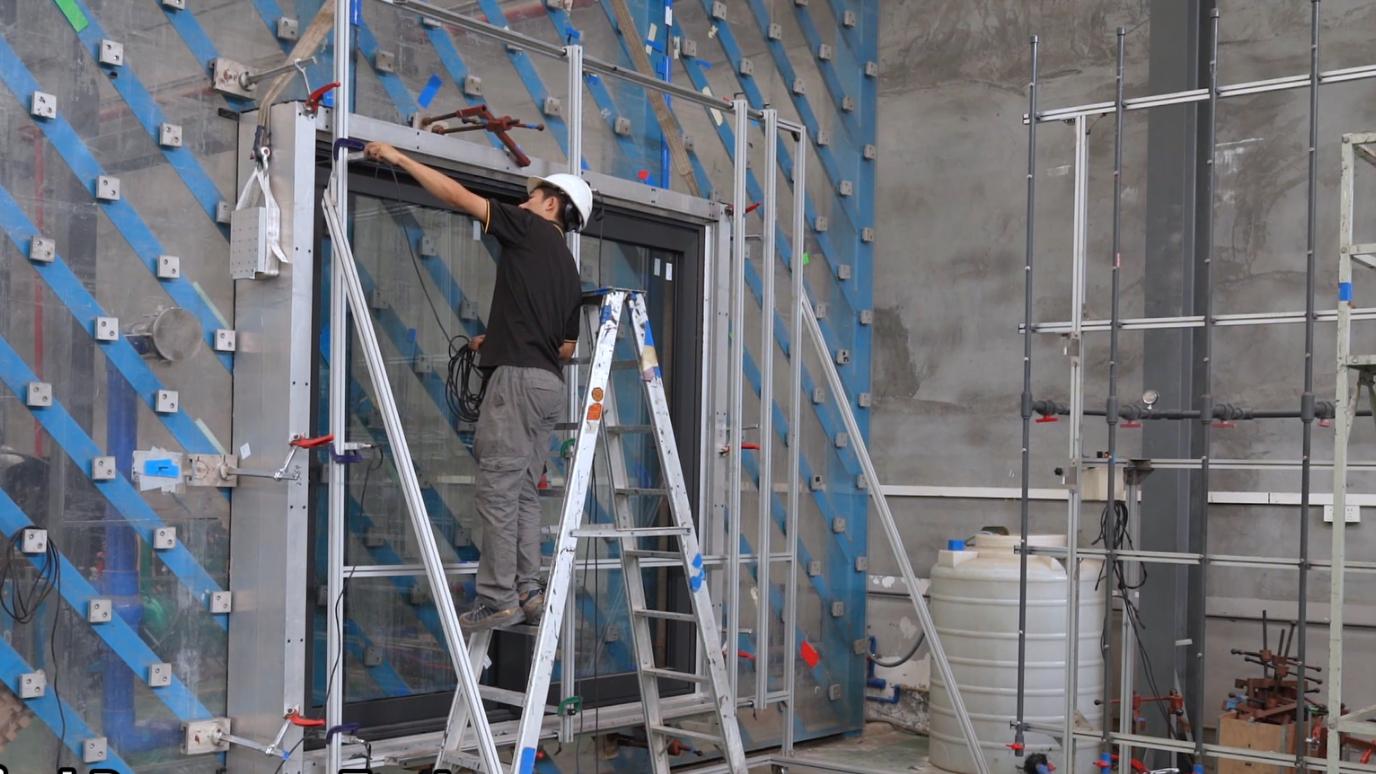
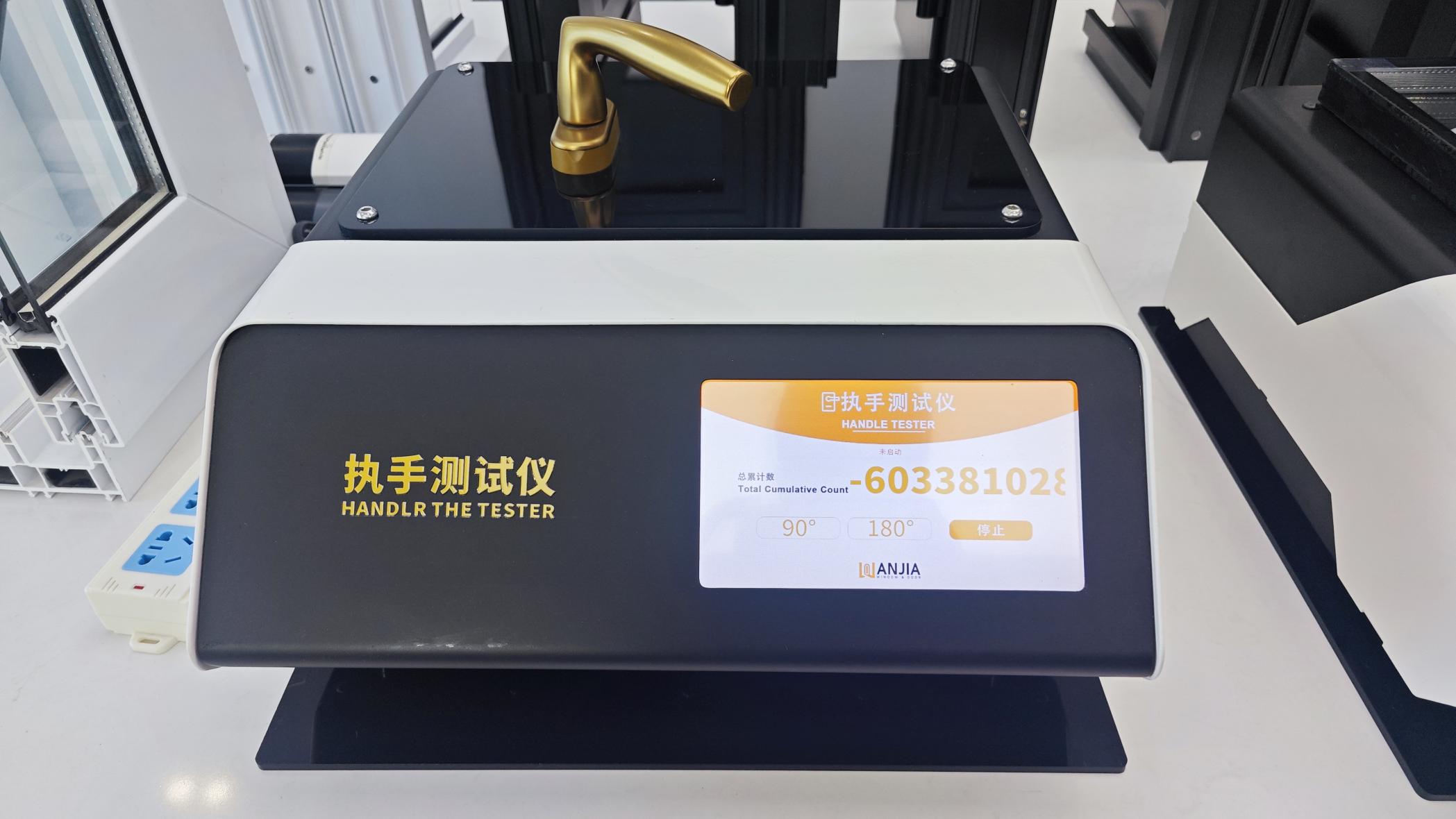
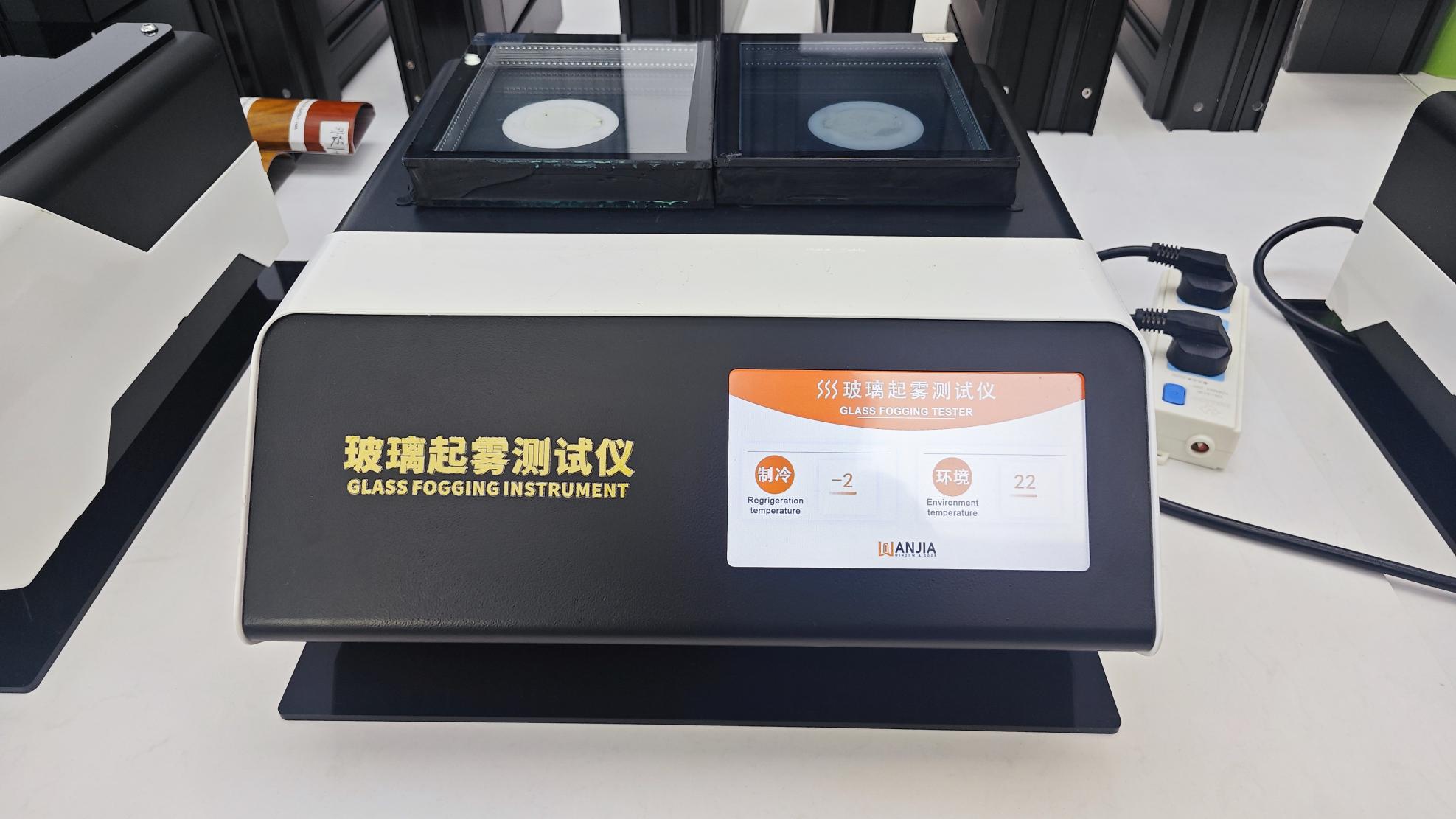
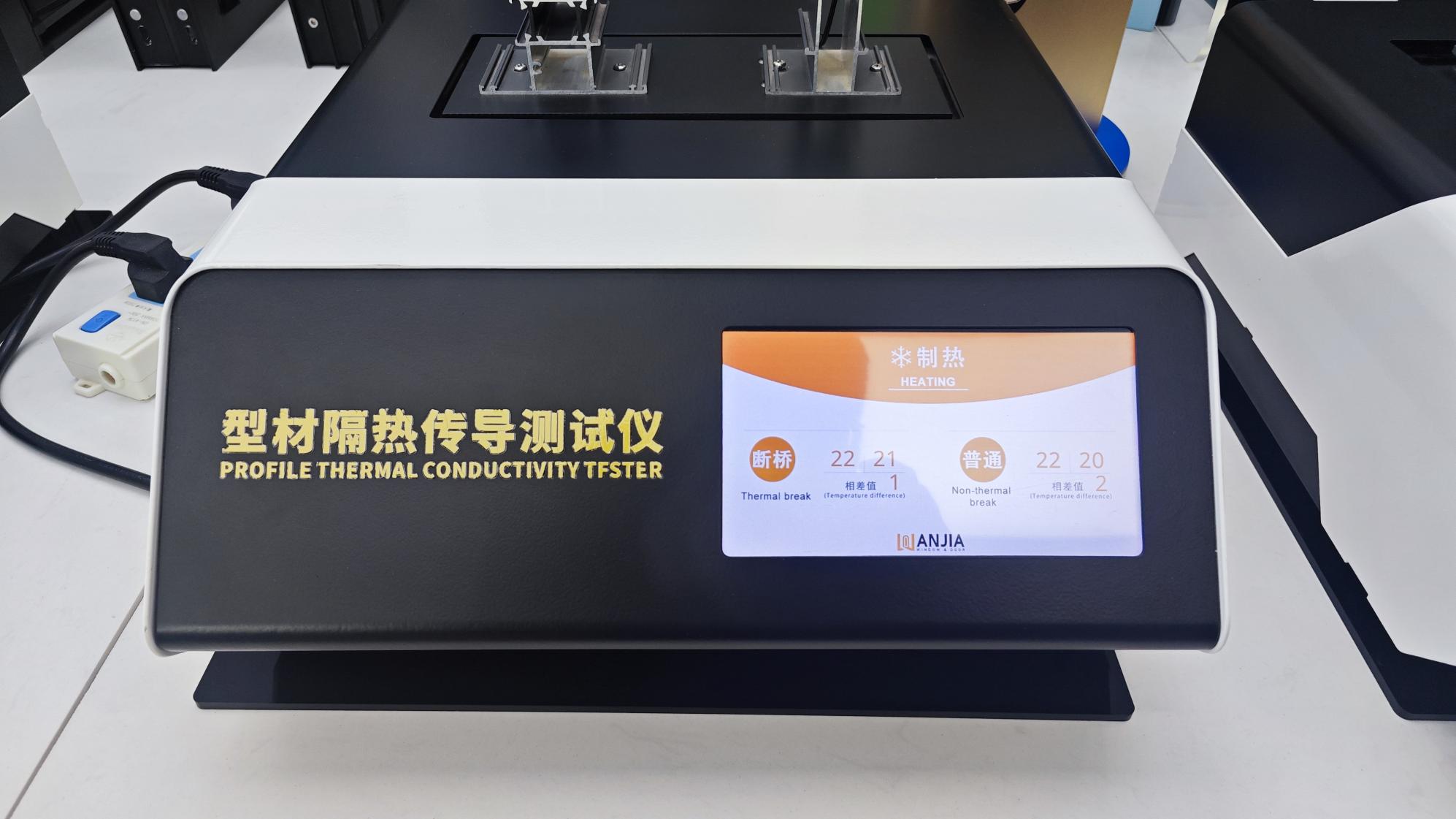
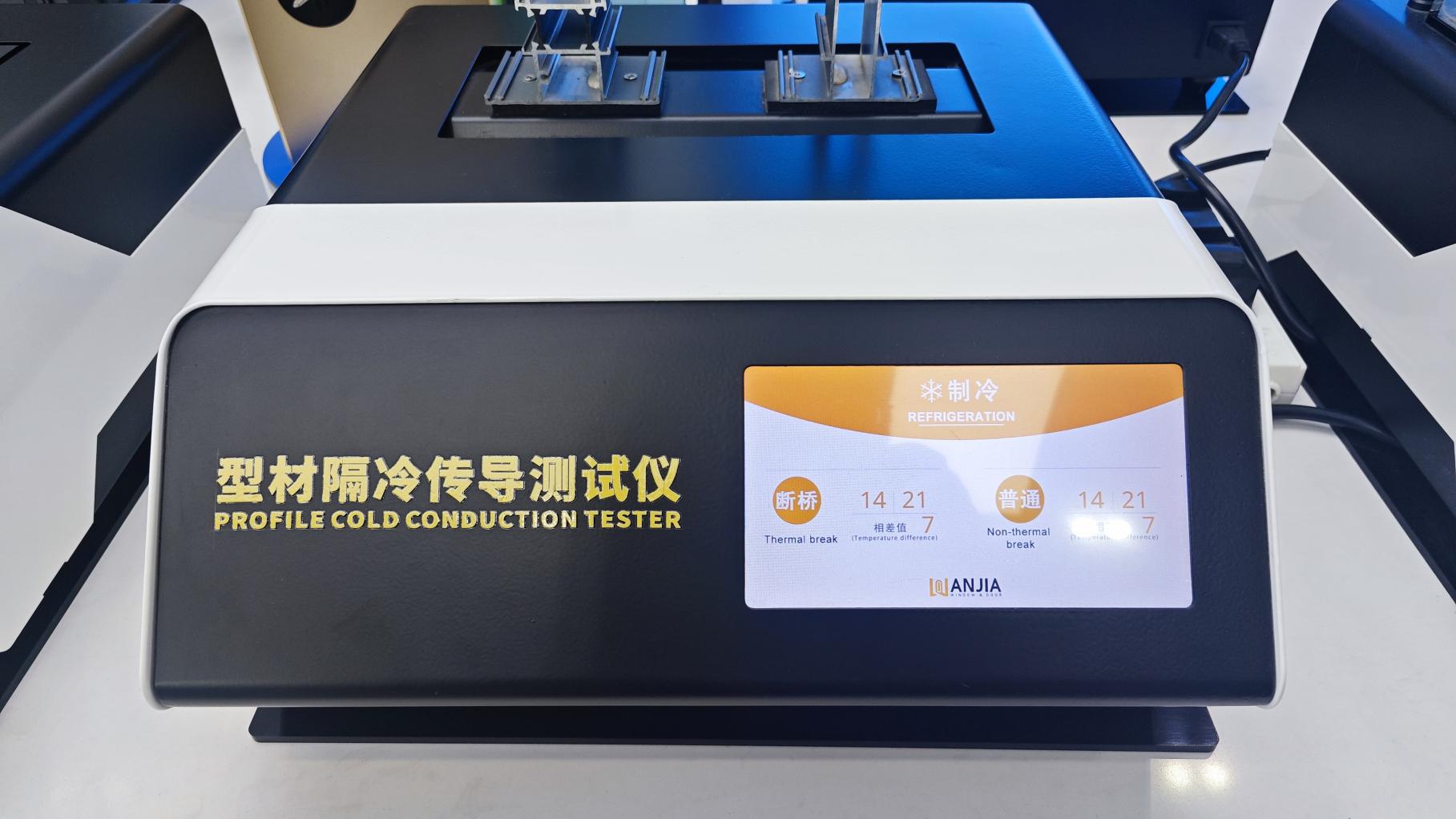
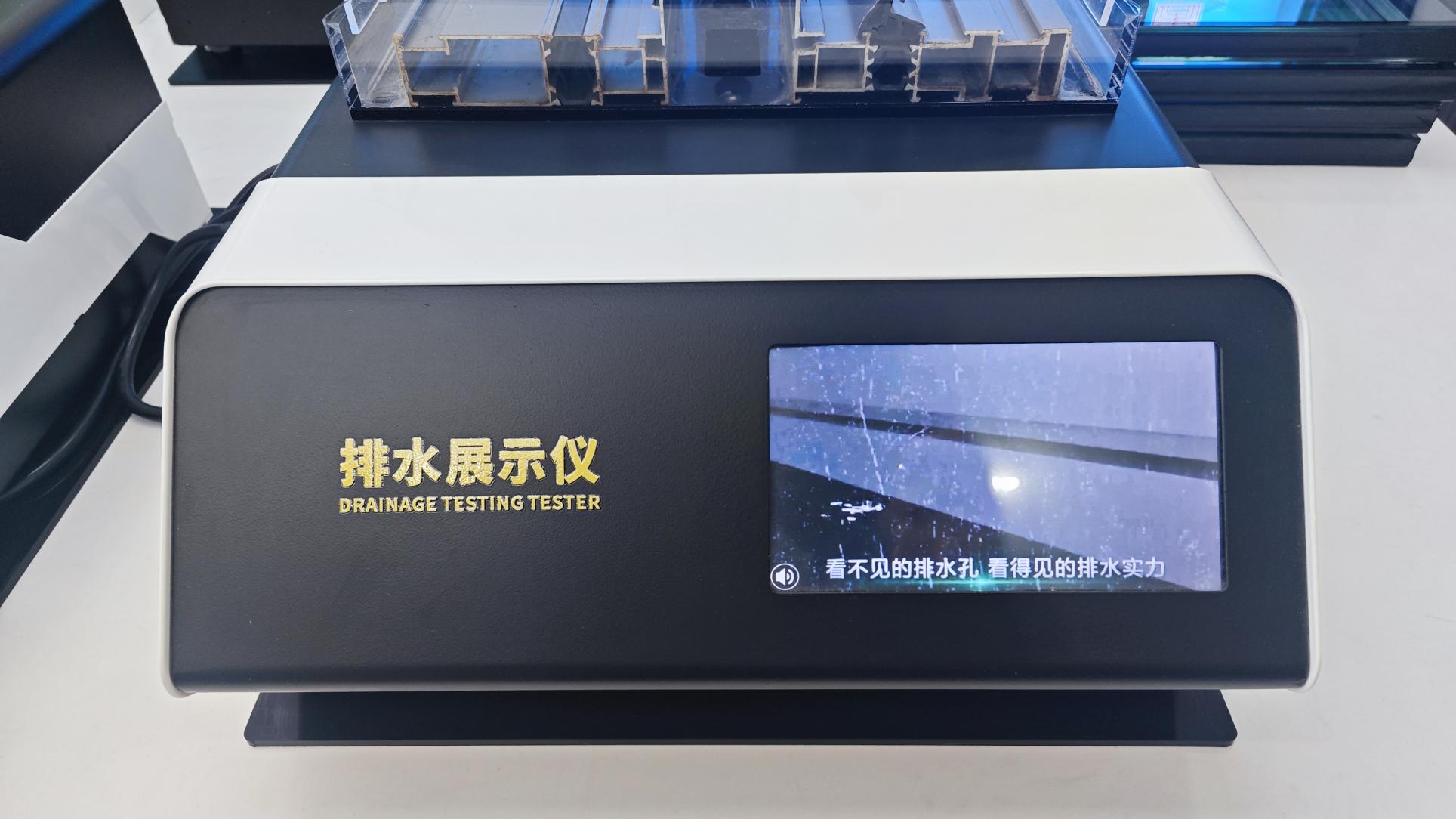
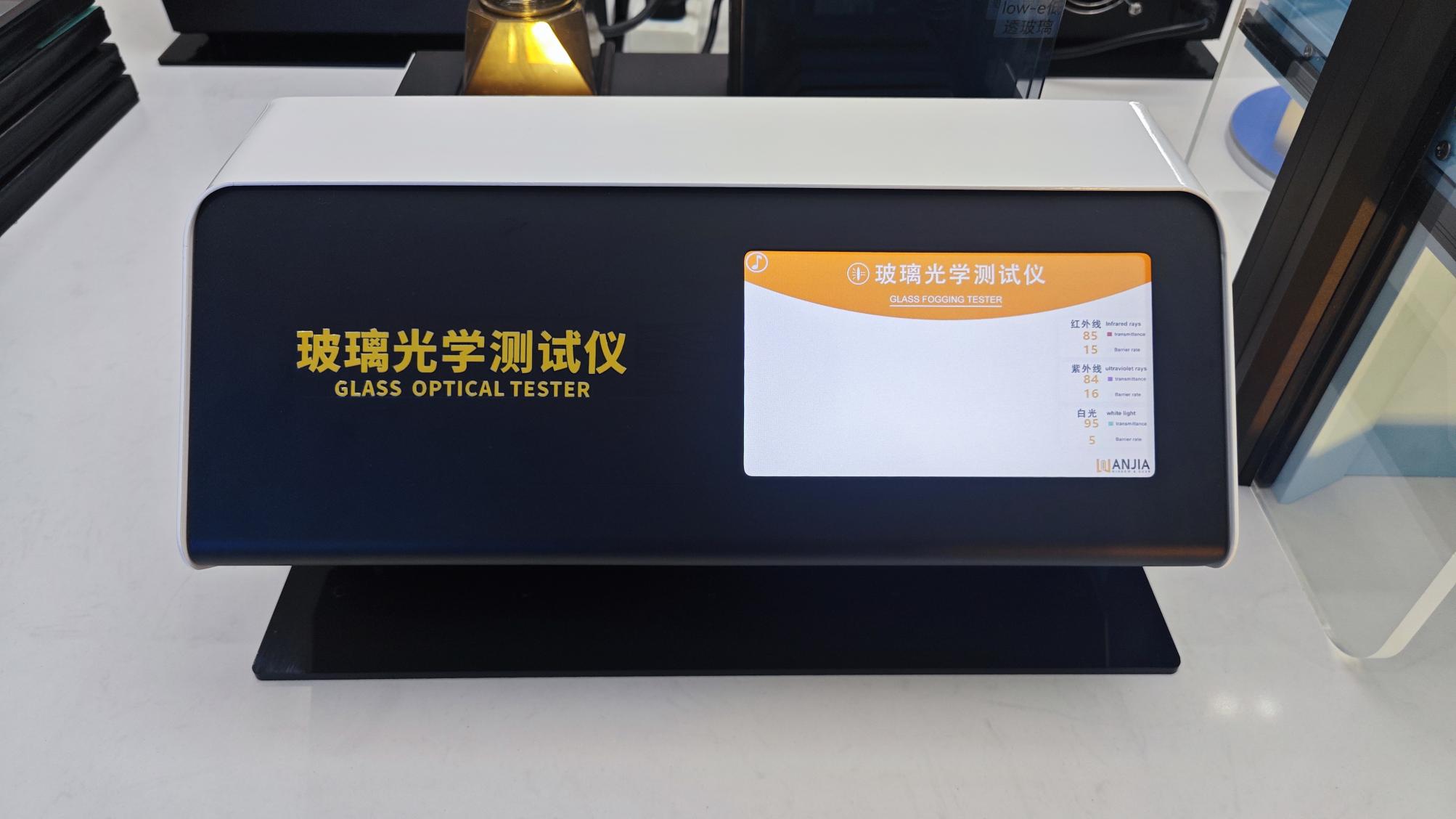
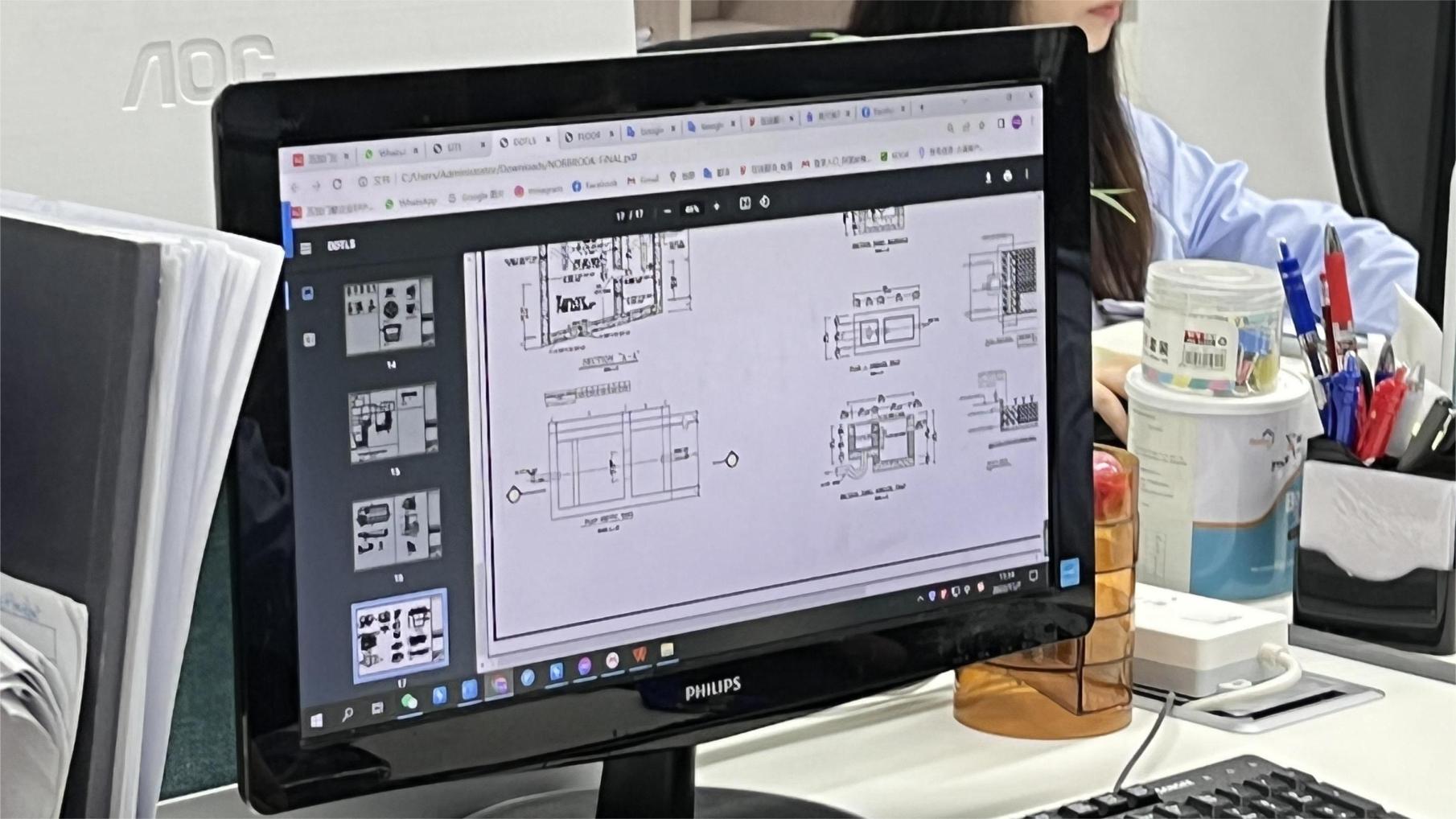
How our 48 engineers transform architectural vision into certified fenestration hardware through custom CAD drafting, dynamic prototyping, and strict material physics testing.
Tailored aluminum fenestration assemblies engineered specifically for harsh geographic conditions and distinct regional architectural mandates.
Designed for Florida beach houses and Caribbean resorts facing salt-fog corrosion and tropical storms. Featuring 316 Marine-Grade Stainless Steel hardware, fluorocarbon powder coating resistant to 3,000 hours of continuous salt spray (ASTM B117), and heavy-gauge laminated impact glass rated for Miami-Dade NOA standards.
Targeted for North American Title 24 and European Low-Carbon directives. Incorporates multi-cavity thermal break extrusions, triple Low-E argon-filled glazing with warm-edge spacers, achieving structural air-tightness levels below 0.05 cfm/ft² and superior U-factors (<0.16 BTU/h·ft²·°F).
High acoustic insulation systems for urban boutique hotels and luxury apartments. Utilizing multi-point concealed locking mechanisms and acoustic laminated glazing configurations that deliver STC (Sound Transmission Class) ratings above 45 dB, keeping street noise out.
How smart technologies and zero-carbon material science are redefining the future of commercial and residential aluminum windows.
Integration of dynamic electrochromic glass that tints automatically in response to solar intensity, combined with building-integrated photovoltaics (BIPV) embedded inside aluminum frames to turn window facades into clean energy generators.
Transitioning from traditional dual/triple argon glazing to 8mm ultra-thin Vacuum Insulated Glass units. VIG eliminates gas convective heat transfer entirely, delivering center-of-glass U-values as low as 0.06 BTU/h·ft²·°F while reducing frame depth by 50%.
Pioneering the use of 100% recycled structural aluminum scrap powered by hydroelectric smelting. Reduces embodied carbon footprint by over 85% per metric ton while preserving full mechanical tensile properties equal to virgin 6063-T6 alloys.
Complete your procurement specs with AS2047, Title 24, Energy Star, and Hurricane-Rated opening systems.
Critical structural, certification, and logistics guidance for overseas developers, hardware distributors, and architectural contractors.
 ArmorSafe Doors