Explore our flagship series of thermally broken, impact-resistant, and precision-engineered aluminum casement windows designed for luxury residential projects, commercial towers, and severe weather zones globally.
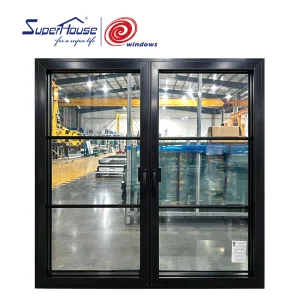
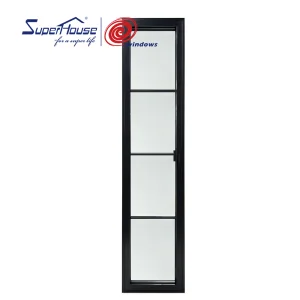
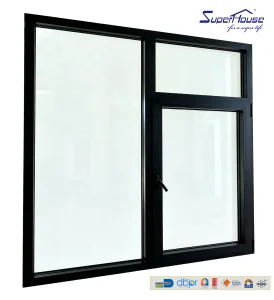
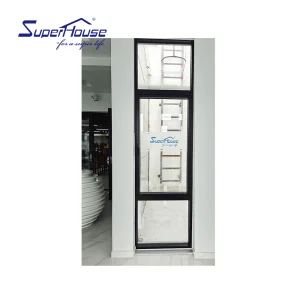
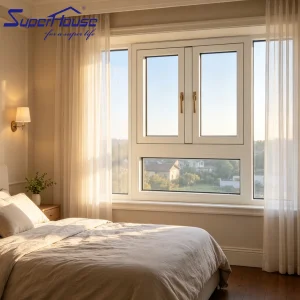
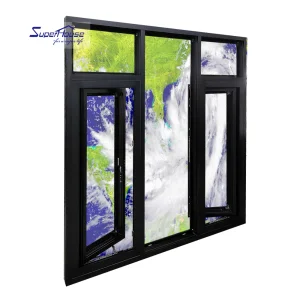
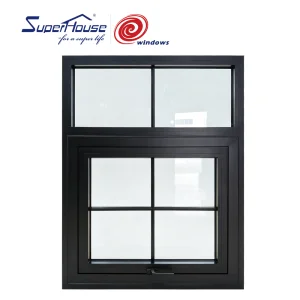
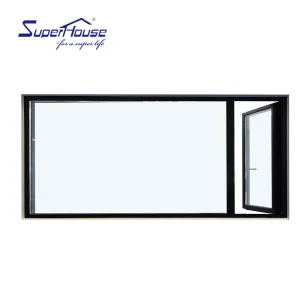
In contemporary architectural design, structural envelope engineering has transitioned from passive spatial containment to active climate control and energy conservation. High-performance aluminum casement windows stand at the forefront of this evolution. As global building codes tighten—spurred by initiatives such as California Title 24, the European Union's Nearly Zero-Energy Buildings (NZEB) directive, and Florida’s High-Velocity Hurricane Zone (HVHZ) requirements—the demand for precision-engineered aluminum casement systems has grown exponentially.
Modern aluminum extrusions utilize high-density Polyamide (PA66 GF25) thermal breaks. Unlike traditional aluminum profiles that conduct thermal energy rapidly, thermal-break designs decouple inner and outer profile chambers, reducing overall heat transfer (U-factor) down to ≤ 0.24 BTU/hr·ft²·°F while retaining structural yield strength surpassing 220 MPa.
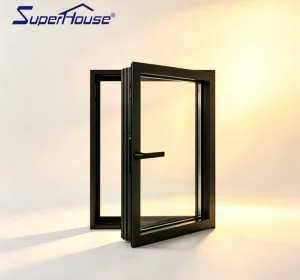
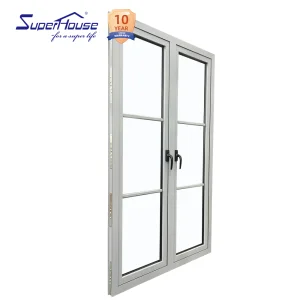
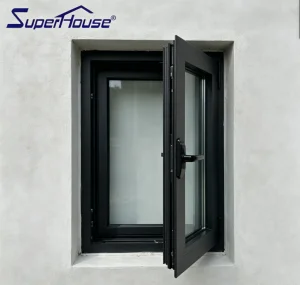
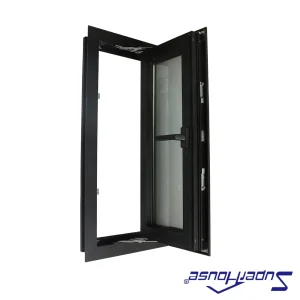
Casement windows leverage a compression seal mechanism. Under severe wind loads, positive wind pressure pushes the sash directly against the weatherstripping frame, enhancing air tightness and water tightness. This mechanical advantage makes outswing and inswing casement configurations superior to sliding systems in coastal and hurricane-prone zones.
Urban noise pollution demands structural acoustic attenuation. By pairing multi-chamber aluminum extrusions with asymmetric double or triple laminated glass units (IGU), modern casement windows achieve Sound Transmission Class (STC) ratings up to 45 dB, effectively insulating indoor environments from high-frequency municipal and industrial acoustics.
Below is a detailed engineering matrix highlighting the structural, thermal, and optical benchmarks executed across our commercial and residential aluminum casement window manufacturing lines.
| Performance Indicator | Testing Standard / Specification | Achieved Engineering Value | Application Target |
|---|---|---|---|
| Thermal Transmittance (U-Value) | NFRC 100 / ASTM C1363 | 0.20 - 0.26 BTU/h·ft²·°F (1.1 - 1.5 W/m²K) | Passive House, Cold Climates, Energy Star |
| Solar Heat Gain Coefficient (SHGC) | NFRC 200 | 0.18 - 0.35 (Customizable Low-E Coatings) | California Title 24, Tropical & Sunbelt Zones |
| Air Infiltration Resistance | ASTM E283 / AS2047 | < 0.01 cfm/ft² at 1.57 psf (75 Pa) | High-Rise Towers, Commercial Envelopes |
| Water Penetration Resistance | ASTM E331 / AAMA 501 | 15 psf (720 Pa) Static Pressure No Leakage | Coastal Villas, High-Velocity Hurricane Zones |
| Structural Design Pressure (DP) | ASTM E330 / TAS 201, 202, 203 | DP 60 to DP 100 (Miami-Dade NOA Compliant) | Severe Weather & Hurricane Zones (FL HVHZ) |
| Acoustic Rating (STC / OITC) | ASTM E90 / ASTM E1425 | STC 38 - 45 / OITC 32 - 38 | Urban Luxury Apartments, Hotel Suites |
| Structural Alloy Composition | GB/T 5237 / ASTM B221 | 6063-T5 / 6060-T6 High Extrusion Precision Profile | Structural Frames & Heavy-Duty Sashes |
Since 2008, ArmorSafe Entry Door Systems Co., Ltd. has stood as a pioneer in high-security residential and commercial entry doors and window architectural systems. With 18 years of manufacturing background and 10 years of export history, we operate a 22,000 sq ft factory that yields an annual export revenue of $25 million. Leveraging rich international trade expertise and 620 supply chain partners, we cater primarily to Importers, Hardware Distributors, and Big-Box Retailers in South America and Western Europe. We maintain uncompromising standards through a team of 30 QC personnel who execute strict dimensional checks, salt spray corrosion tests, and force-resistance testing. Our active R&D team, comprising 48 engineers, introduced 85 new product lines past year, providing clients with flexible customization options ranging from soundproofing cores to custom stainless steel hinges and electronic lock cutouts.
By integrating billet extrusion, anodizing, powder coating, double-glazed insulating glass unit (IGU) fabrication, and final hardware assembly within our ecosystem, we eliminate third-party delays, ensuring contract compliance and rapid order turnaround.
With 30 dedicated Quality Control specialists overseeing multi-stage inspections—from raw aluminum ingot chemical composition testing to operational torque validation—our defect rate remains beneath 0.05% across export shipments.
Our 48-engineer R&D center partners directly with architectural clients globally to draft custom extrusions, develop proprietary weather sealing profiles, and co-engineer system designs tailored to localized wind-load codes.
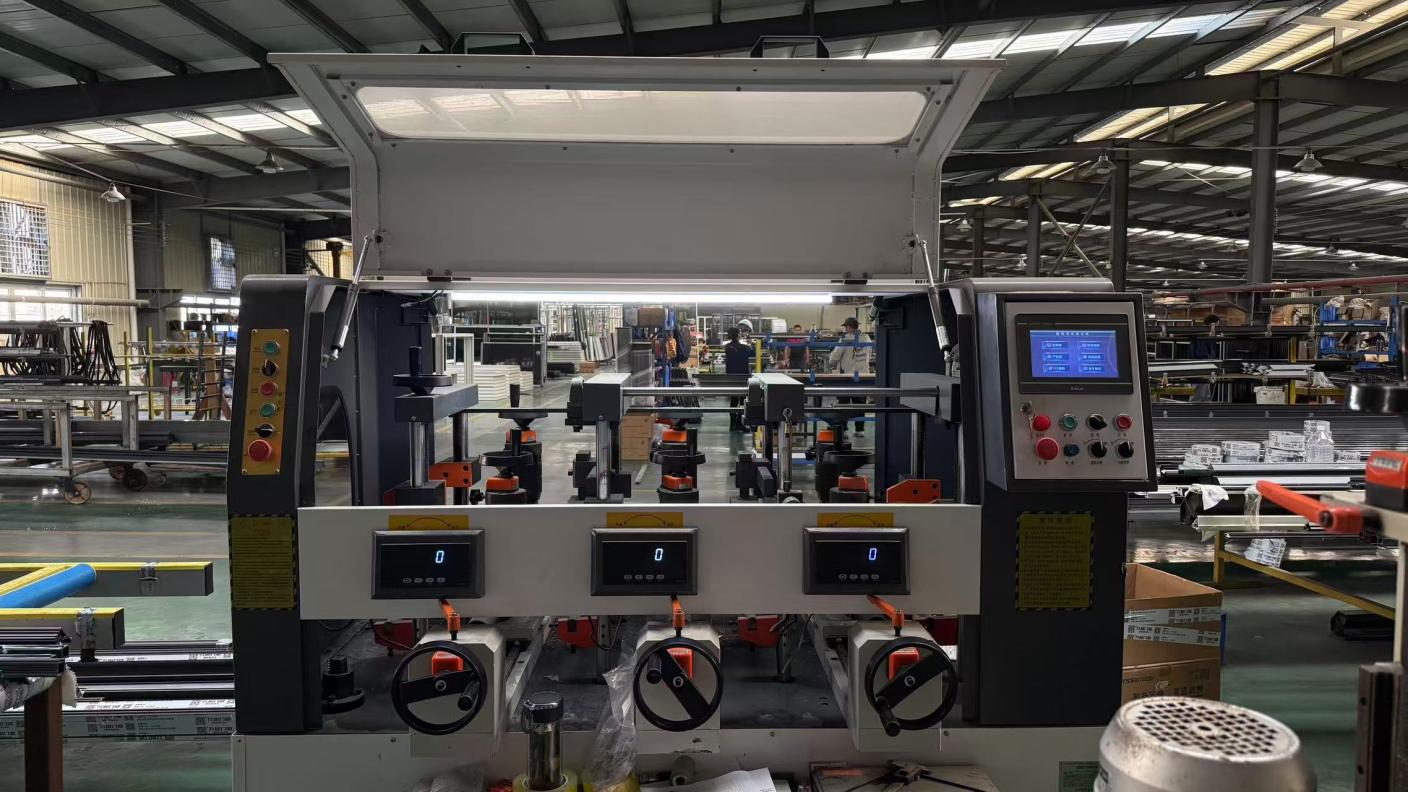
Quality fenestration begins with automated precision. Our production line incorporates digital dual-head cutting saws, automated milling centers, high-capacity punching equipment, and automated glass sealant lines to guarantee sub-millimeter tolerances across every window sash and frame.
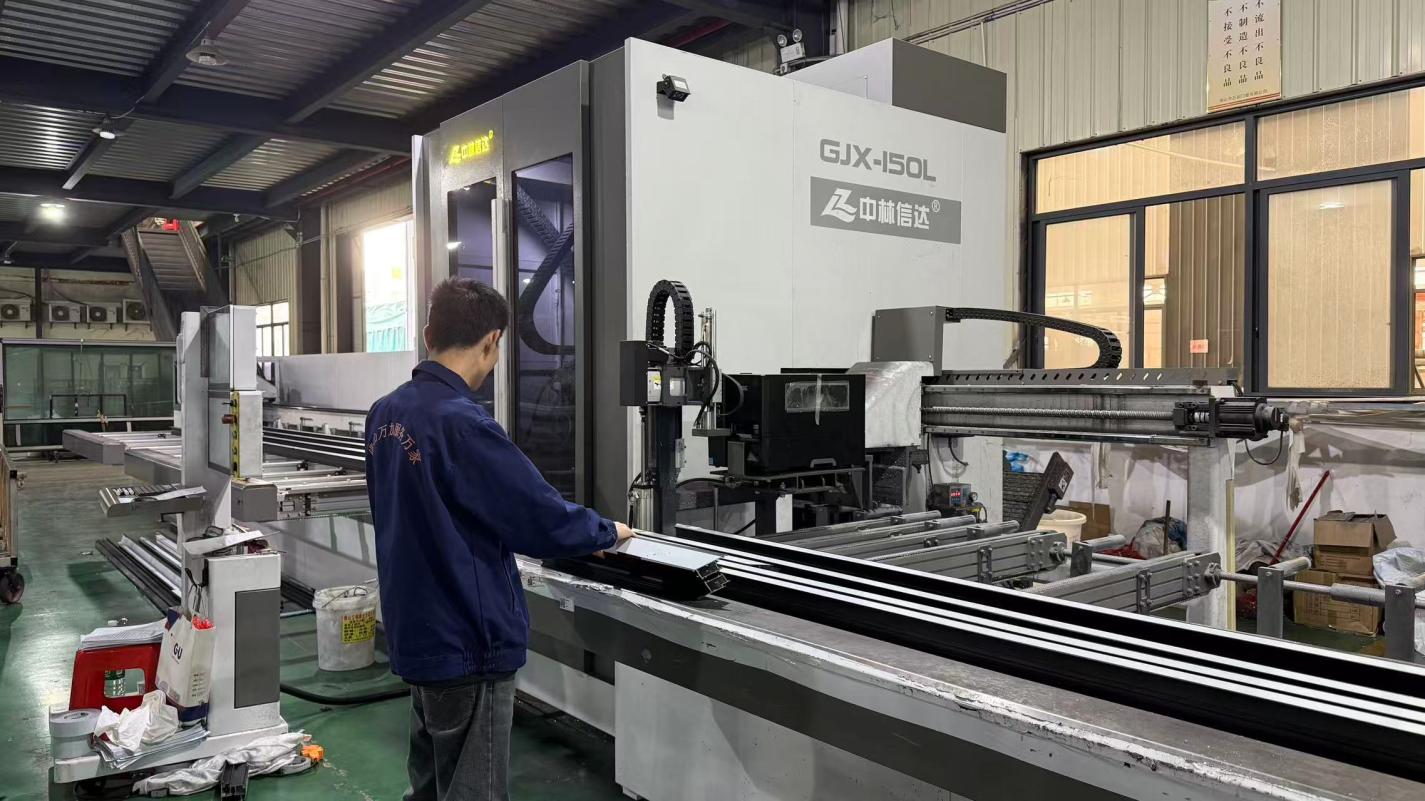
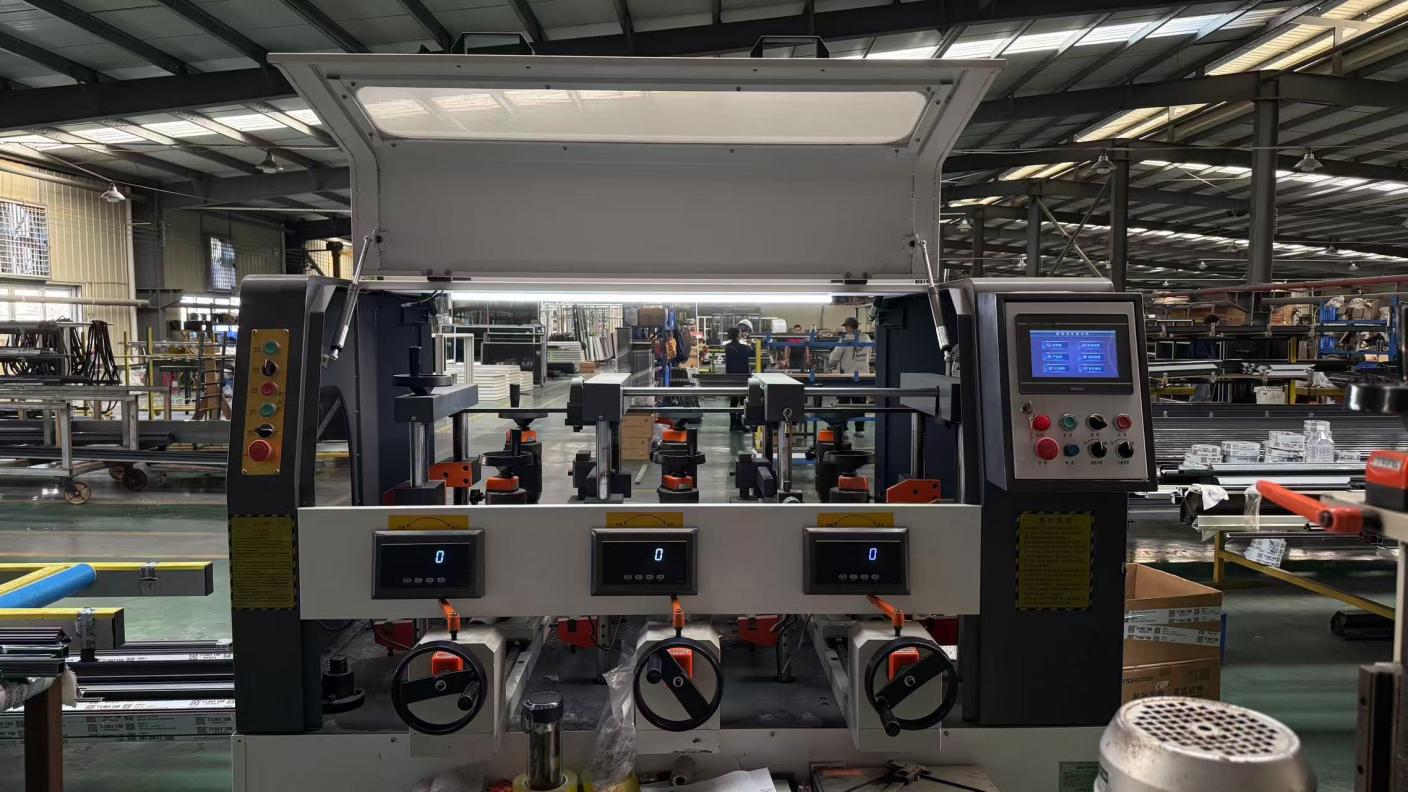
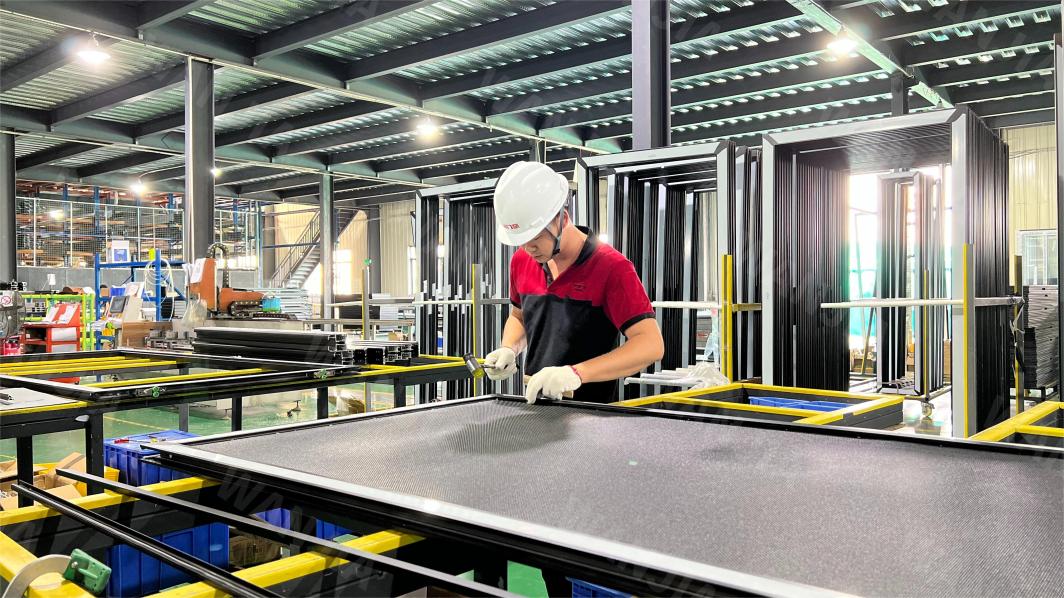
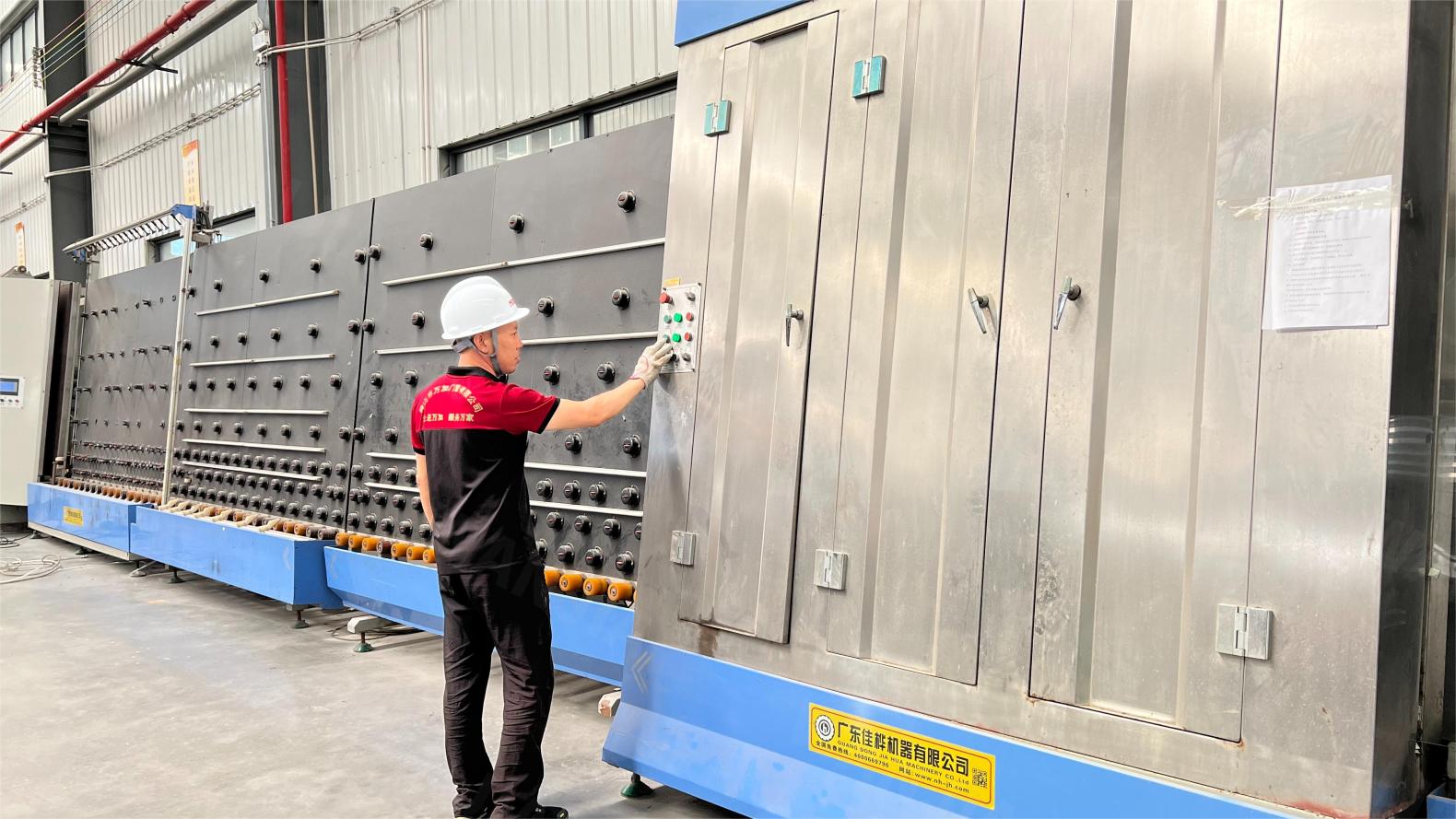
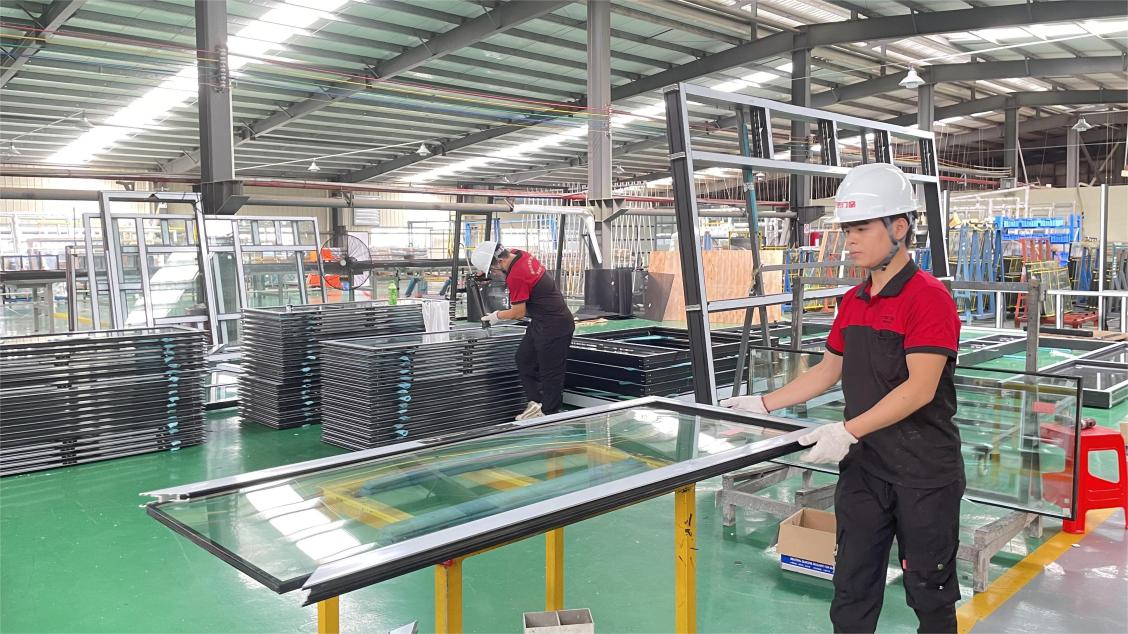
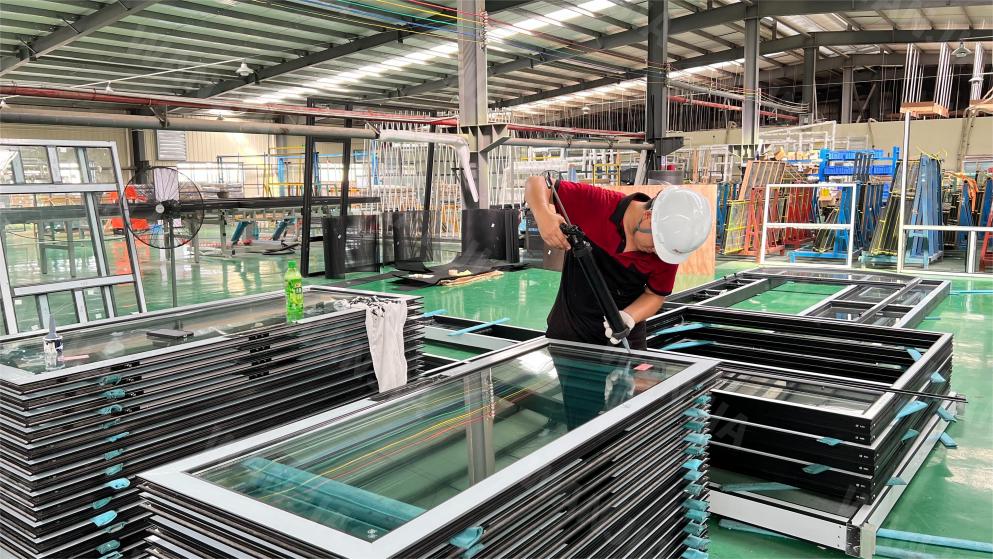
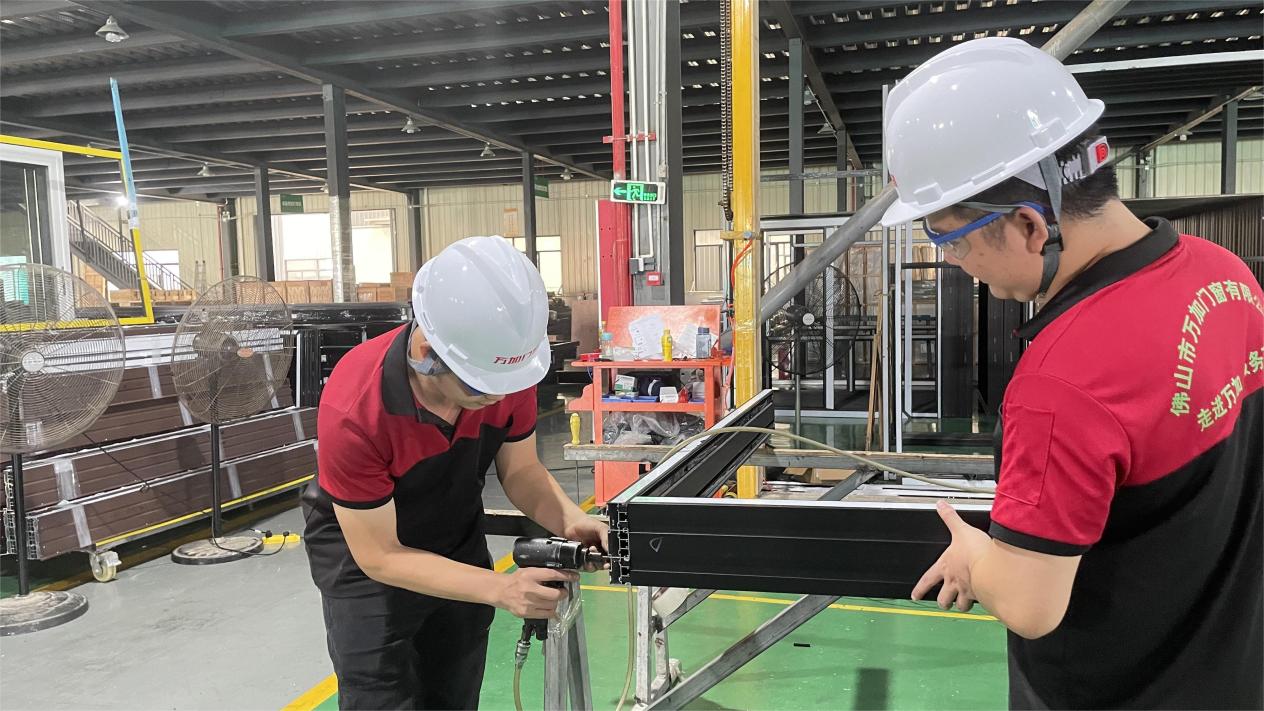
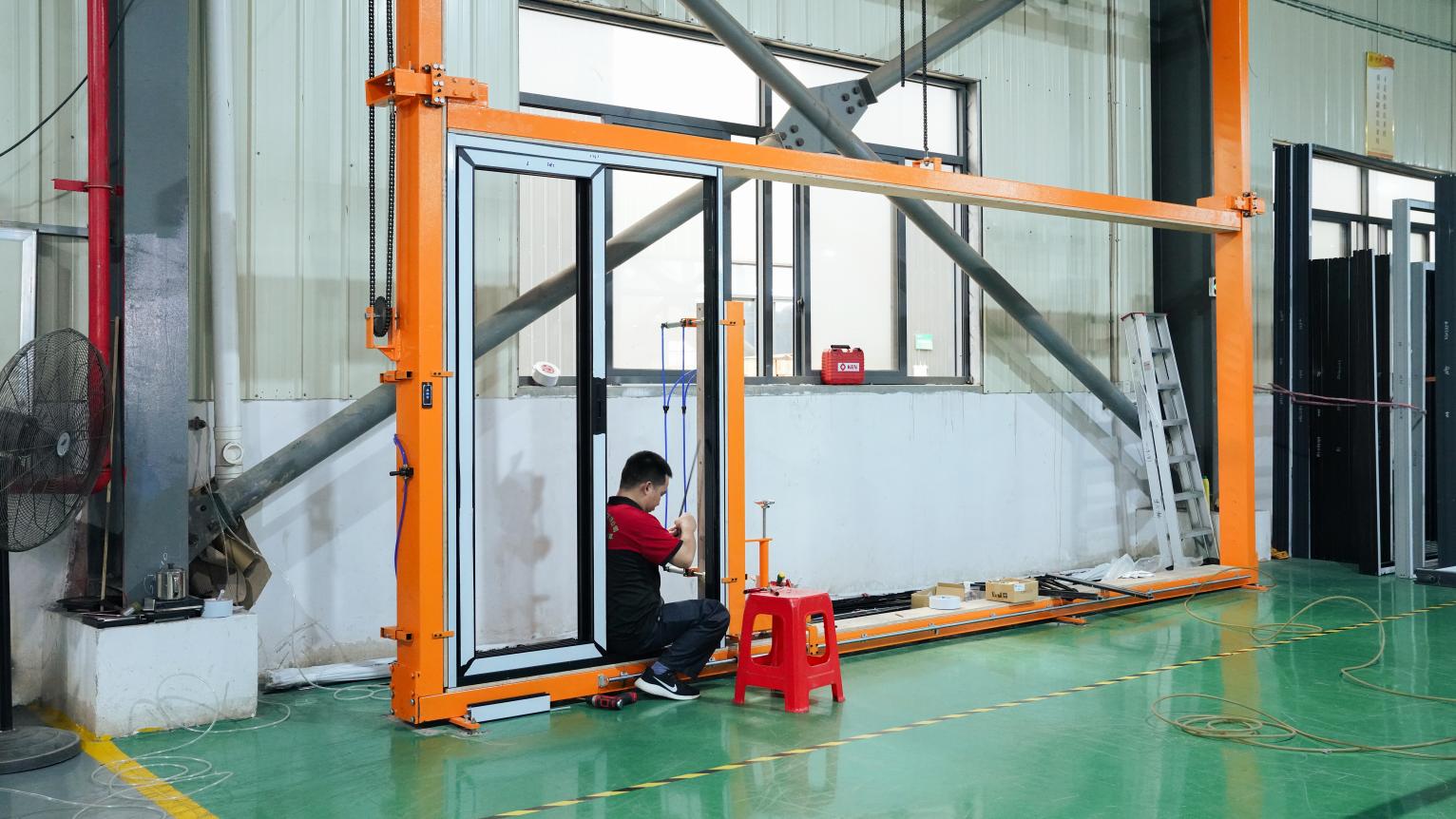
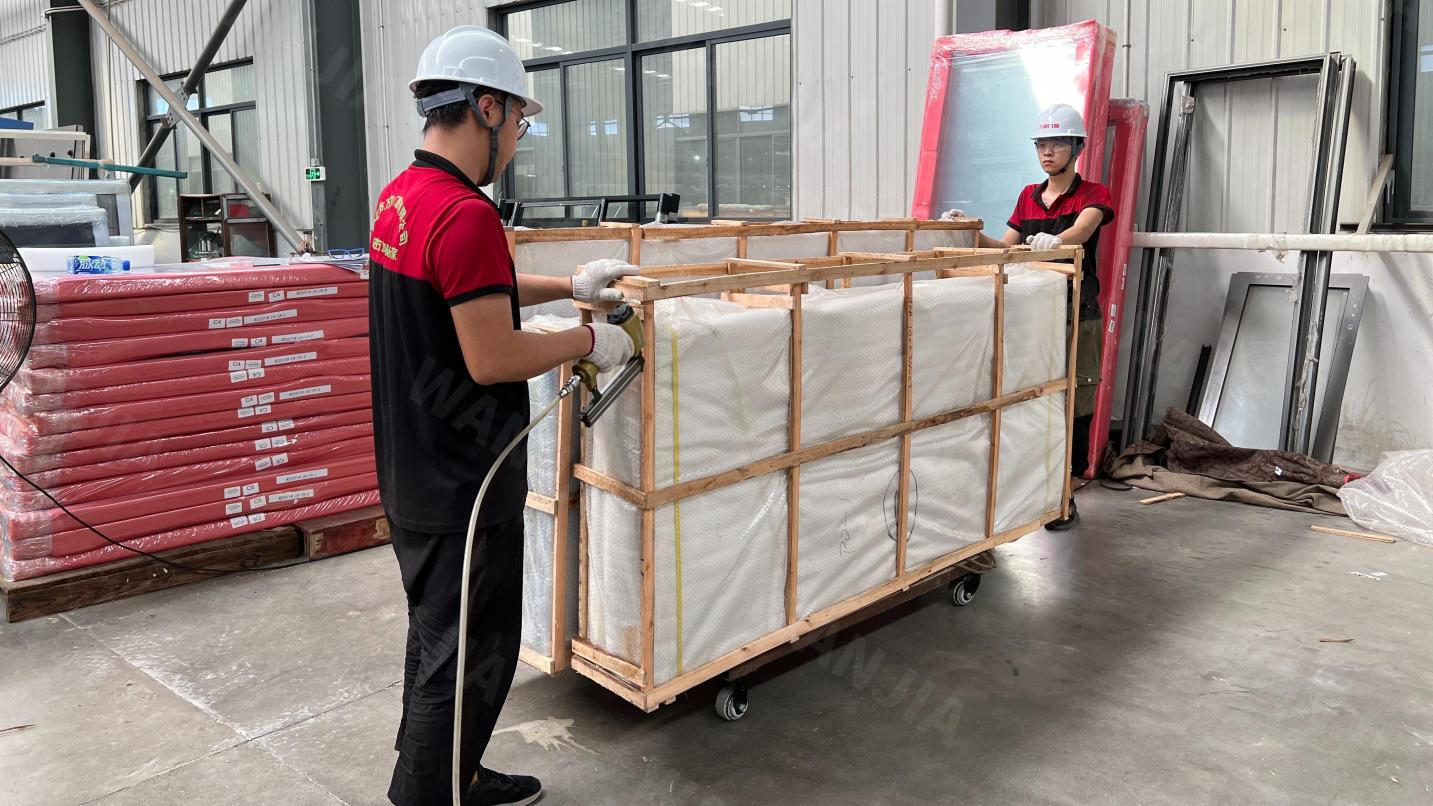
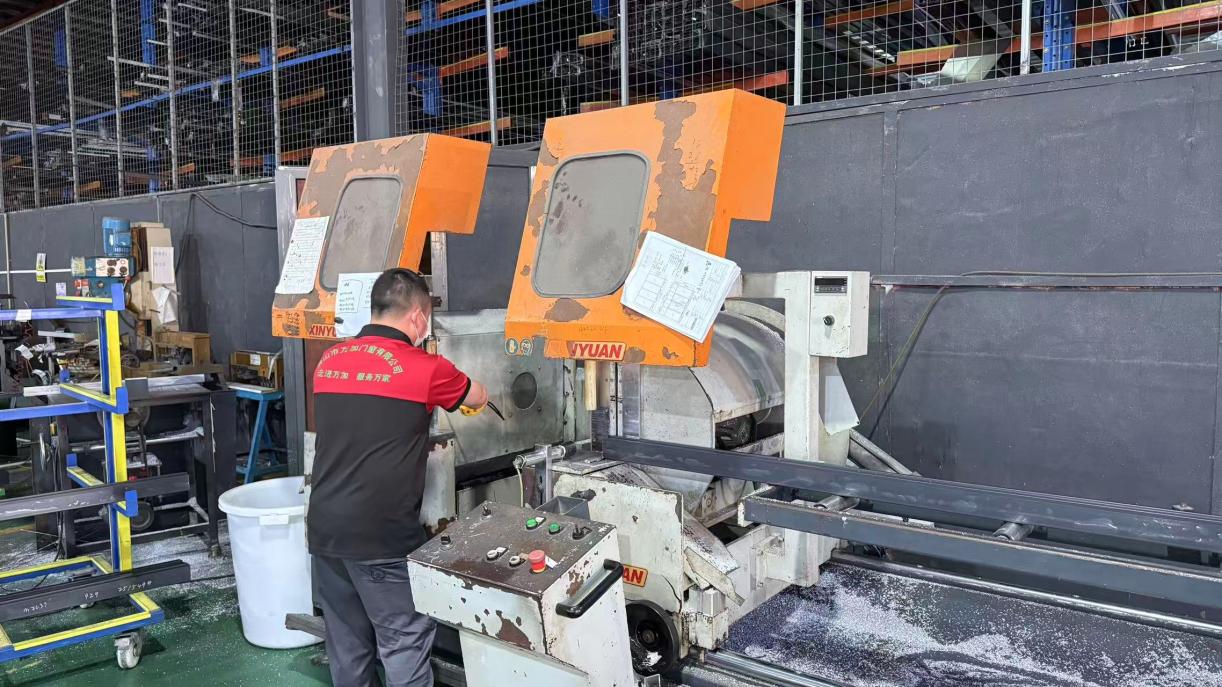
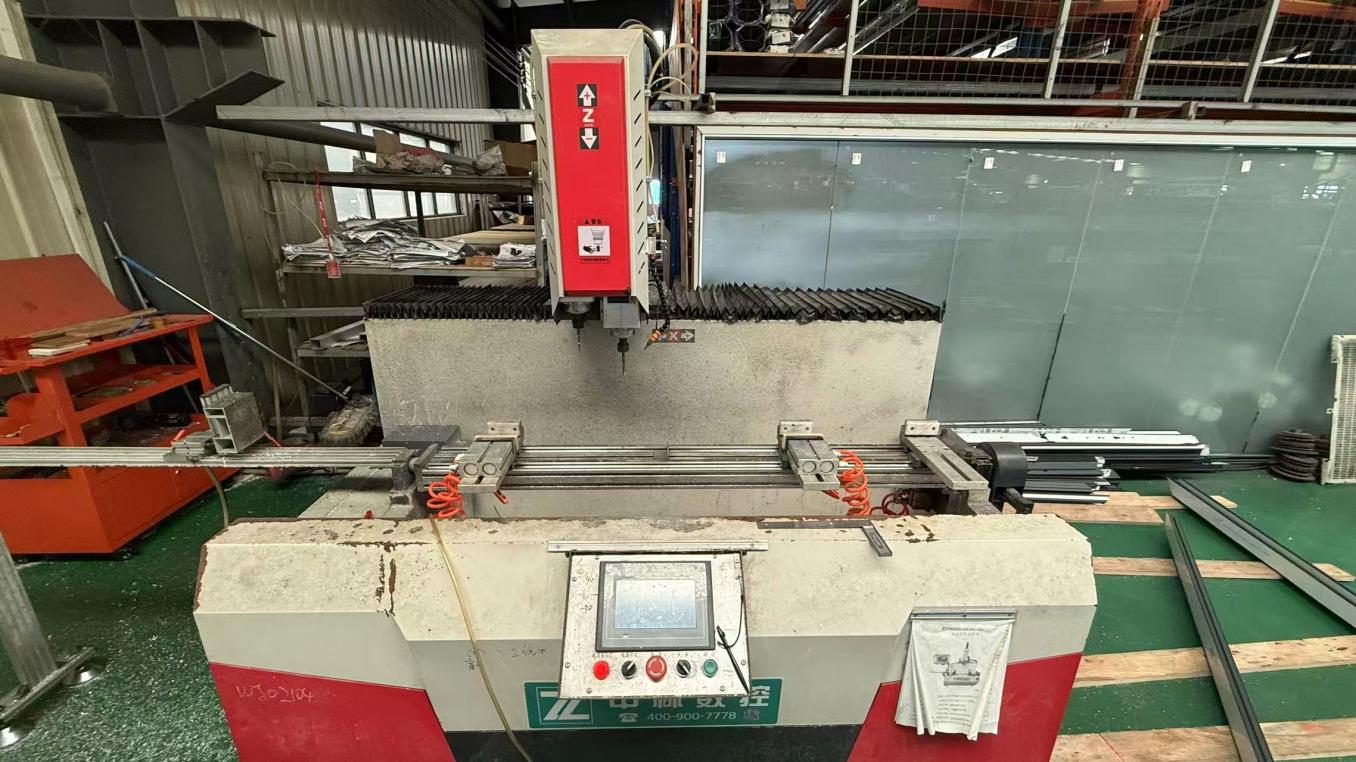
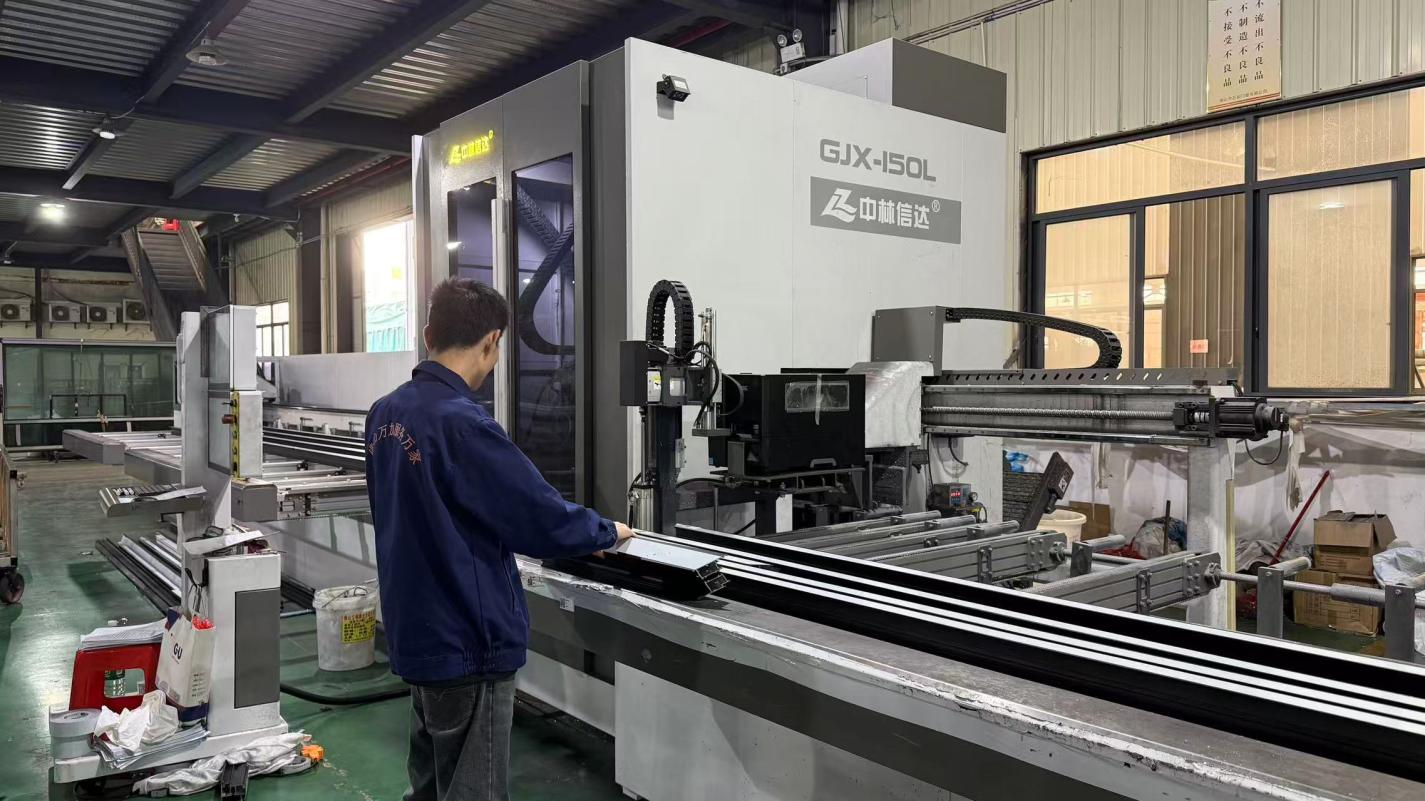
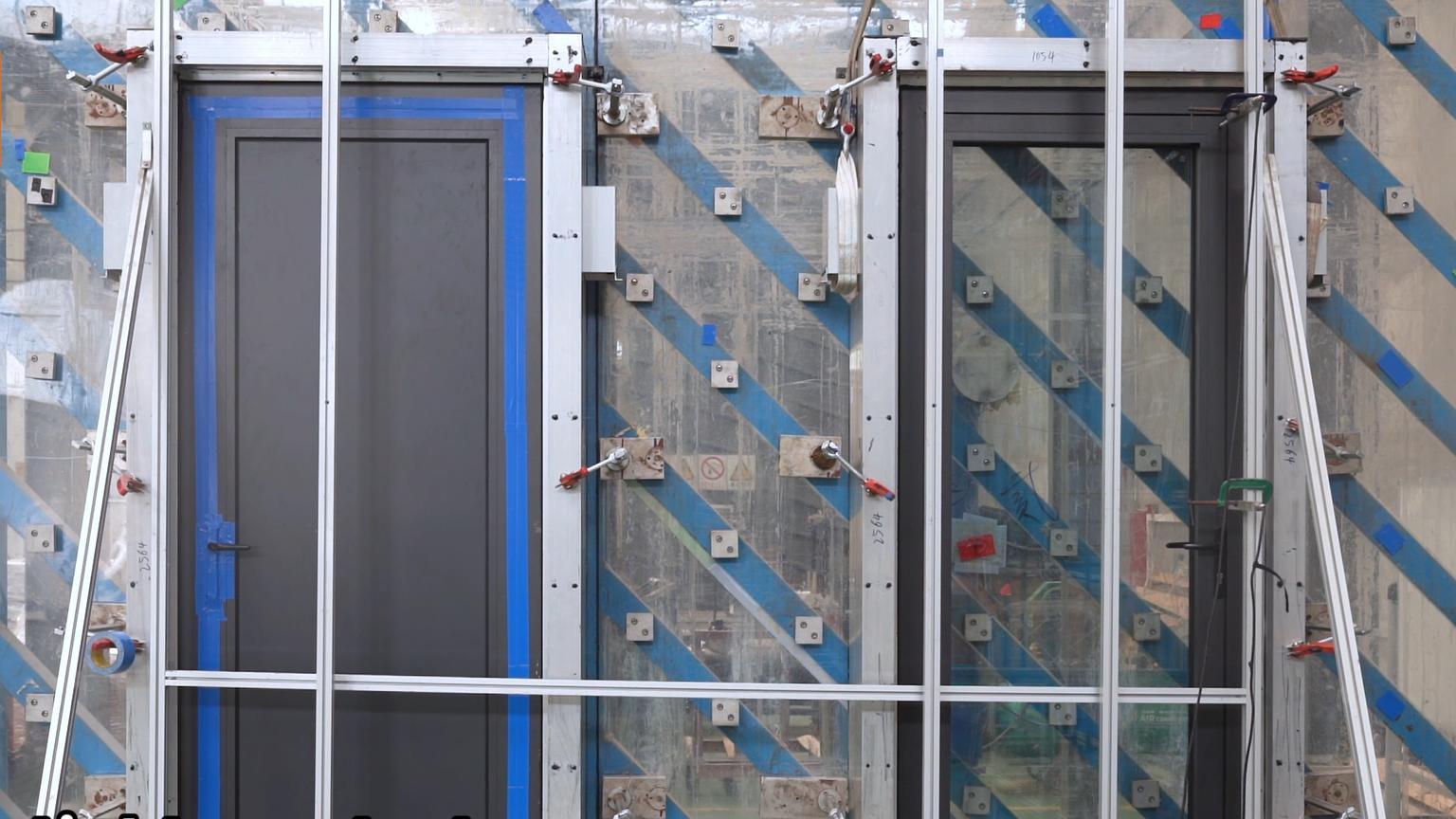
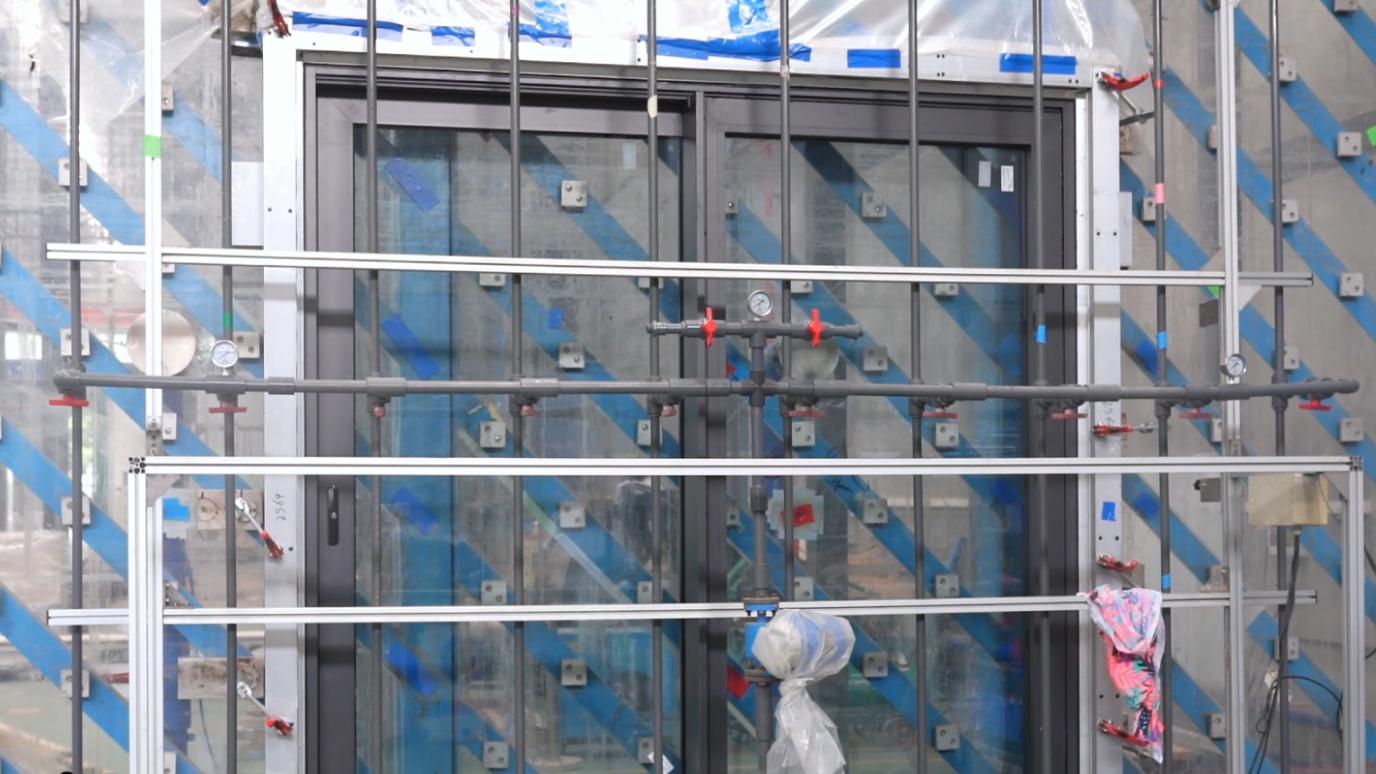
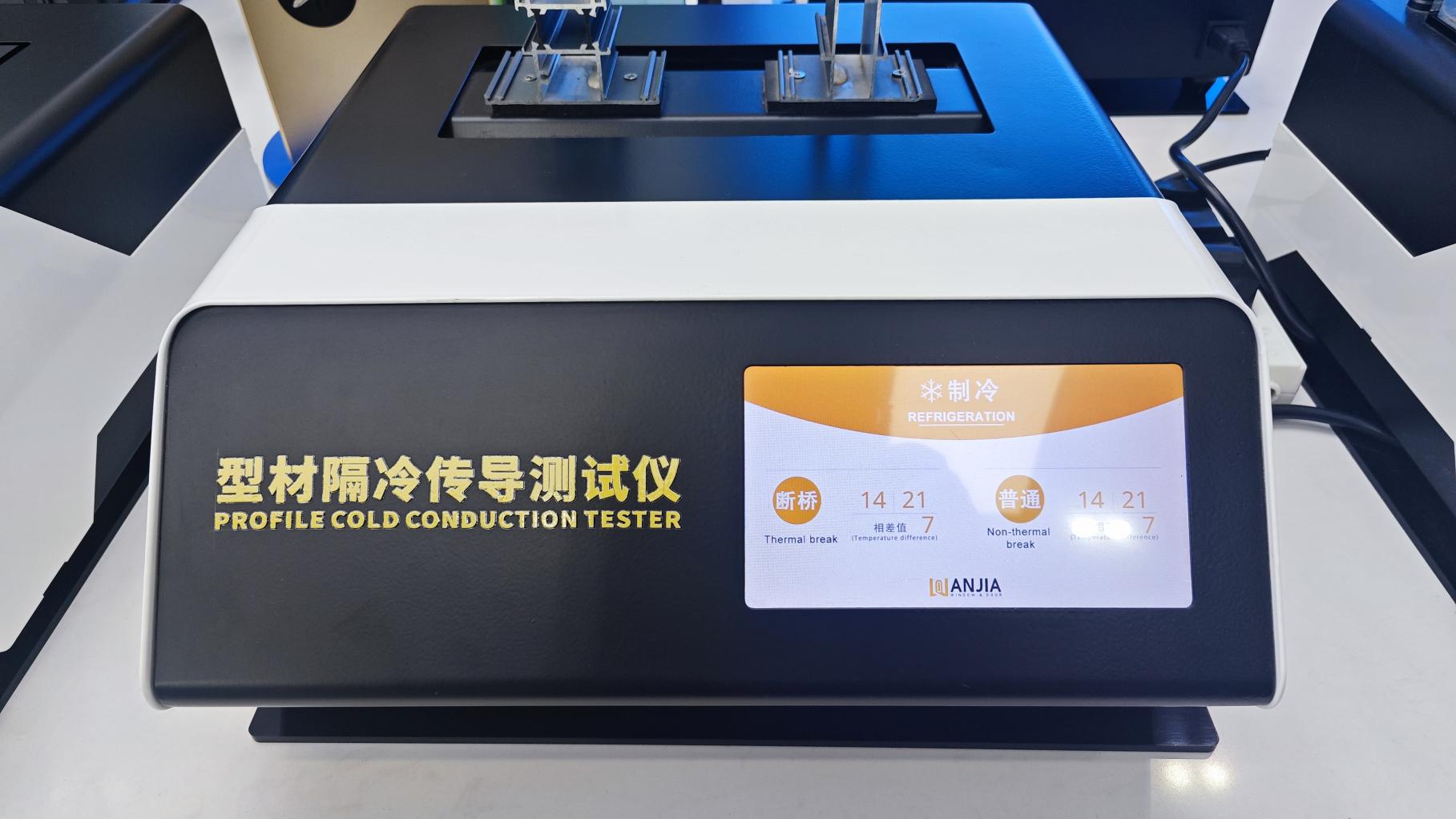
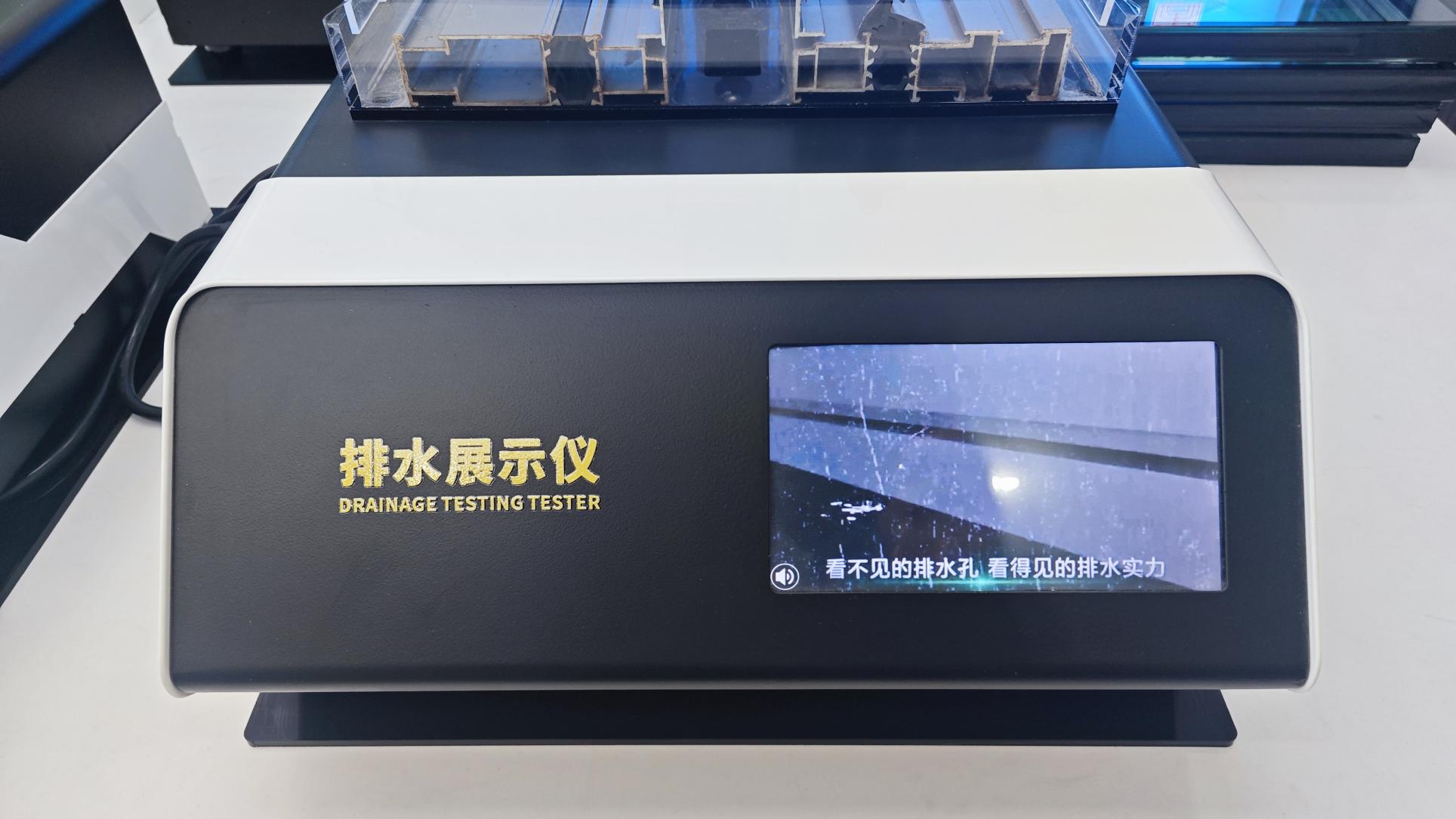
To safeguard structural performance, our dedicated quality control team subjects every batch of aluminum windows to rigorous testing procedures. We verify air permeability, structural load capability, water infiltration thresholds, thermal conductivity metrics, and optical clarity before dispatching product to international ports.
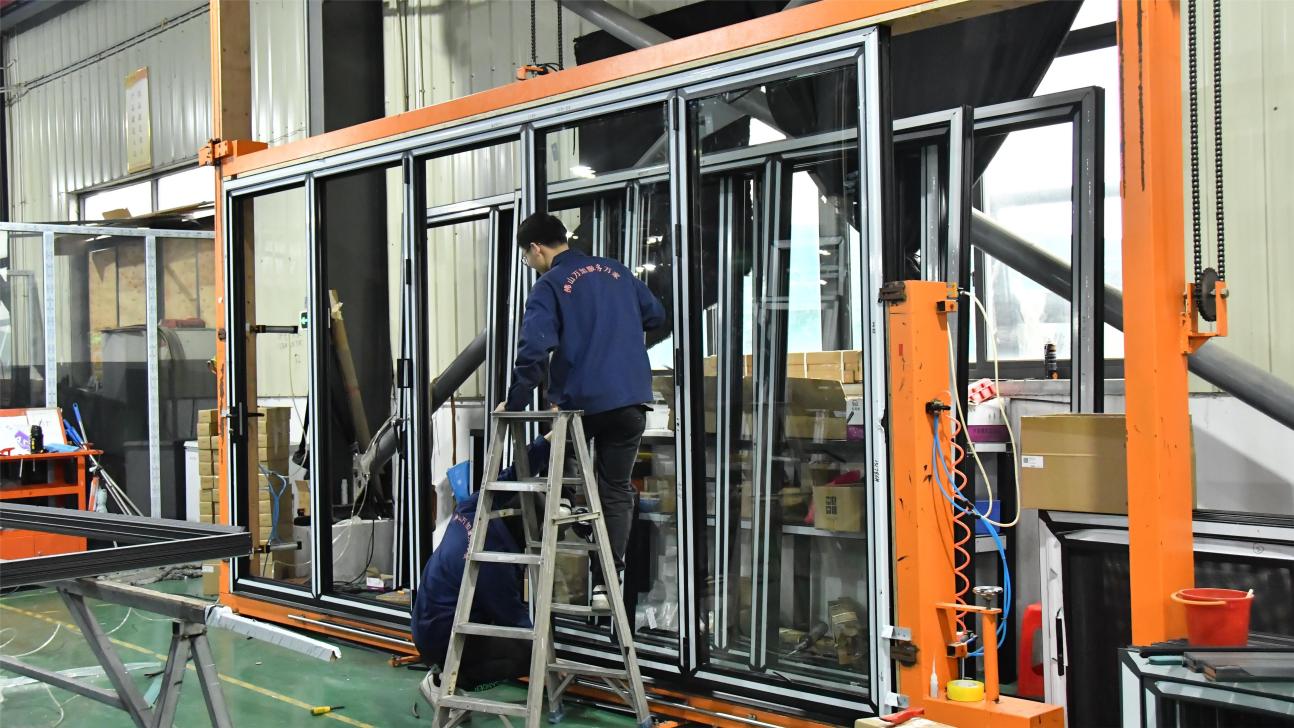
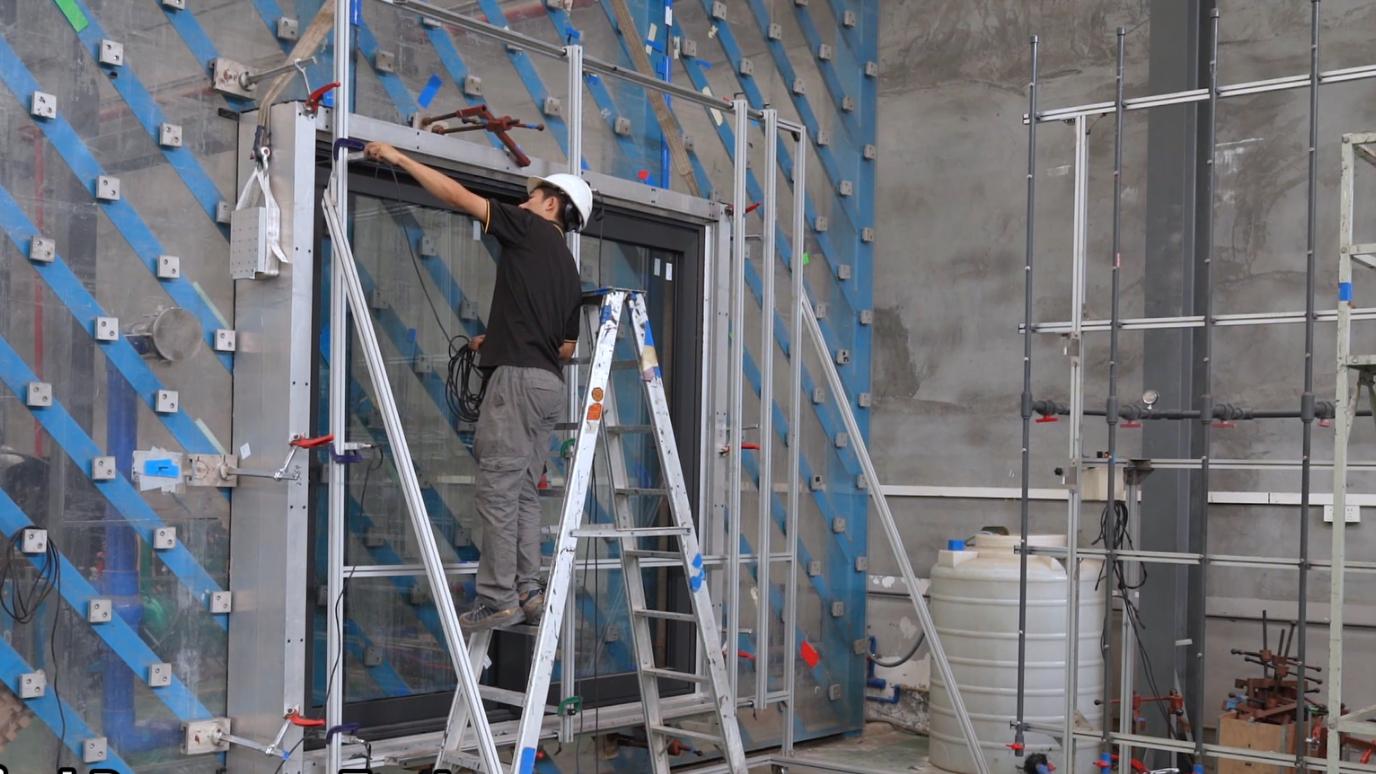
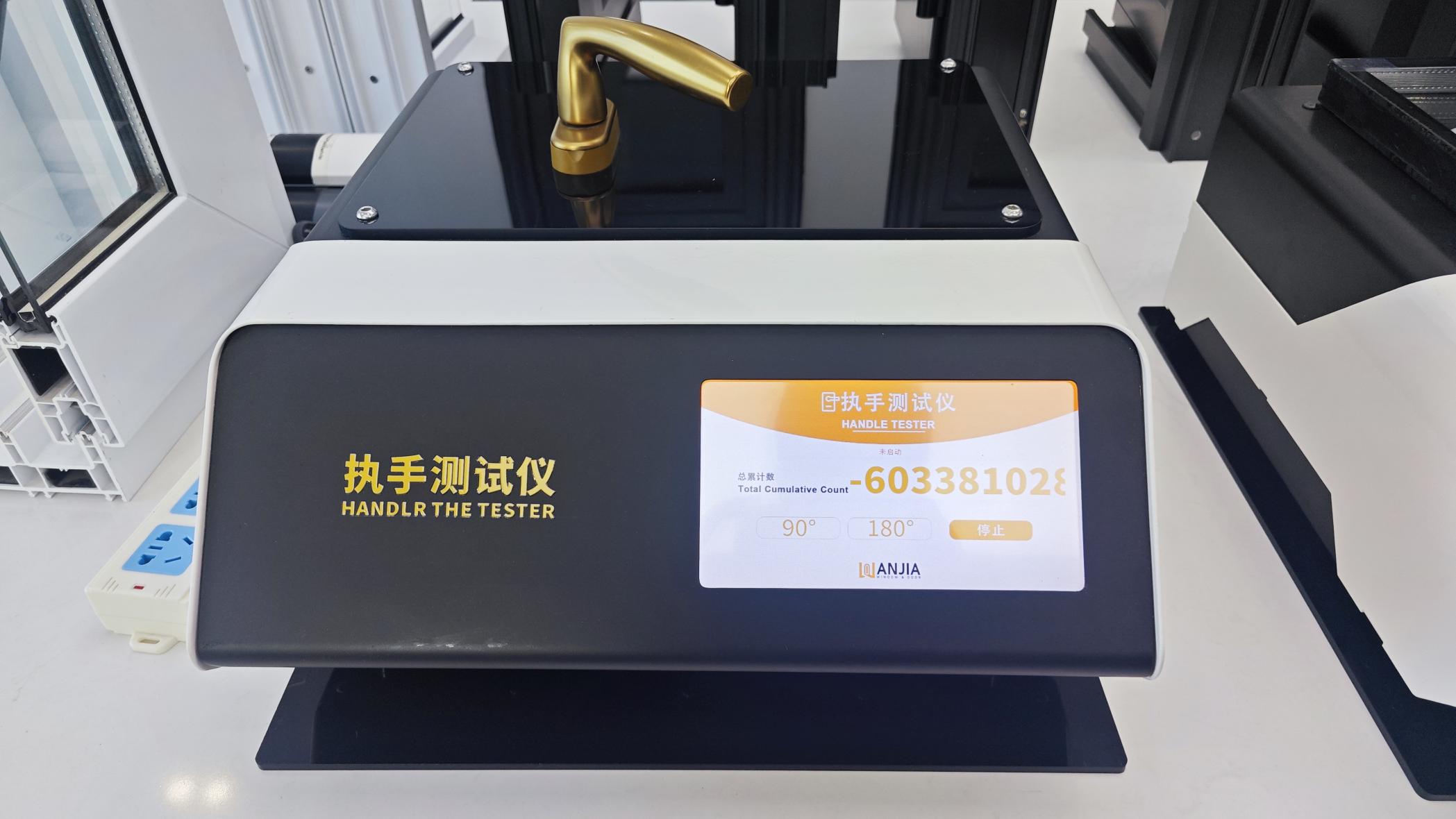
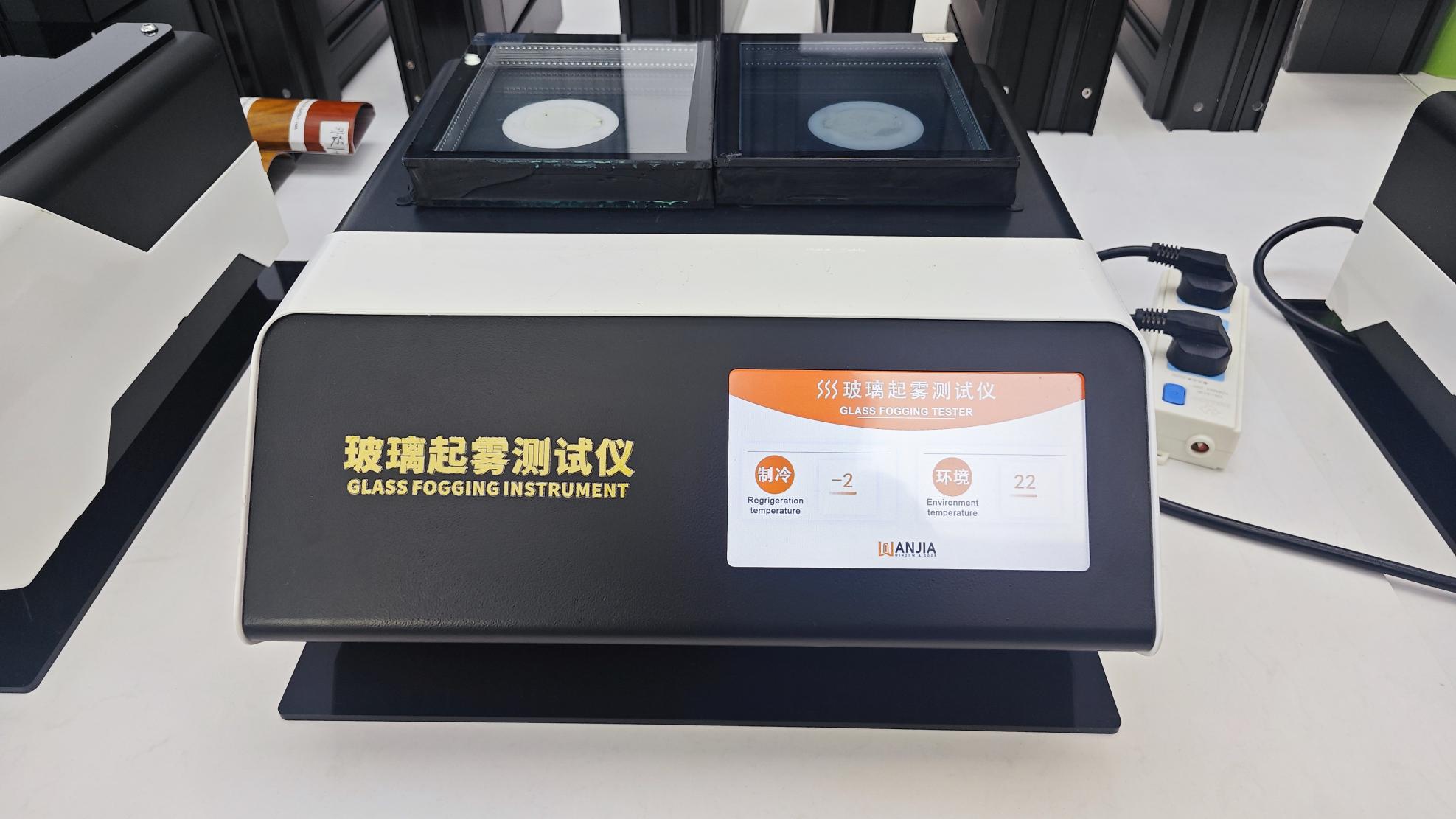
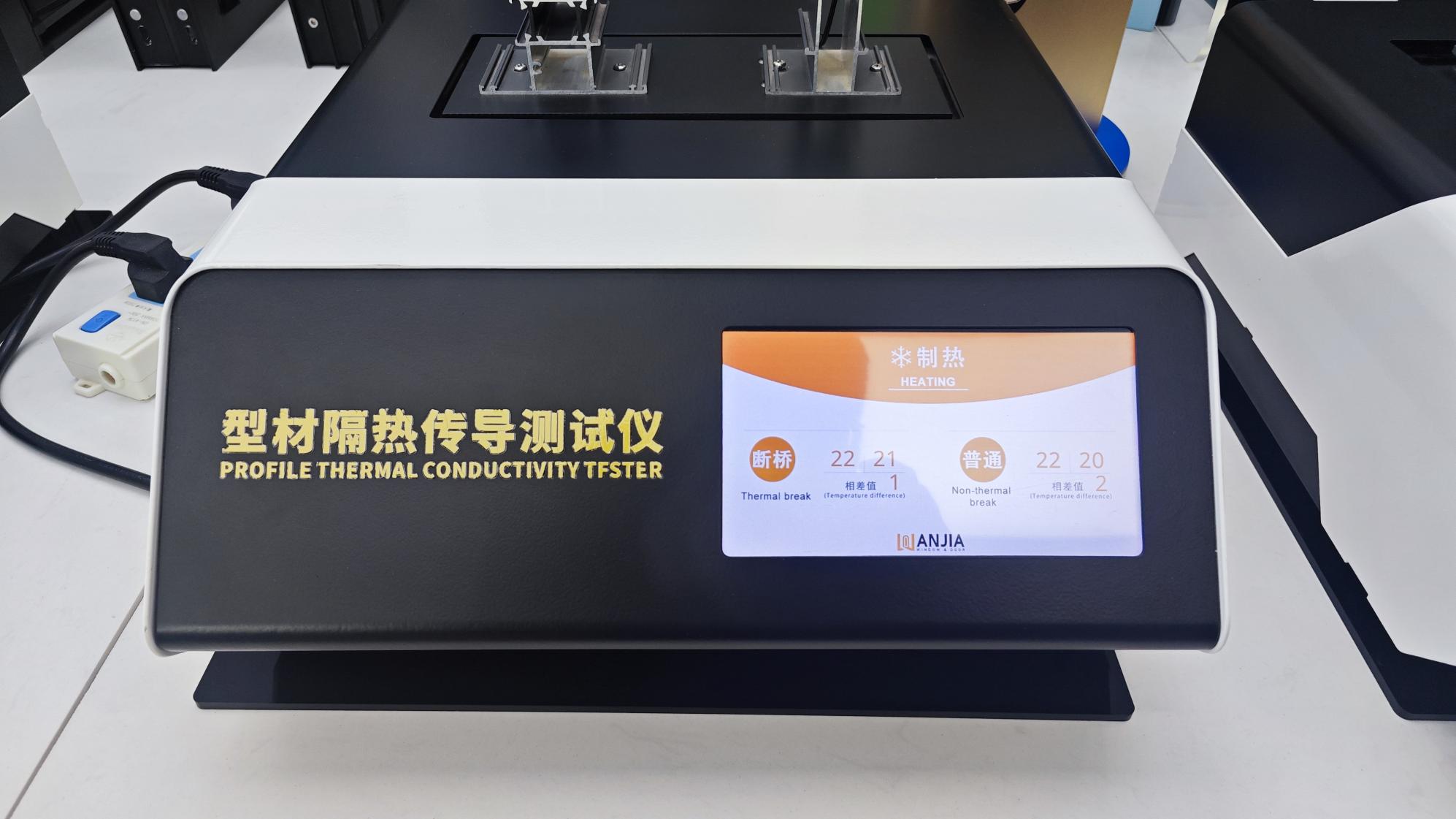
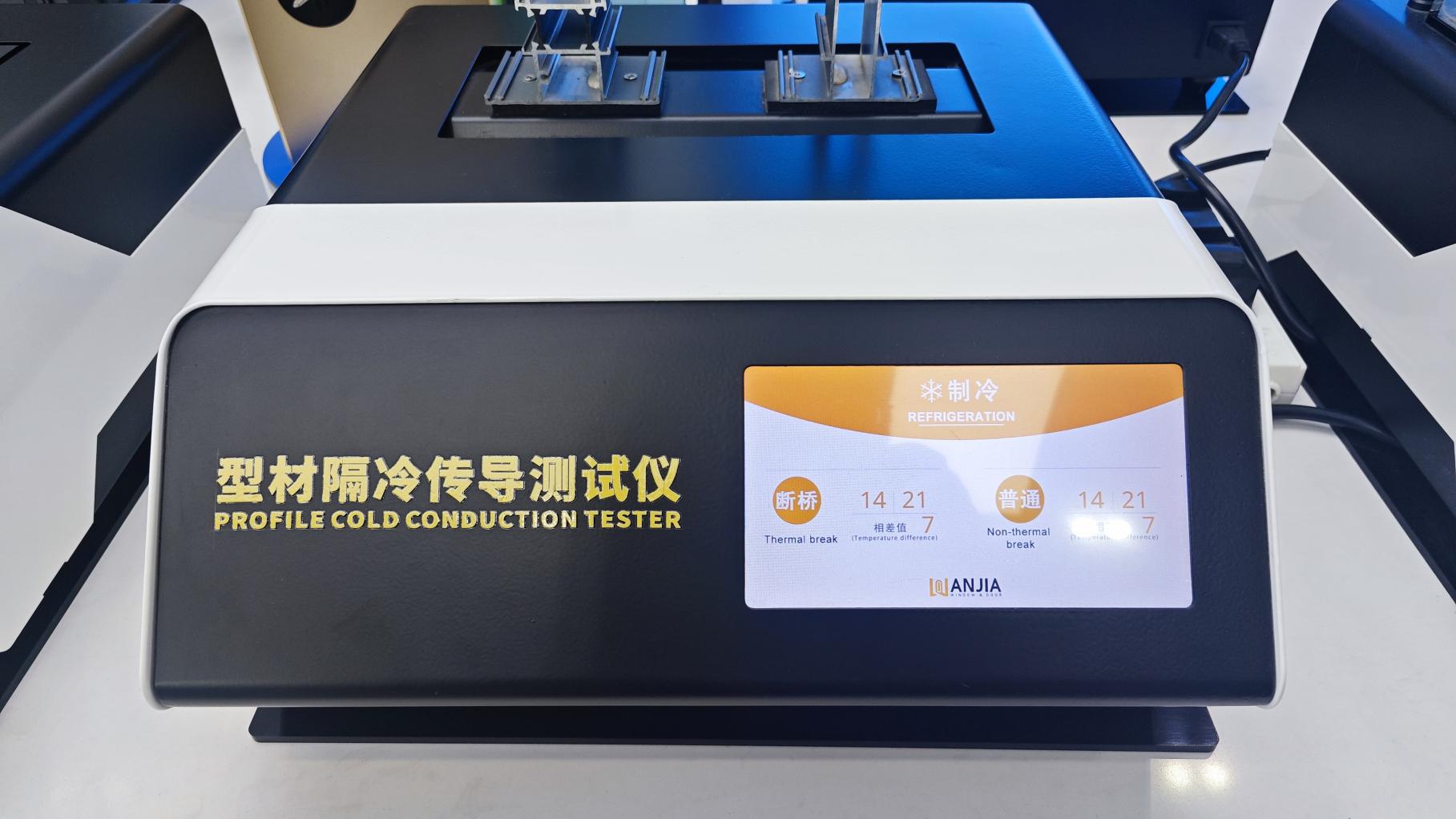
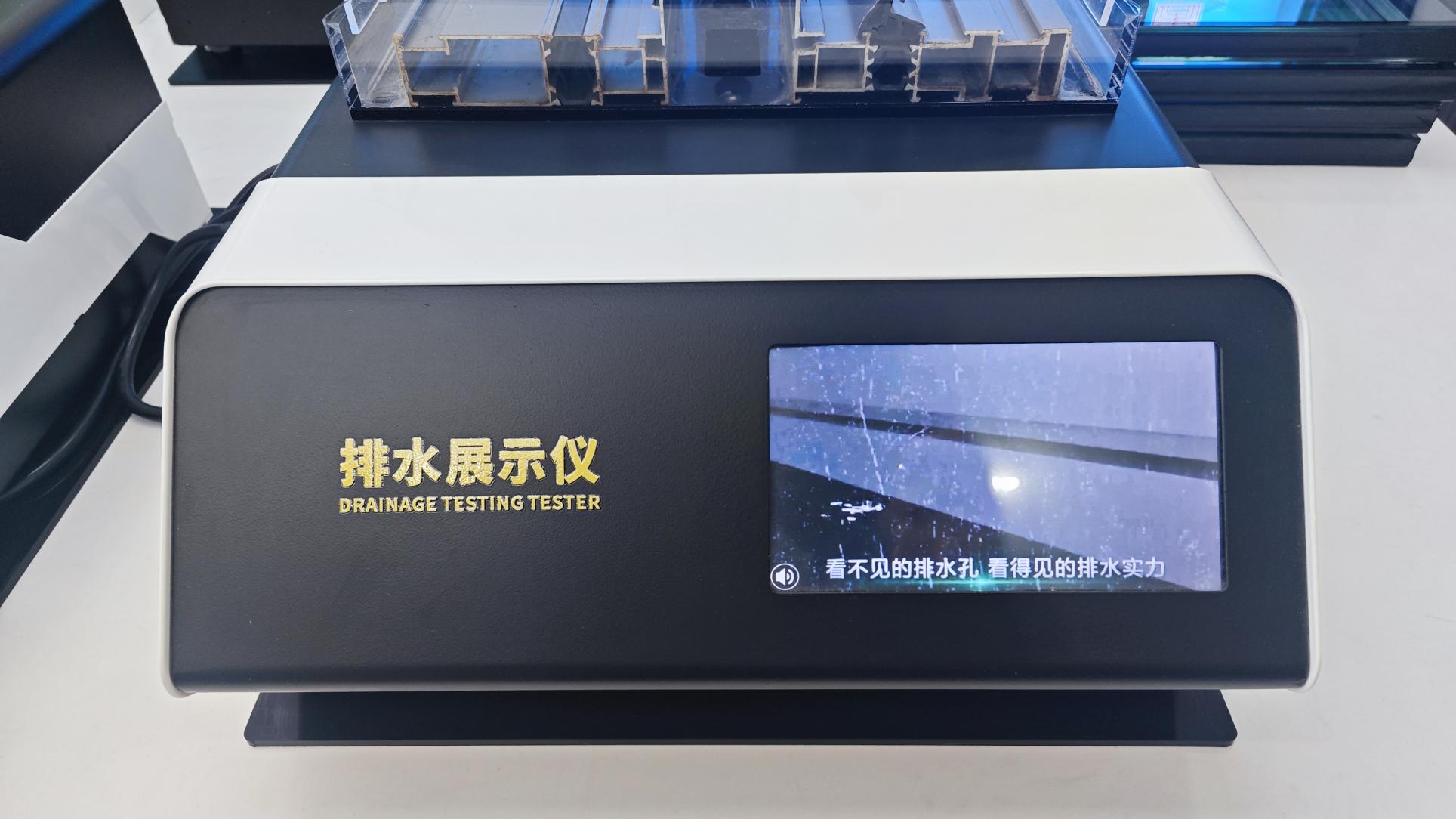
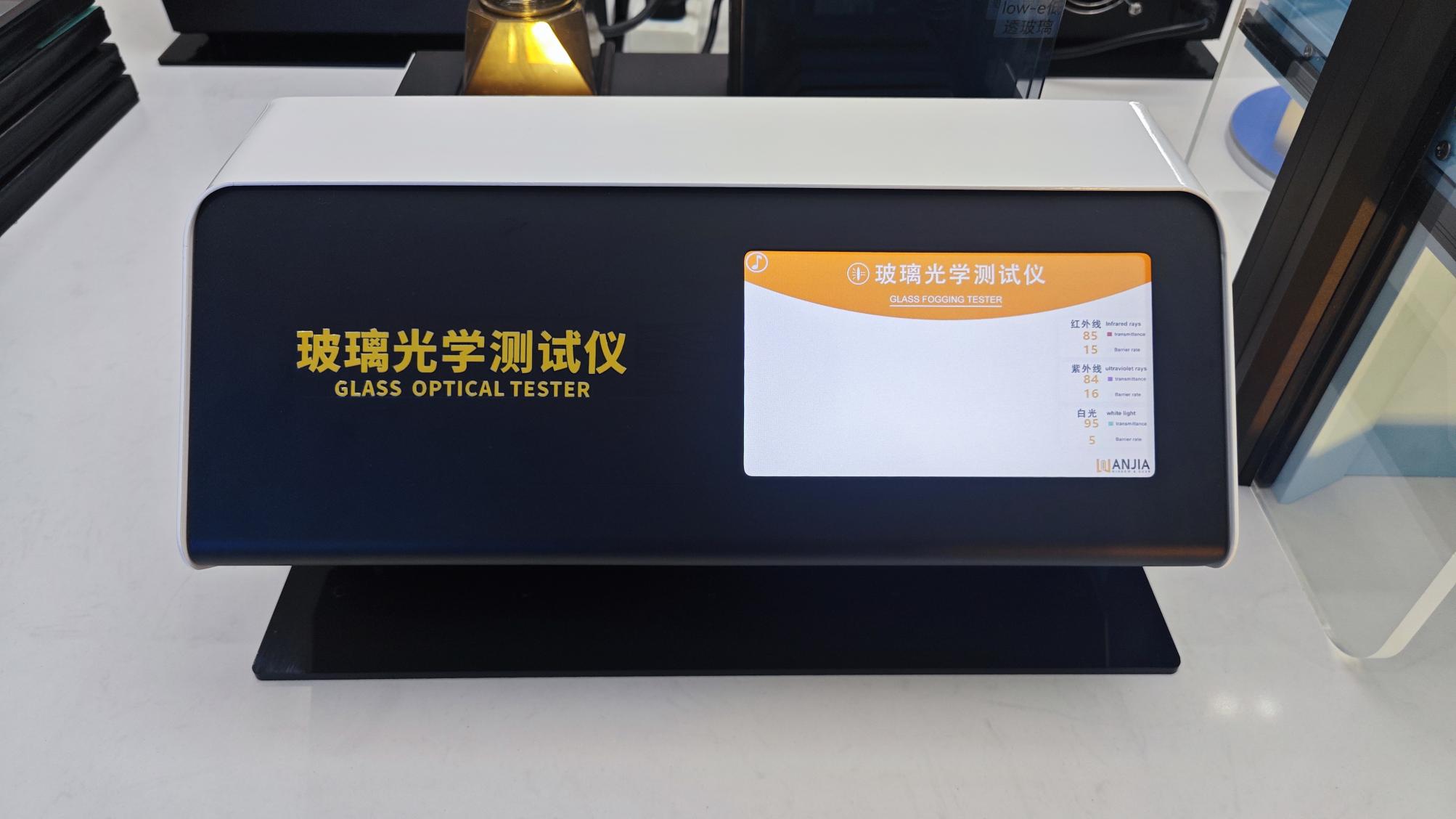
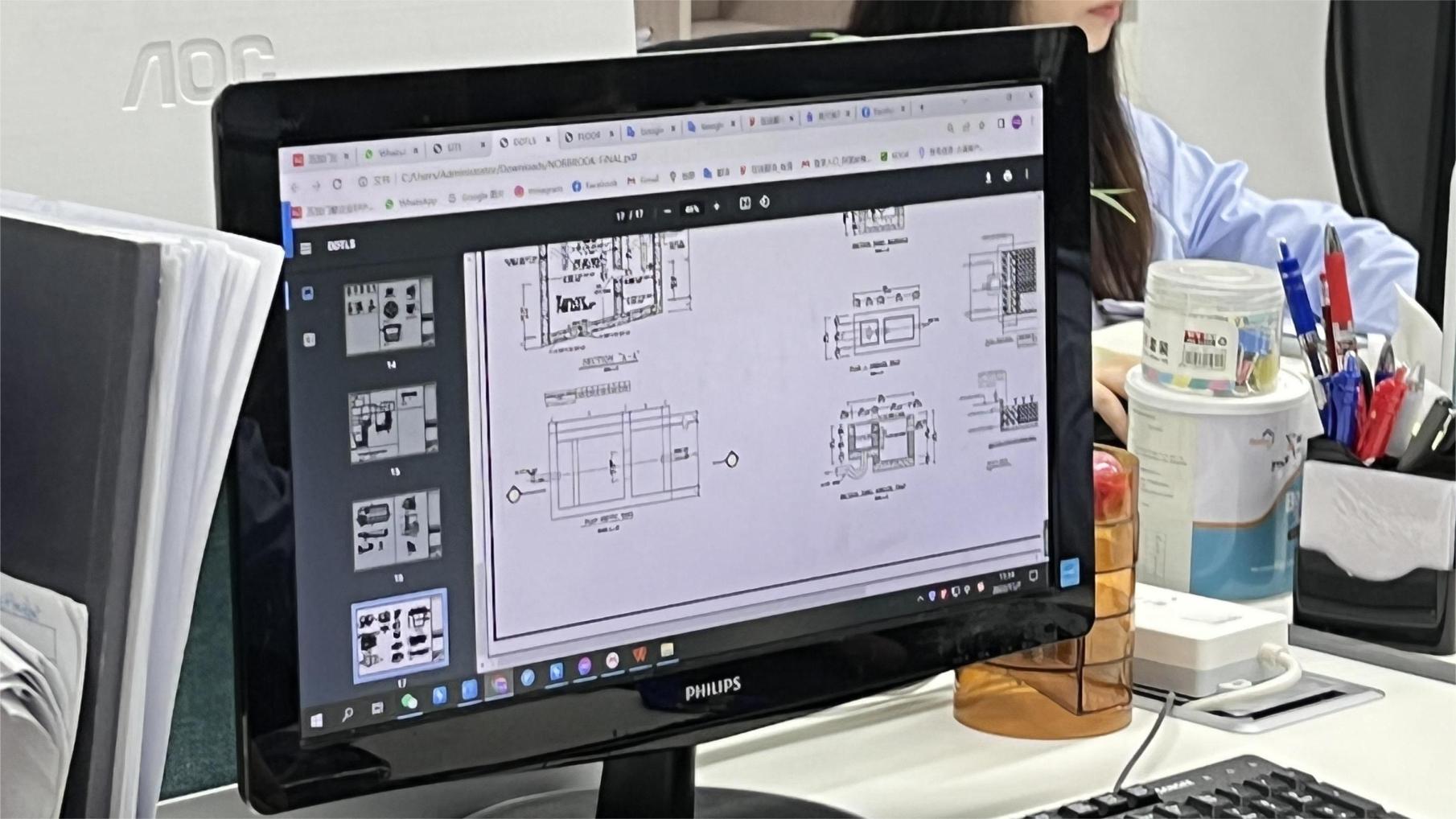
Our active R&D team consists of 48 structural engineers and fenestration designers who specialize in custom extrusion geometry, CAD modeling, thermal optimization simulations, and localized building code integration.
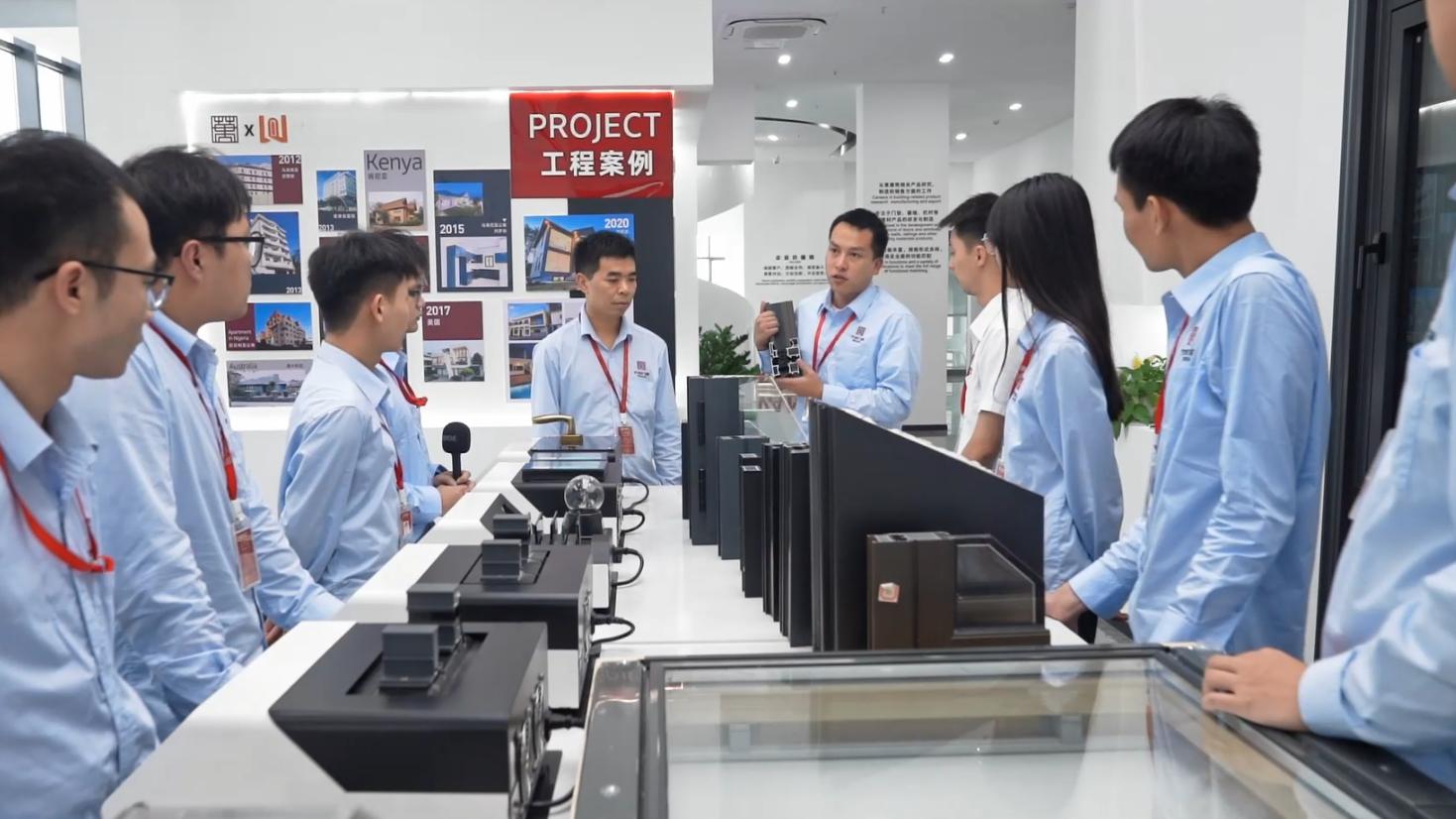
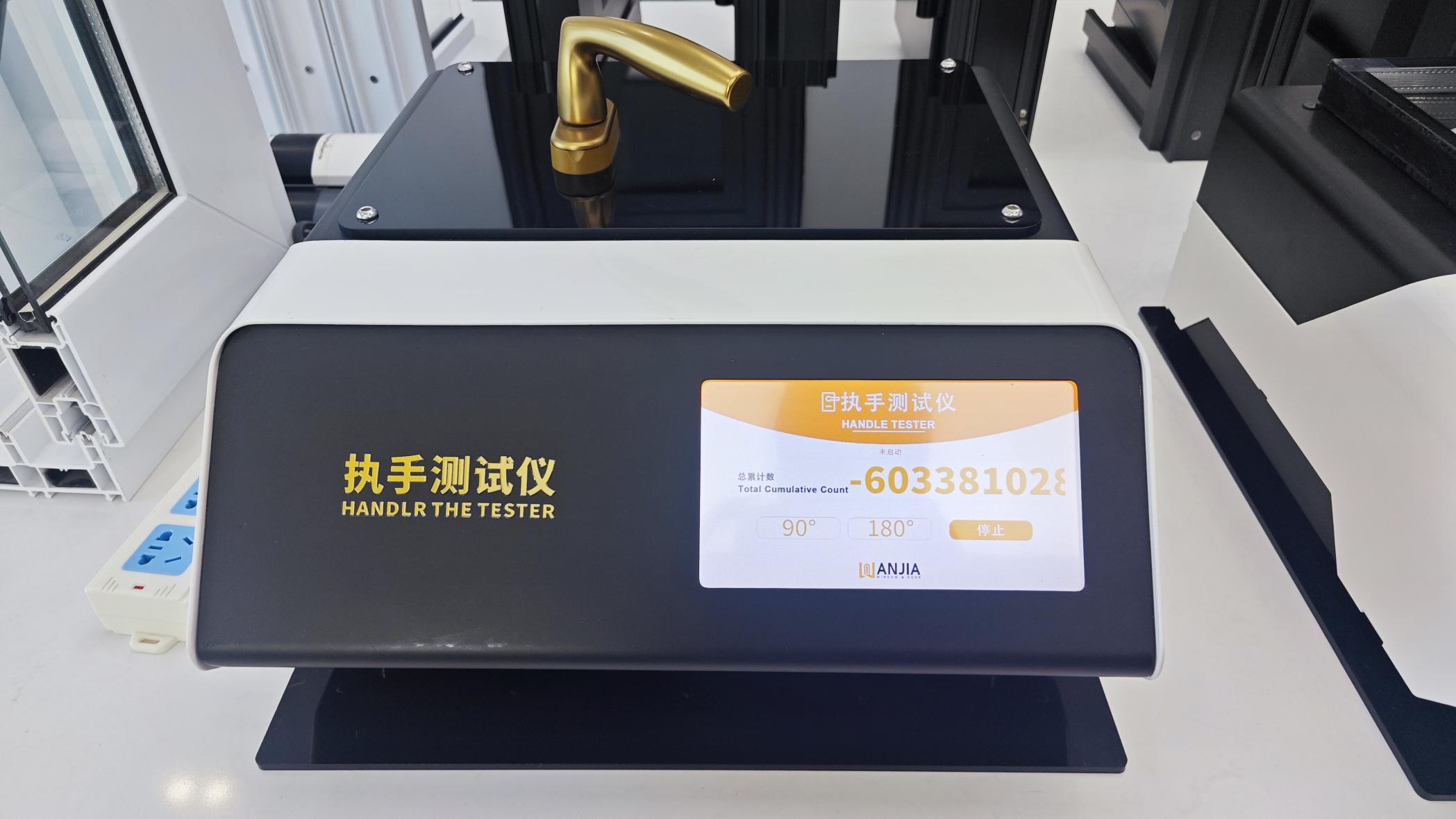
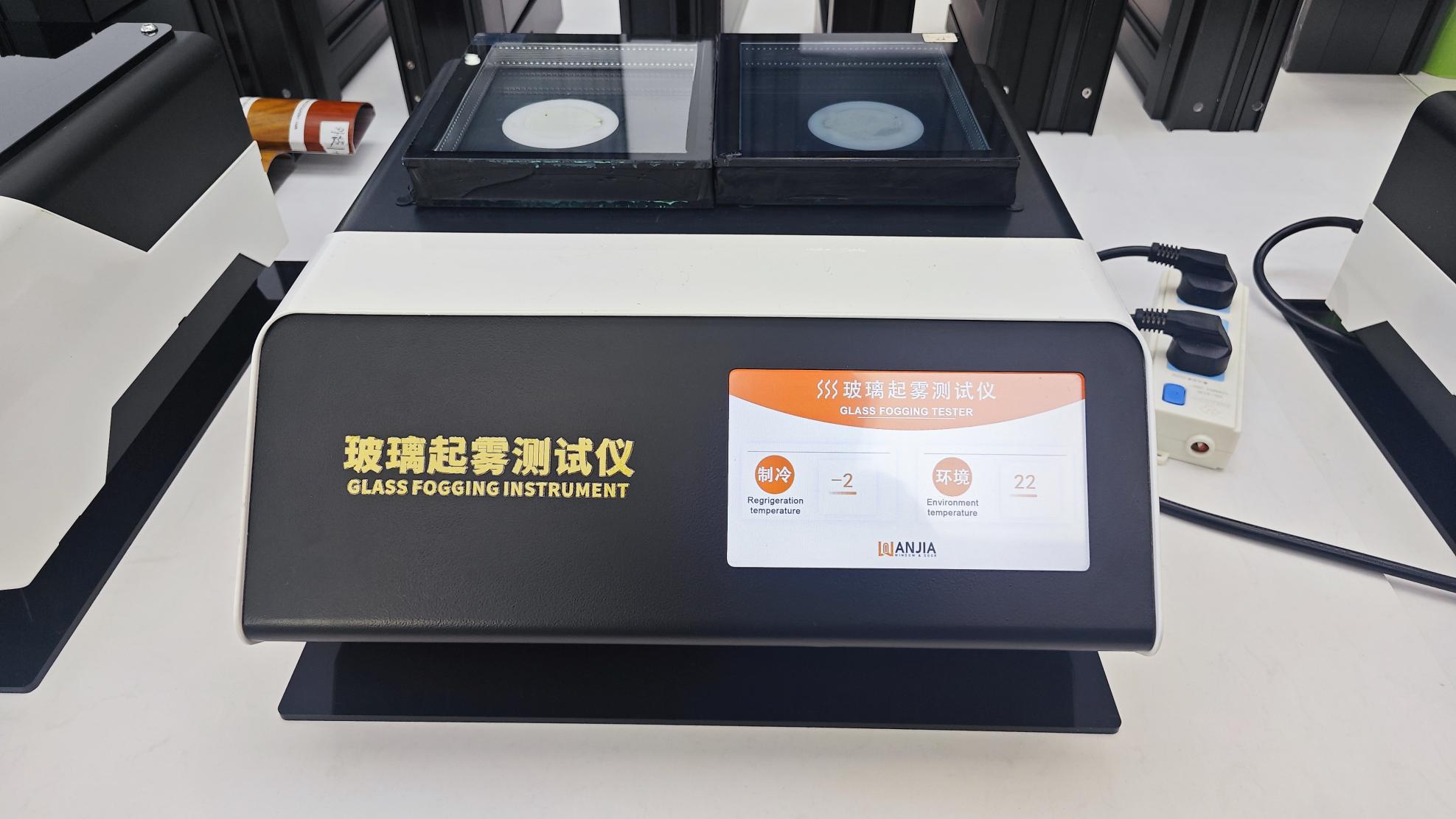
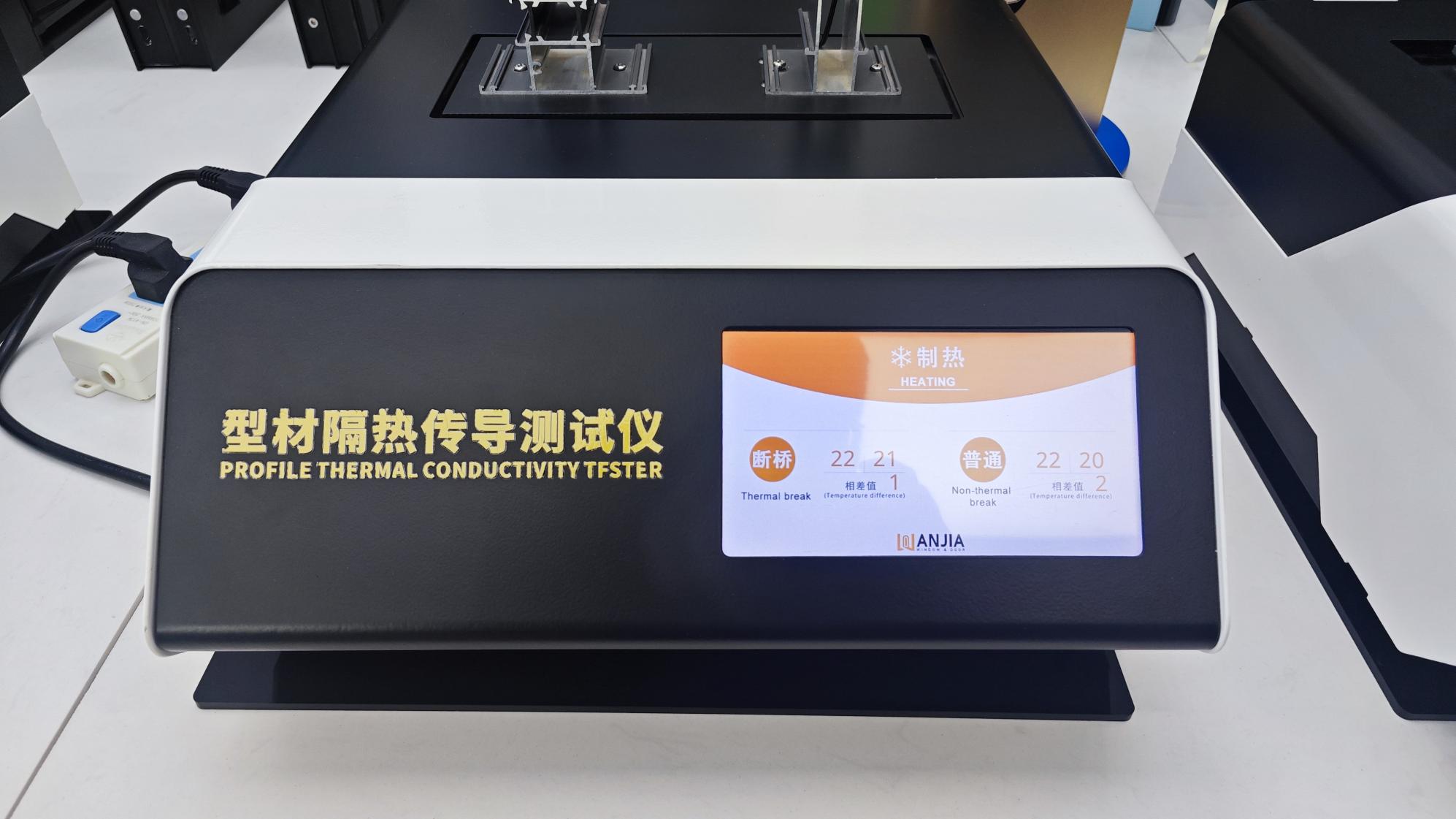
Fenestration solutions must adhere to regional environmental demands. ArmorSafe custom-engineers casement window configurations tailored precisely to localized structural loading standards and climate realities.
In regions subject to severe storm surges and tropical cyclones, our Miami-Dade NOA and Florida Building Code (FBC) certified impact casement windows utilize heavy-gauge 6063-T6 aluminum combined with SentryGlas® (SGP) laminated interlayers. These units withstand missile impact testing (TAS 201) and cyclic wind pressure pressures exceeding DP 80.
To meet California's stringent Building Energy Efficiency Standards (Title 24), our windows integrate warm-edge spacers, argon gas fill (90%+ concentration), and triple silver Low-E coatings (e.g., Sungate® 400). This setup delivers low solar heat gain (SHGC < 0.22) while preserving luminous visual light transmittance (VLT > 65%).
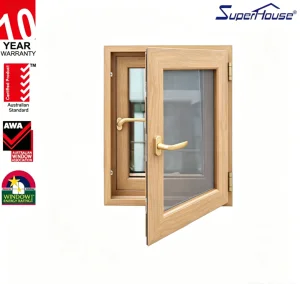
Engineered specifically for Australian construction standards, our AS2047-certified casement systems undergo rigorous deflection, air infiltration, and water resistance testing. Furthermore, specialized stainless steel mesh flyscreens are integrated to comply with Bushfire Attack Level (BAL-40) fire protection requirements.
As smart cities and high-efficiency architectures demand higher dynamic capabilities from building envelopes, ArmorSafe's R&D department is executing a forward-looking technology roadmap focusing on four critical innovations:
Transitioning from conventional double glazing to slim-profile Vacuum Insulated Glass units, eliminating gas convection to achieve center-of-glass U-factors as low as 0.08 BTU/h·ft²·°F (0.45 W/m²K) in lightweight casement frames.
Embedding micro-thin electrochromic layers powered by integrated photovoltaic sensors, allowing window glass to dynamically change solar transmittance based on real-time solar radiation levels.
Replacing standard Polyamide strips with Silica Aerogel composite thermal breaks. Aerogel’s nanoporous structure drastically decreases thermal bridge conduction across narrow modern minimalist profile designs.
Developing hidden motorized sash actuators integrated with building management systems (BMS) for automated natural ventilation, rain sensor closure, and smart home IoT synchronization.
Browse our extended product portfolio engineered for commercial contractors, real estate developers, and international fenestration distributors.

 ArmorSafe Doors