Explore our certified architectural door and window assemblies engineered for supreme thermal insulation, storm resistance, and acoustic dampening.
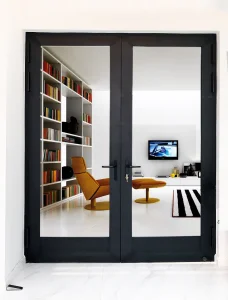
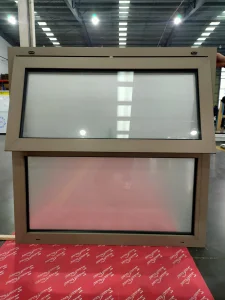
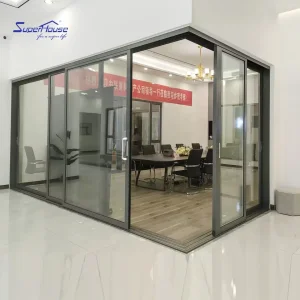
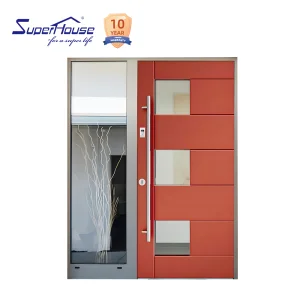
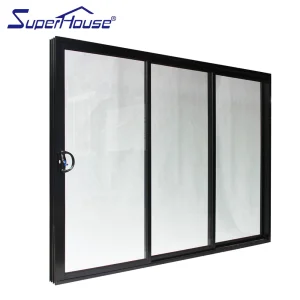
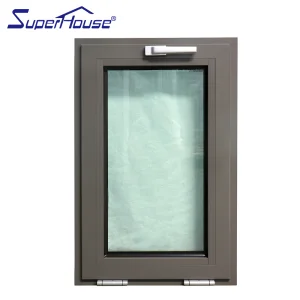
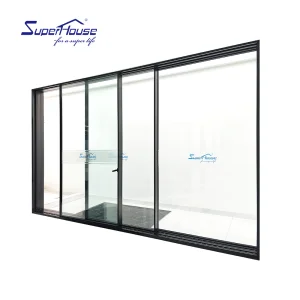
Demonstrating 18 Years of Architectural Engineering Integrity, Rigorous Metallurgy Control, and Global OEM/ODM Export Scale.
Since 2008, ArmorSafe Entry Door Systems Co., Ltd. has stood as a pioneer in high-security residential and commercial entry doors. With 18 years of manufacturing background and 10 years of export history, we operate a 22,000 sq ft factory that yields an annual export revenue of $25 million. Leveraging rich international trade expertise and 620 supply chain partners, we cater primarily to Importers, Hardware Distributors, and Big-Box Retailers in South America and Western Europe. We maintain uncompromising standards through a team of 30 QC personnel who execute strict dimensional checks, salt spray corrosion tests, and force-resistance testing. Our active R&D team, comprising 48 engineers, introduced 85 new product lines past year, providing clients with flexible customization options ranging from soundproofing cores to custom stainless steel hinges and electronic lock cutouts.
Understanding Thermal Transmittance (U-Factor), Polyamide Thermal Struts, and the Shift Toward Net-Zero Fenestration
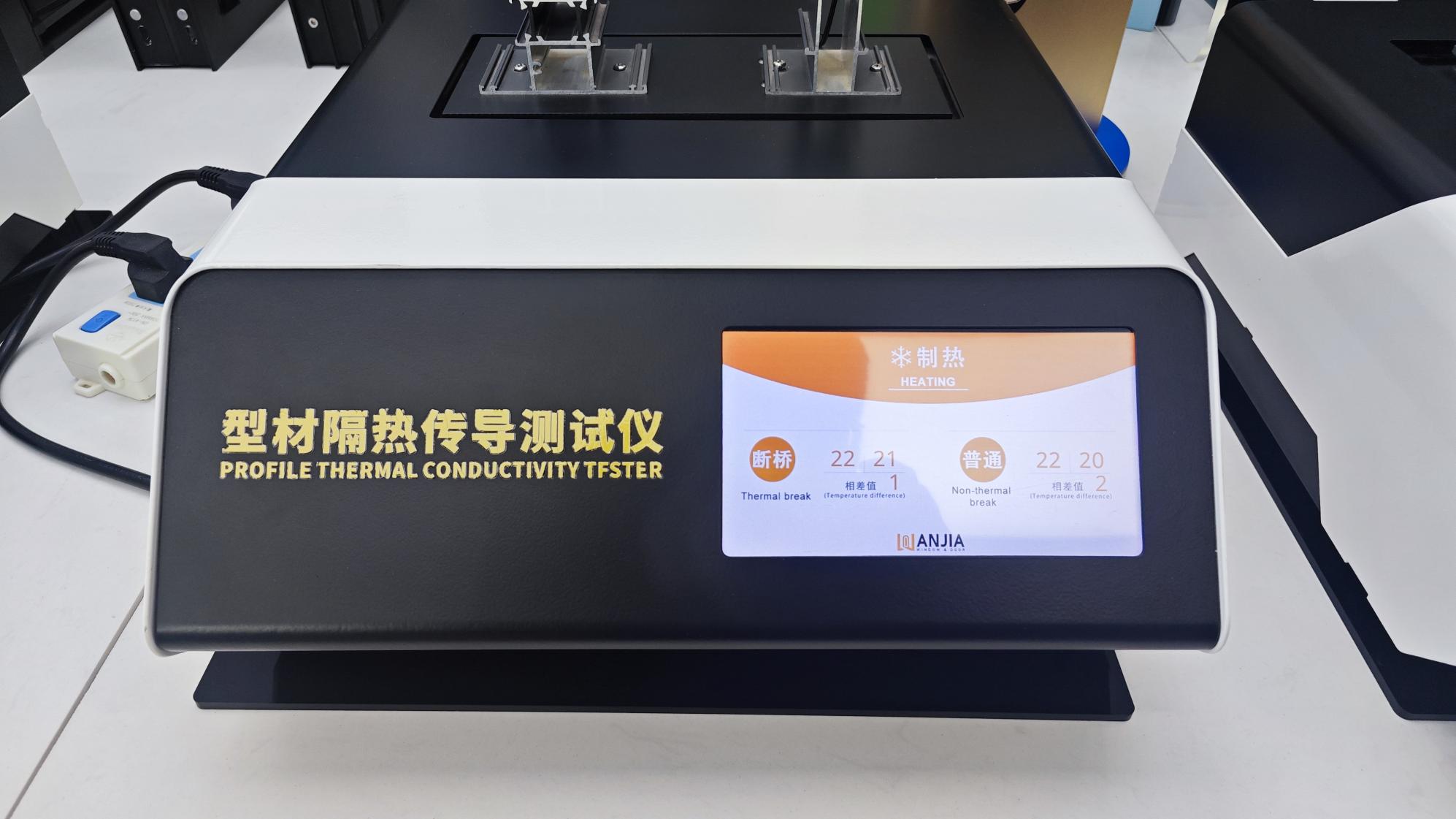
Standard aluminum extruded profiles possess high thermal conductivity (~160 W/m·K), leading to significant energy loss and interior condensation. Thermal break technology interrupts this conductive thermal bridge by mechanically crimping a glass-fiber reinforced polyamide strip (PA66-GF25) between the inner and outer aluminum extrusions. PA66-GF25 exhibits a thermal conductivity of merely 0.3 W/m·K, effectively reducing overall frame U-factors down to 1.2 - 0.8 W/m²K when combined with low-E insulated glass units (IGUs).
Thermal break aluminum systems engineered for multi-story residential towers and commercial facades must withstand extreme wind loads (up to 5000 Pa). By utilizing high-tensile 6063-T5/T6 structural aluminum alloys combined with dual-component corner crimping and injected German-formula corner sealants, our fenestration profiles preserve structural elasticity while eliminating deflection under extreme shear and wind pressure load cycles.
By implementing multi-cavity isobaric sealing systems paired with EPDM (Ethylene Propylene Diene Monomer) gasket arrays, air infiltration is minimized to under 0.05 cfm/ft² (ASTM E283). Simultaneously, the combination of asymmetrical triple-layer laminated toughened glass and argon gas flushing yields sound transmission class (STC) ratings exceeding 42 dB, fulfilling stringent acoustic requirements for high-density urban developments.
Information Gain Insight: Modern architectural specs require more than basic insulation. High-tier commercial bids evaluate the complete Solar Heat Gain Coefficient (SHGC), Condensation Resistance (CR), and Structural Performance Grade (PG). ArmorSafe thermal break doors incorporate multi-chamber insulation inserts and warm-edge TGI spacers to optimize the complete thermal envelope without altering slim-profile frame aesthetics.
From Raw Profile Extrusion Cutting to Final Double-Glazed System Assembly: Our 13-Stage Production Engine.
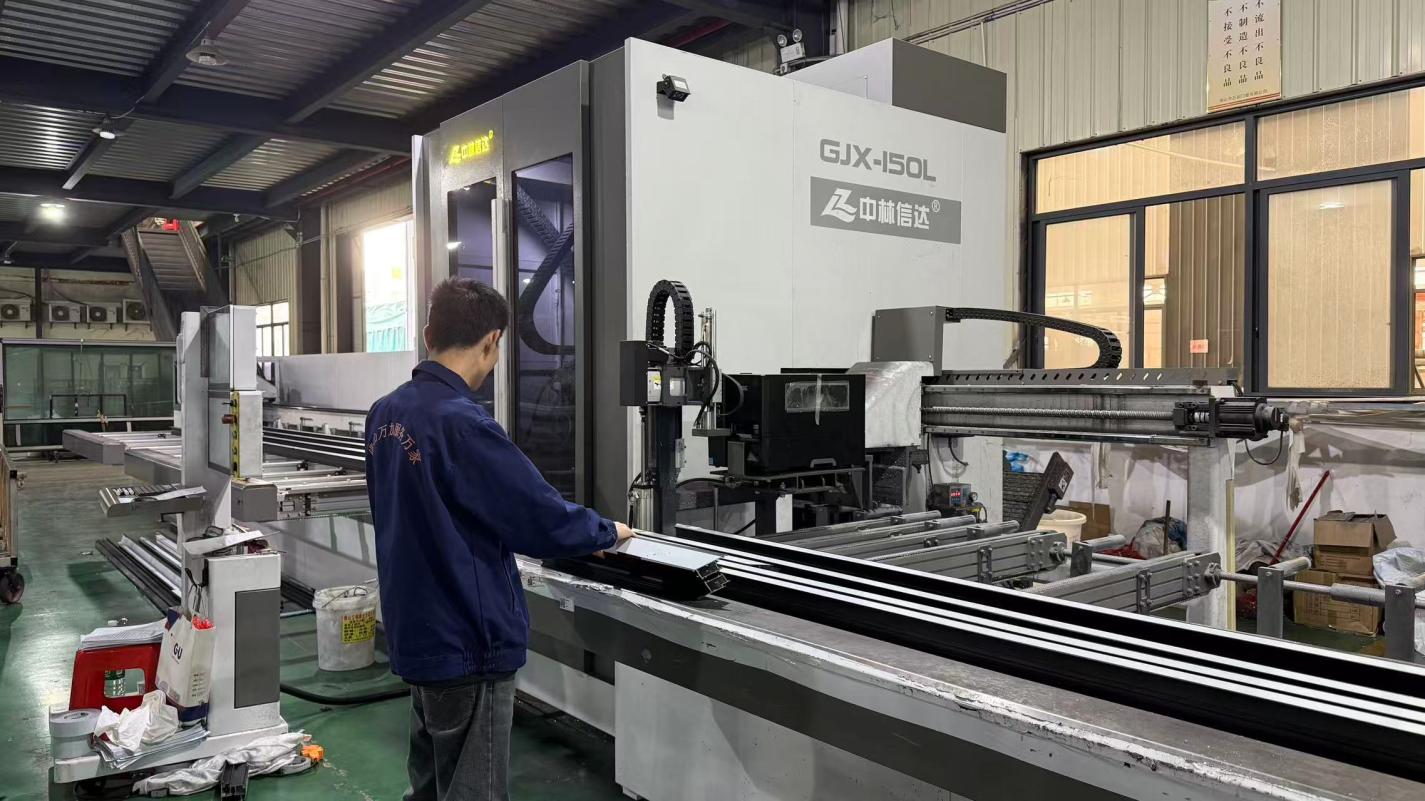
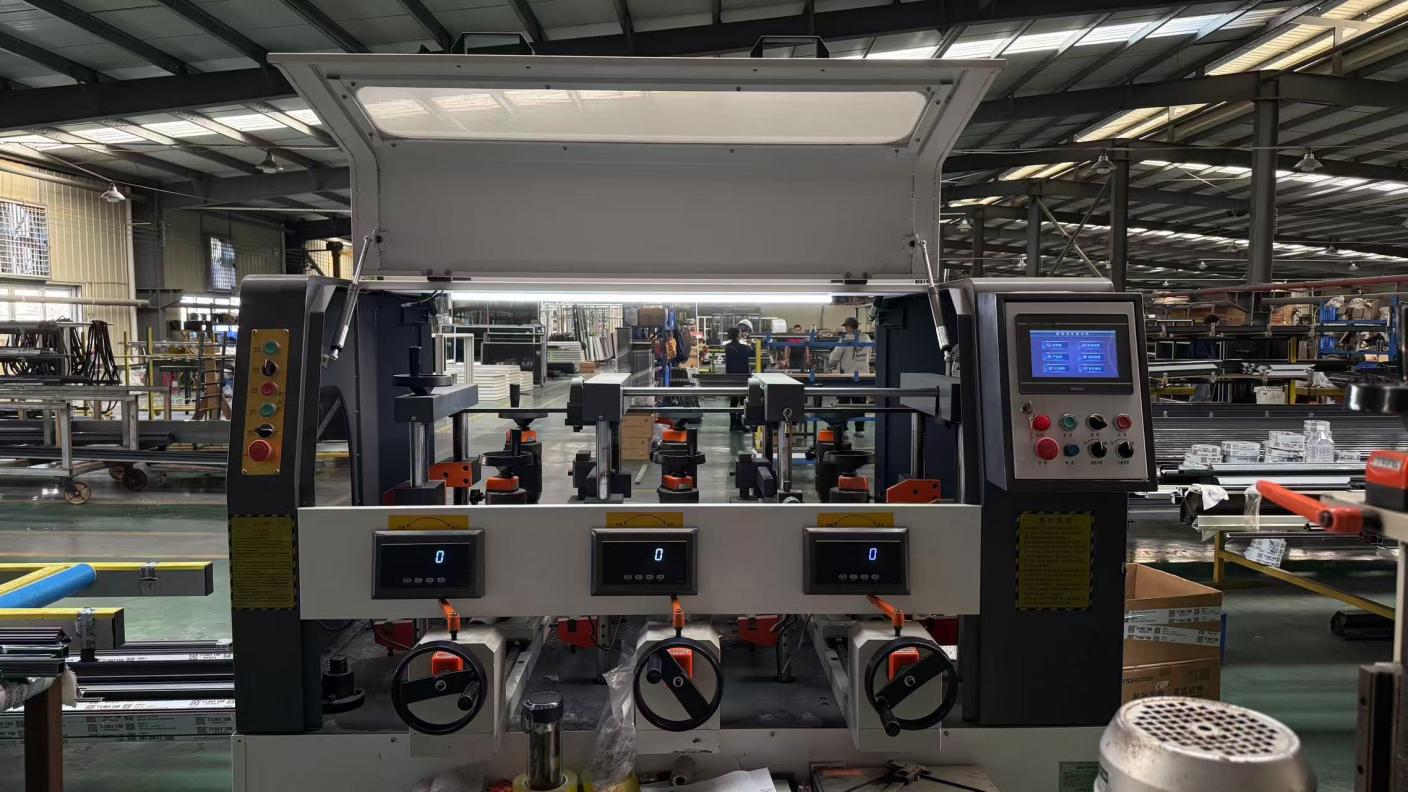
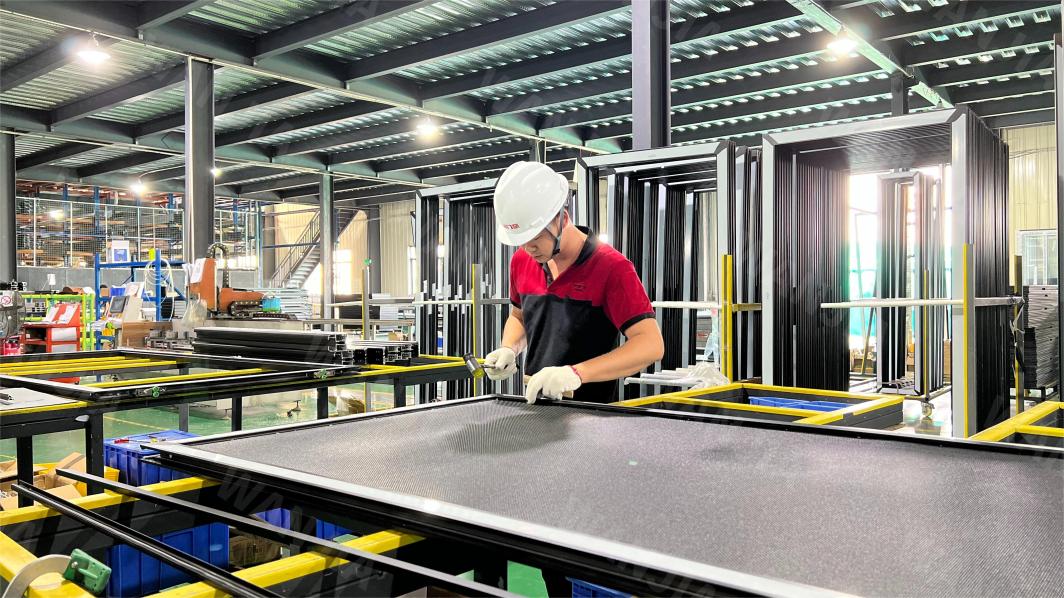
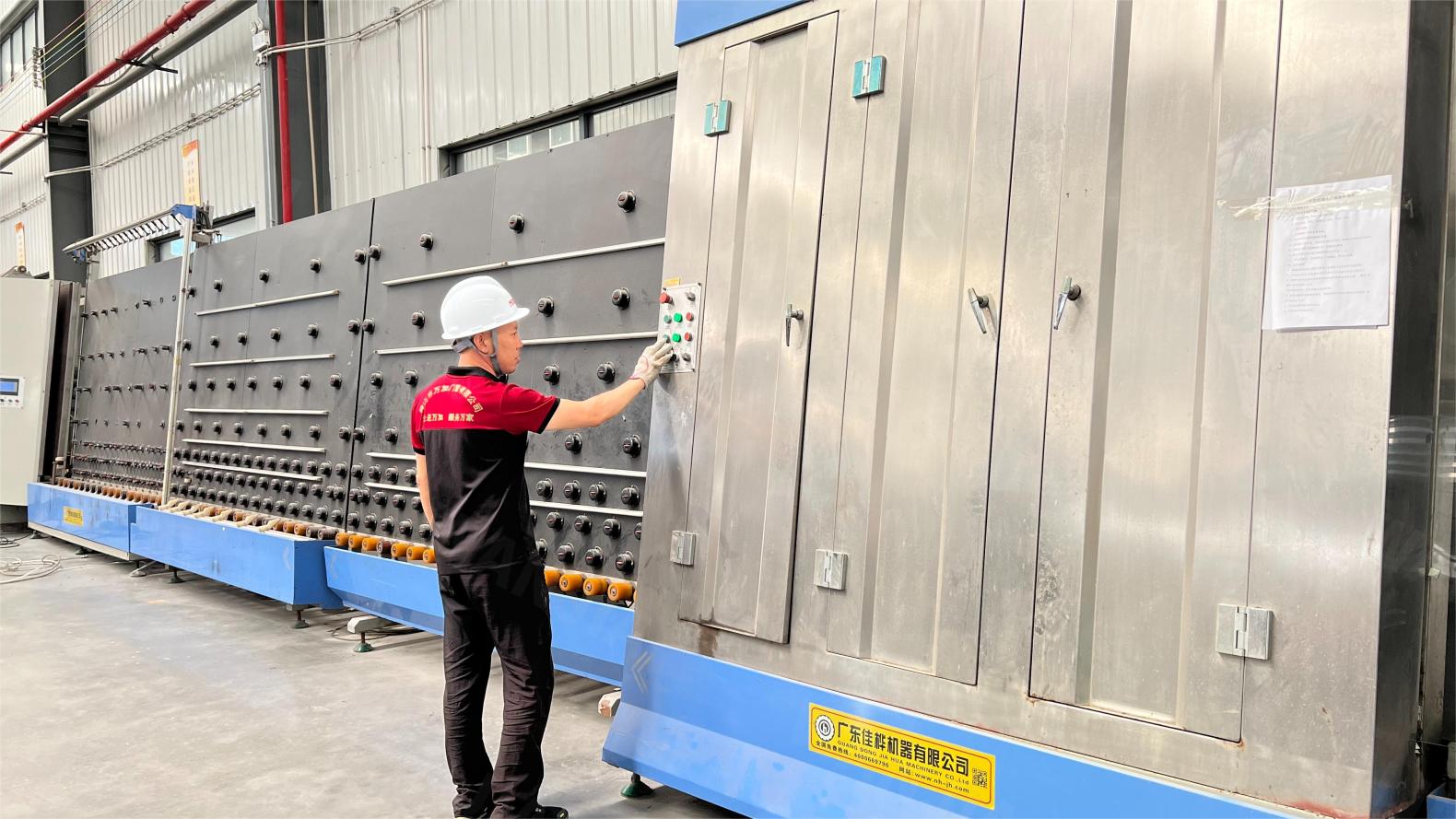
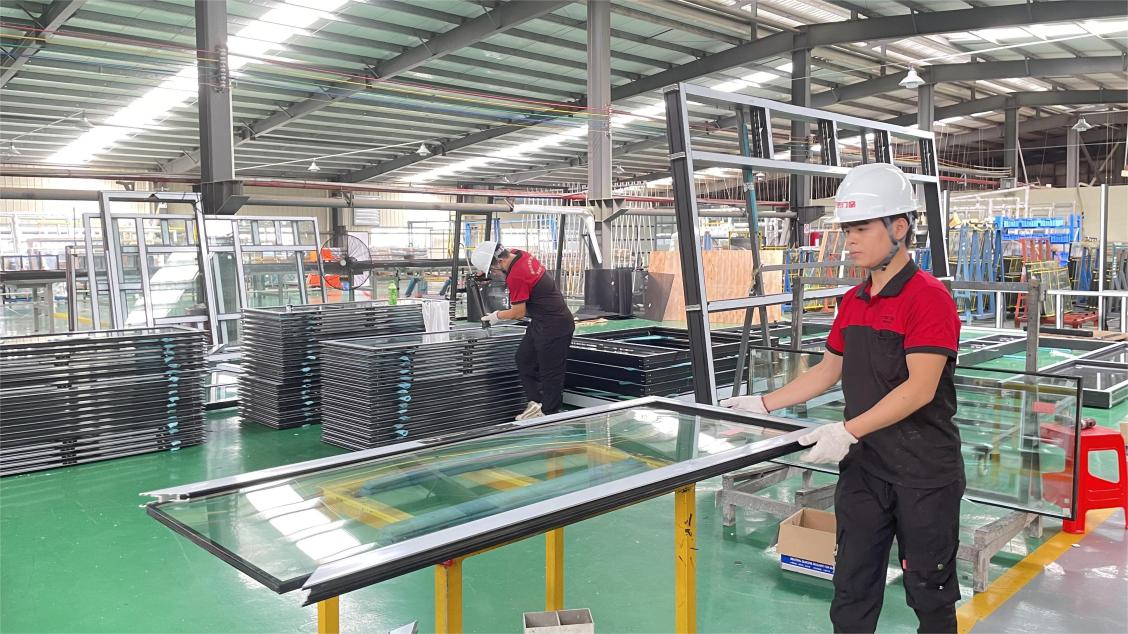
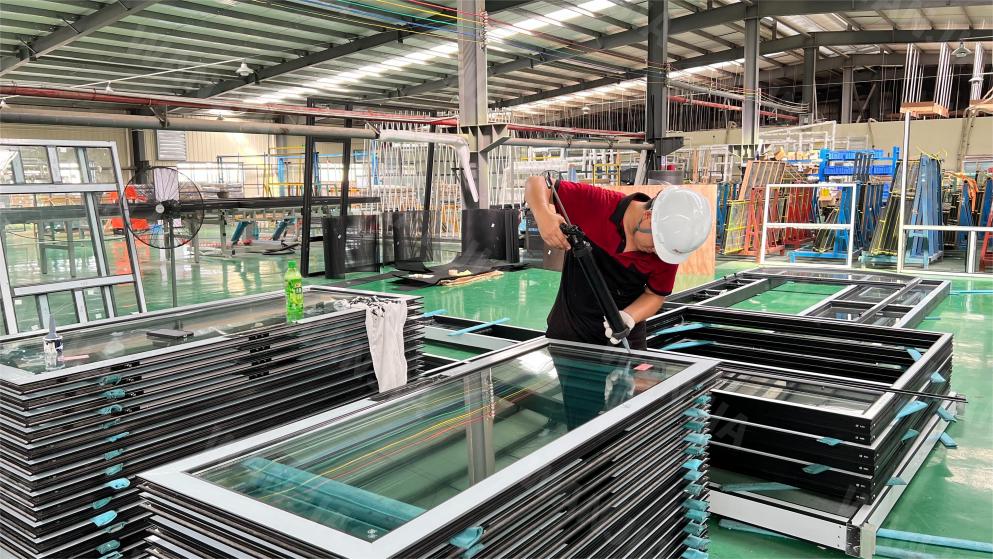
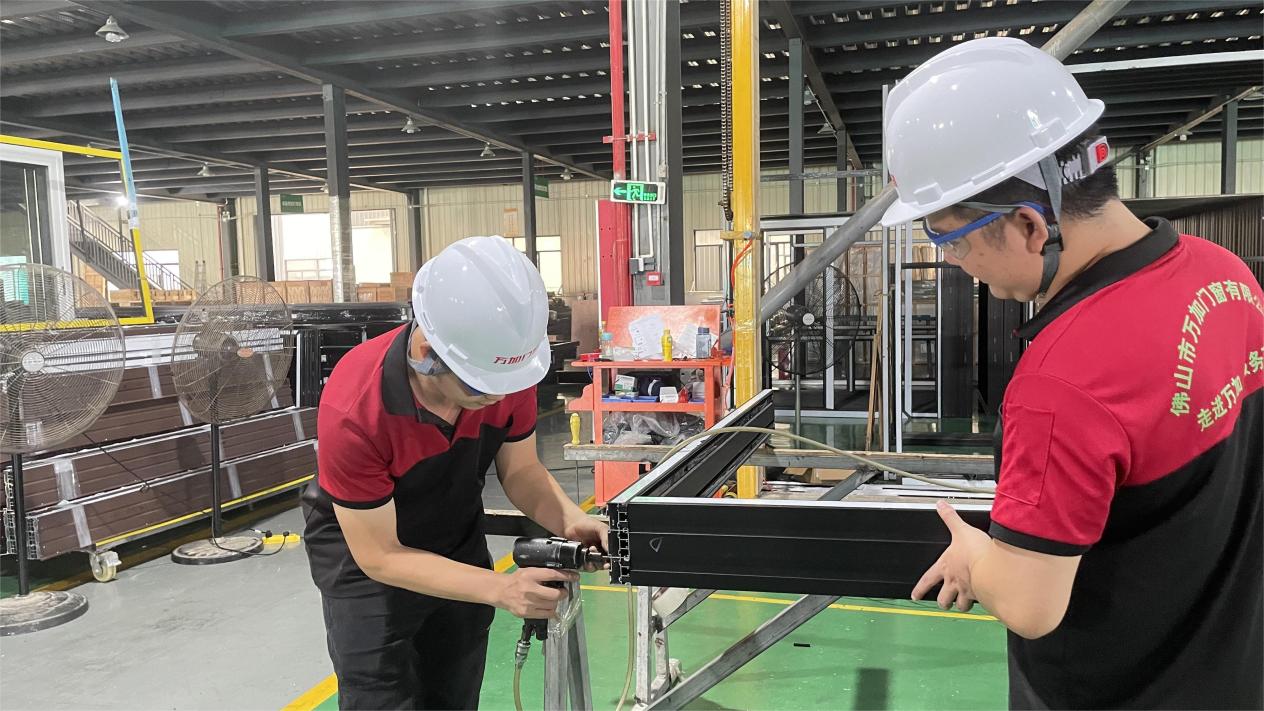
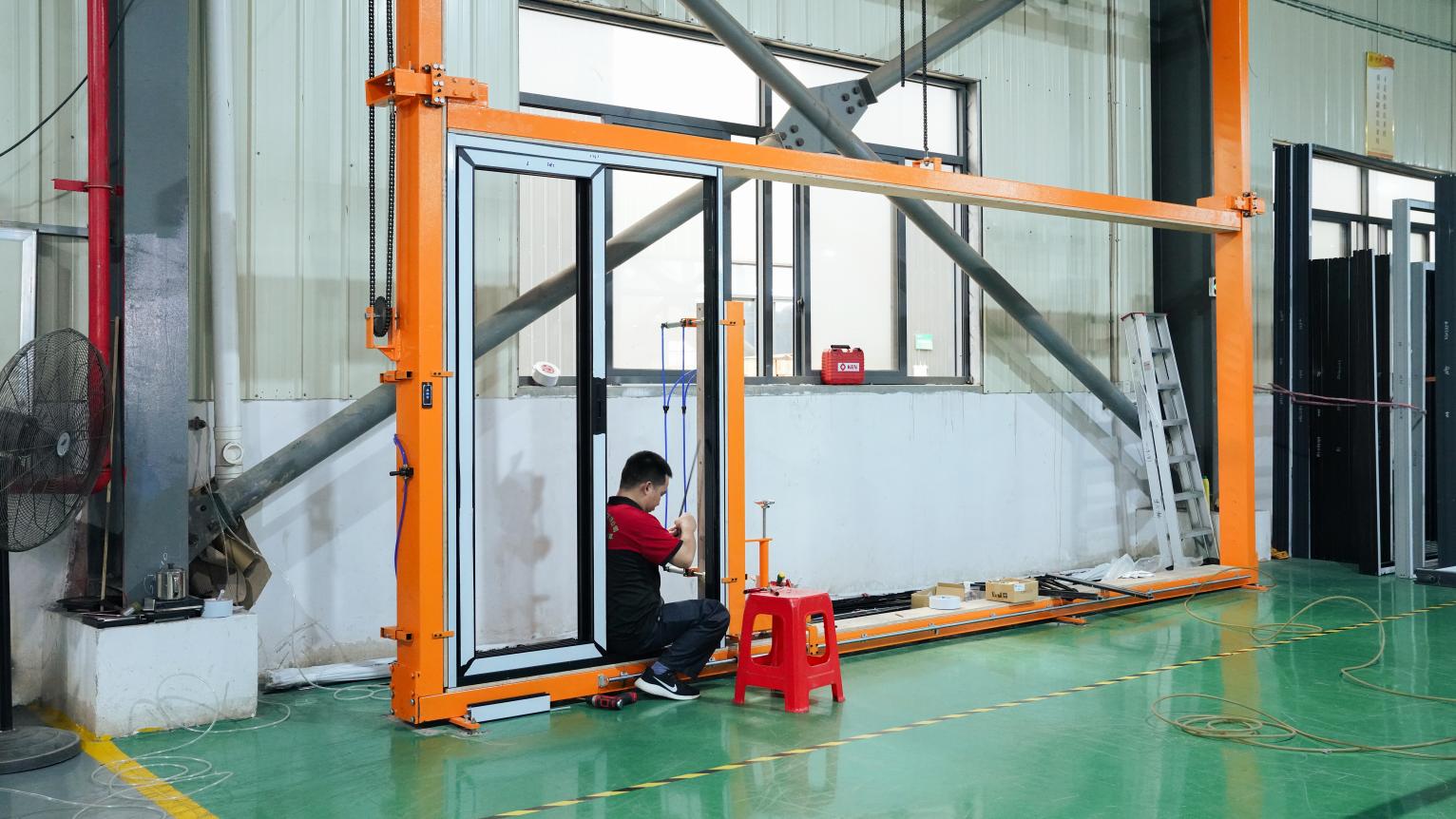
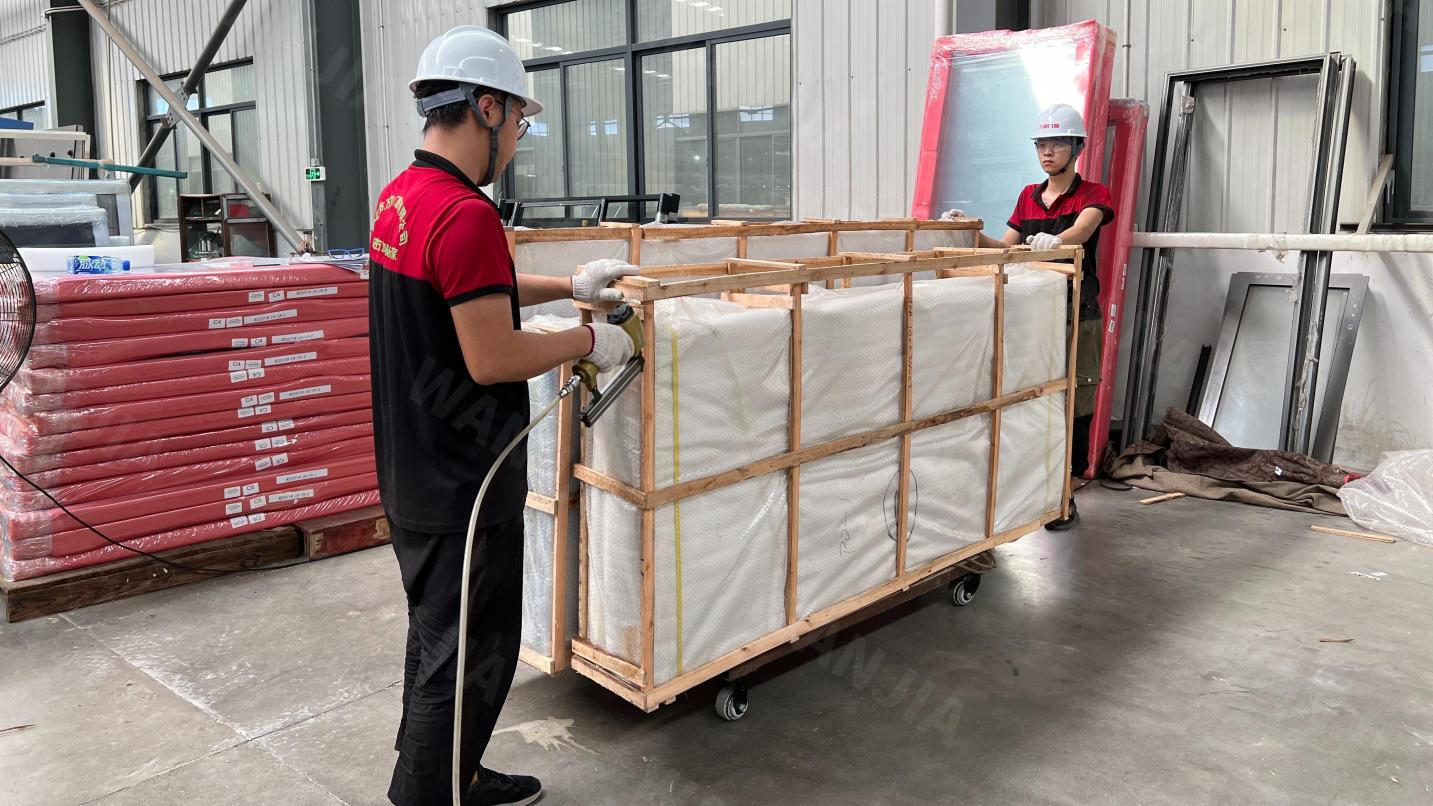
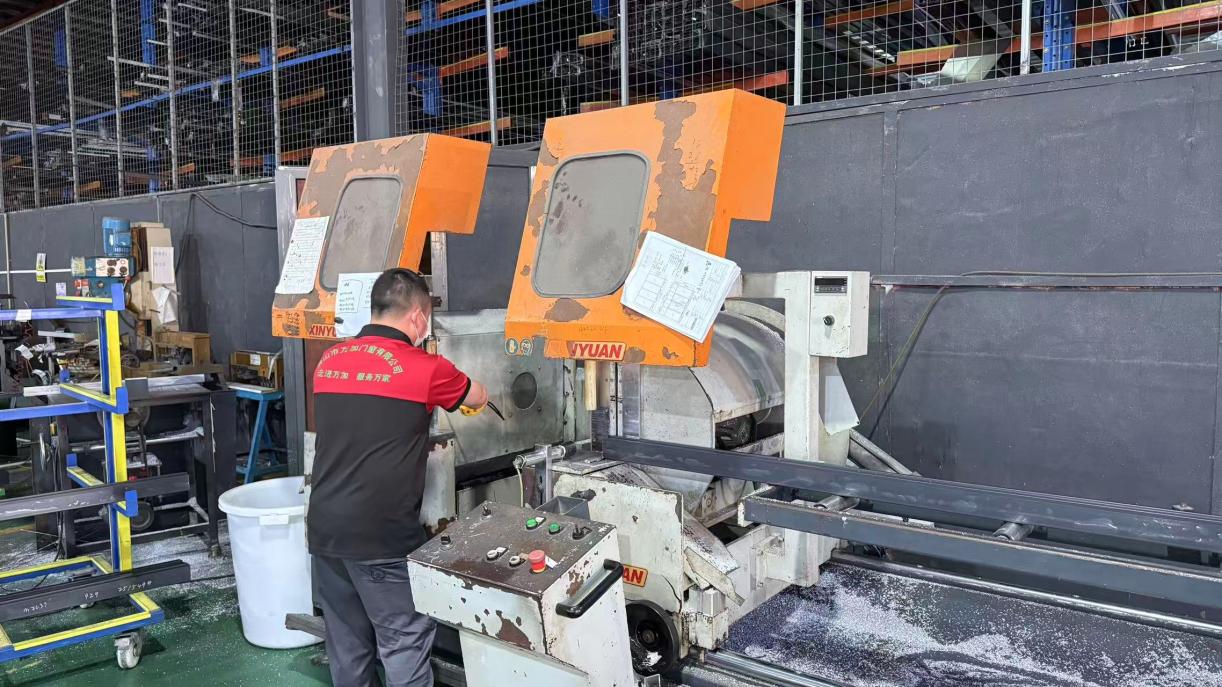
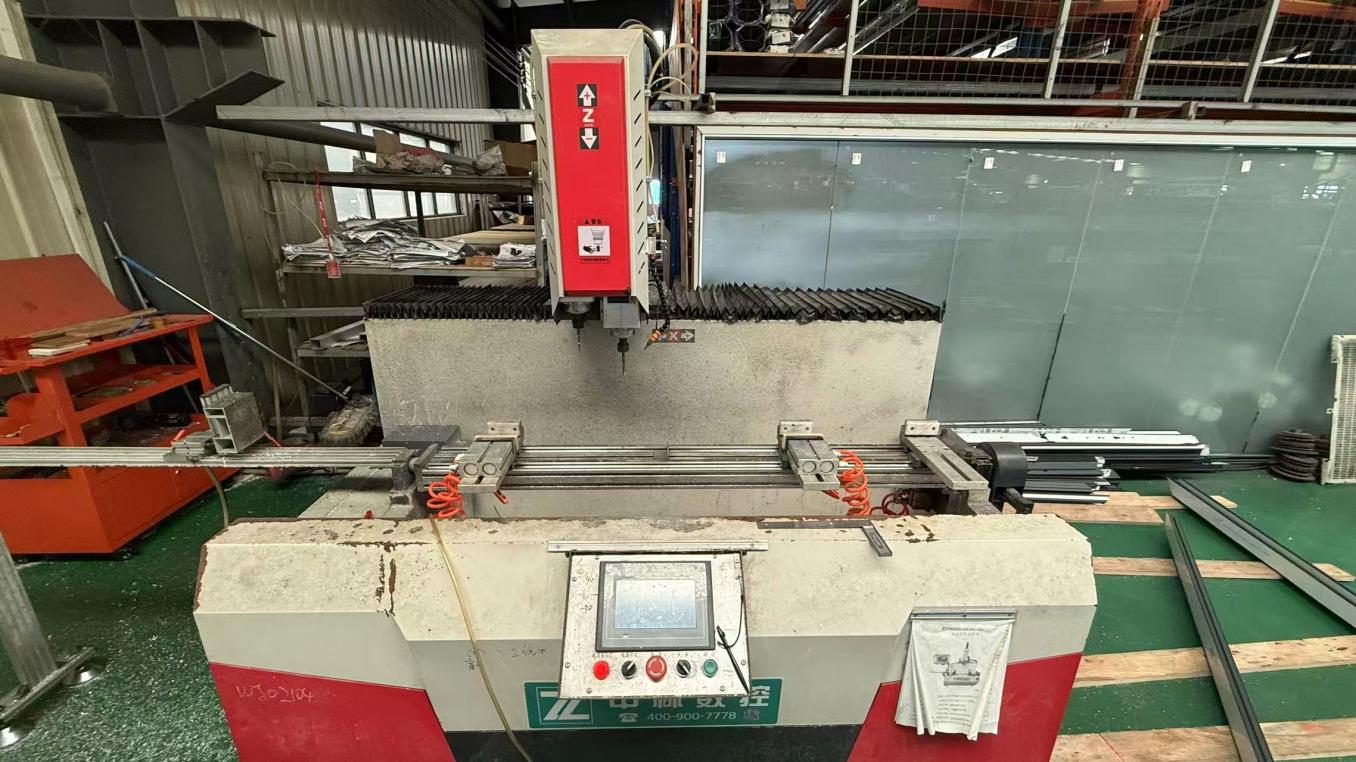
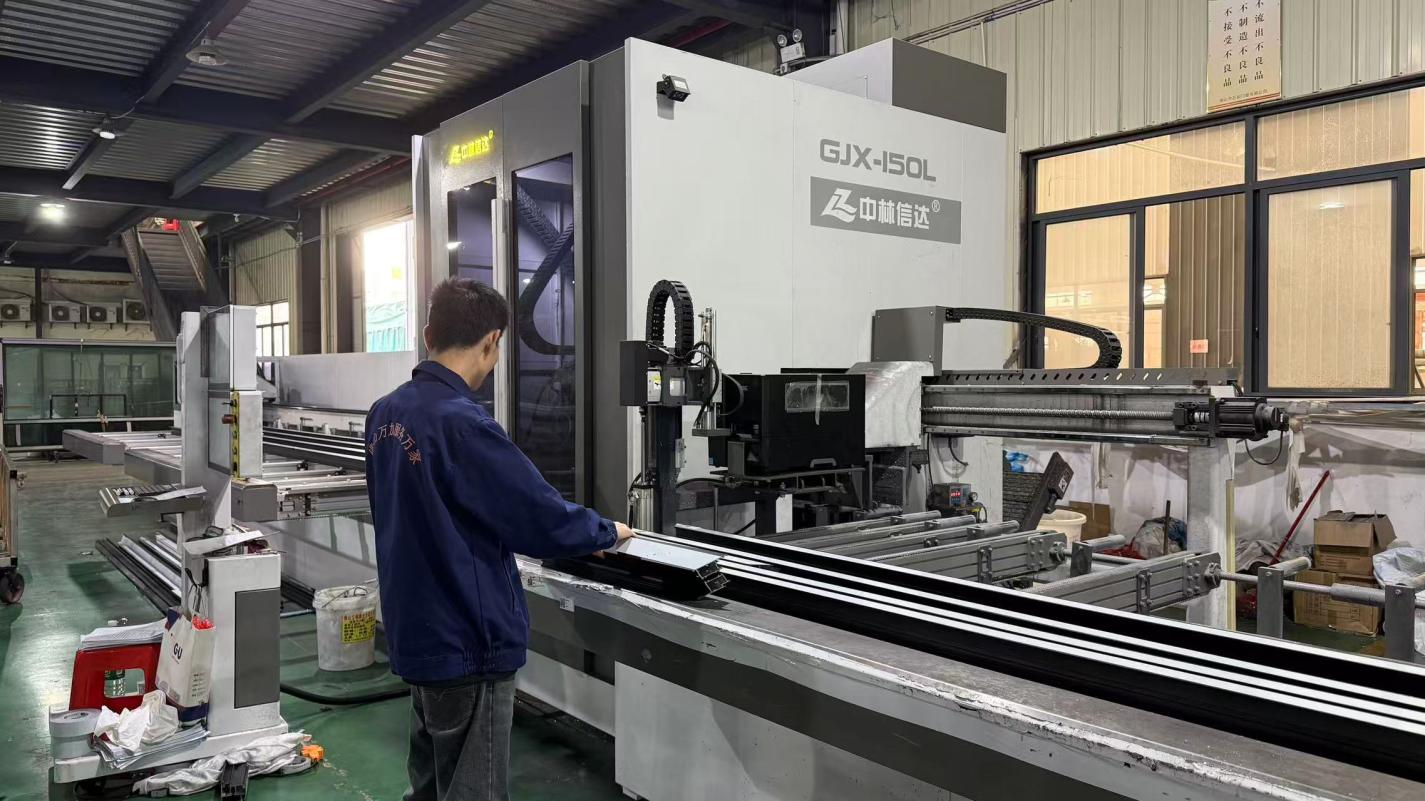
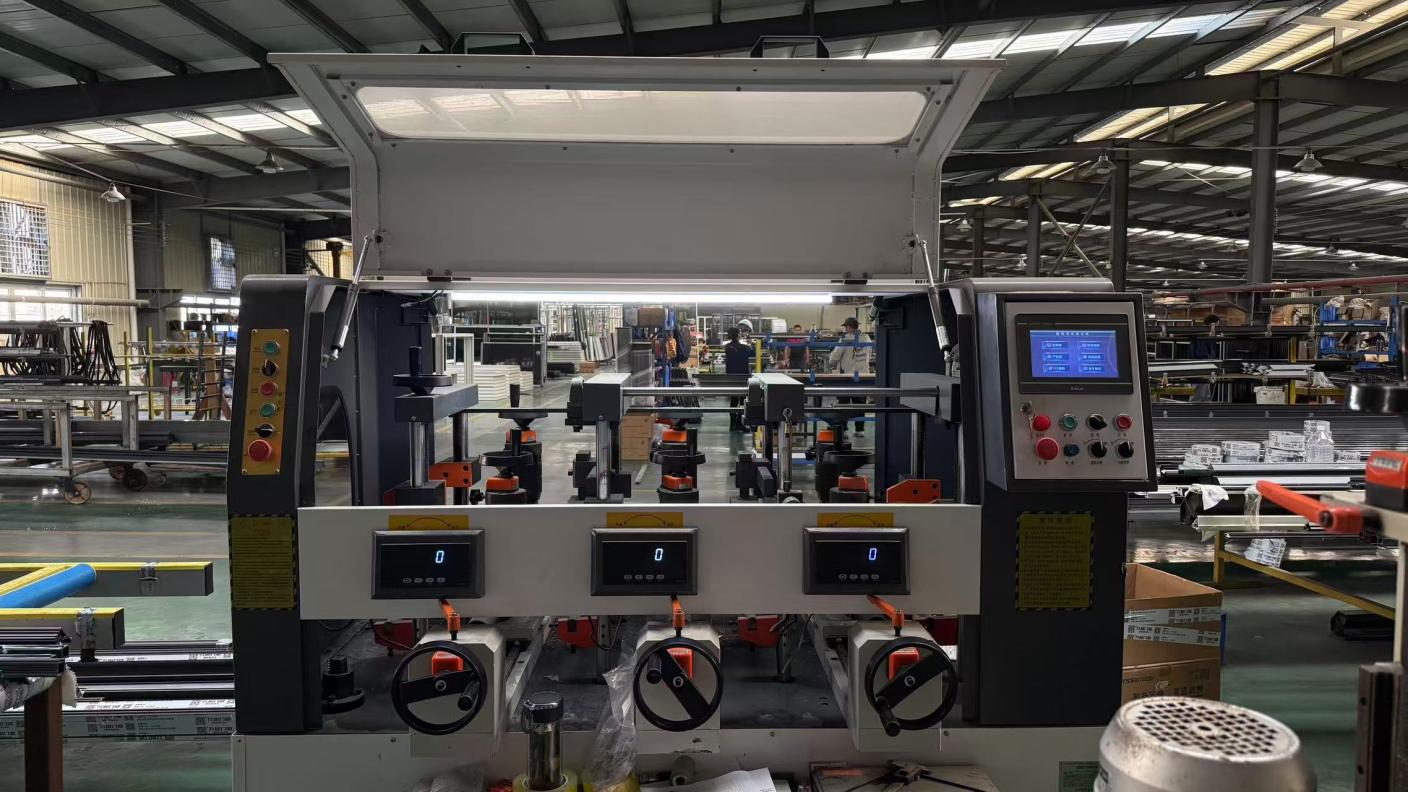
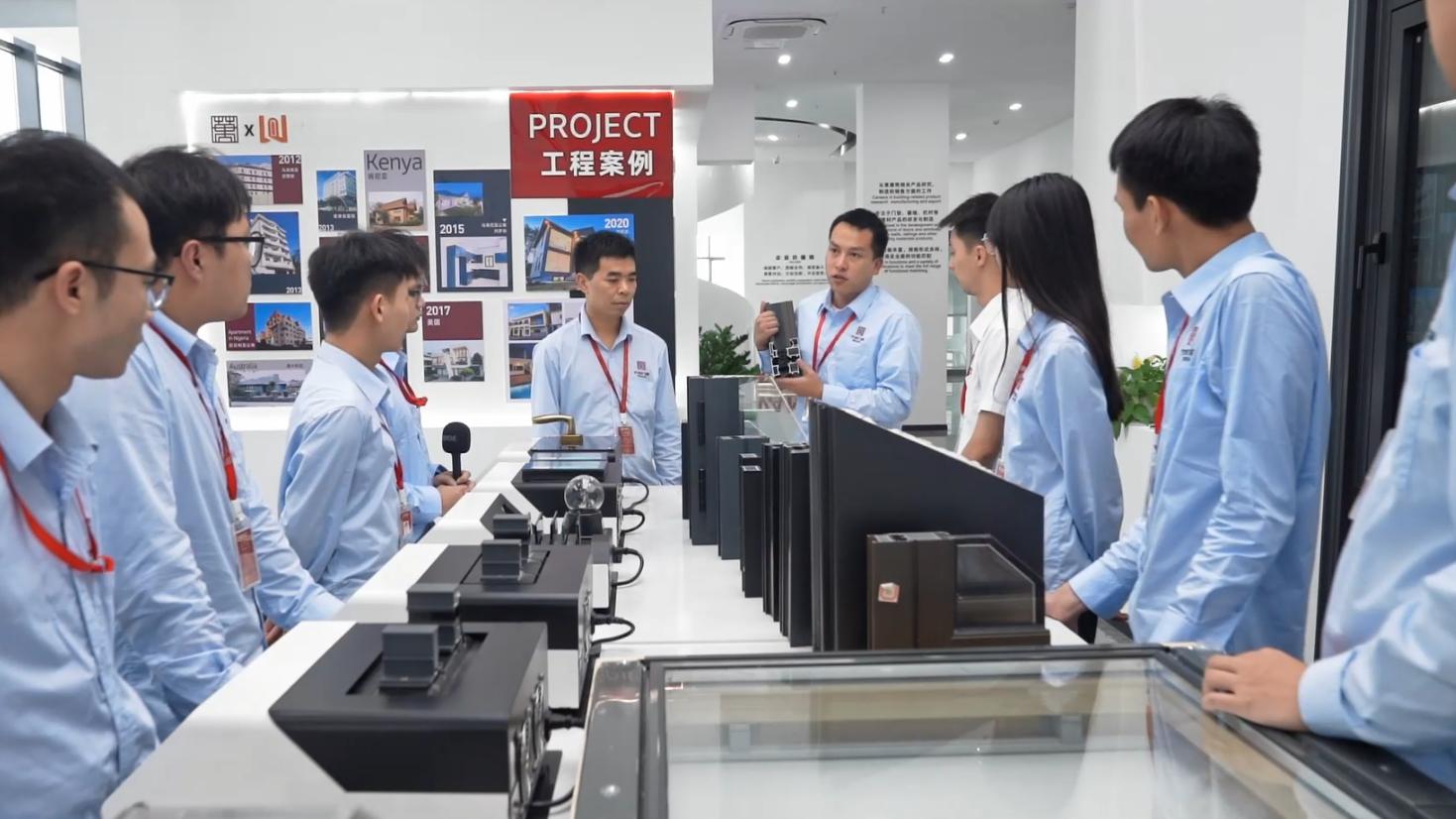
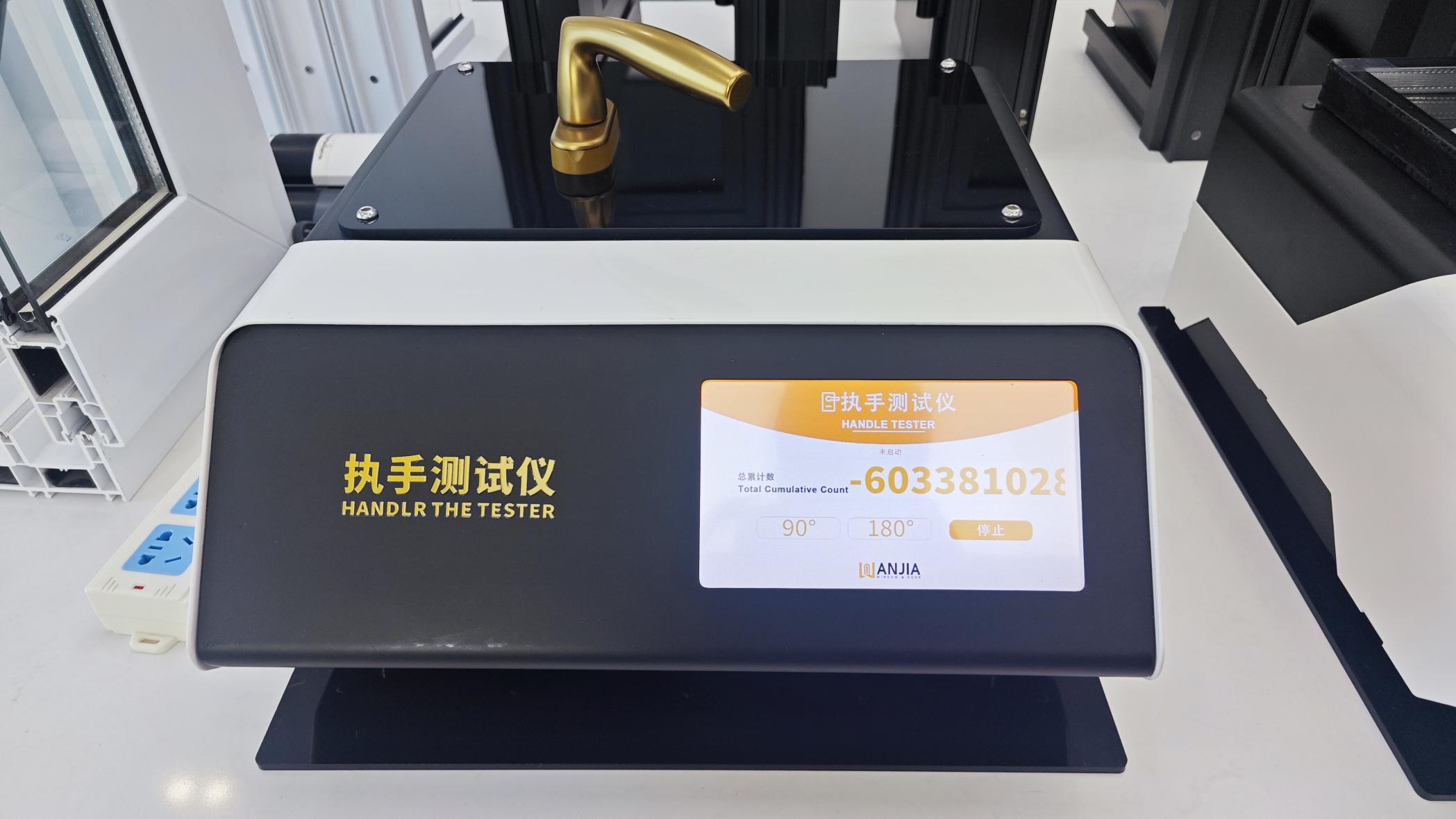
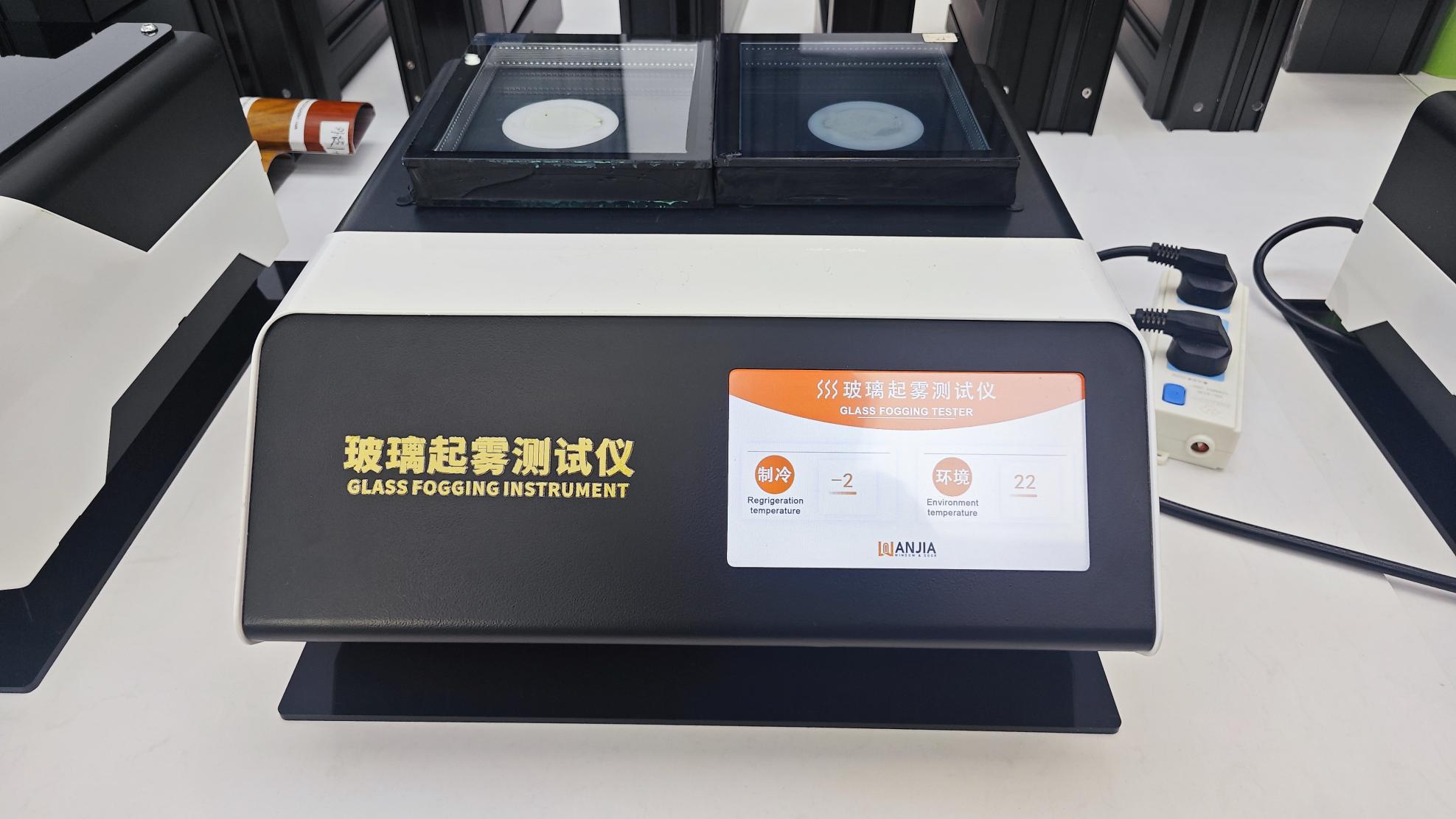
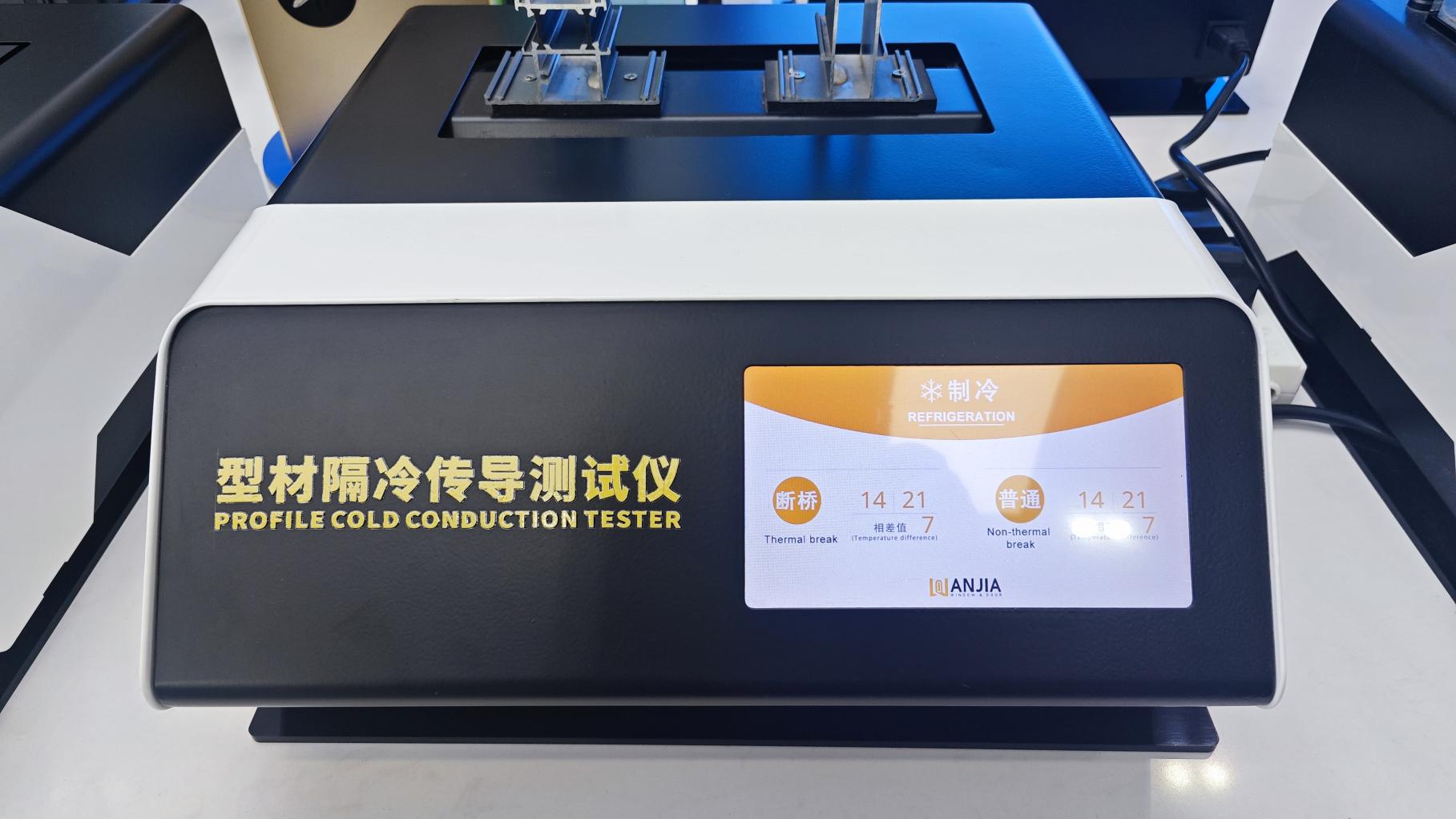
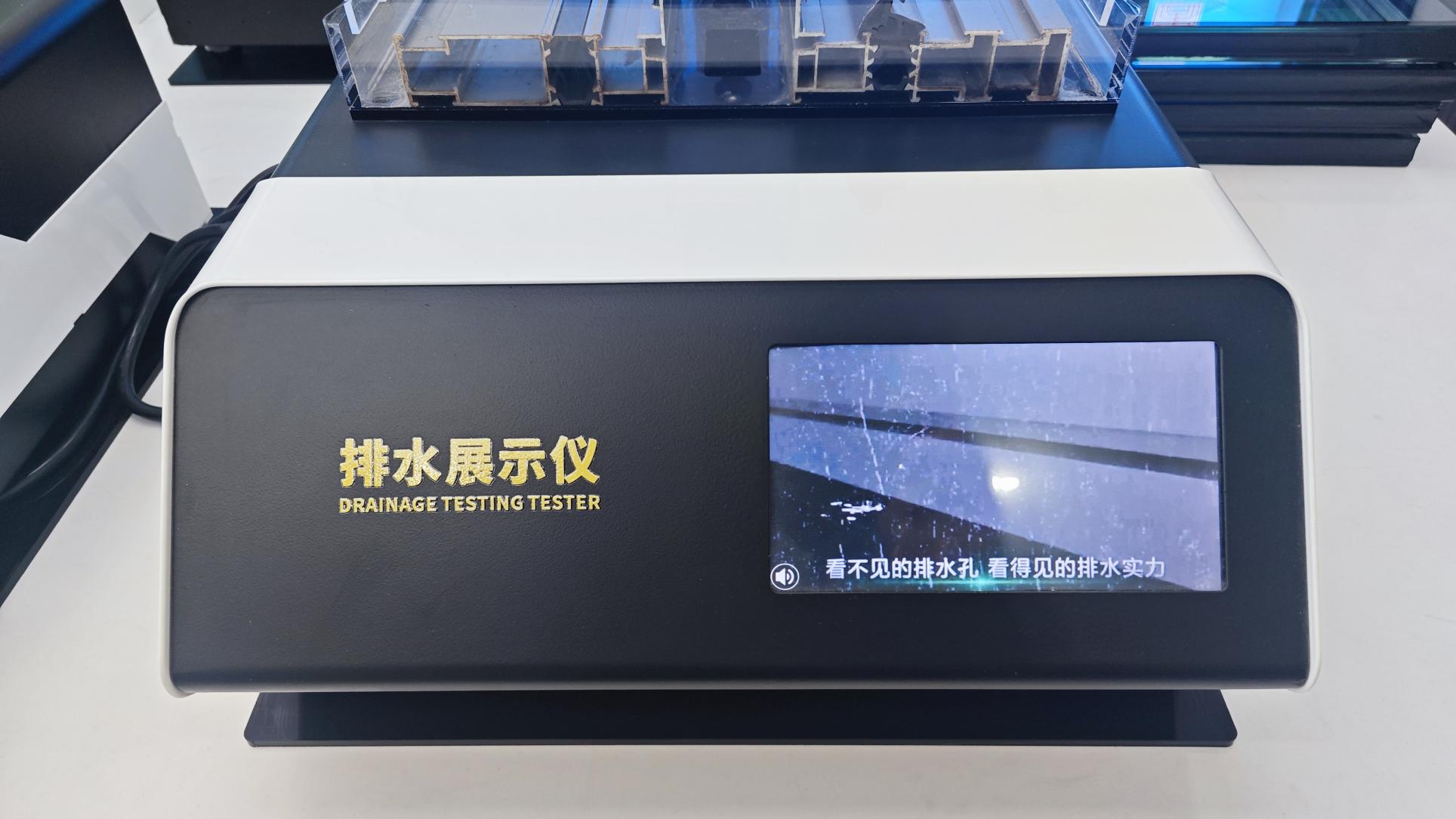
Our 30-Member Quality Control Division Subject Every Production Lot to Extreme Stress, Thermal Conductivity, and Water Tightness Diagnostics.
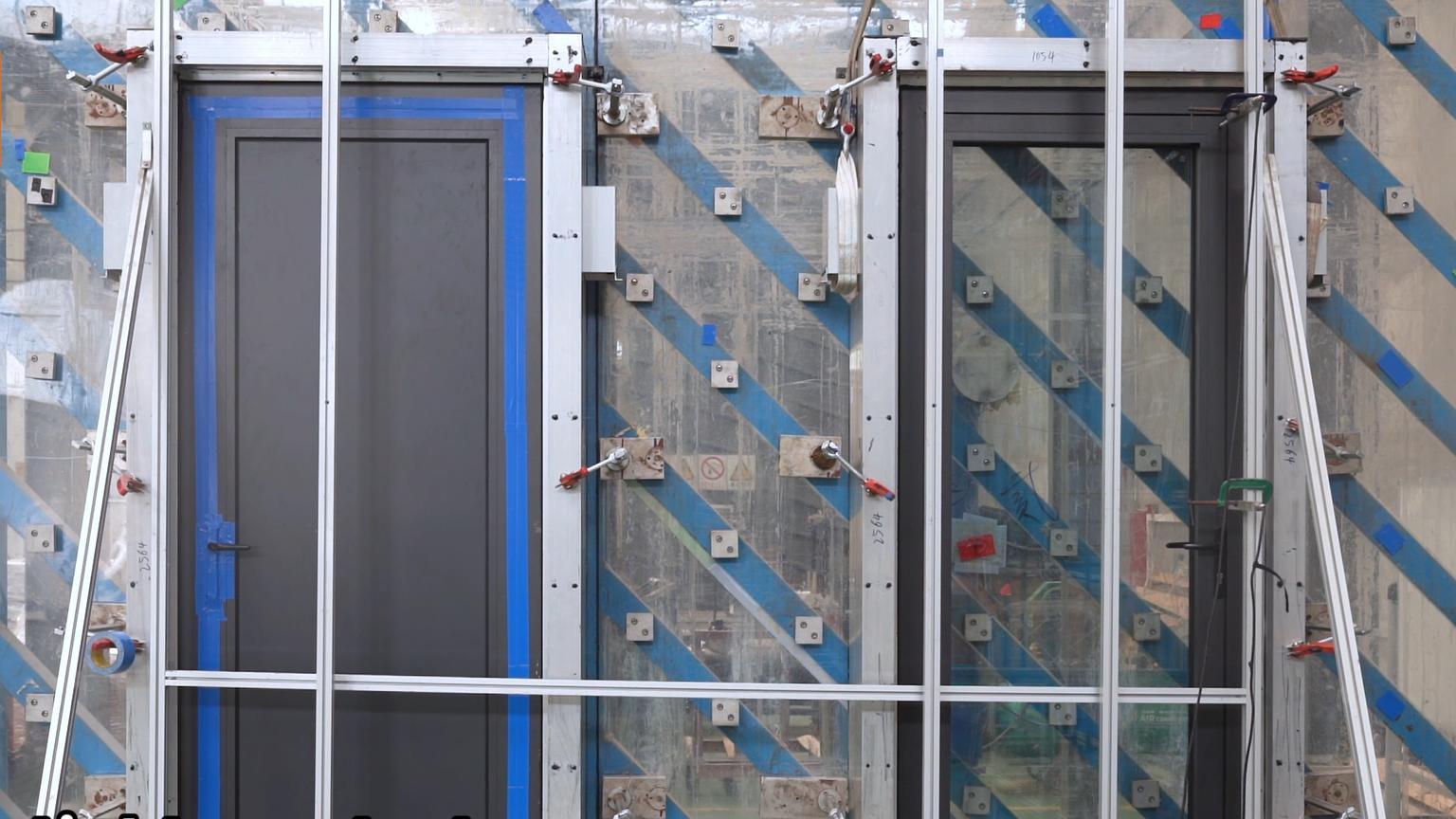
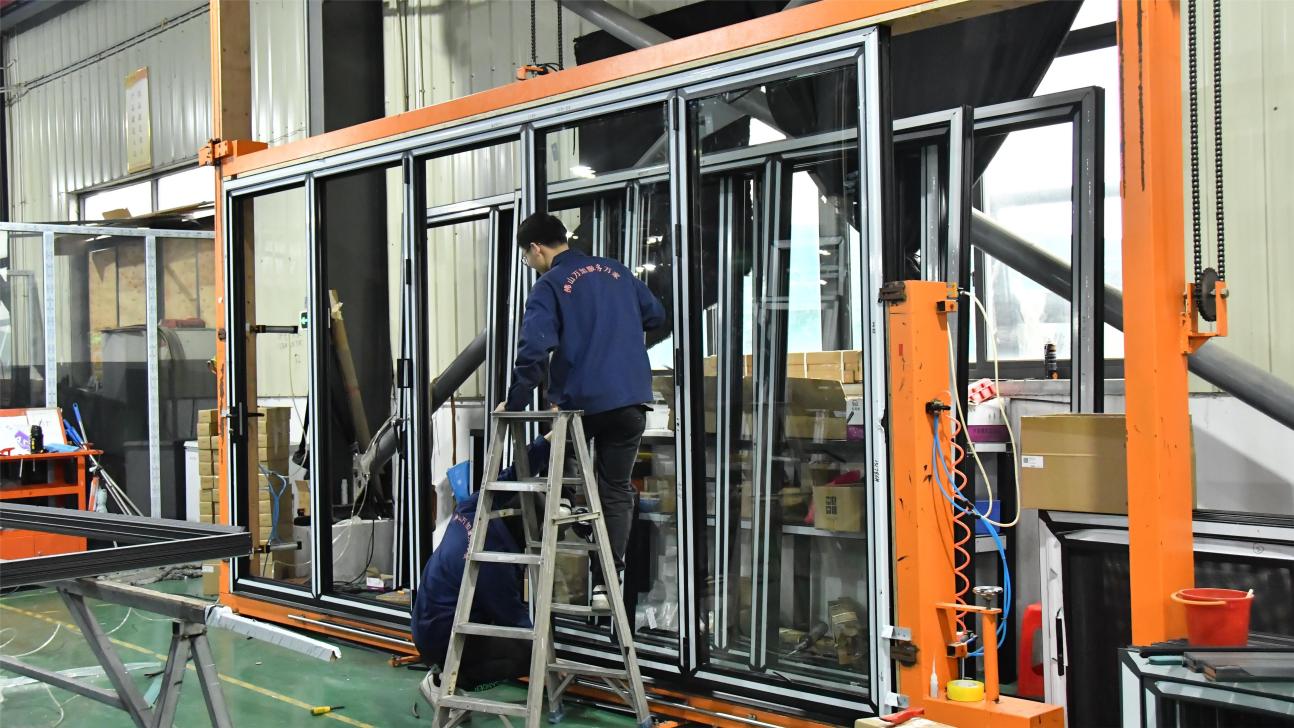
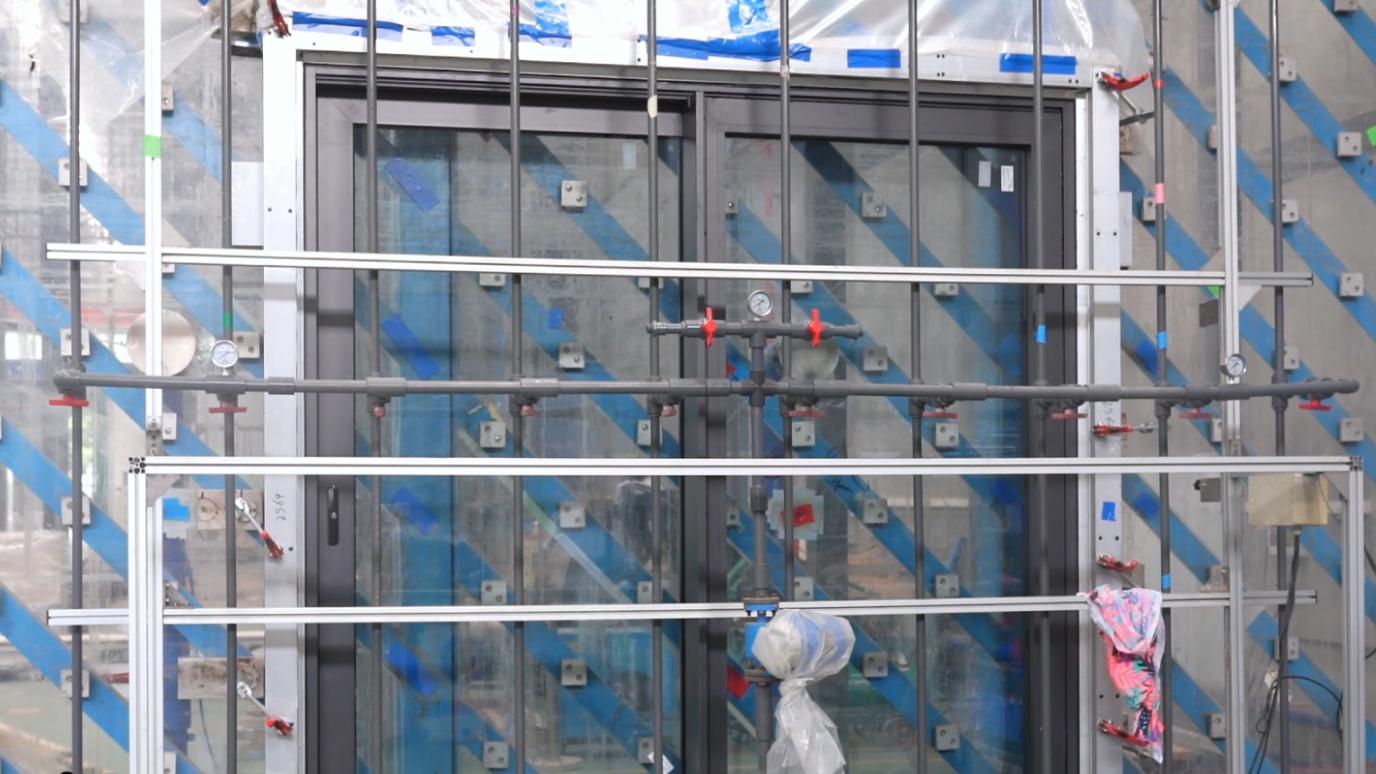
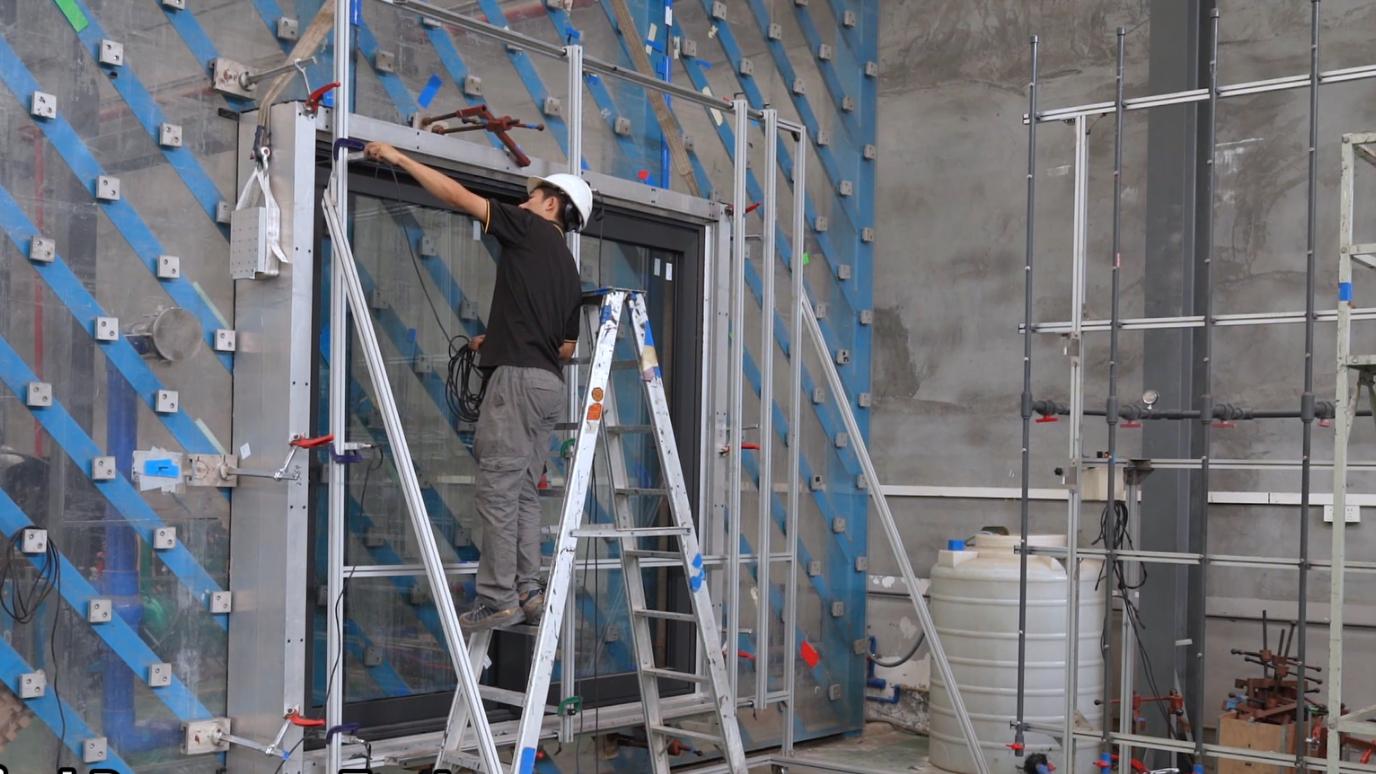
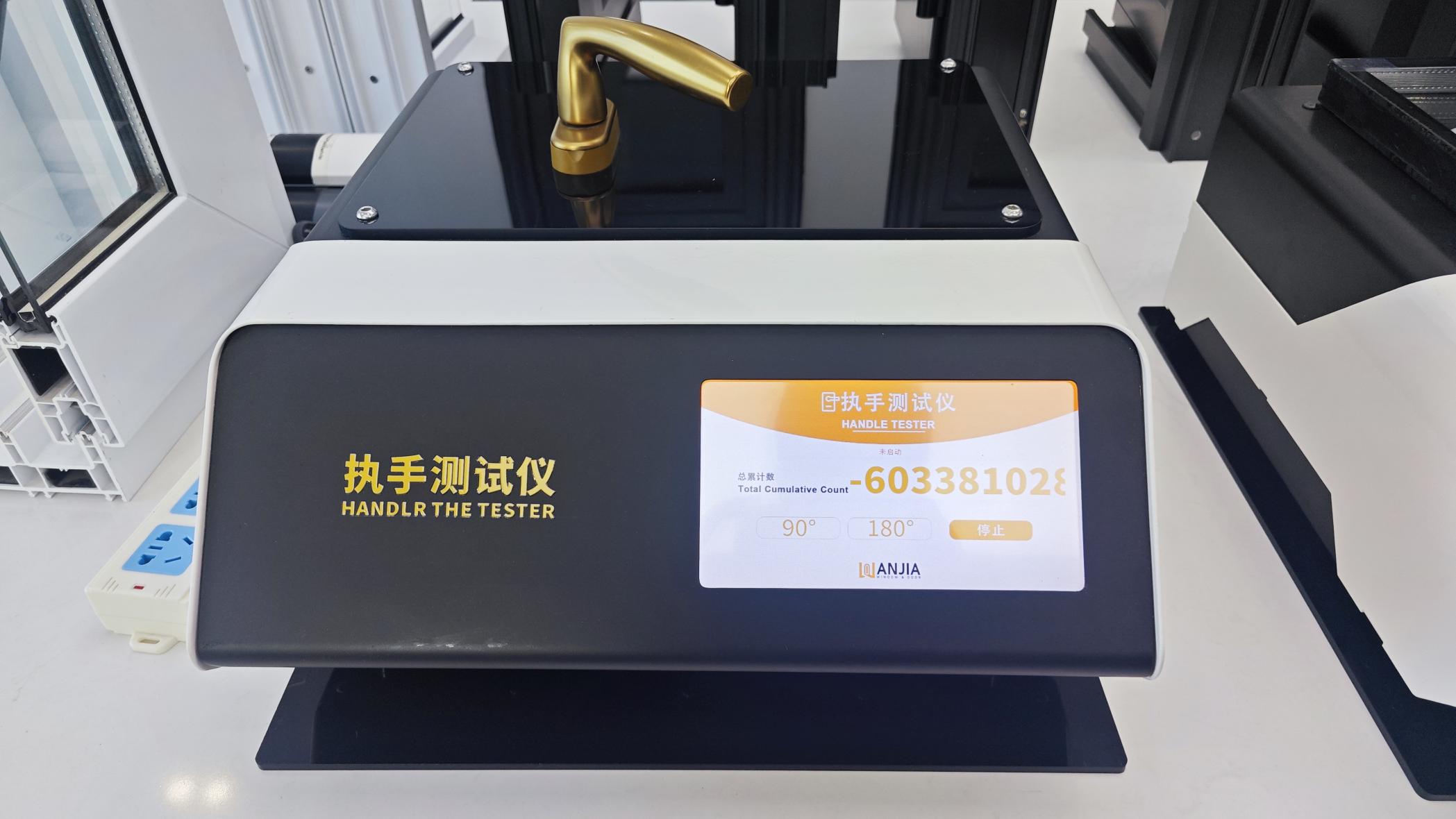
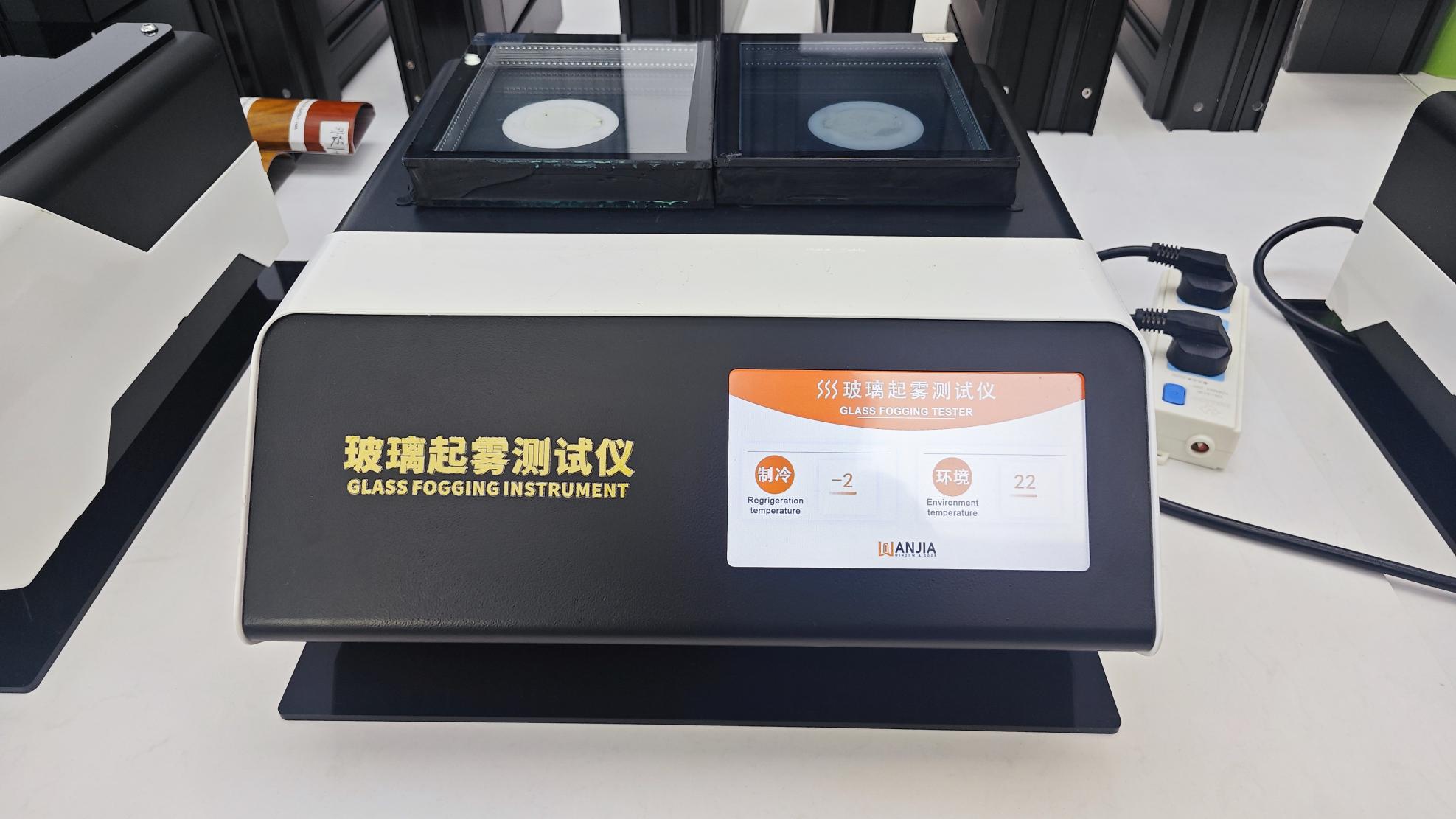
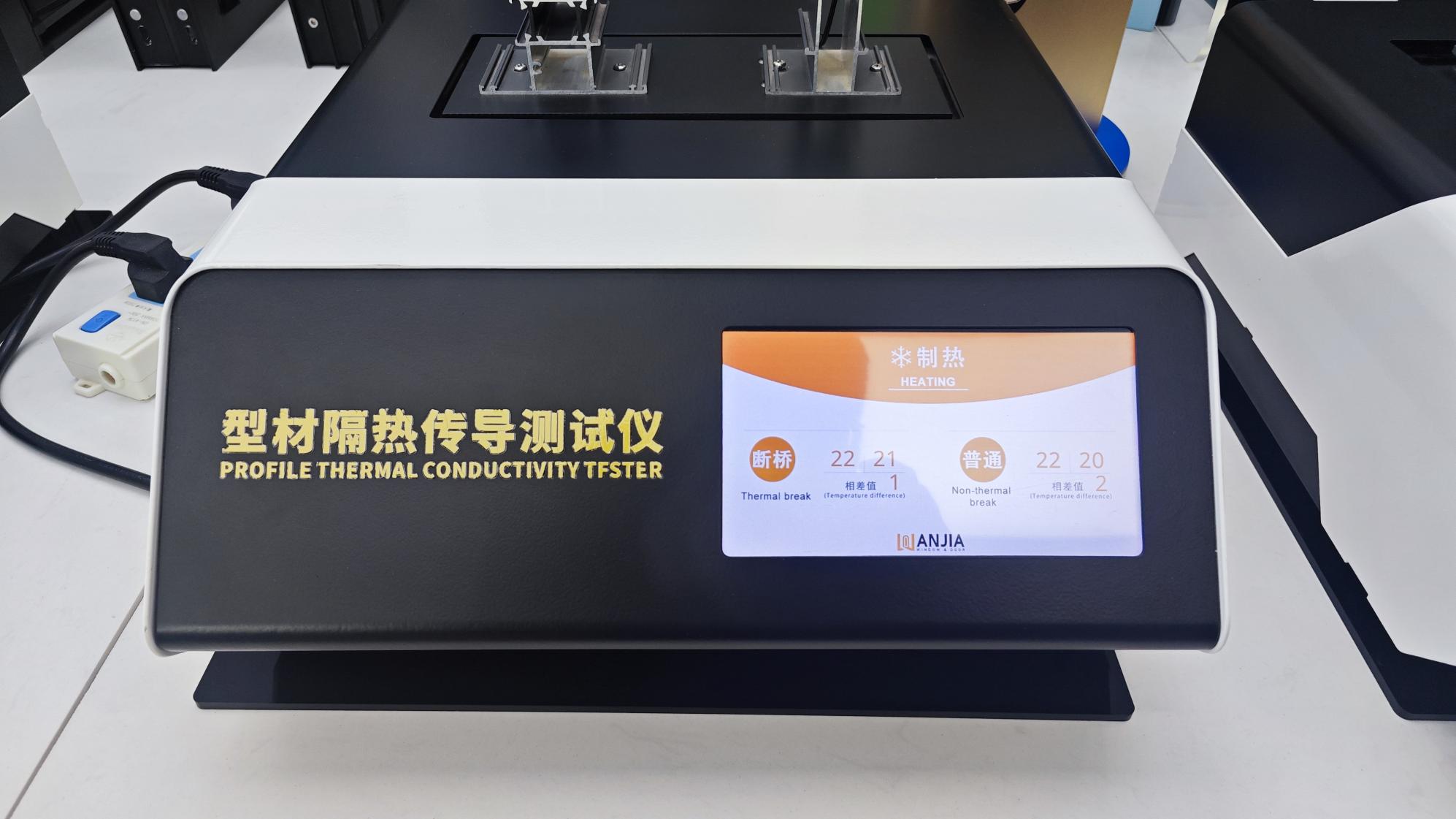
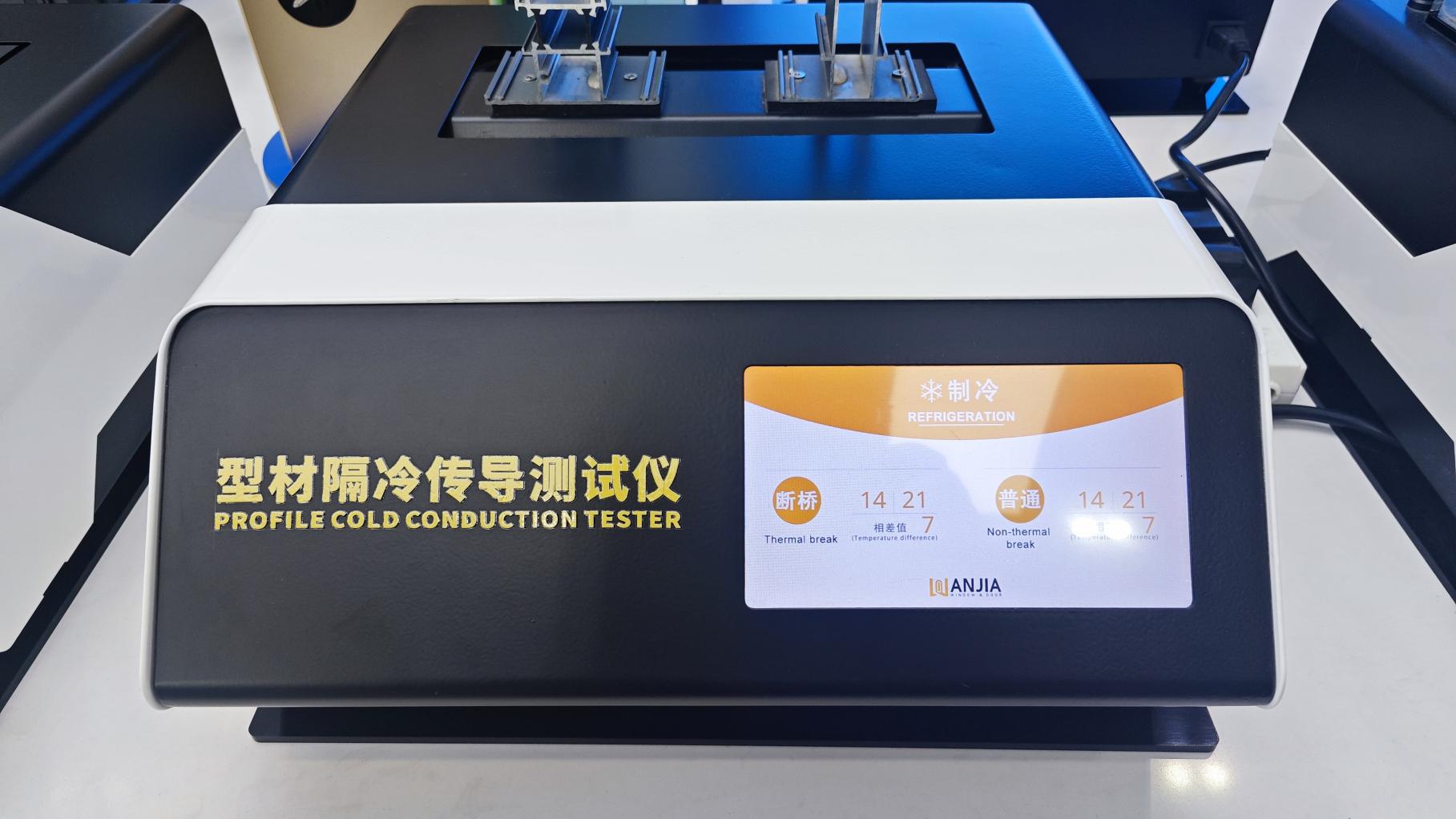
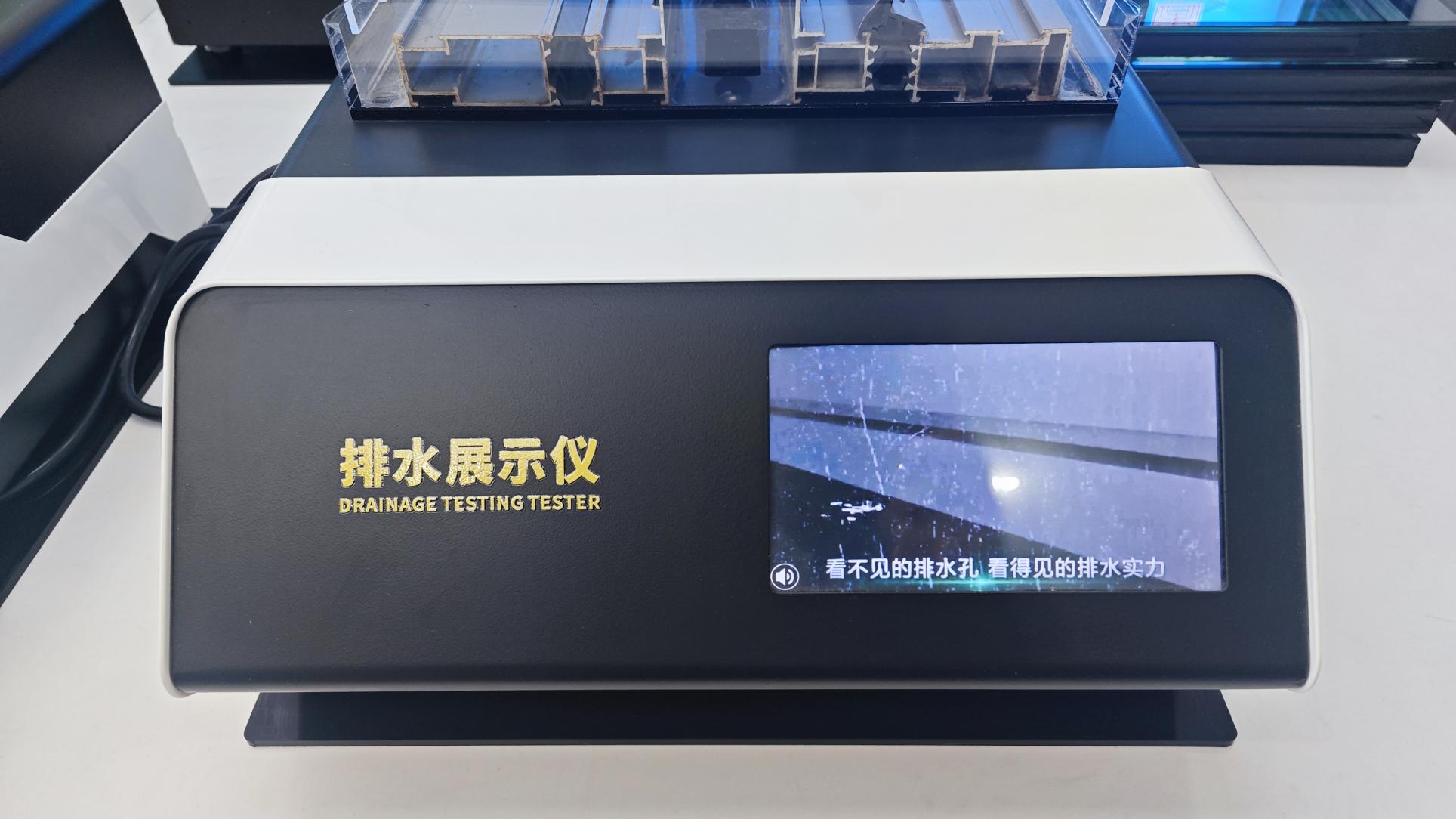
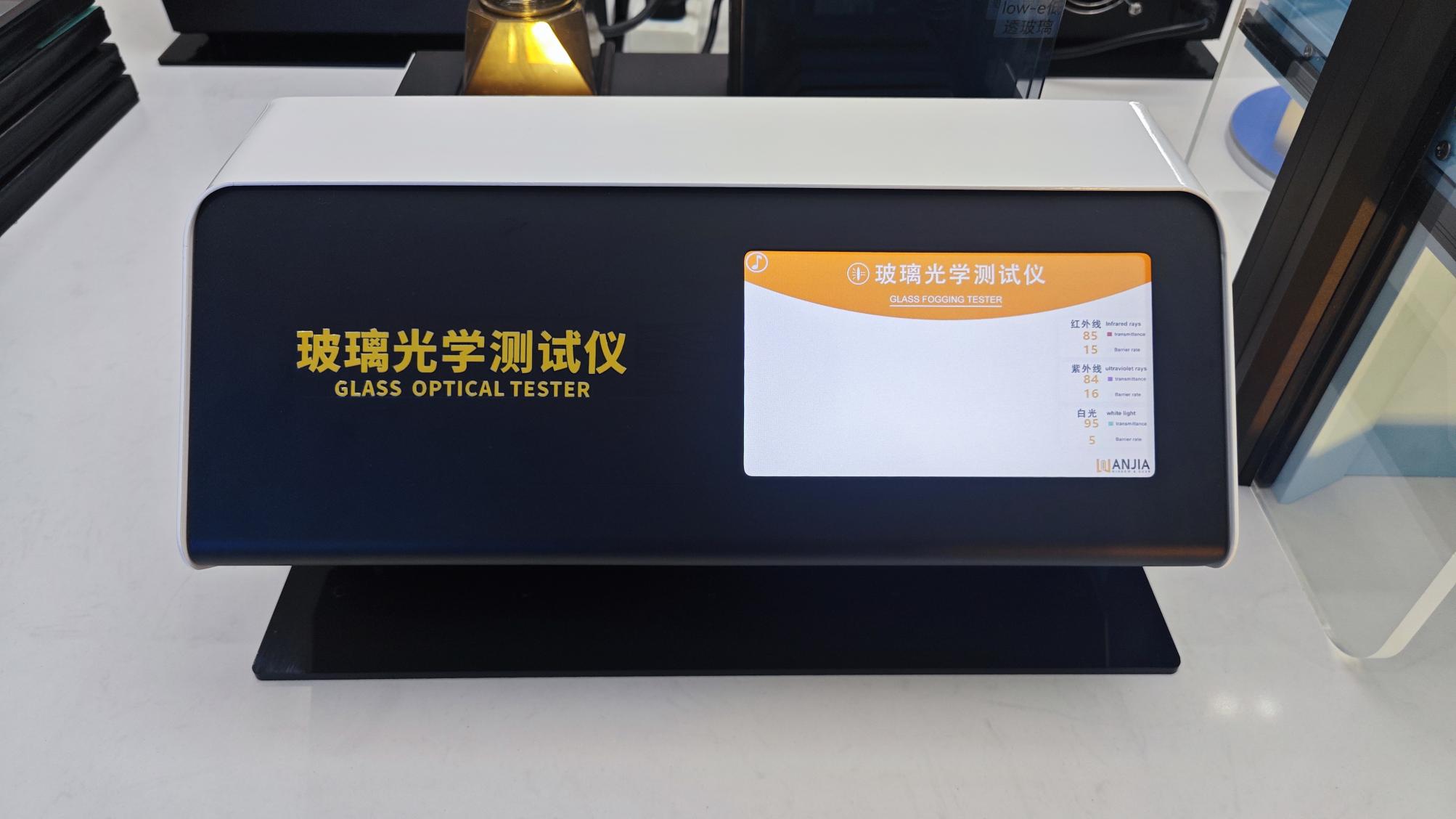
Developing 85+ New Product Lines Annually with Custom CAD Die Designs, Thermal Finite Element Analysis (FEA), and Advanced Smart Lock Integration.
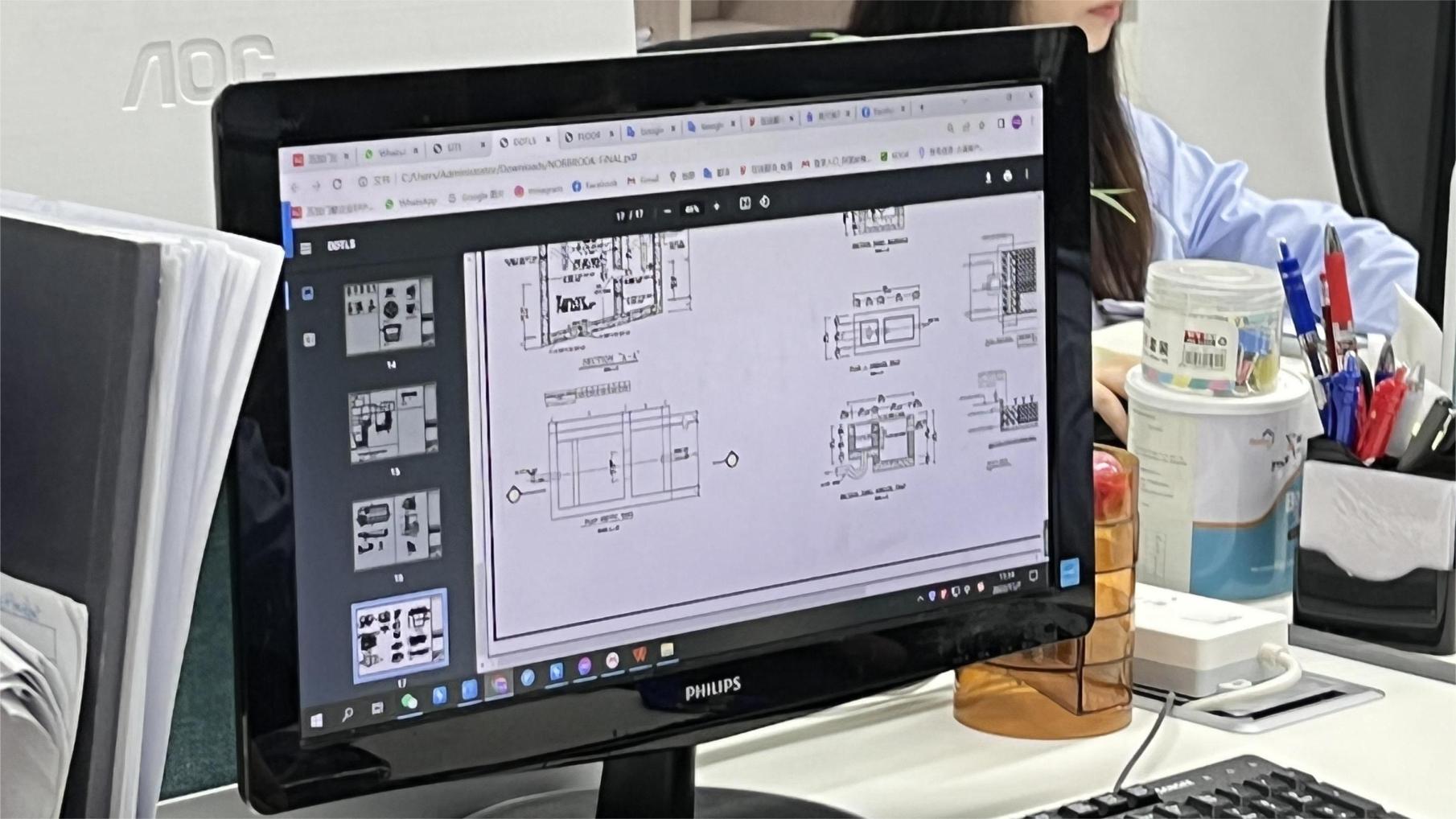
Custom Engineering Engineered for Distinct Regional Building Codes, Severe Weather Mandates, and Architectural Styles.
Standards Complied: NFRC (National Fenestration Rating Council), Florida Miami-Dade HVHZ High-Velocity Hurricane Zone NOA, California Title 24 Energy Efficiency Code.
Scenario: Coastal hurricane protection in Florida and extreme winter thermal resistance in Northern USA/Canada. Engineered with PVB/SGP laminated impact glass and multi-point mortise locking mechanisms.
Standards Complied: AS2047 (Windows and External Glazed Doors in Buildings), AS1288 (Glass in Buildings), BAL-40 (Bushfire Attack Level rating).
Scenario: Luxury modern residential villas, educational facilities, and commercial towers. Utilizing high-transmittance low-E double glazing with stainless steel insect mesh (304/316 grade) and heavy-duty awning systems.
Standards Complied: CE Mark, EN 14351-1, Passive House Institute (PHI) Low-U Certification standards.
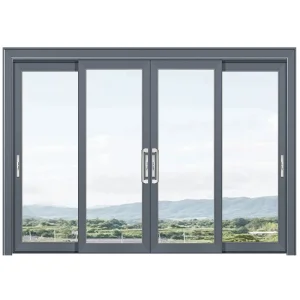
Scenario: Urban multi-family apartment upgrades, high-end French entry doors, and narrow-frame architectural sliding glass assemblies with integrated automated motorized drives and biometric entry access.
Evaluating Thermal Break Aluminum Against Traditional Non-Thermal Aluminum, UPVC/Vinyl, and Solid Timber Fenestration.
| Performance Metric | ArmorSafe Thermal Break Aluminum | Standard Non-Thermal Aluminum | UPVC / Vinyl Profiles | Solid Hardwood / Timber |
|---|---|---|---|---|
| Thermal Transmittance (U-Value) | 0.8 - 1.4 W/m²K (Ultra Low) | 2.8 - 5.0 W/m²K (High Loss) | 1.3 - 2.0 W/m²K (Moderate) | 1.5 - 2.2 W/m²K (Moderate) |
| Structural Wind Load Capacity | 5000+ Pa (Extreme Heavy-Duty) | 3500 Pa (Moderate) | 1800 - 2500 Pa (Flexible/Low) | 2500 Pa (Moderate) |
| Lifespan & Durability | 50+ Years (C5-M Powder Coating) | 30-40 Years | 15-20 Years (Degrades under UV) | 20-30 Years (Requires Painting) |
| Fire Safety Rating | Class A Non-Combustible | Class A Non-Combustible | Self-Extinguishing / Toxic Fumes | Combustible (Requires Treatment) |
| Maintenance Overhead | Near Zero (Wipe Clean) | Low | Low to Medium | High (Periodic Sealing/Varnish) |
| Eco-Recyclability | 100% Fully Recyclable | 100% Fully Recyclable | Difficult / Downcycled | Biodegradable / Deforestation |
Architectural Vision 2025–2030: Pioneering Smart Glass Integration and Ultra-Low Carbon Extrusion Technologies.
By substituting standard polyurethane foams with silica aerogel insulation matrices within the PA66 strut cavities, next-gen profile U-factors will drop below 0.5 W/m²K, allowing glass facade buildings to achieve true Net-Zero Energy Building (NZEB) benchmarks.
Transitioning from argon gas-filled double/triple glazing to 0.1mm micro-spacer vacuum insulated glass units. VIG provides the thermal resistance of a solid insulated wall in a ultra-thin 8mm profile, drastically reducing profile depth and total door unit mass.
Seamlessly combining motorized magnetic levitation sliding hardware, biometrics, and Building-Integrated Photovoltaics (BIPV). Door surfaces will dynamically generate solar power while auto-tinting via electrochromic glass based on solar radiation angles.
Essential Technical Answers for Importers, Wholesalers, Architectural Contractors, and Commercial Developers.
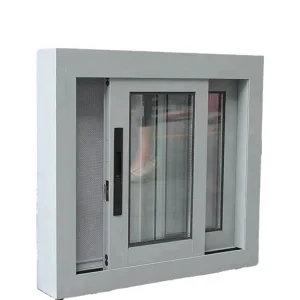
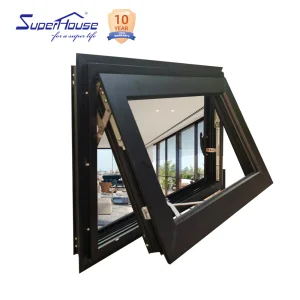
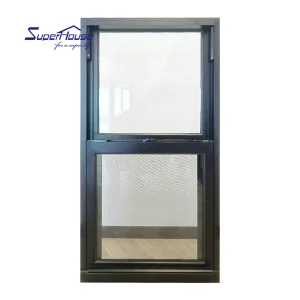
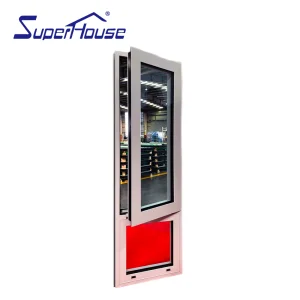
Explore additional certified window and door series manufactured for global distributors and construction contractors.
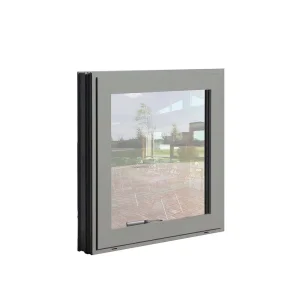
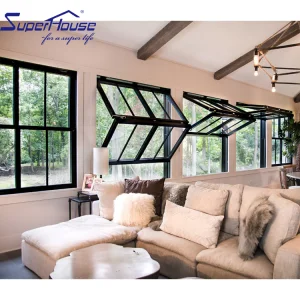
 ArmorSafe Doors