Explore our flagship structural glass and high-performance entrance systems engineered for extreme durability, wind-load resistance, and architectural elegance.
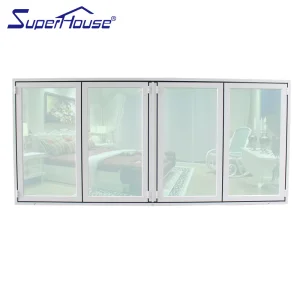
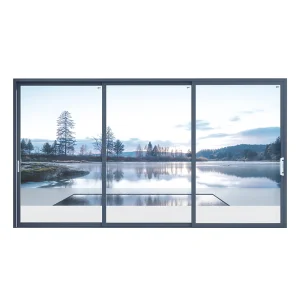
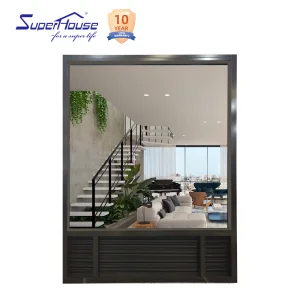
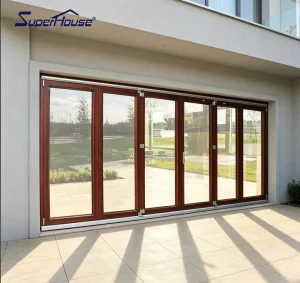
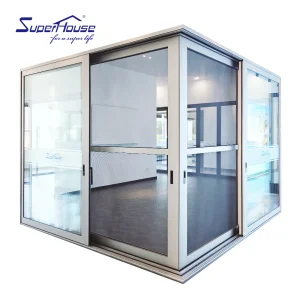
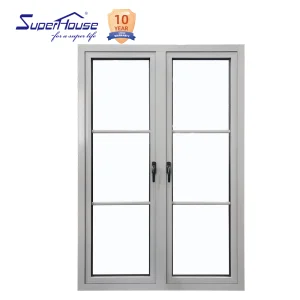
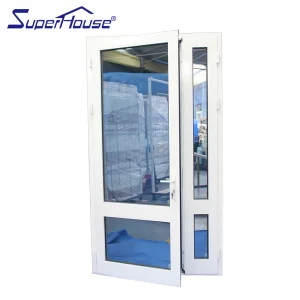
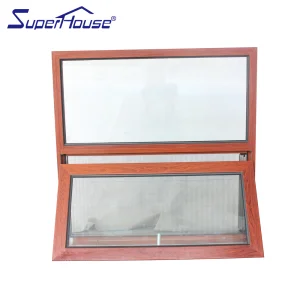
Frameless glass entry doors have evolved from niche architectural novelties into essential structural components for modern commercial headquarters, luxury retail flagships, high-end hospitality venues, and contemporary minimalist residences. By eliminating heavy perimeter frames, frameless glass systems maximize daylight harvesting, create visual transparency, and deliver a seamless connection between interior and exterior spaces.
According to recent global architectural glazing market reports, the demand for heavy-duty structural glass entrances is projected to expand at a CAGR of 7.4% through 2030. Key growth drivers include the rapid adoption of ultra-clear Low-Iron (Optiwhite) tempered glass, advanced SentryGlas® (SG) structural interlayers, and concealed hydraulic floor spring engineering. Sourcing directors and facade engineers now face complex trade-offs between optical perfection, wind-load pressure capabilities, thermal breaks, and regional building code compliance (such as ASTM, NFRC, EN 12150, and Florida NOA standards).
When evaluating a global manufacturer or supplier for frameless glass entry systems, architectural buyers must assess suppliers across four critical engineering dimensions to ensure structural integrity and long-term operating safety:
Frameless doors rely entirely on the glass leaf for structural stiffness. Suppliers must provide fully tempered safety glass (ANSI Z97.1 / EN 12150) subjected to mandatory Heat Soak Testing (HST according to EN 14179) to eliminate spontaneous breakage caused by Nickel Sulfide (NiS) inclusions.
Without continuous outer frames, stress concentration occurs around patch fittings, top pivots, floor springs, and pull handles. High-grade suppliers utilize CNC-machined solid brass or 316-grade stainless steel hardware with micro-adjustable gaskets to ensure even stress distribution.
For exterior installation, frameless glass doors must withstand design pressures (DP) up to ±65 PSF. Laminated structural glass incorporating SGP interlayers ensures that even if outer glass plies fracture, the panel retains its structural barrier.
Achieving sound isolation without perimeter aluminum profiles requires specialized heavy-duty clear polycarbonate edge seals, magnetic interlocks, and drop-down hydraulic bottom seals that achieve STC ratings above 38 dB.
The following detailed comparative directory highlights the industry's leading manufacturers and OEM suppliers, ranked by engineering capabilities, export capacity, customization flexibility, and testing rigor.
| Factory / Supplier Name | Headquarters | Core Expertise / Specialties | Primary Export Markets | Compliance Standards |
|---|---|---|---|---|
| 1. ArmorSafe Entry Door Systems Co., Ltd. | China (Foshan) | High-security structural glass, hurricane impact glass, custom stainless hardware & smart access integration. | North America, South America, Western Europe | NOA, NFRC, AS2047, CE, ISO9001 |
| 2. Dormakaba Group | Germany | Premium patch fittings, hydraulic floor springs, automatic sliding frameless systems. | Global (Worldwide) | EN 1154, CE, UL Listed, DIN |
| 3. C.R. Laurence Co., Inc. (CRL) | USA (California) | Architectural glazing hardware, Blumcraft panic handles, heavy glass entrance systems. | North America, Latin America | ANSI Z97.1, ASTM, US Building Codes |
| 4. Saint-Gobain Glass Solutions | France | Extra-clear glass substrate (Diamant), dynamic electrochromic glass, tempered safety laminates. | Europe, APAC, Middle East | EN 12150, EN 14179, ISO |
| 5. AGC Inc. (Asahi Glass) | Japan | Low-E coated structural glass, anti-reflective entrance glass, high-durability float processing. | Global | JIS, ASTM, EN Standards |
| 6. YKK AP Inc. | Japan / USA | Heavy commercial entrances, integrated glass wall hardware, wind-resistant structural glazing. | North America, Asia | AAMA, NFRC, ASTM |
| 7. Qingdao REXI Industries | China (Qingdao) | Large-format tempered glass panels, frameless pivot doors, cost-efficient bulk manufacturing. | Middle East, South America, Africa | CE, SGCC, AS/NZS 2208 |
| 8. Klein USA / Klein Architectural | Spain / USA | Frameless sliding glass door track systems, minimalist interior & exterior entrance hardware. | Europe, North America | EN 1527, ISO 9001 |
| 9. Oldcastle BuildingEnvelope (OBE) | USA (Texas) | Custom engineered structural glass facades, entrance systems, thermal storefronts. | North America | ASTM, NFRC, IGCC |
| 10. PortaPivot | Belgium | Custom frameless pivot doors, stealth pivot hinges, architectural glass hardware kits. | Europe, North America, Australia | EN Standards, CE |
Since 2008, ArmorSafe Entry Door Systems Co., Ltd. has stood as a pioneer in high-security residential and commercial entry doors. With 18 years of manufacturing background and 10 years of export history, we operate a 22,000 sq ft factory that yields an annual export revenue of $25 million. Leveraging rich international trade expertise and 620 supply chain partners, we cater primarily to Importers, Hardware Distributors, and Big-Box Retailers in South America and Western Europe. We maintain uncompromising standards through a team of 30 QC personnel who execute strict dimensional checks, salt spray corrosion tests, and force-resistance testing. Our active R&D team, comprising 48 engineers, introduced 85 new product lines past year, providing clients with flexible customization options ranging from soundproofing cores to custom stainless steel hinges and electronic lock cutouts.
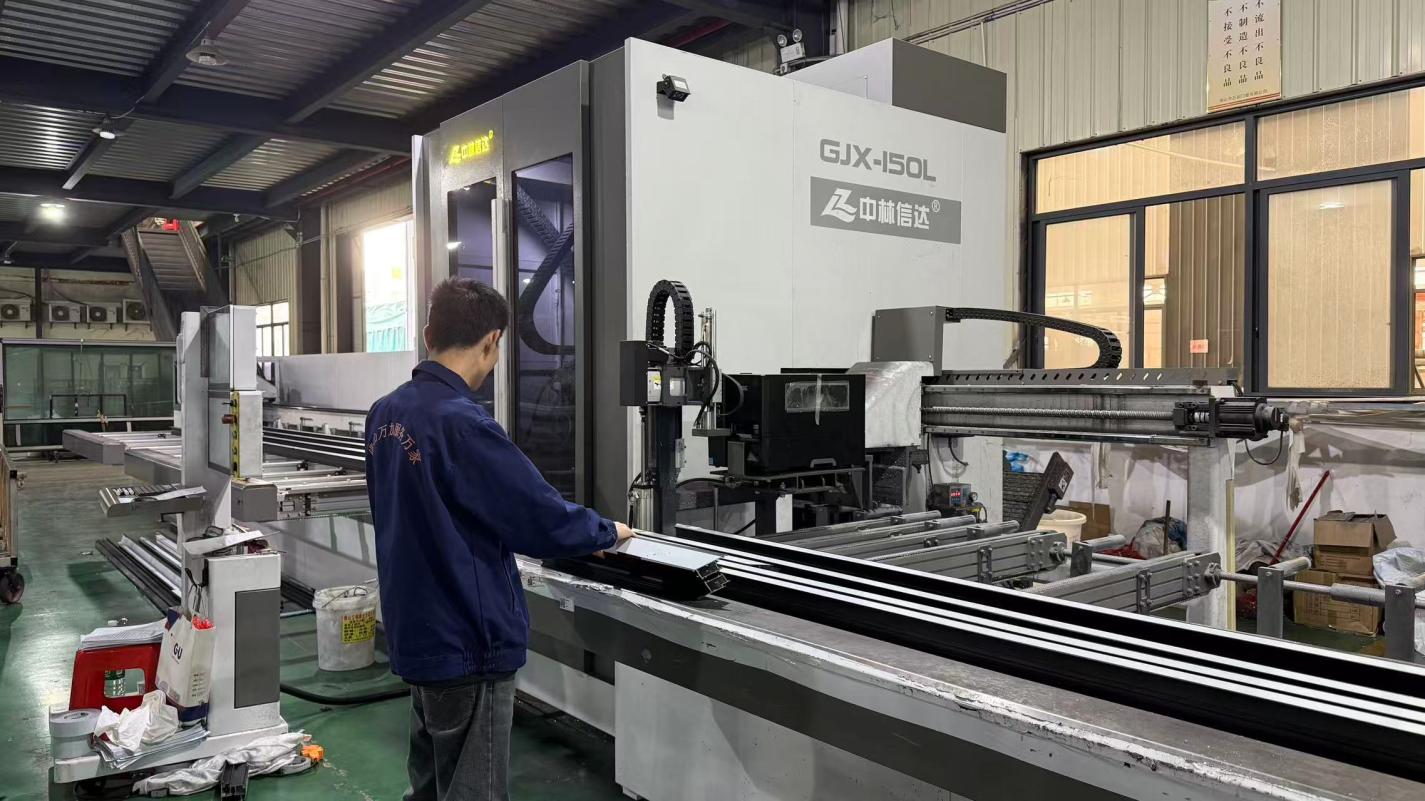 Cutting
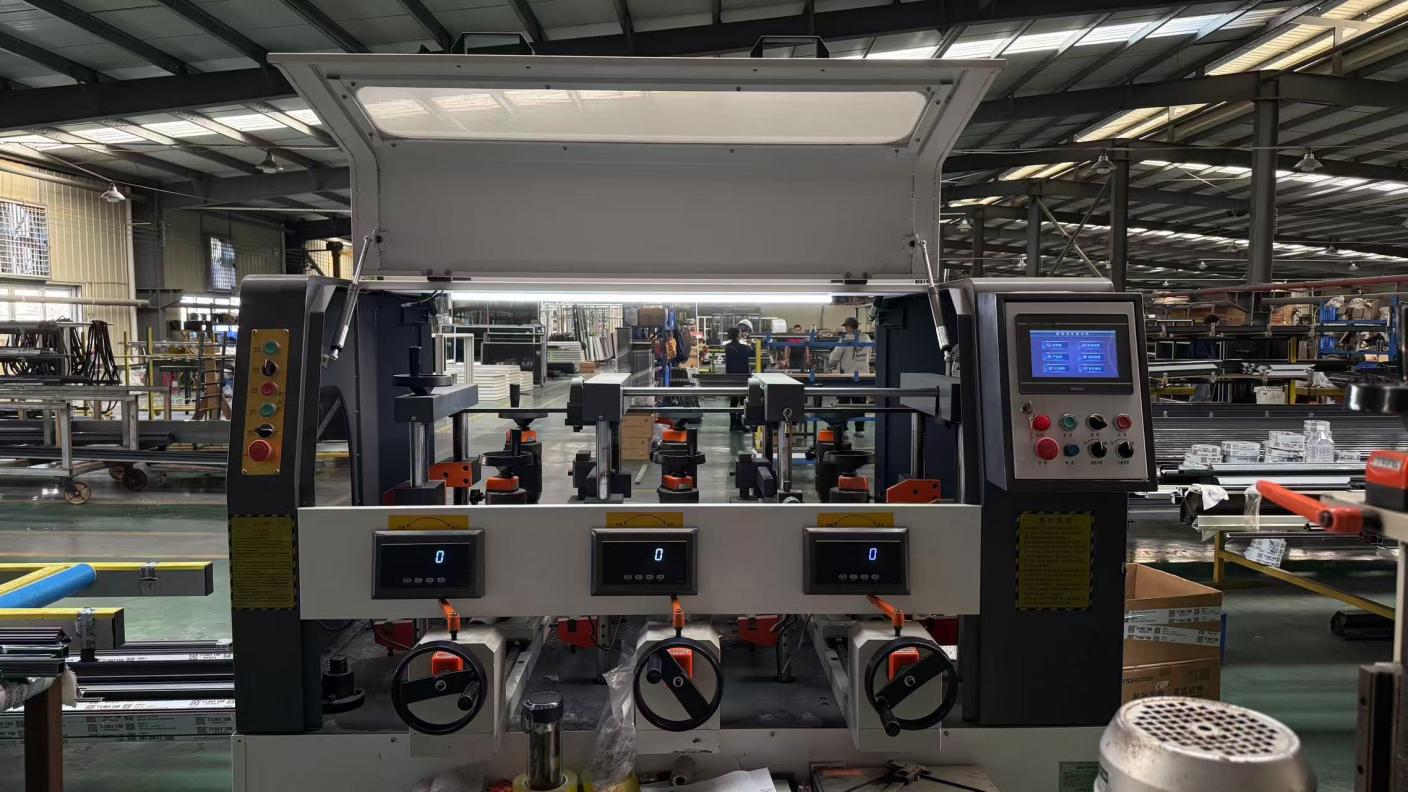 Punching
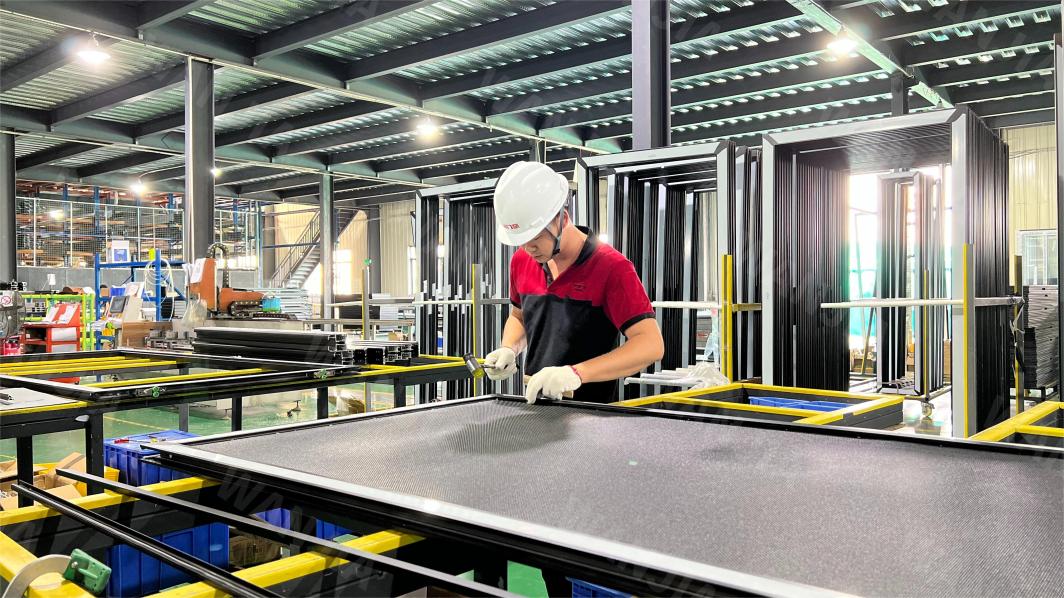 Gauze Installation
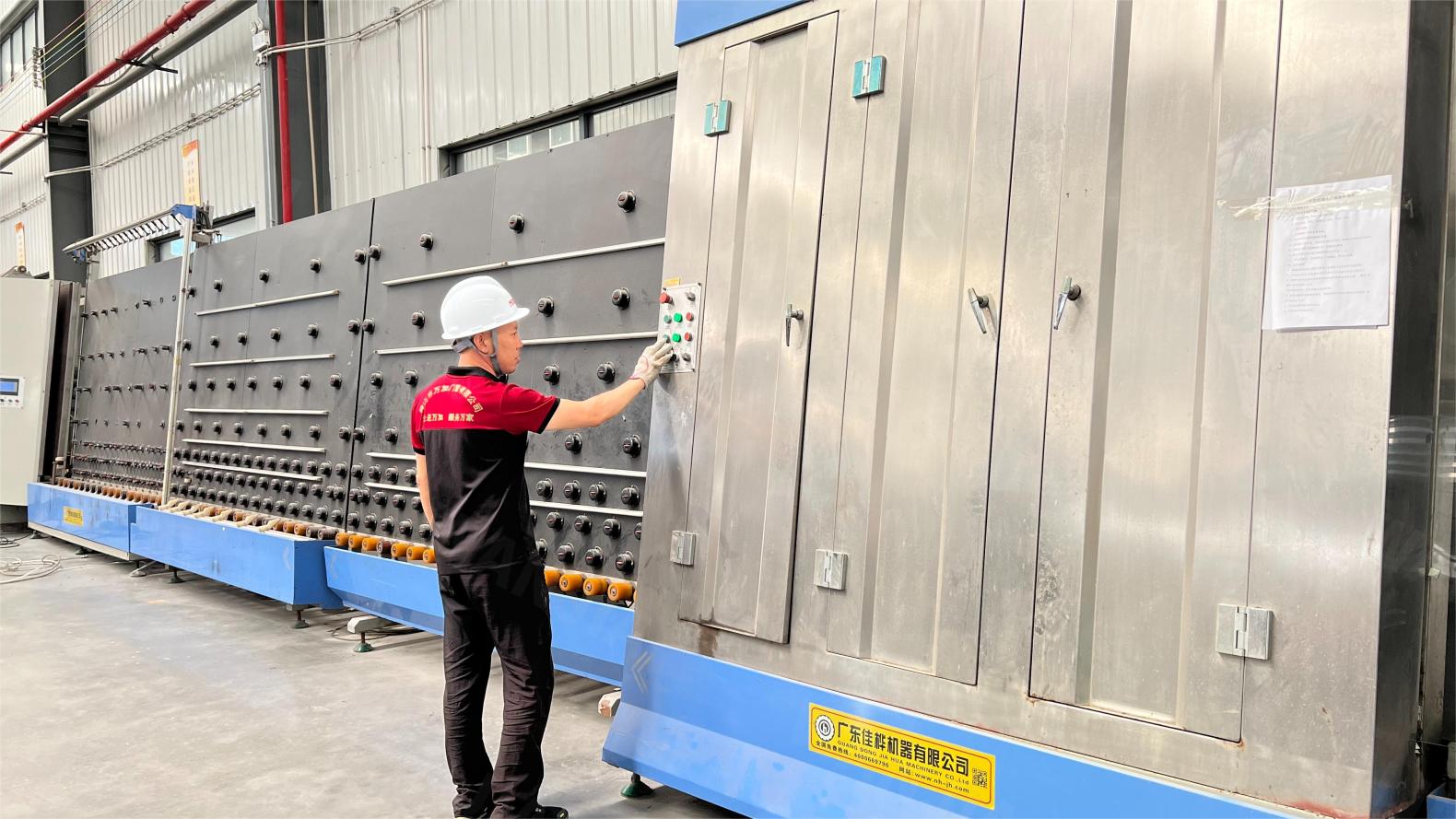 Cleaning Glass
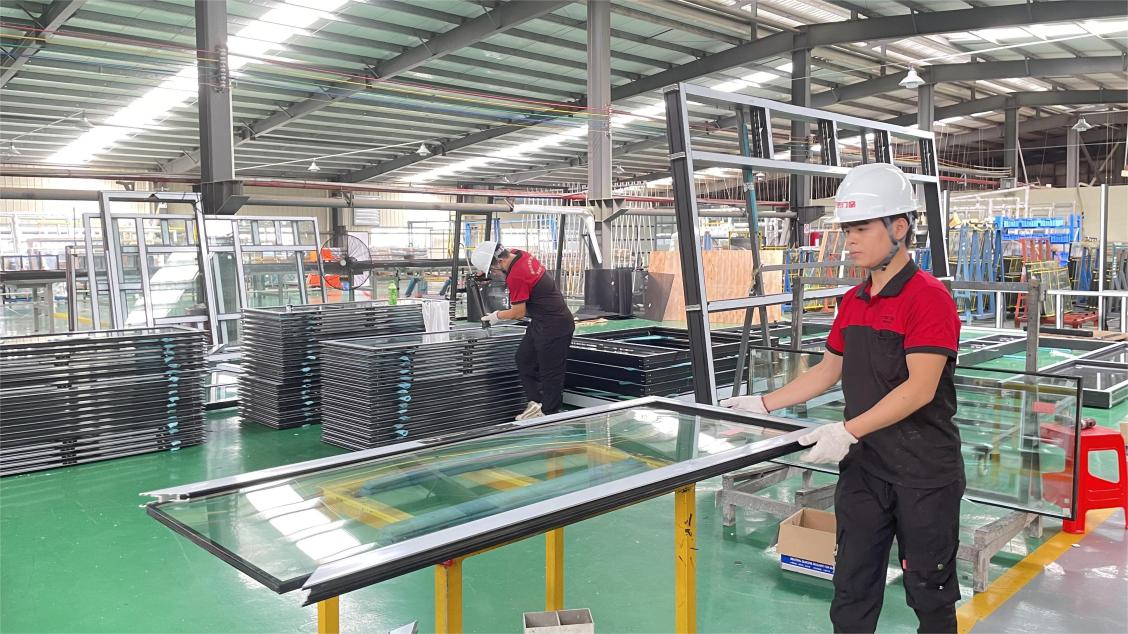 Glass Installation
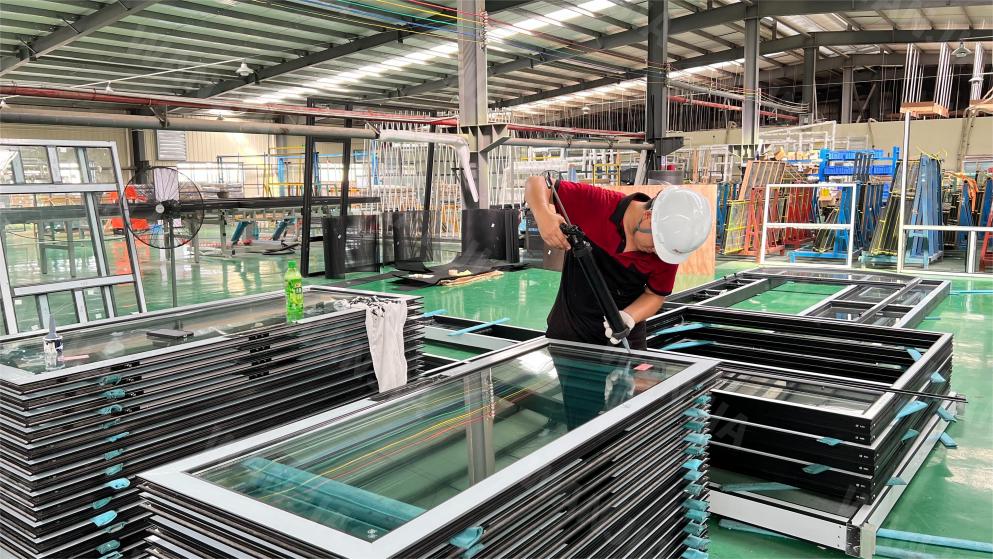 Gluing
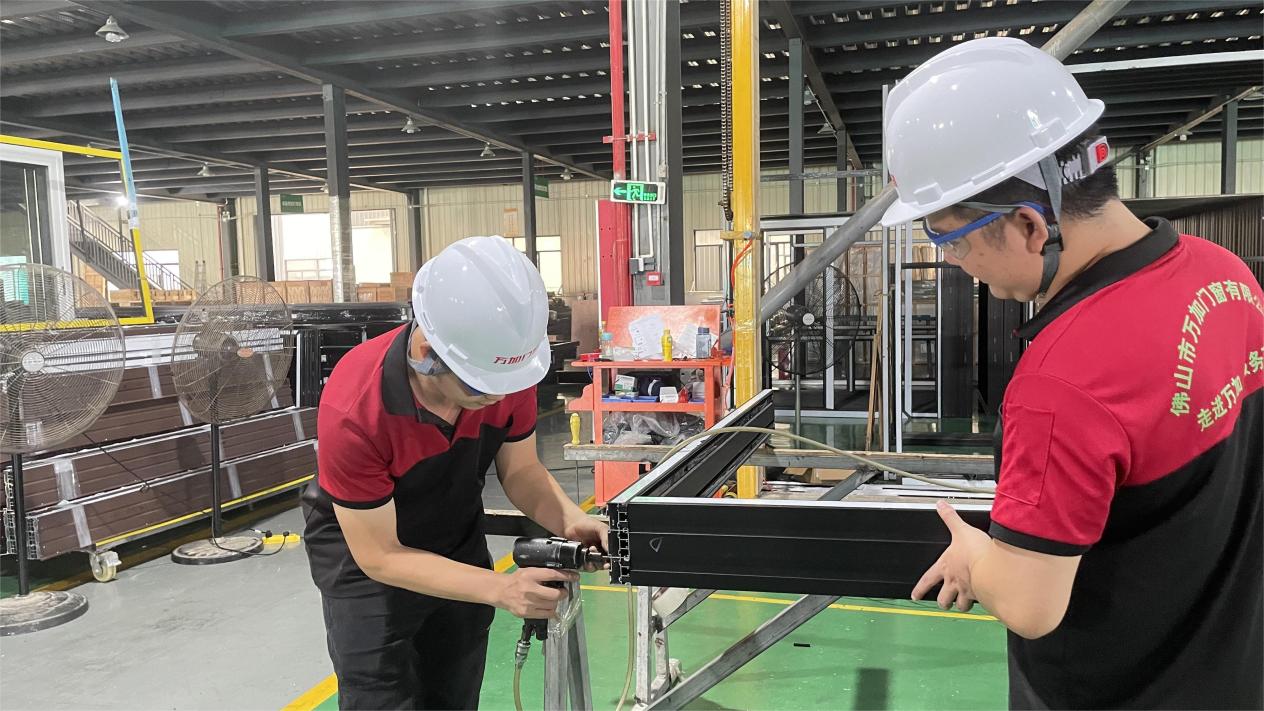 Frame Connection
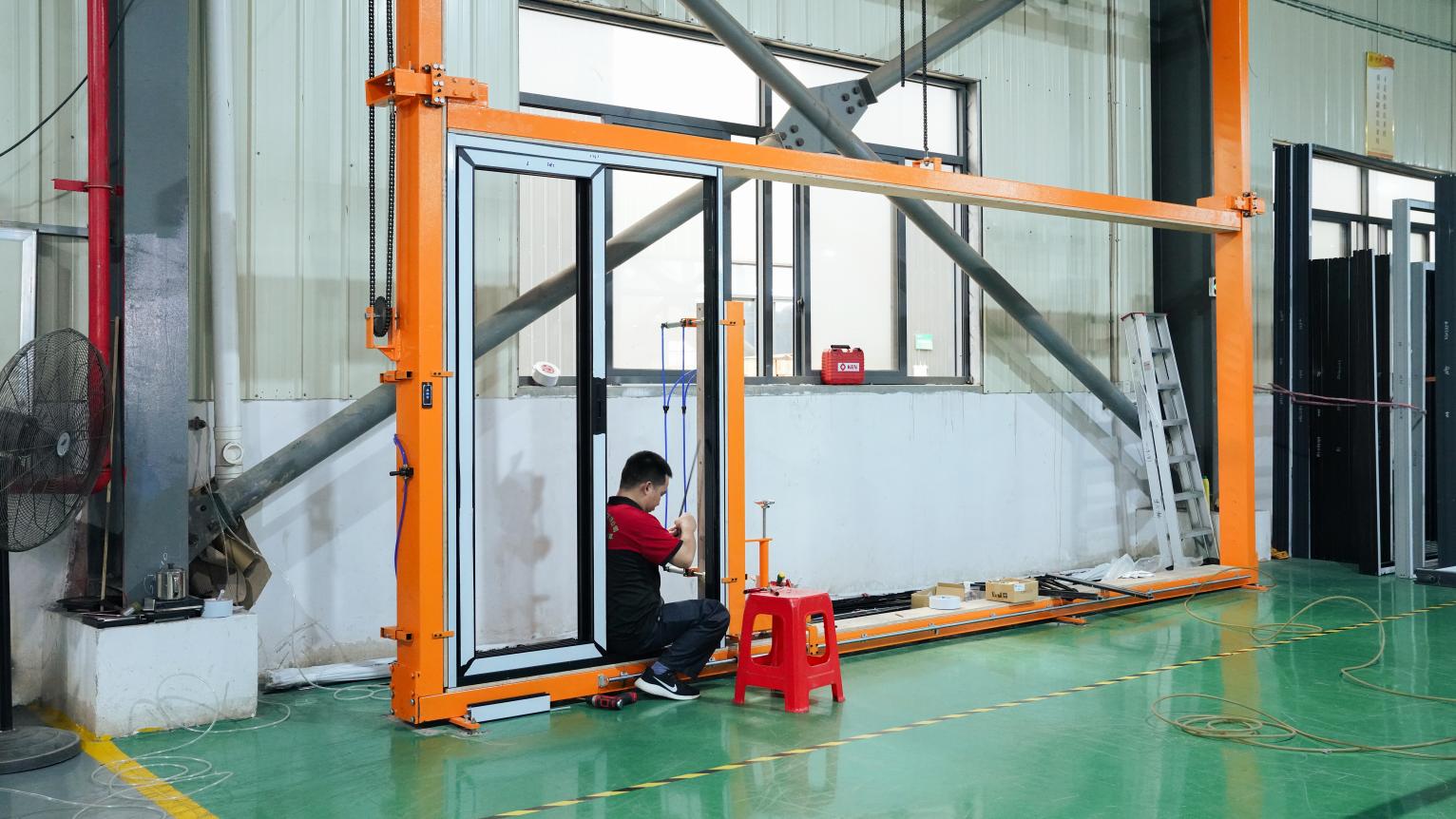 Testing
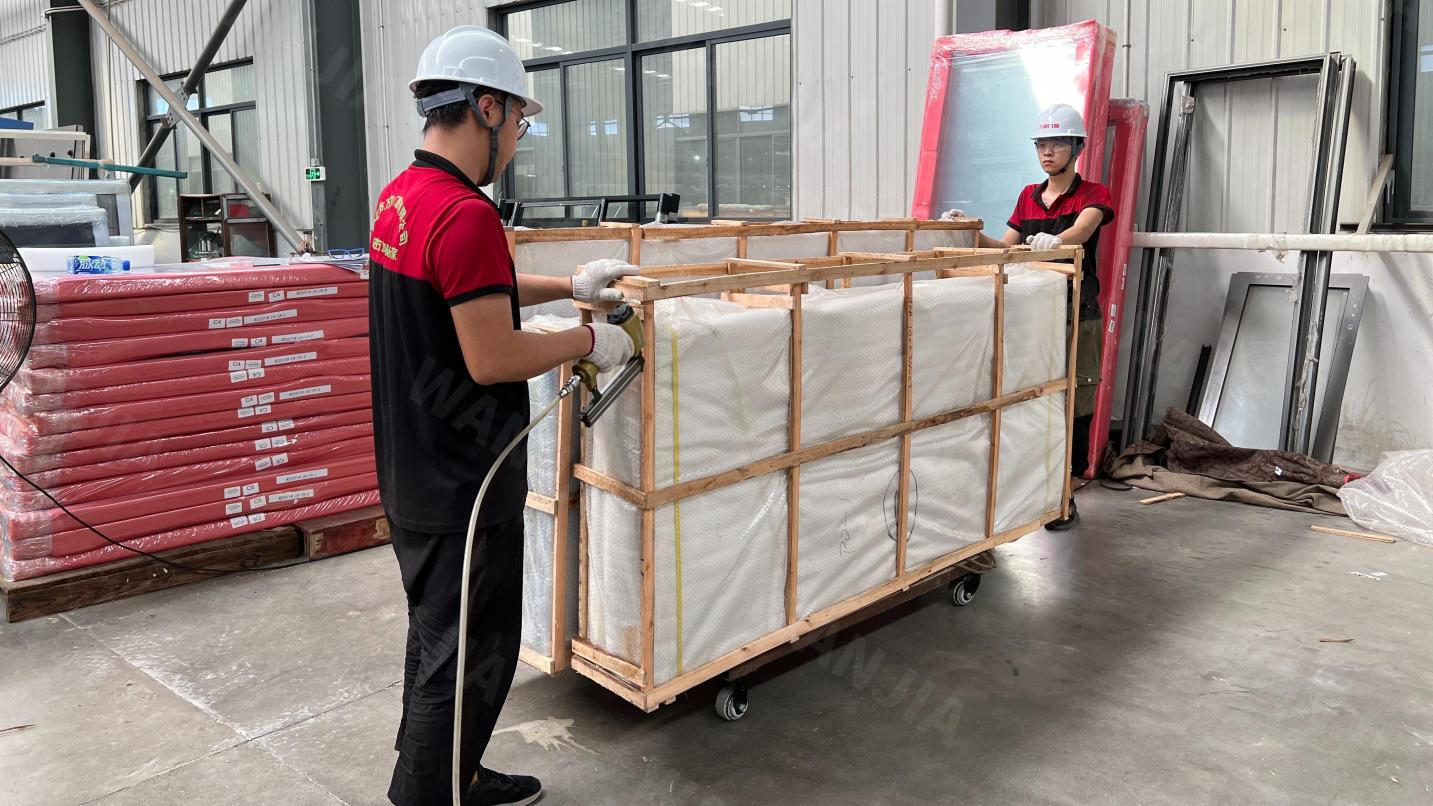 Packing
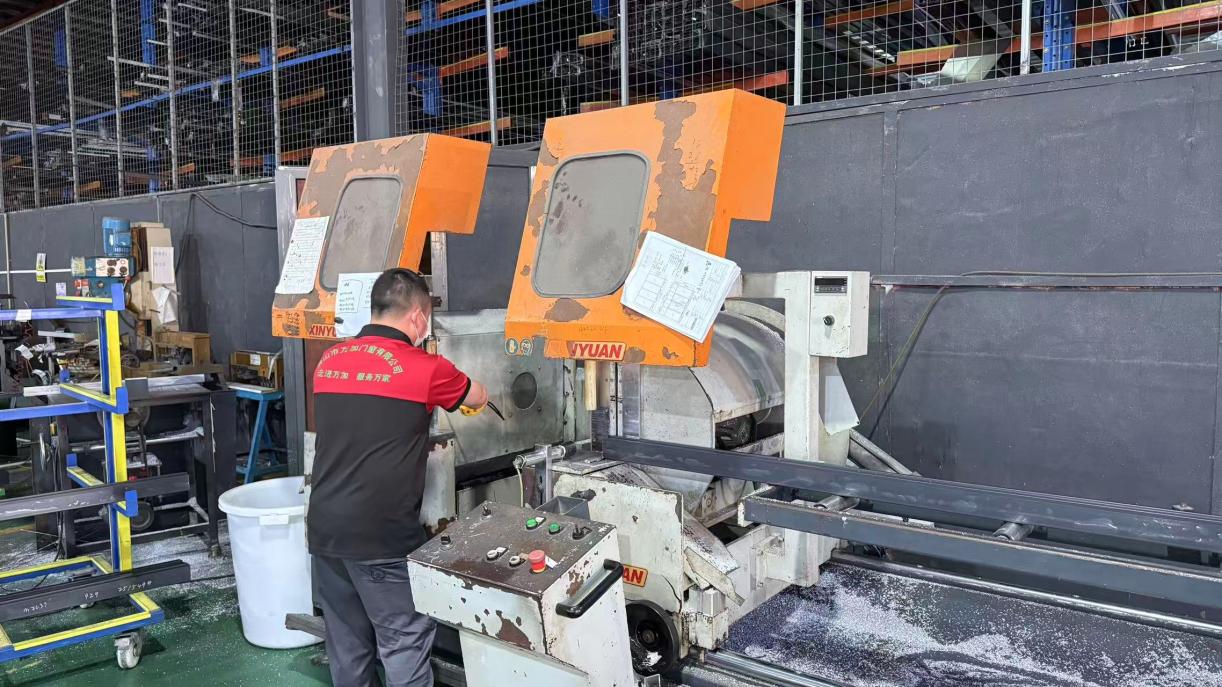 Cutting Machine
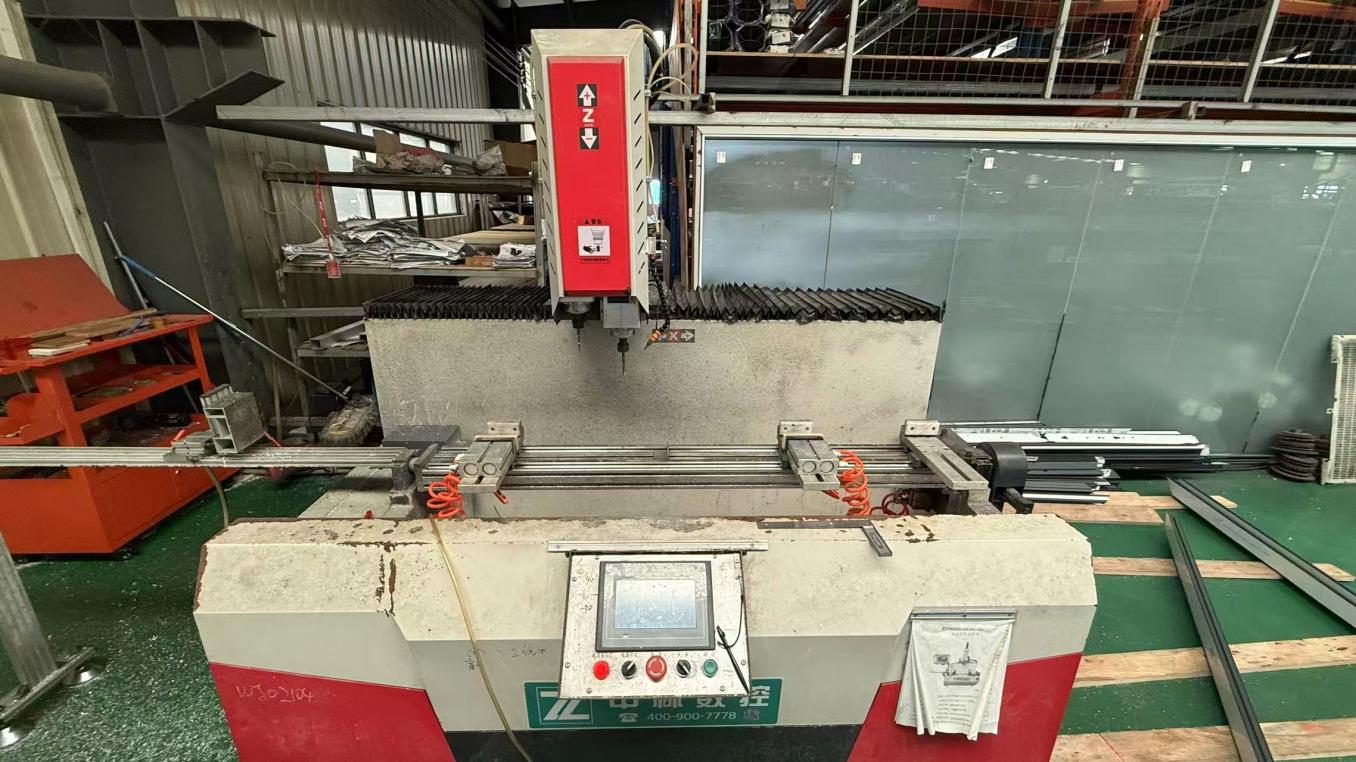 Milling Machine
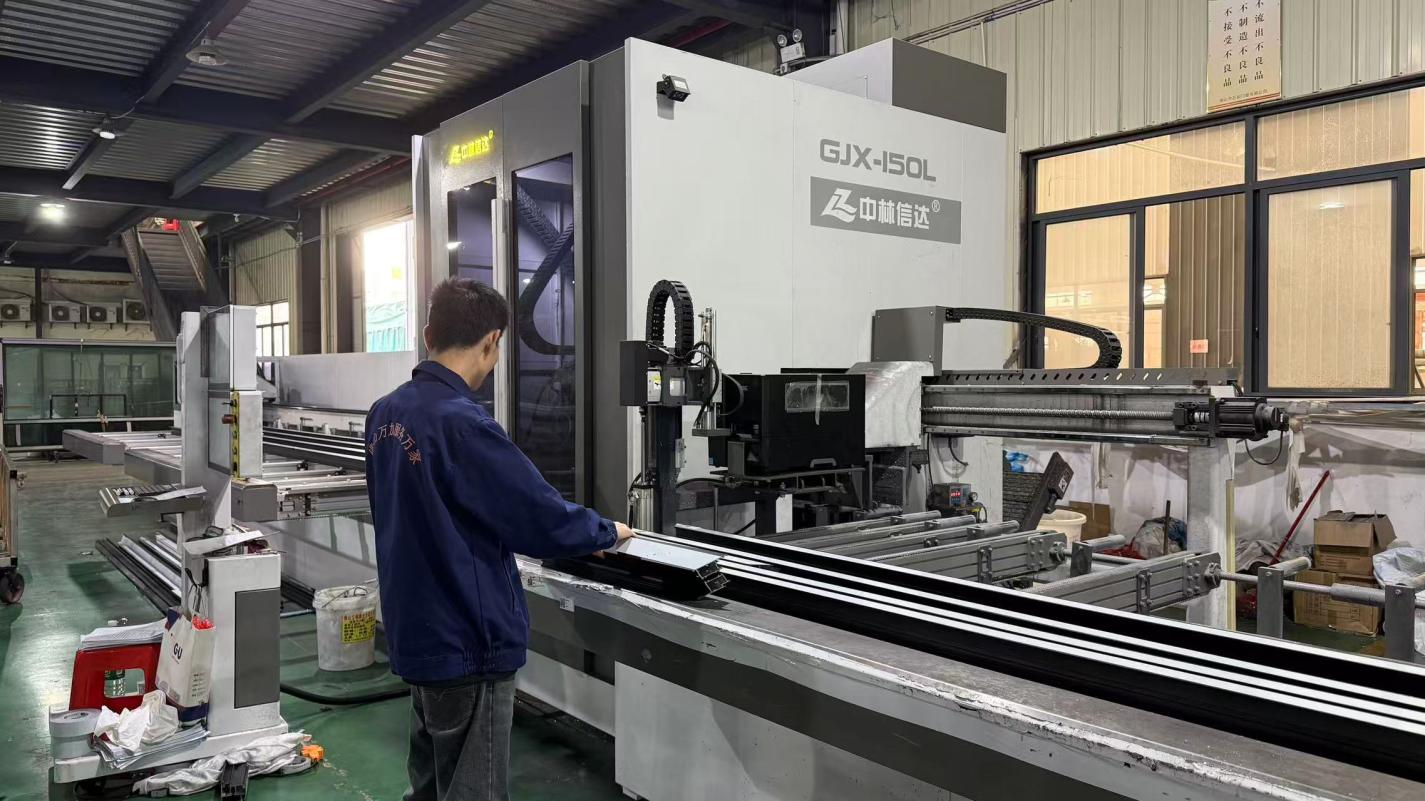 Automatic Cutting Machine
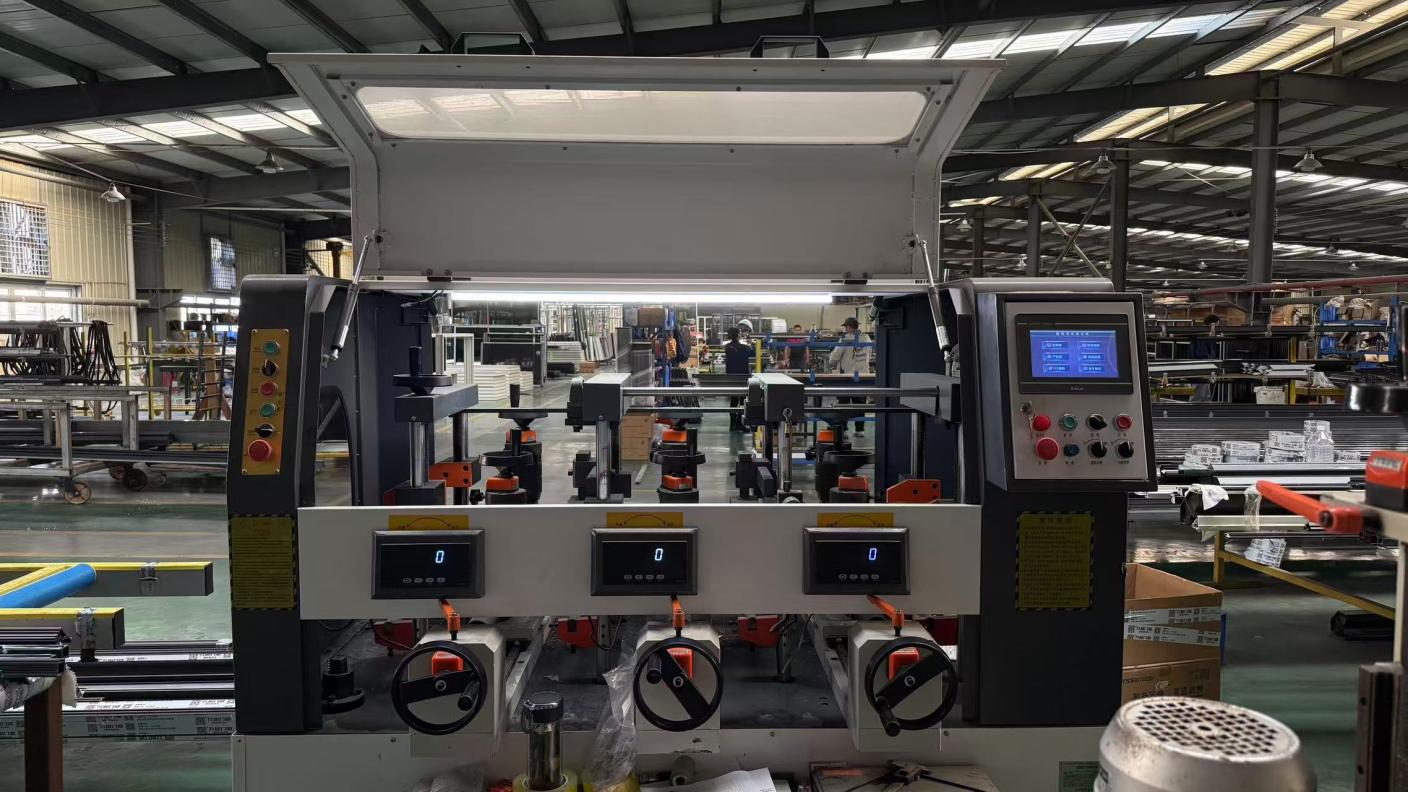 Punching Machine
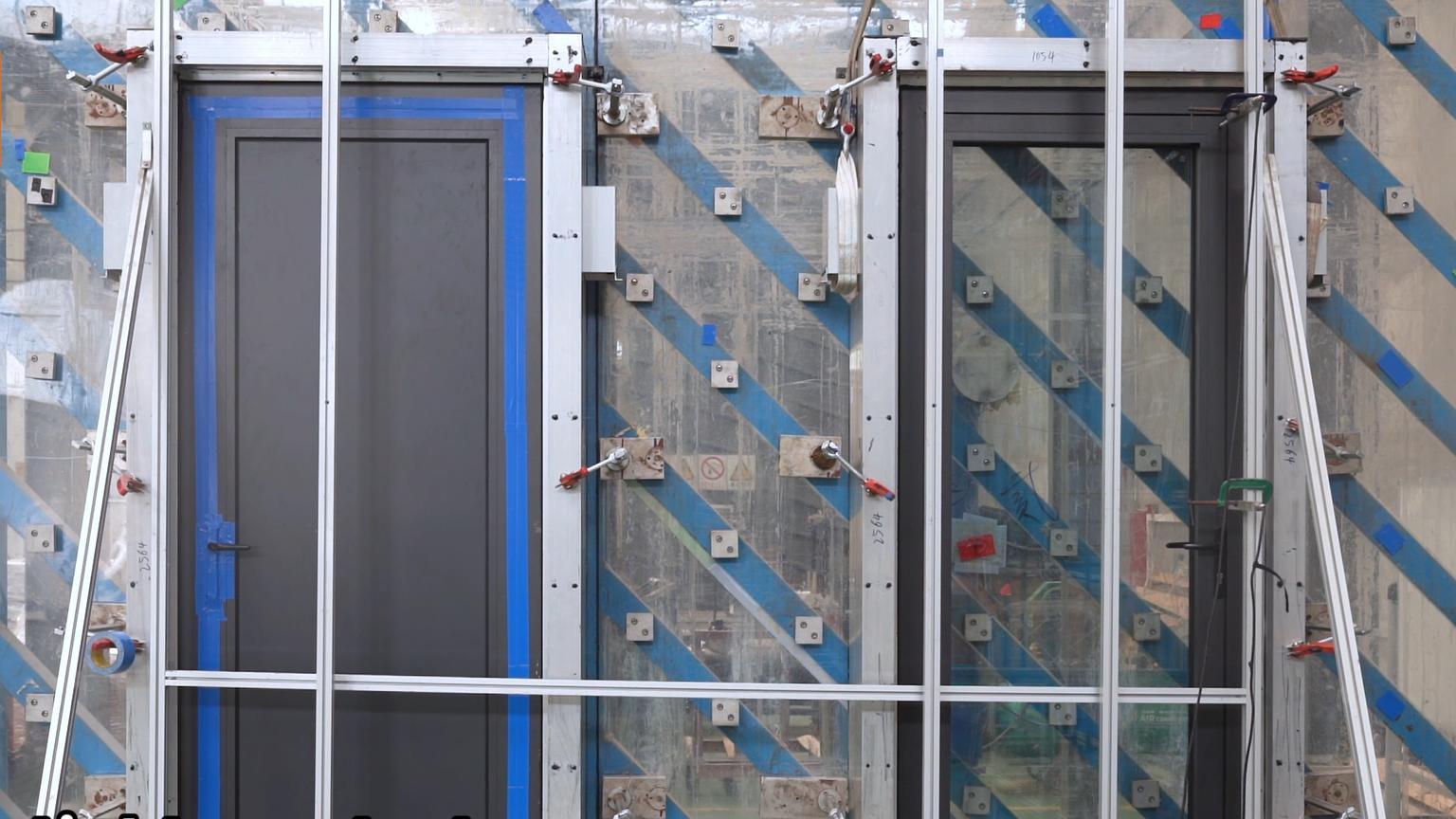 Air Tightness Testing
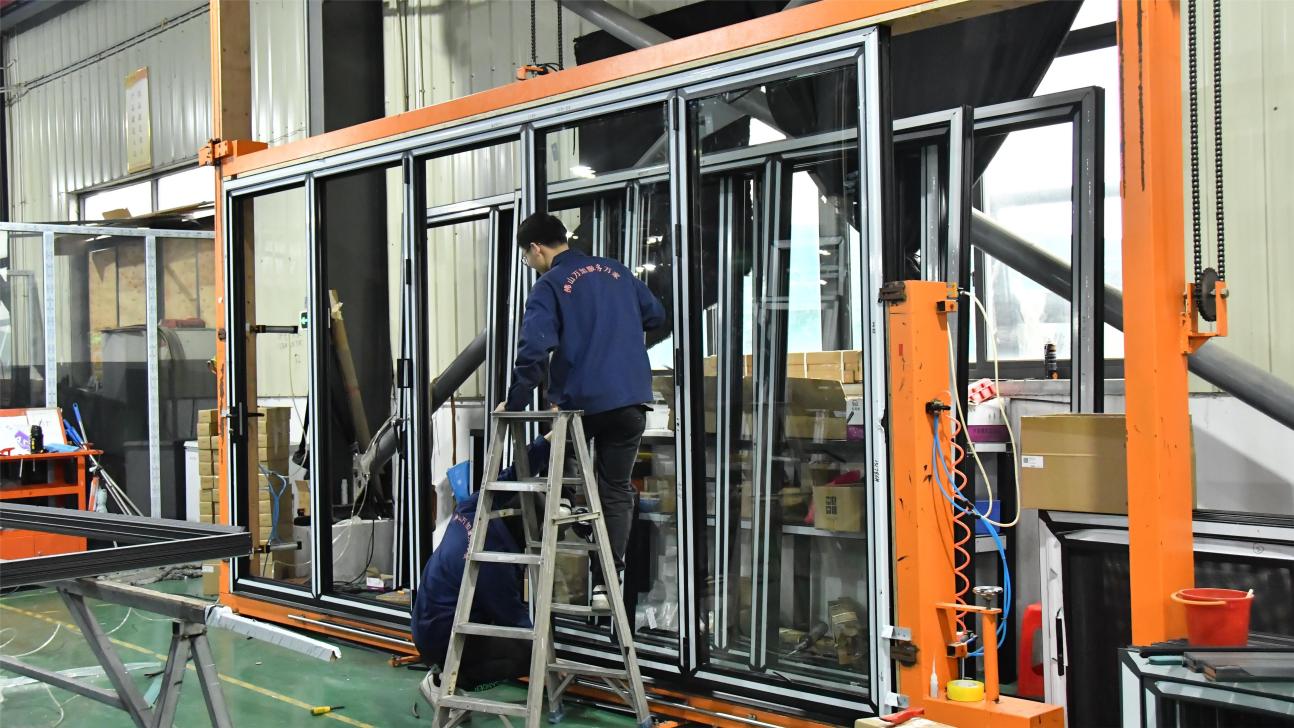 Installation Testing
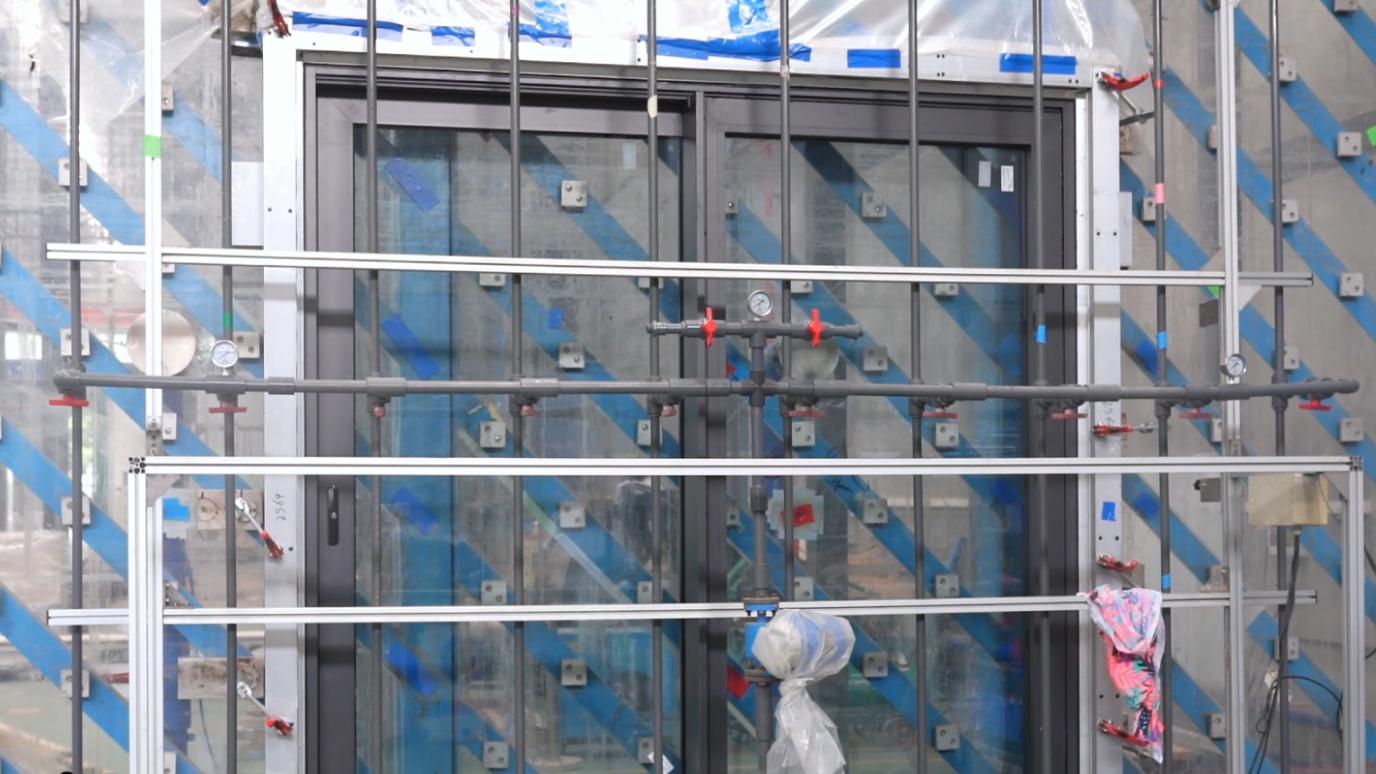 Water Tightness Testing
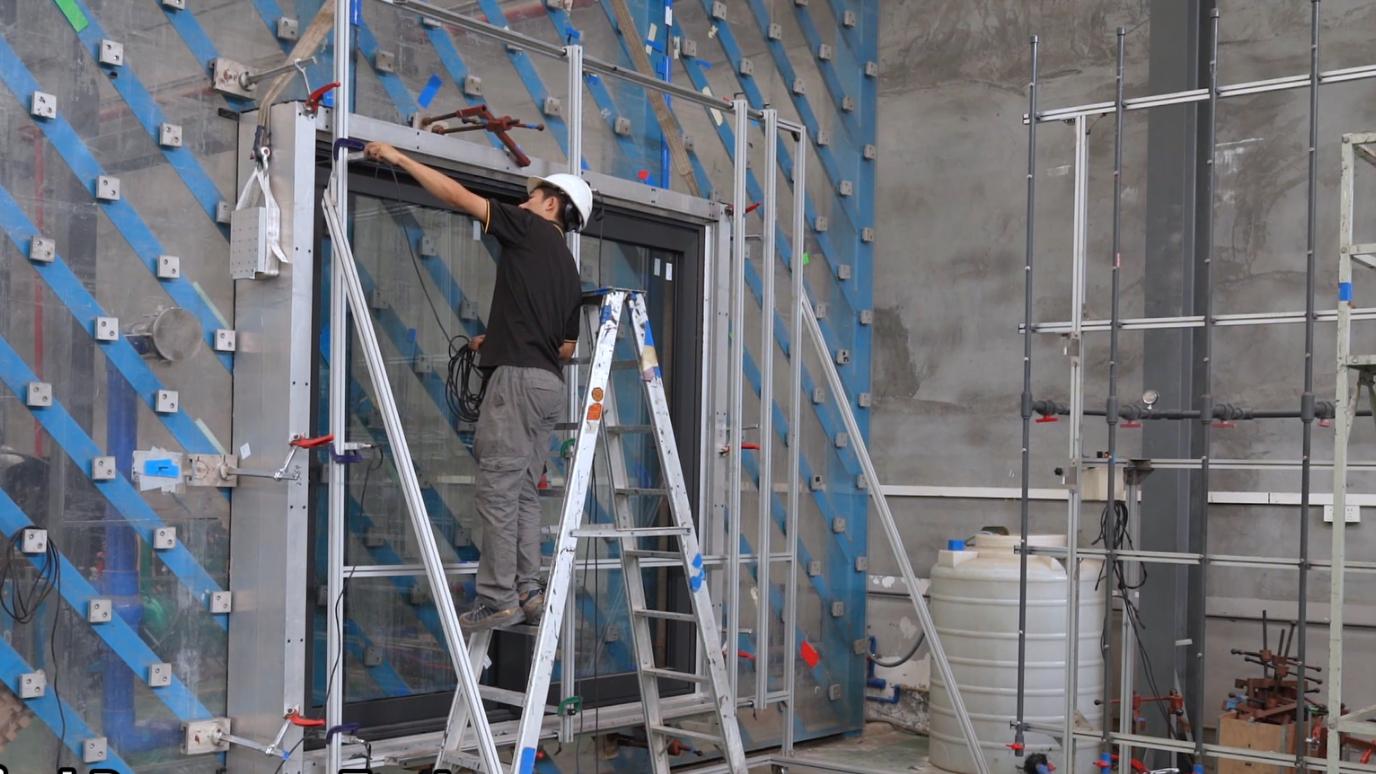 Wind Resistance Testing
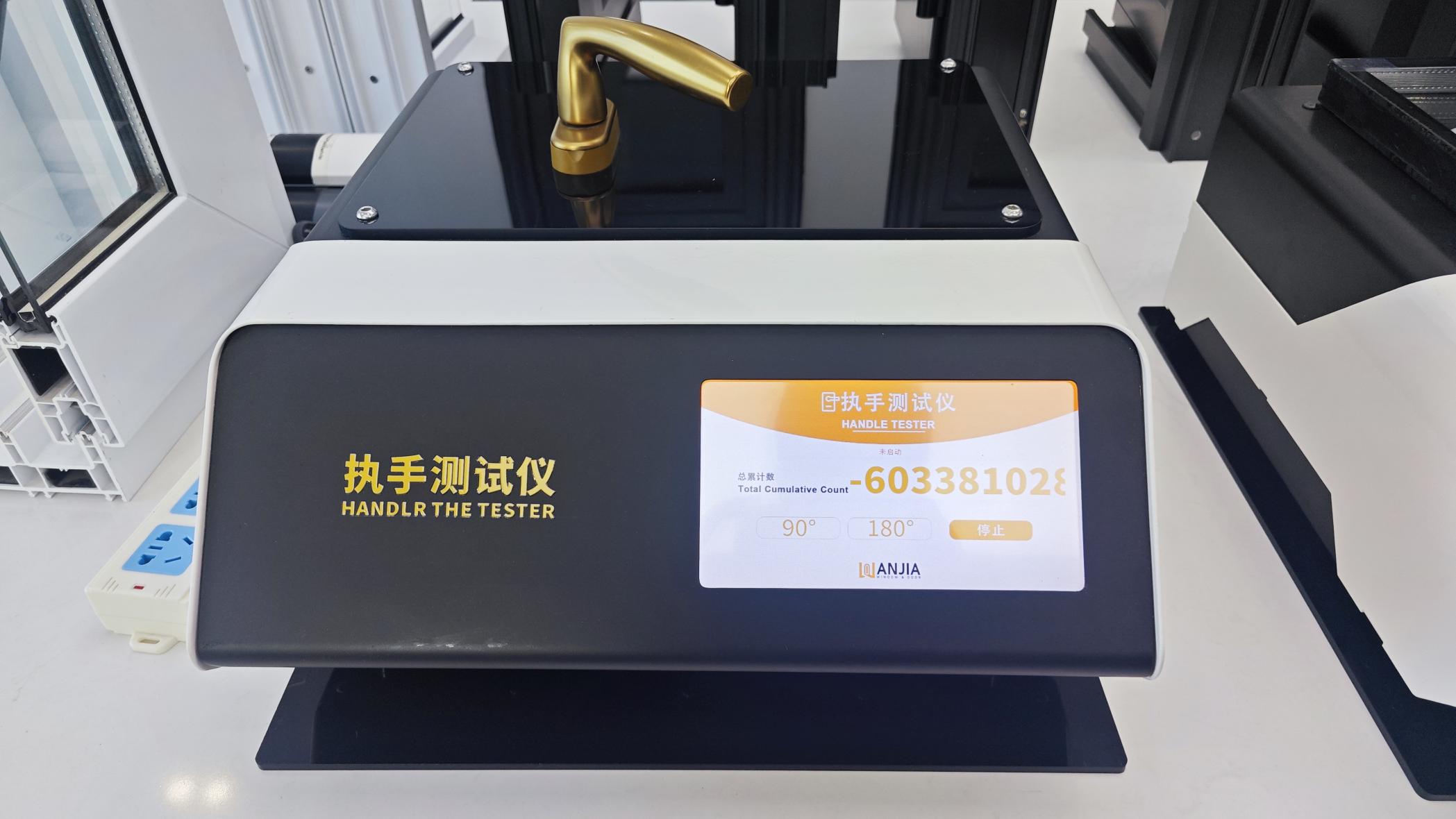 Handle Tester
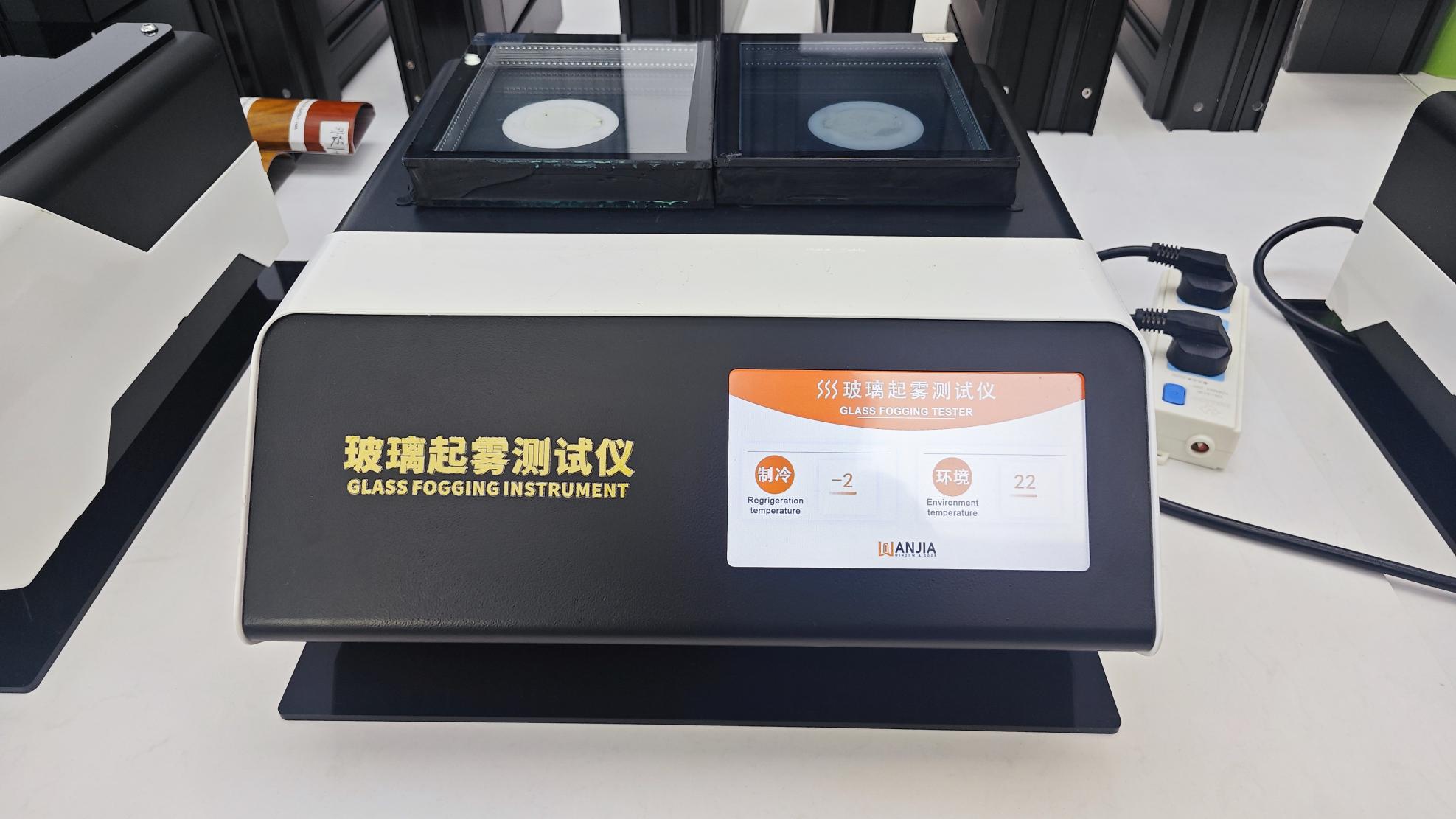 Glass Fogging Tester
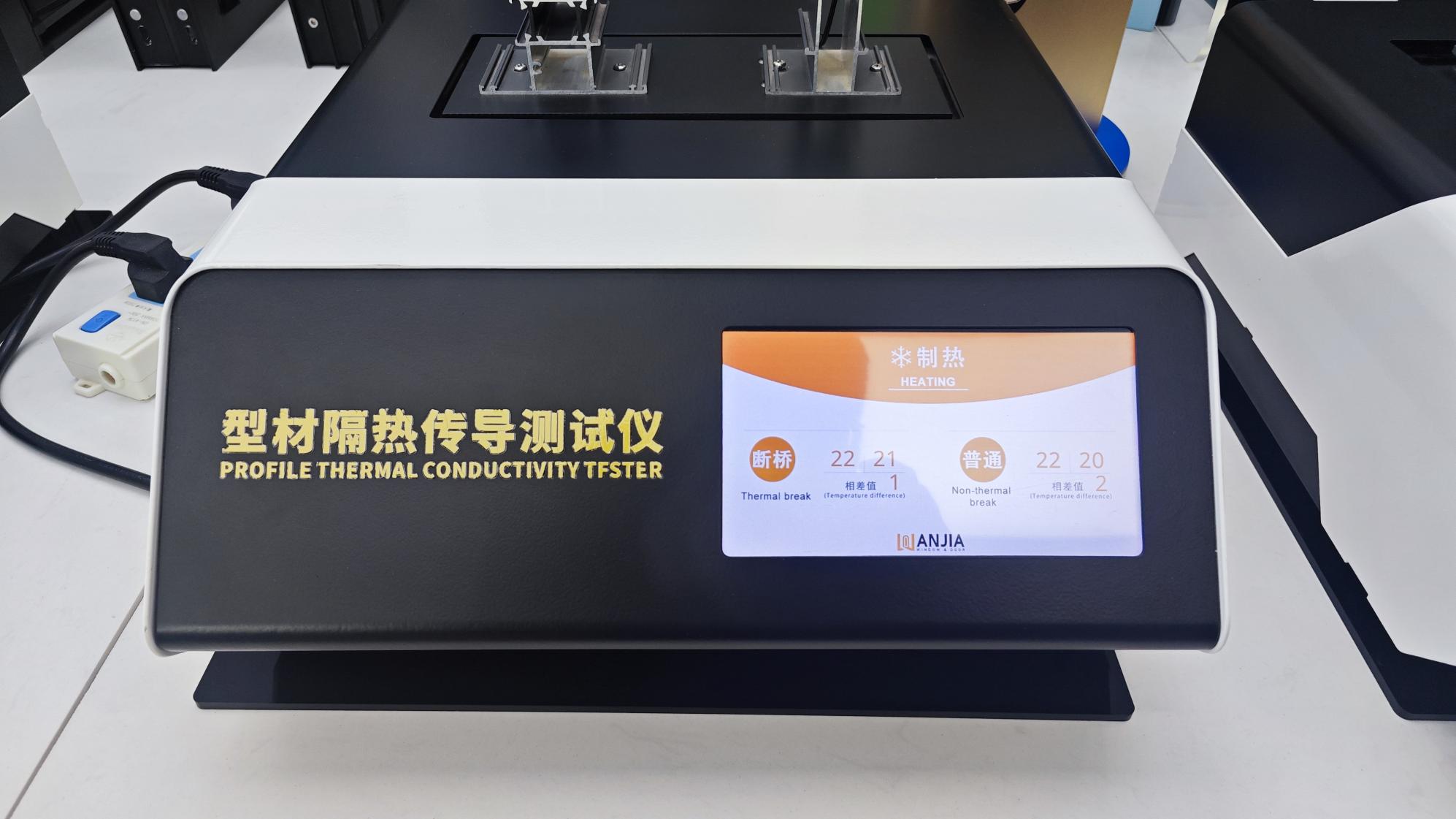 Profile Thermal Insulation Conductivity Tester
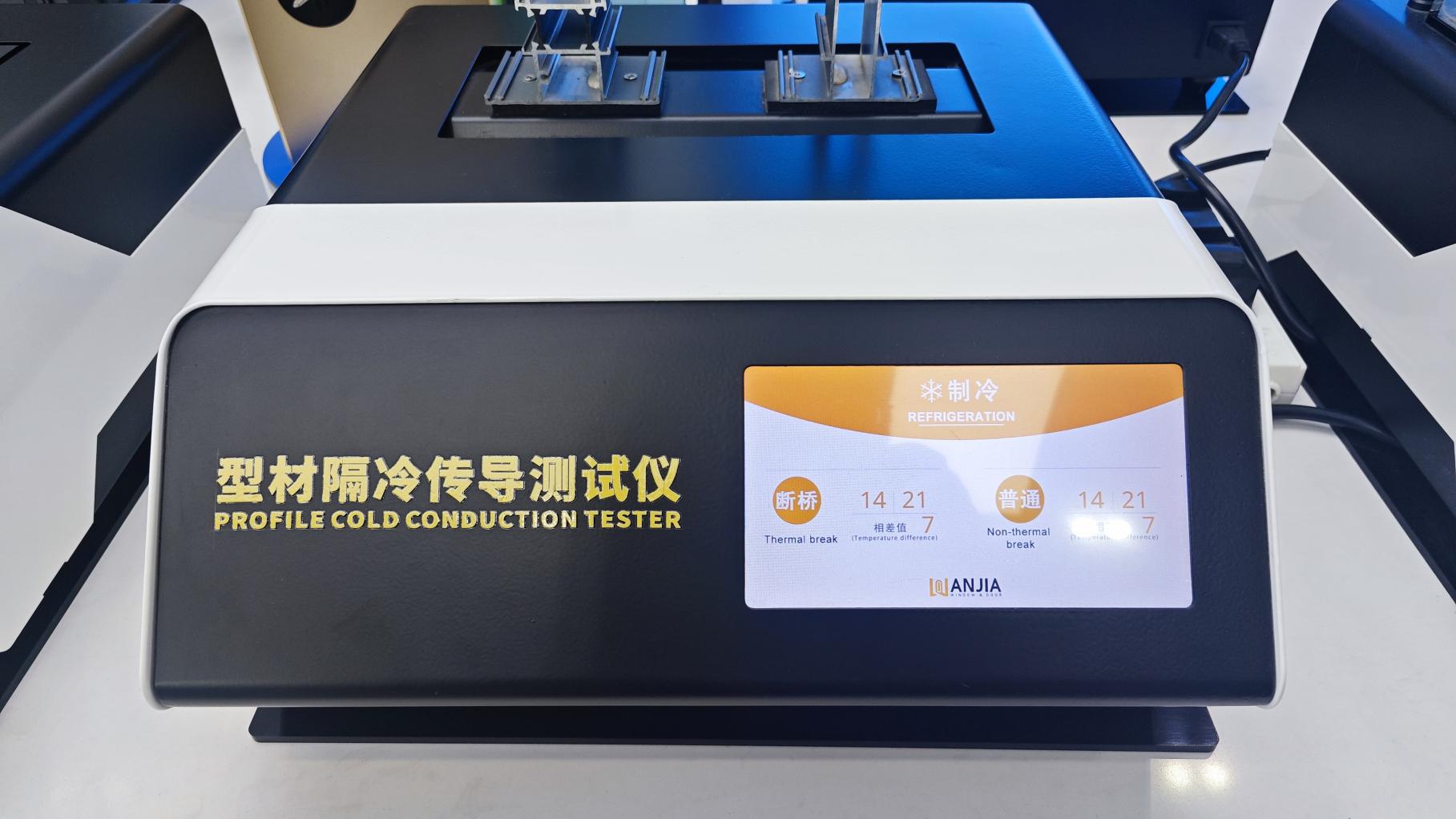 Profile Cold Insulation Conductivity Tester
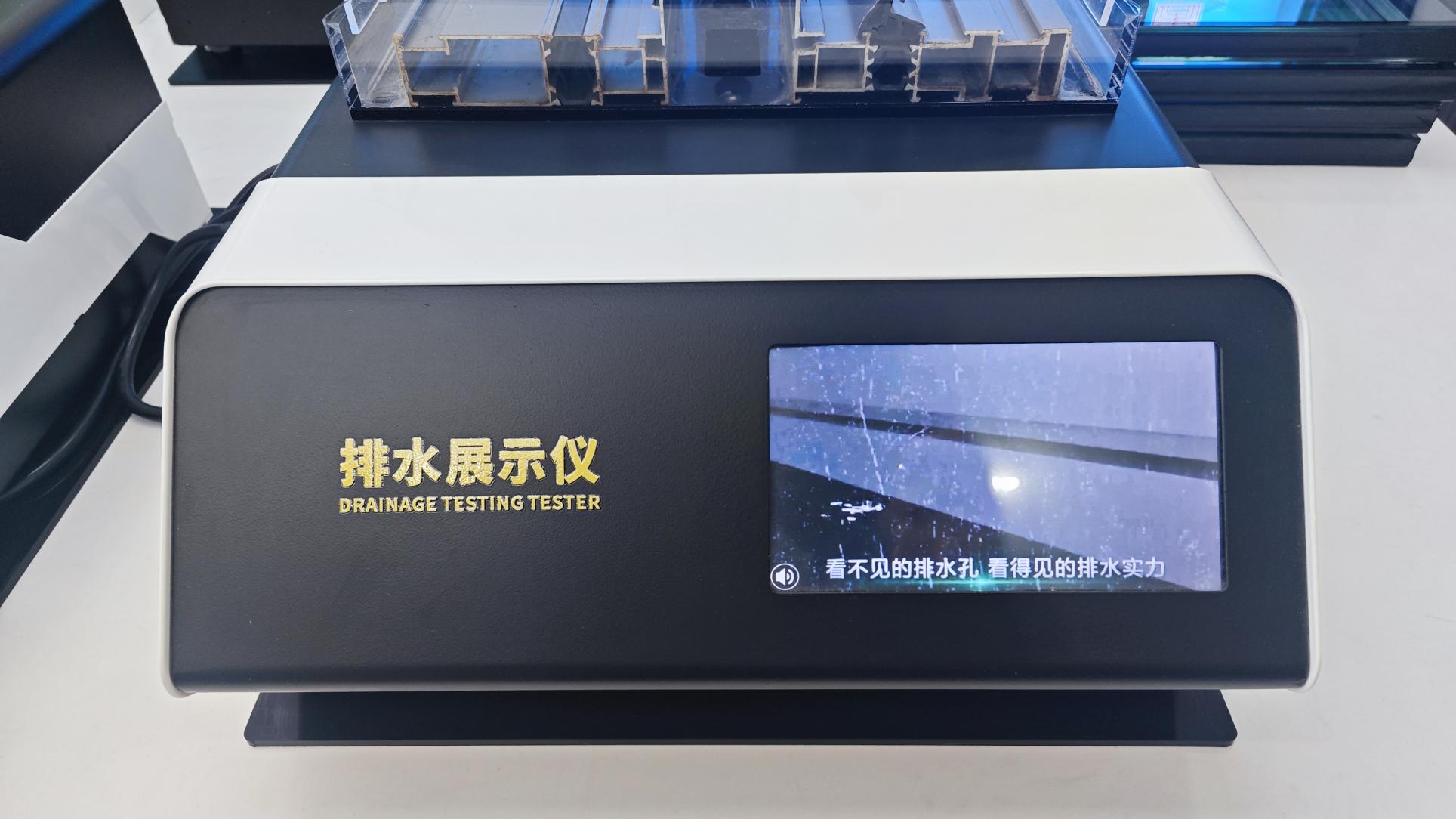 Drainage Display Device
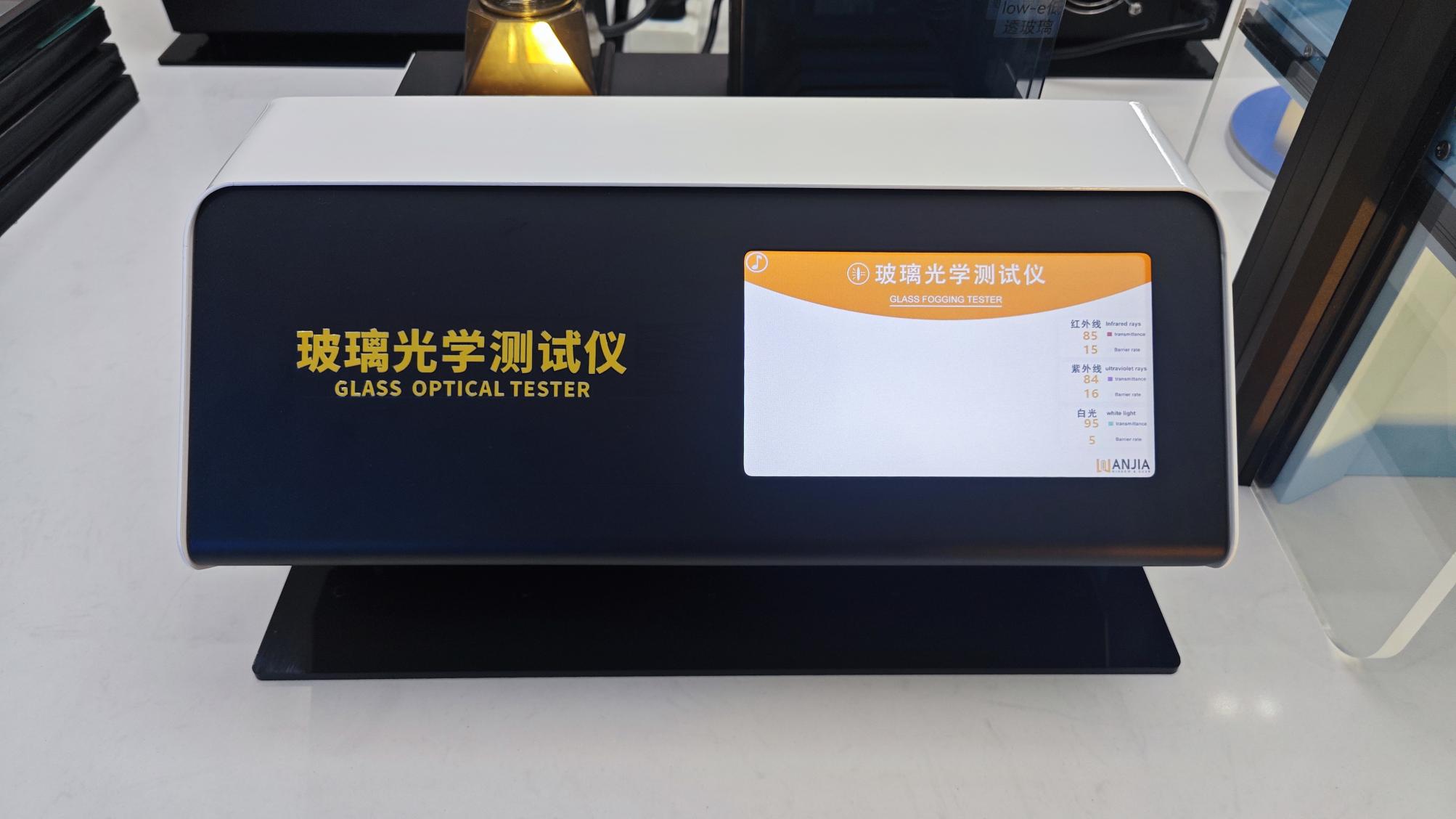 Glass Optical Tester
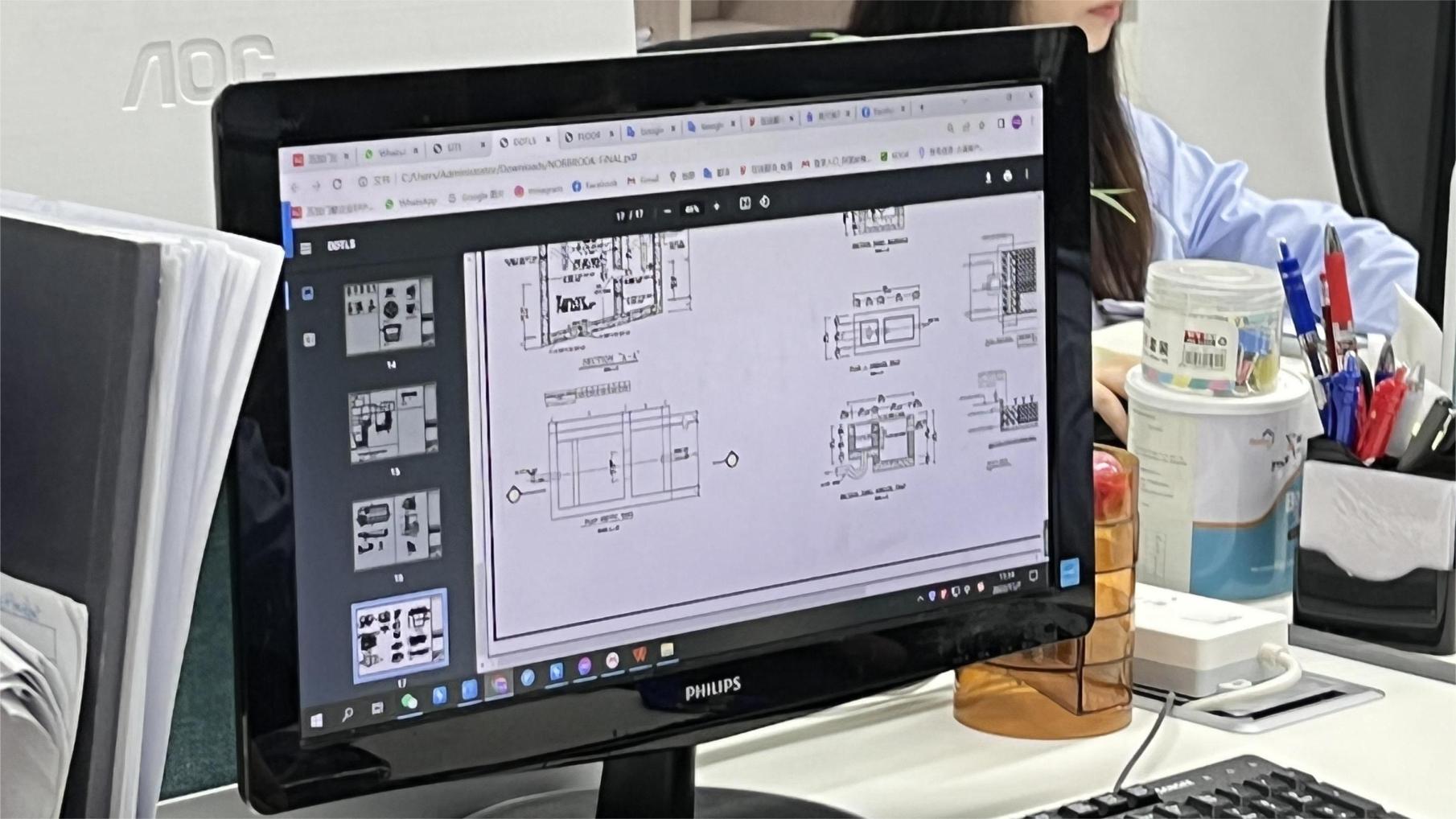 CAD Drawing Development
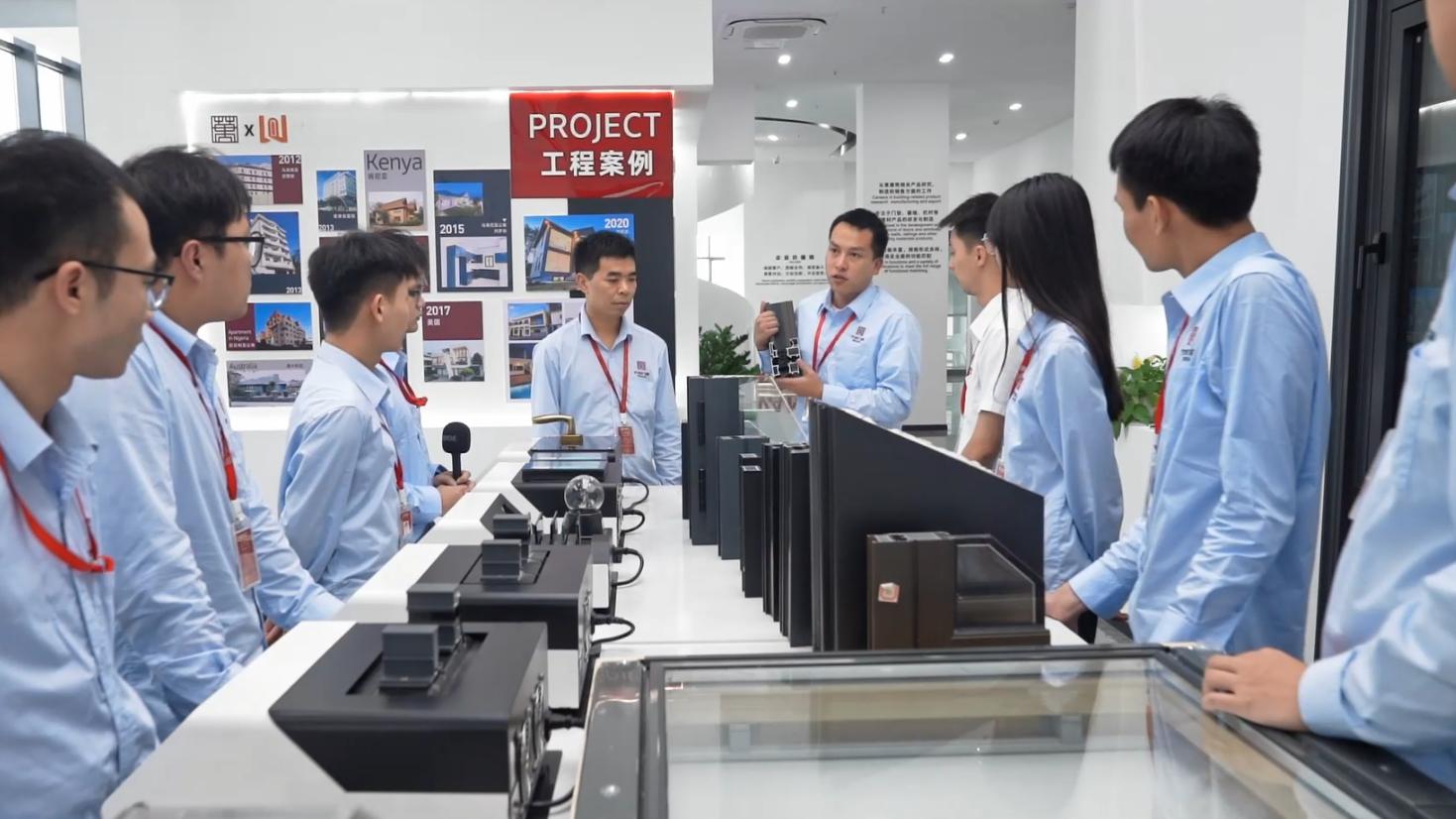 R&D Personnel Discuss
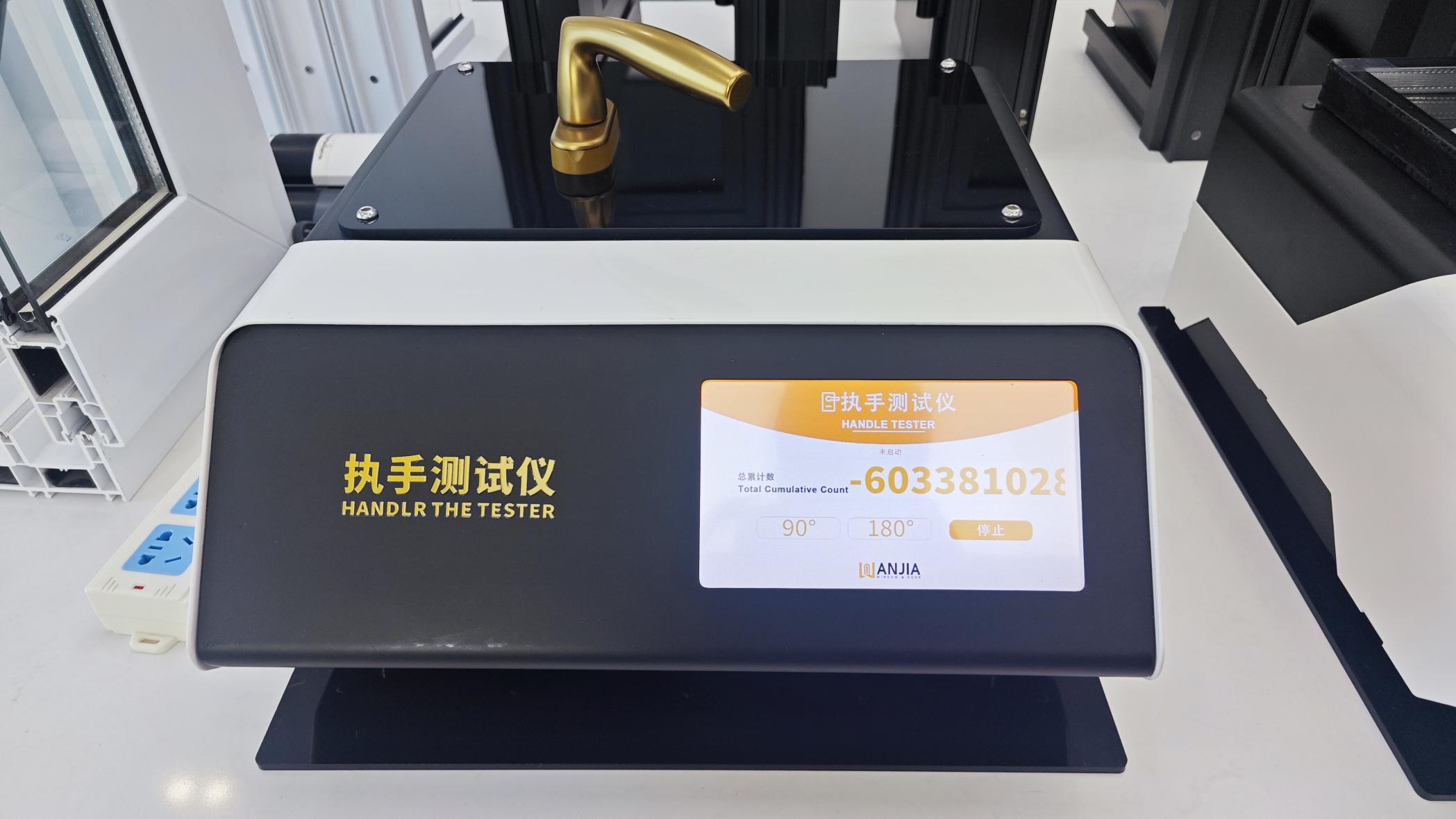 Handle Tester
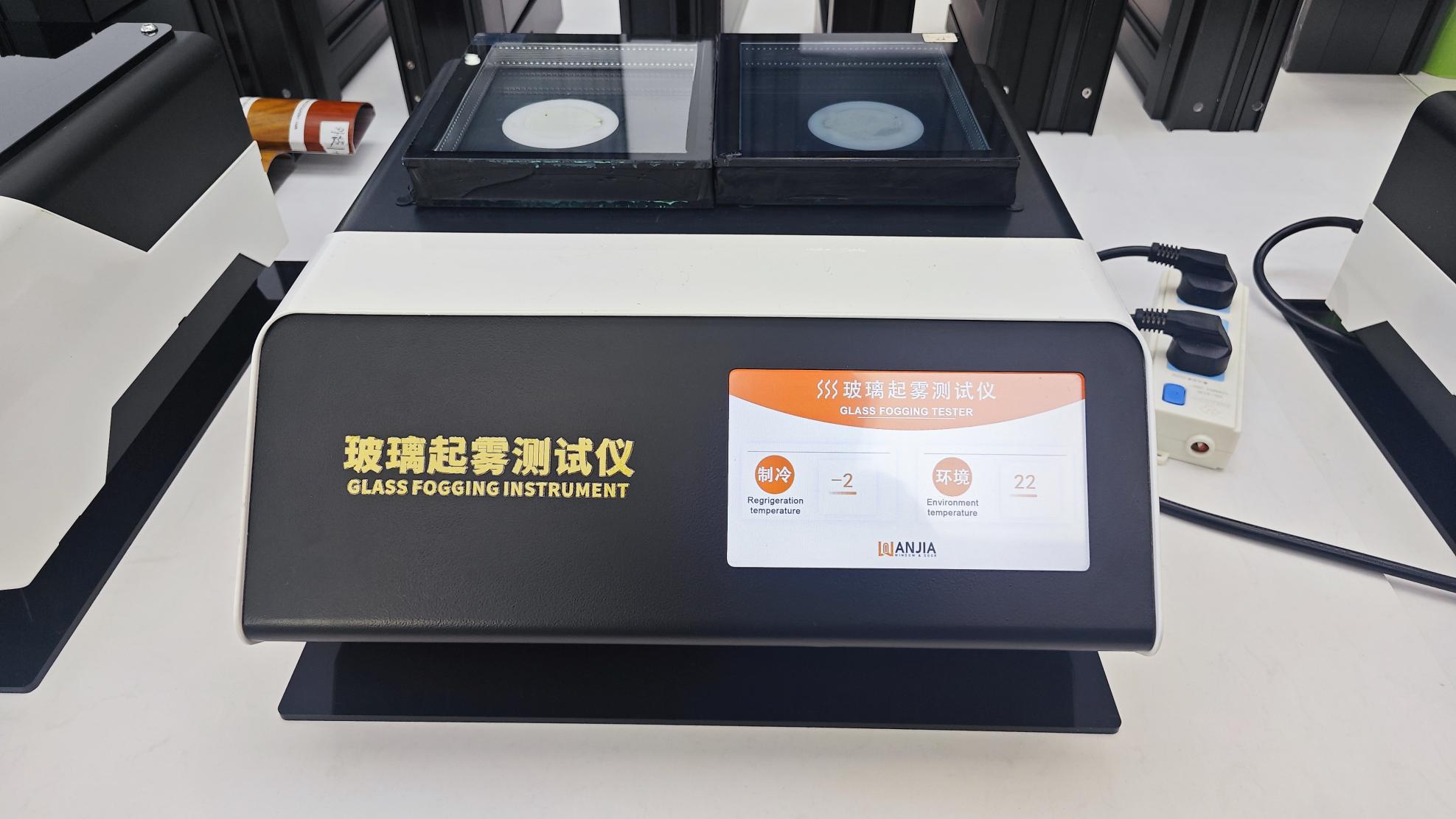 Glass Fogging Tester
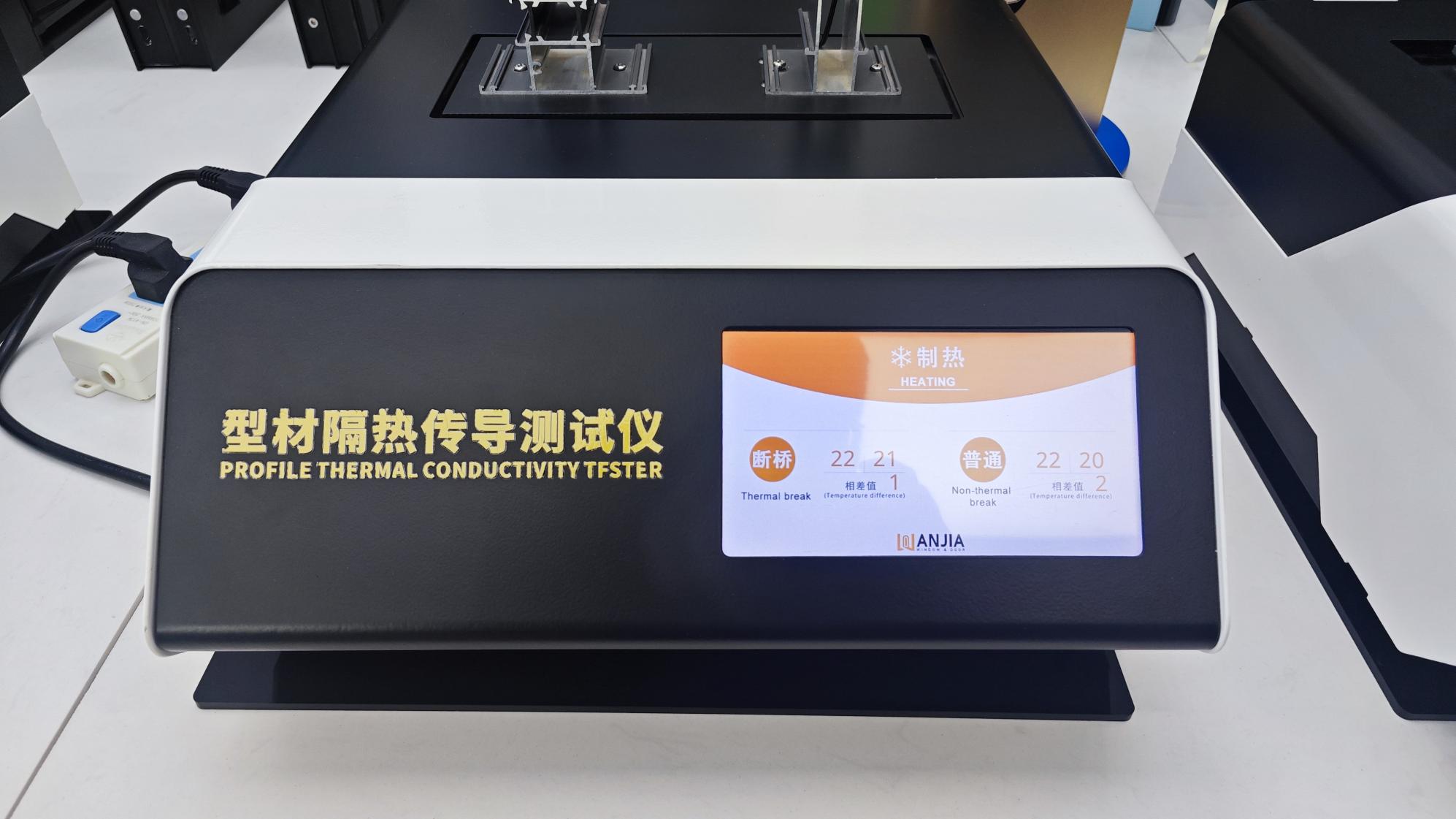 Profile Thermal Insulation Conductivity Tester
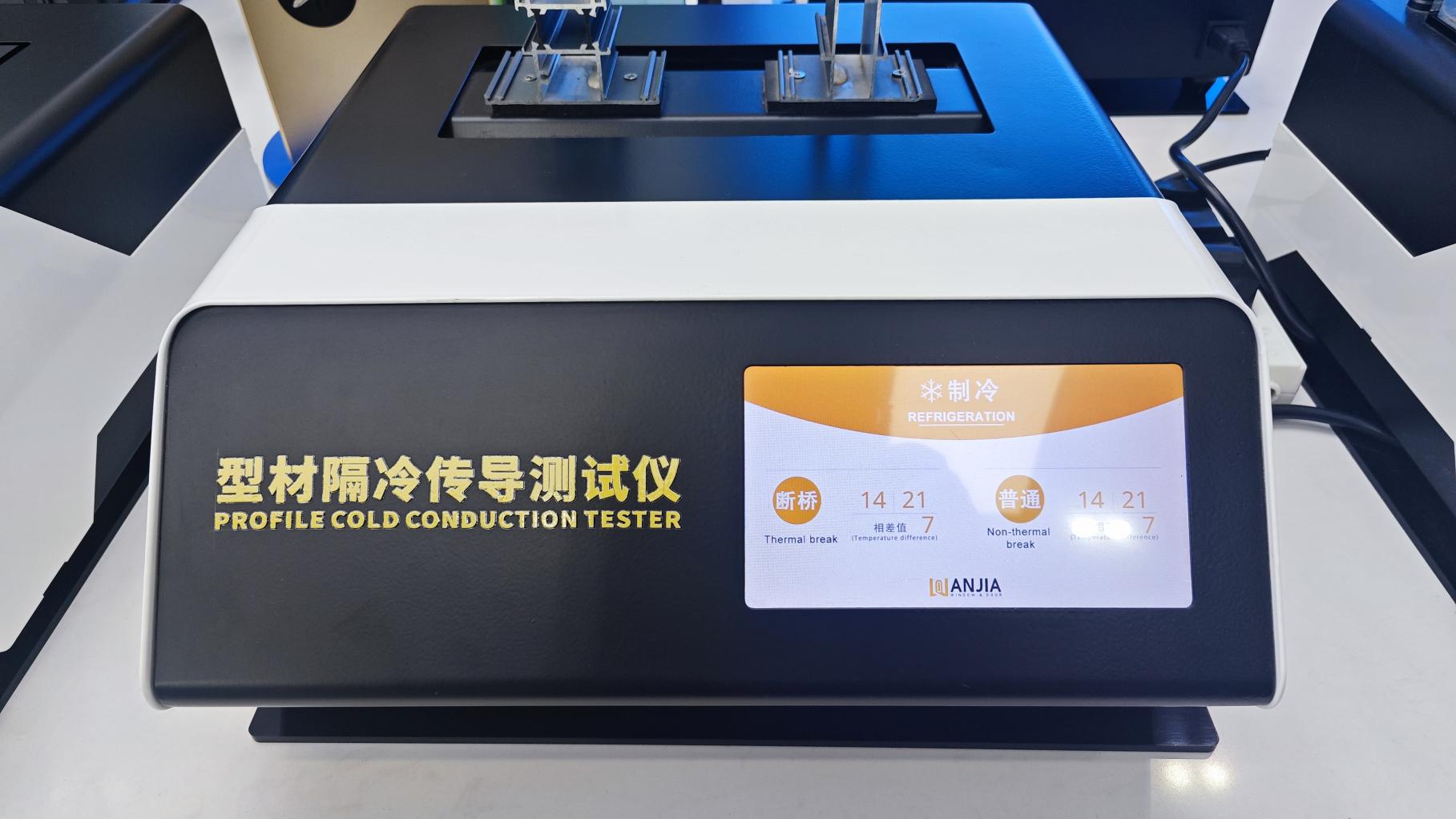 Profile Cold Insulation Conductivity Tester
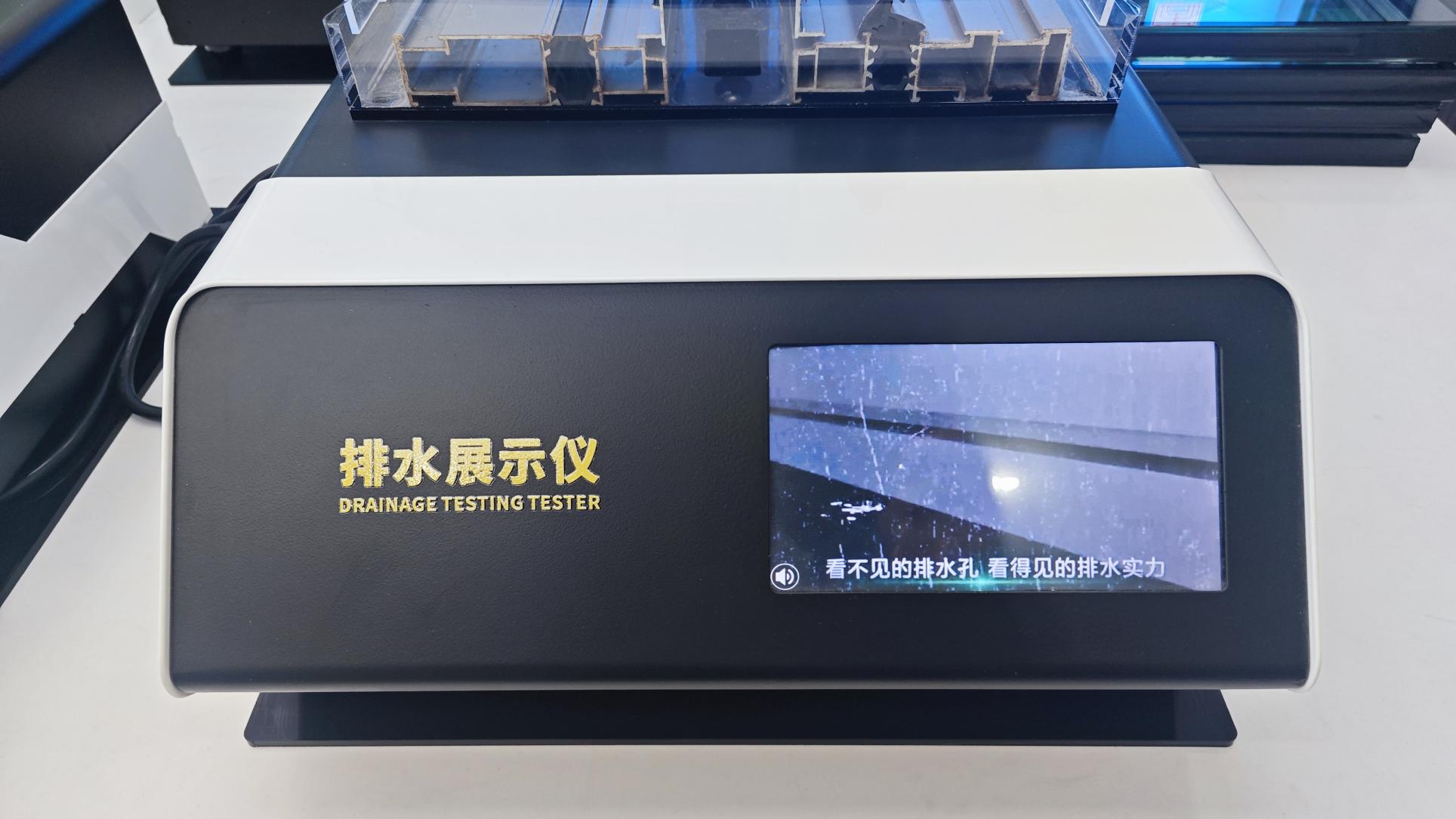 Drainage Display Device
China remains the undisputed epicenter of world-class architectural glass processing and specialized door manufacturing. Factories in industrial hubs like Guangdong (Foshan) leverage complete ecosystem integration, yielding unbeatable competitive advantages for overseas developers and B2B buyers:
From raw float glass production (Xinyi, CSG) to precision CNC machining of stainless steel patch fittings and anodized extrusions, China's concentrated industrial clusters minimize transit lead times and raw material markup.
Automated double-edging production lines, forced-convection tempering furnaces, and robotic glass washing ensure millimeter-precise dimensional tolerances (±0.5mm) even on massive 4-meter tall glass panels.
Unlike Western OEMs that mandate massive MOQ minimums for non-standard door dimensions or custom glass cutouts, Chinese manufacturers accommodate tailored architectural specifications with agile production schedules.
The next decade of frameless glass entrance design will focus on bridging the gap between extreme aesthetic minimalism and high-performance energy retention. Key technology trends shaping the market include:
Integrating ultra-thin 0.3mm vacuum gaps between glass plies allows frameless entrance doors to achieve U-values under 0.60 W/m²K (R-10 equivalent), bringing Passive House thermal performance to completely frameless double-leaf doors.
Dynamic tinting glass allows entrance doors to automatically shift from crystal clear to opaque on demand via smartphone app, BMS interlock, or ambient sunlight sensors, eliminating the need for internal shading.
Future entrance hardware eliminates traditional deep floor spring excavations. Modern hydraulic patch fittings mount directly onto finished flooring while supporting door leaves up to 200kg (440 lbs) with soft-close damping.
Factory-applied durable self-cleaning ceramic and titanium oxide nanocoatings repel water spots, dirt accumulation, and finger oils, dramatically reducing maintenance costs for high-traffic commercial store fronts.
Frameless glass entry doors are tailored to meet unique regional and spatial requirements across diverse global building typologies:
Maximum visual clarity is paramount. Floor-to-ceiling ultra-clear glass doors (15mm Optiwhite) invite street shoppers visually while maintaining physical security through electromagnetic shear locks.
High-frequency access paired with card key or biometric readers. Heavy-duty concealed top pivot closers ensure 500,000+ opening cycles without alignment drift or sagging.
Architects in Miami, Dubai, or Sydney favor massive oversized frameless glass pivot doors configured with SGP laminated impact glass to withstand Category 5 hurricanes and salty sea air corrosion.
Navigating international building regulations is critical for importers and facade contractors. Reputable factories supply fully certified glass door assemblies that comply with localized codes:
SGCC / ANSI Z97.1: Safety glazing certification for impact resistance.
NFRC Rating: Thermal performance validation (U-factor and SHGC).
Miami-Dade NOA / FPA: High-Velocity Hurricane Zone (HVHZ) compliance requiring large missile impact testing.
EN 12150-1: Thermal toughened soda lime silicate safety glass.
EN 14179: Heat Soak Testing standard for fragmentation control.
CE Mark / UKCA: Mandatory conformity marking for construction products traded within Europe and the UK.
Explore our supplementary range of thermal-break sliding doors, smart lock entries, and specialized hurricane-resistant profiles engineered for worldwide delivery.
 ArmorSafe Doors