Engineered for Hurricane Zones, Commercial Storefronts, and Luxury Modern Infrastructure (NFRC, NOA & AS2047 Certified)
Macroeconomic Drivers, Extreme Weather Resilience, and Structural Safety Code Evolution
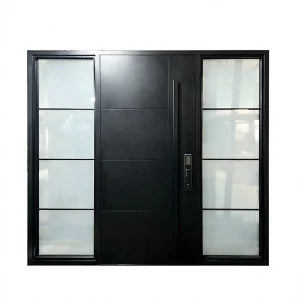
In contemporary commercial and residential architecture, the entry door is no longer merely a point of ingress; it represents the primary structural barrier against catastrophic atmospheric events, forced entry, and thermal transfer. Global climate acceleration has escalated the frequency and intensity of tropical cyclones, severe coastal windstorms, and extreme temperature fluctuations. Consequently, municipal building authorities across North America, the Caribbean, Western Europe, and Australia have enforced stringent structural compliance codes—such as Florida's High-Velocity Hurricane Zone (HVHZ) standard, Miami-Dade NOA protocols, and Australian Standard AS2047.
For international buyers, property developers, hardware distributors, and big-box retail importers, procuring commercial-grade impact-resistant glass entry doors demands a direct manufacturing partner capable of delivering rigid structural performance without sacrificing modern minimalist aesthetics. OEM/ODM customization allows developers to specify precise glass thickness, laminated interlayers (SGP vs. PVB), thermally broken aluminum extrusions (6063-T6), and smart biometric access integration while benefiting from scale-driven manufacturing efficiencies.
Designed to sustain cyclic pressure up to +96/-96 PSF. Engineered to resist structural deflection, water infiltration, and dynamic wind loading during Category 5 hurricanes.
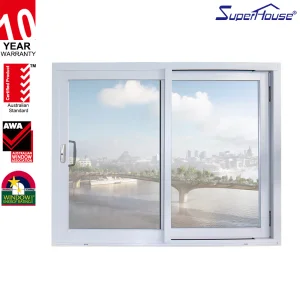
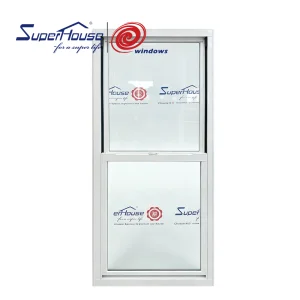
Integrating Polyamide PA66 GF25 thermal breaks with double/triple Low-E coated glass, delivering exceptionally low U-values (<0.24 Btu/h·ft²·°F) and sound attenuation up to STC 42.
Leveraging 620 tier-1 hardware and profile partners, ensuring continuous availability of stainless steel 316 hinges, multi-point locksets, and specialized glass finishes.
An Analysis of Laminated Impact Interlayers, Aluminum Alloys, and Thermal Breaking Systems
The structural integrity of an impact-resistant glass door hinges upon the mechanical behavior of its inner polymer interlayer when subjected to high-energy projectile strikes (e.g., 9-lb 2x4 wooden studs launched at 50 ft/s per ASTM E1996 Large Missile Impact Level D/E).
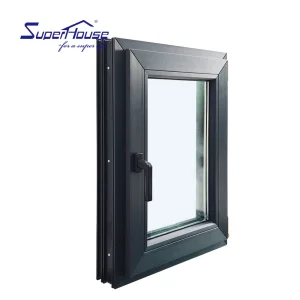
We utilize precision-extruded 6063-T6 and 6061-T6 structural aluminum alloys engineered with reinforced web thickness (ranging from 2.0mm to 3.5mm). Structural silicone glazing (Dow Corning 995) anchors the insulated glass unit (IGU) directly into the anodized aluminum pocket, forming a unified structural diaphragm.
| Performance Metric | Standard Glass Entry Door | ArmorSafe Impact Entry Door |
|---|---|---|
| Large Missile Impact | Fails (Shatters) | PASS (ASTM E1886/E1996 Level D/E) |
| Design Pressure (DP) | 25 - 35 PSF | 65 - 96 PSF (Customizable) |
| Thermal Transmittance (U-Factor) | 0.45 - 0.65 Btu/h·ft²·°F | 0.18 - 0.26 Btu/h·ft²·°F |
| Water Penetration Resistance | 150 Pa | 720 Pa (15 PSF) |
| Acoustic Rating (STC) | STC 28 - 32 | STC 38 - 44 |
| Forced Entry Grade | Basic Latch | Grade 40 Multi-Point Lock |
Our entry systems seamlessly integrate commercial access platforms including biometric fingerprint scanning, RFID keyless access, encrypted PIN keypads, and mobile APP control synced with smart home protocols.
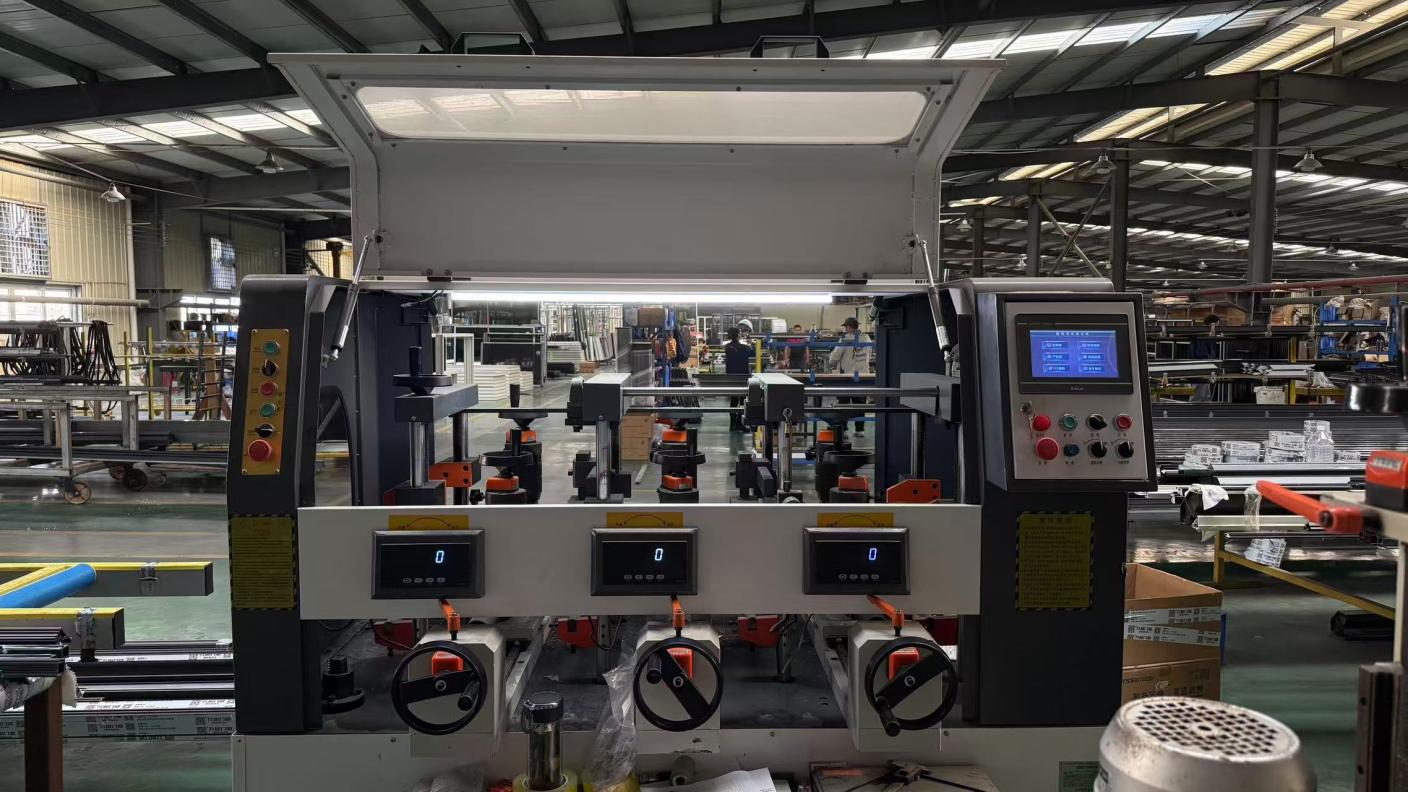
22,000 Sq Ft Precision Manufacturing Hub Powered by 48 R&D Engineers & 30 QC Specialists
Established in 2008, ArmorSafe Entry Door Systems Co., Ltd. has established an 18-year legacy in precision fenestration engineering. Operating an expansive 22,000 sq ft smart manufacturing facility, we generate $25 million in annual export volume. Our factory is fully outfitted with automated CNC cutting, milling, punching, and structural assembly lines designed specifically to maintain tight dimensional tolerances (±0.5mm) across mass production runs for OEM/ODM clients globally.
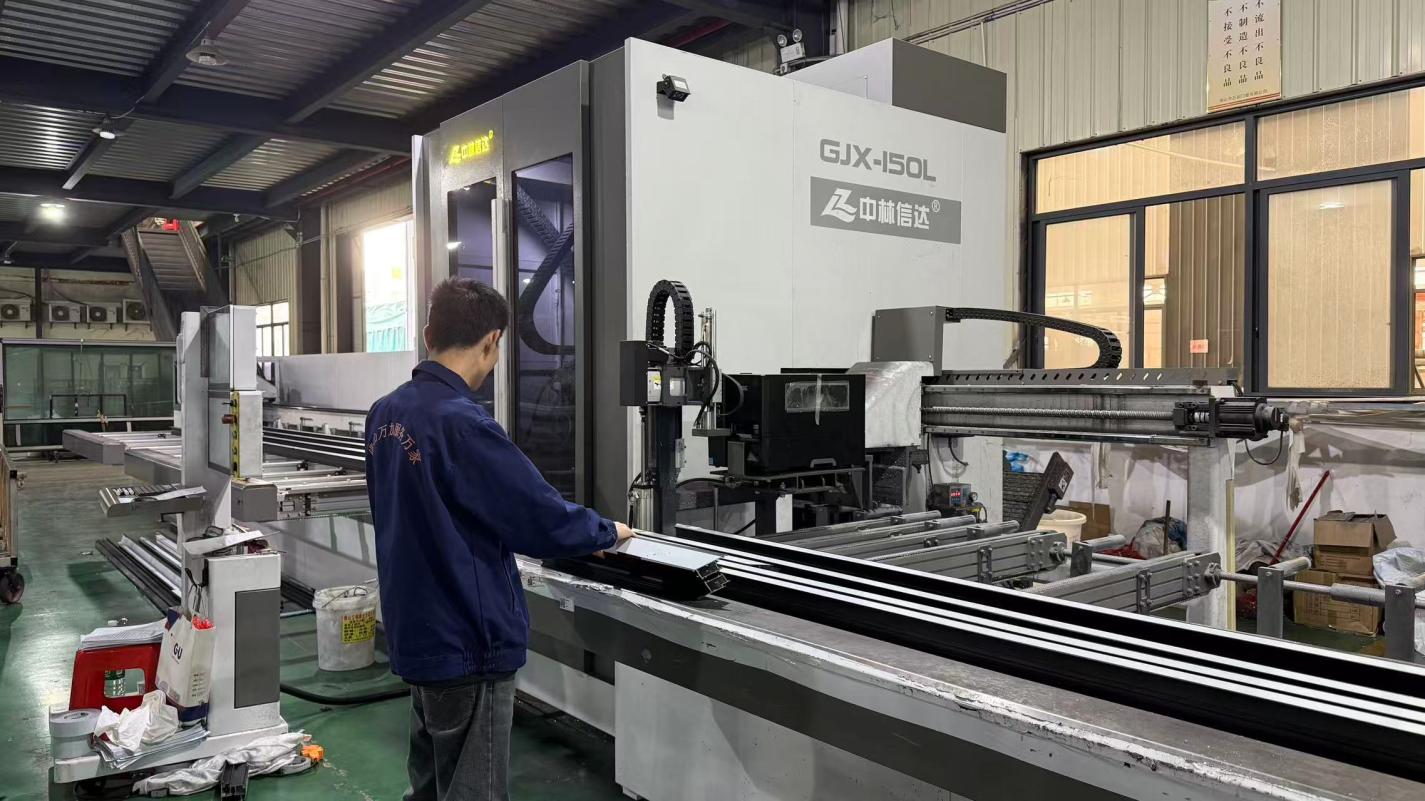
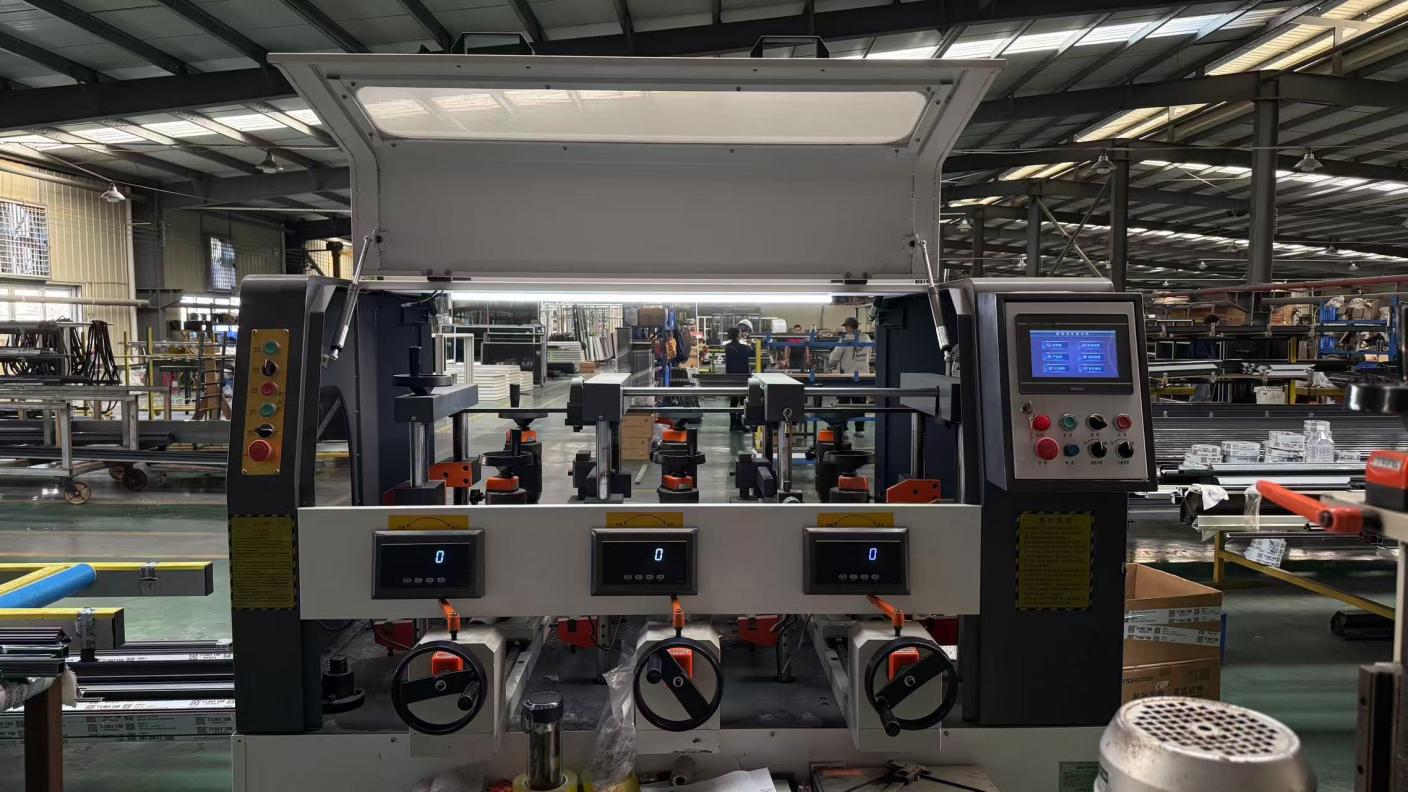
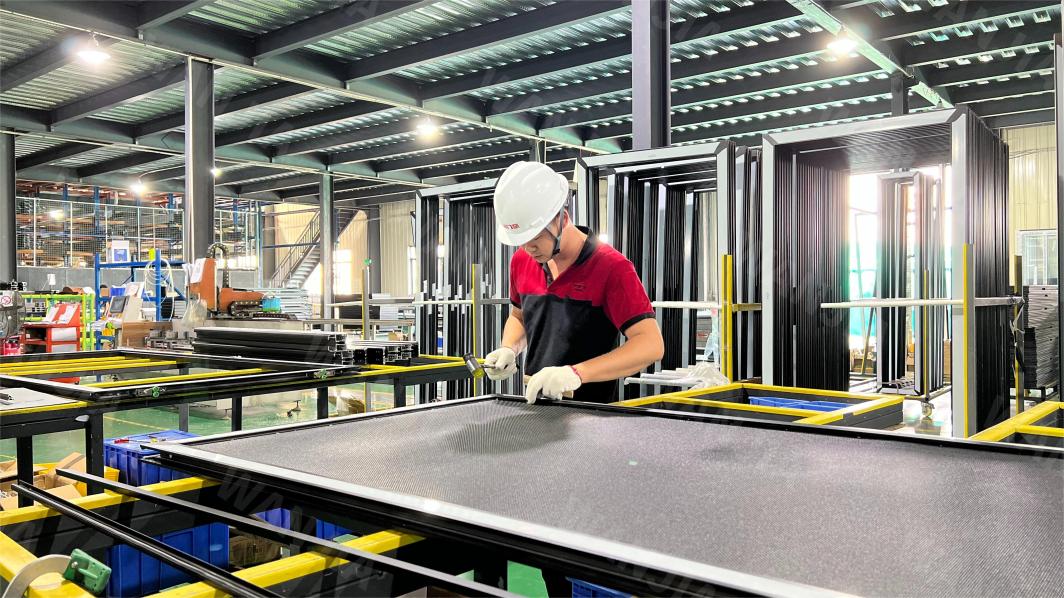
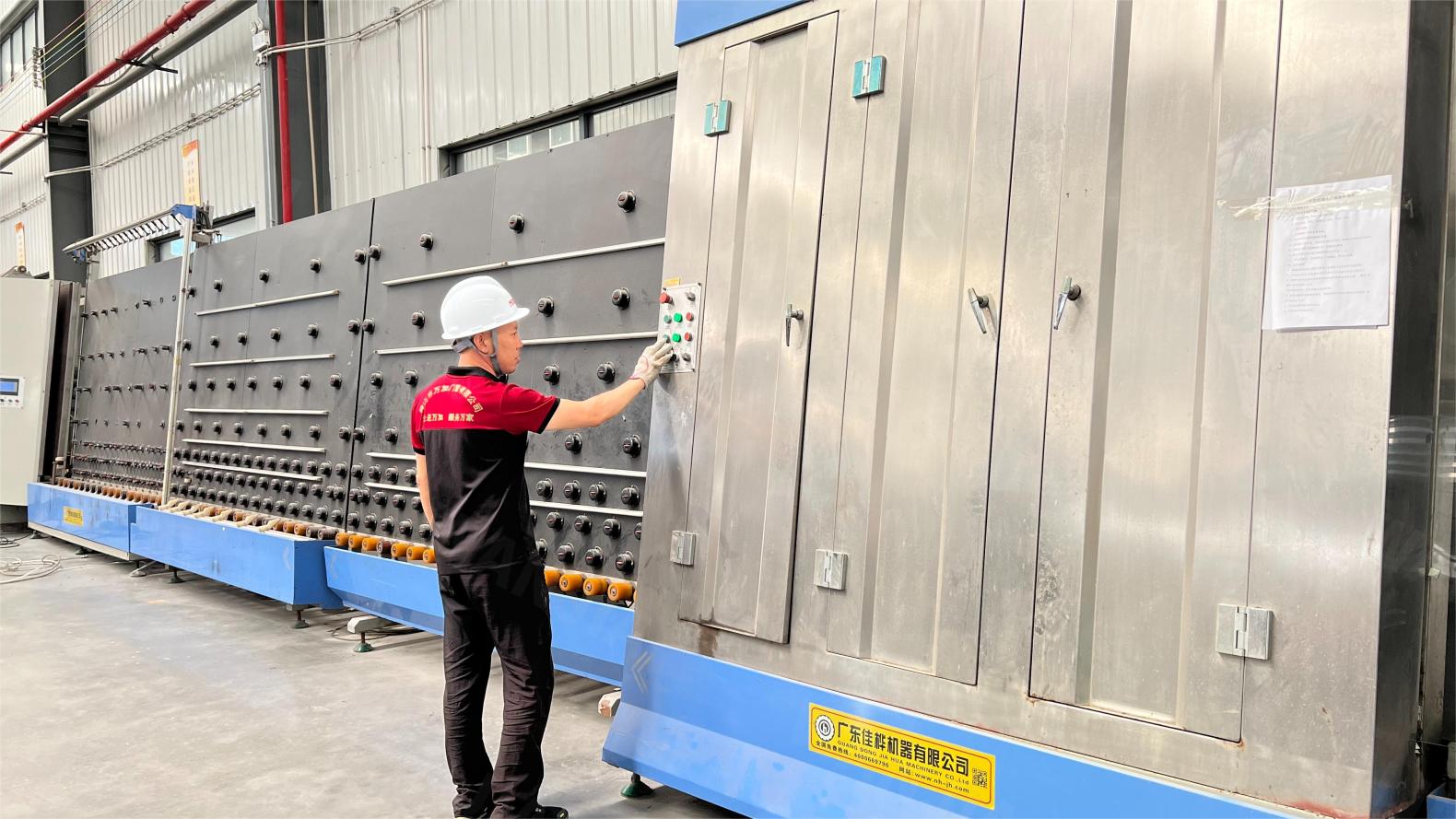
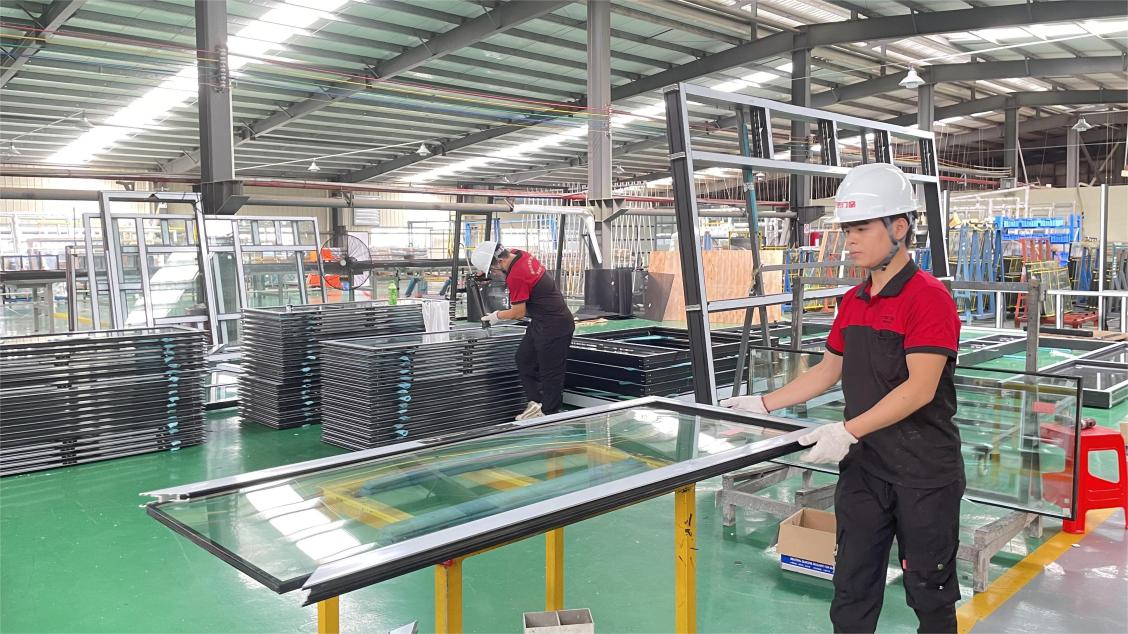
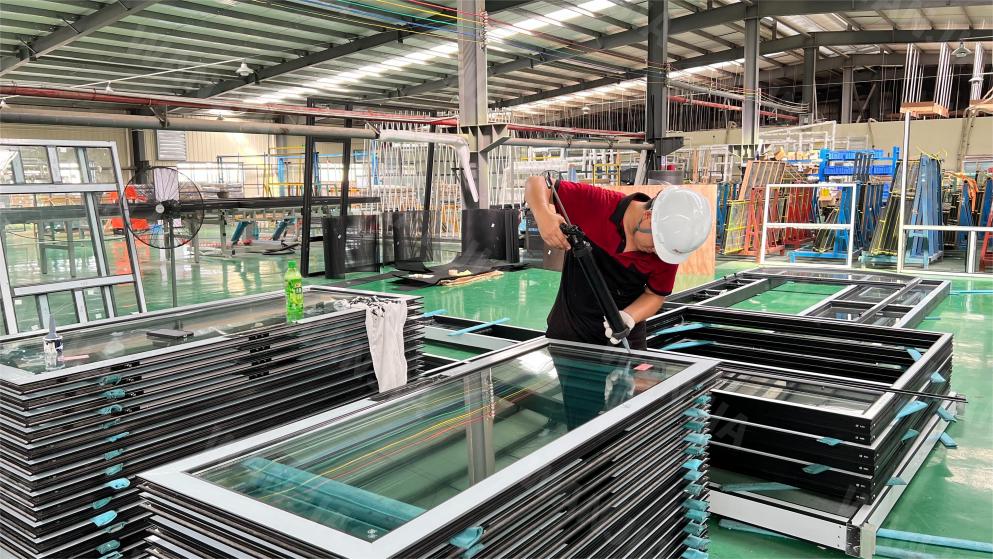
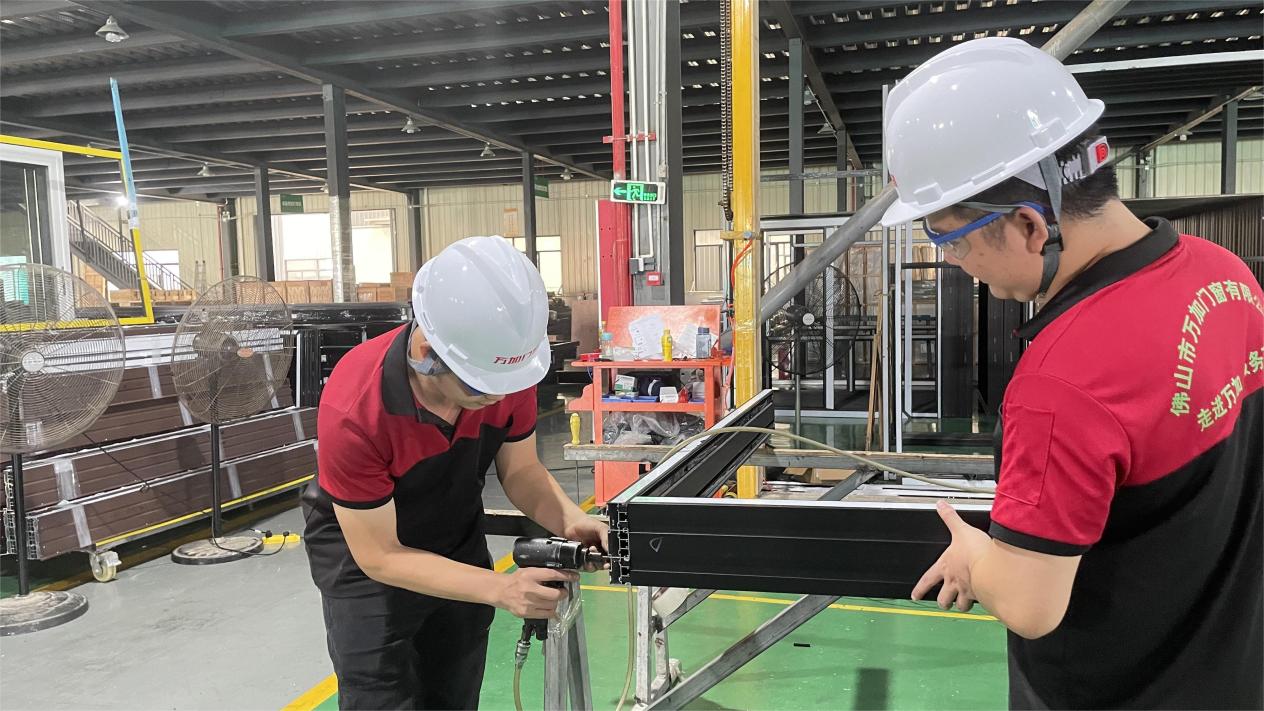
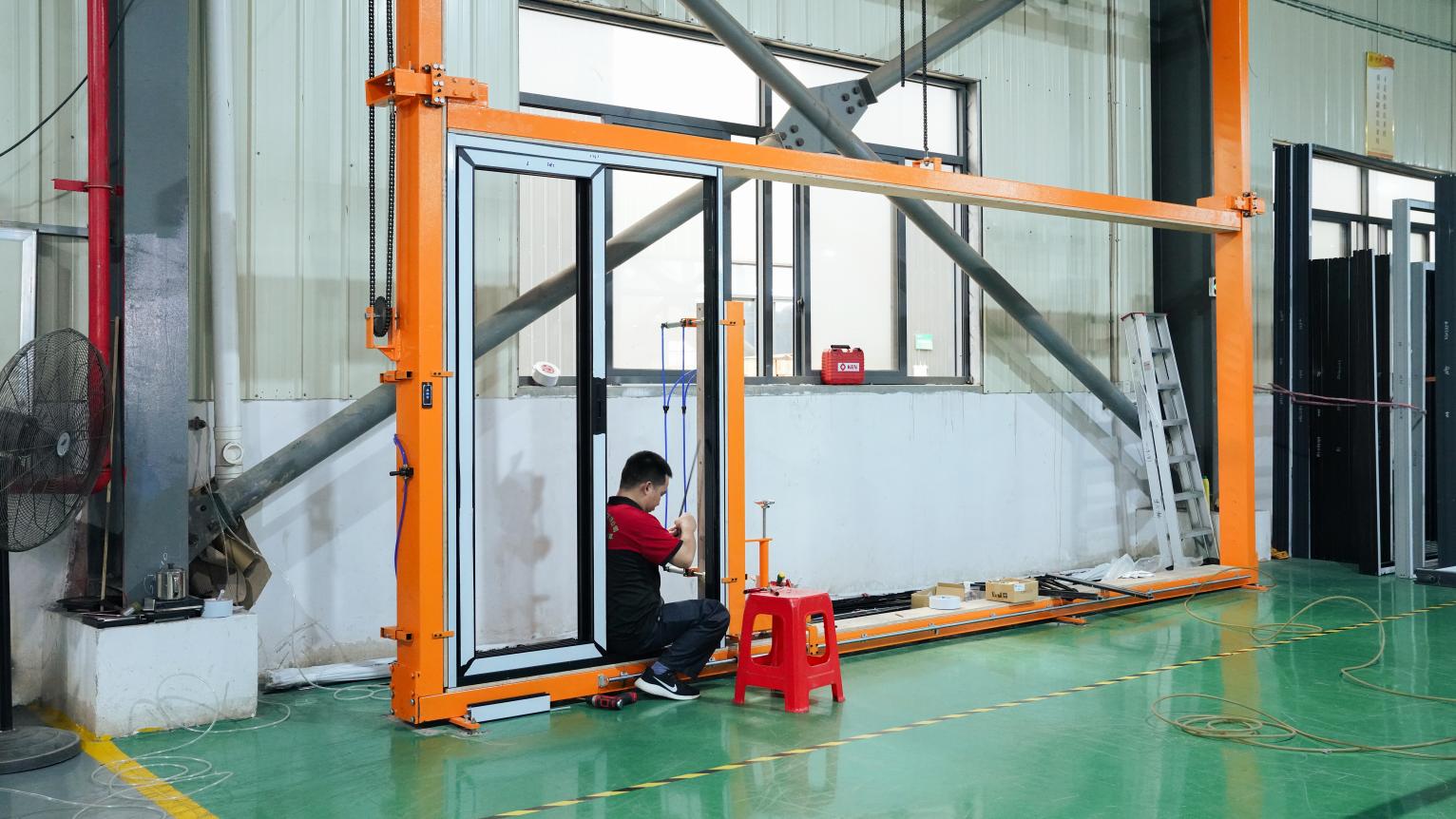
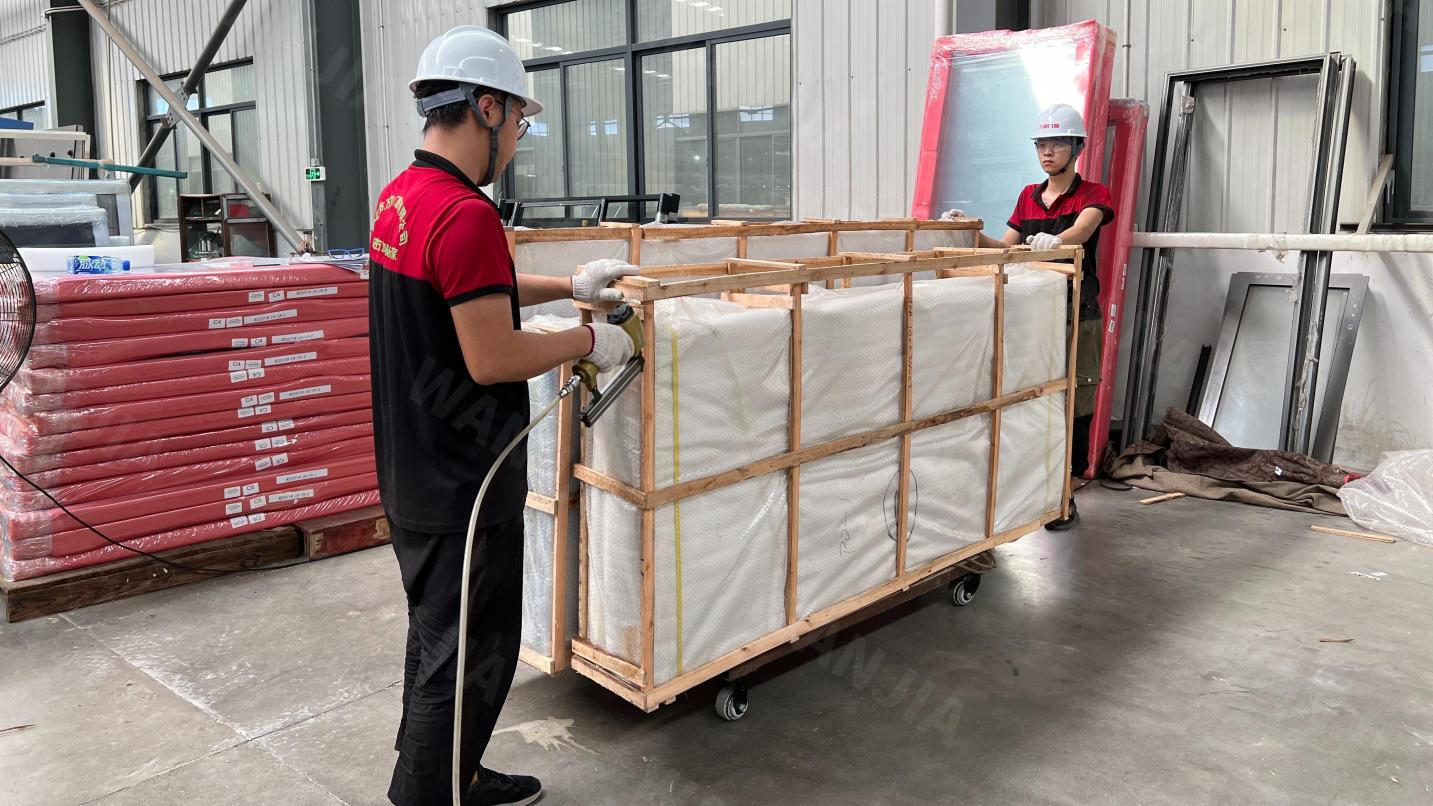
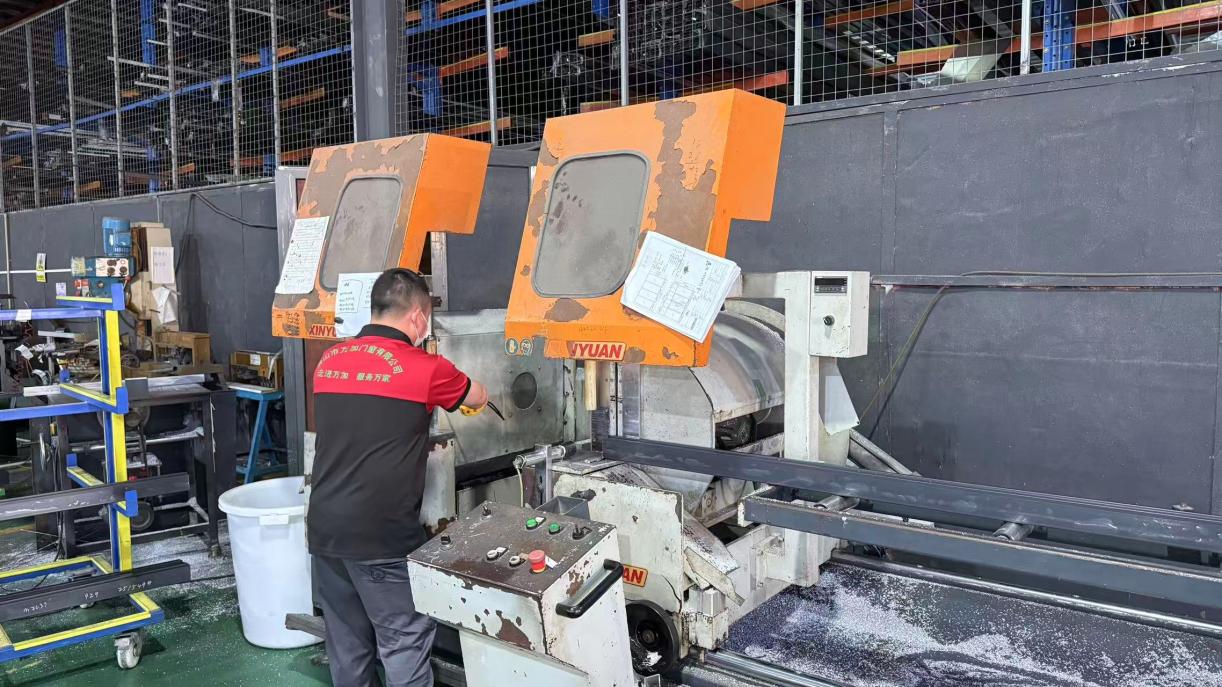
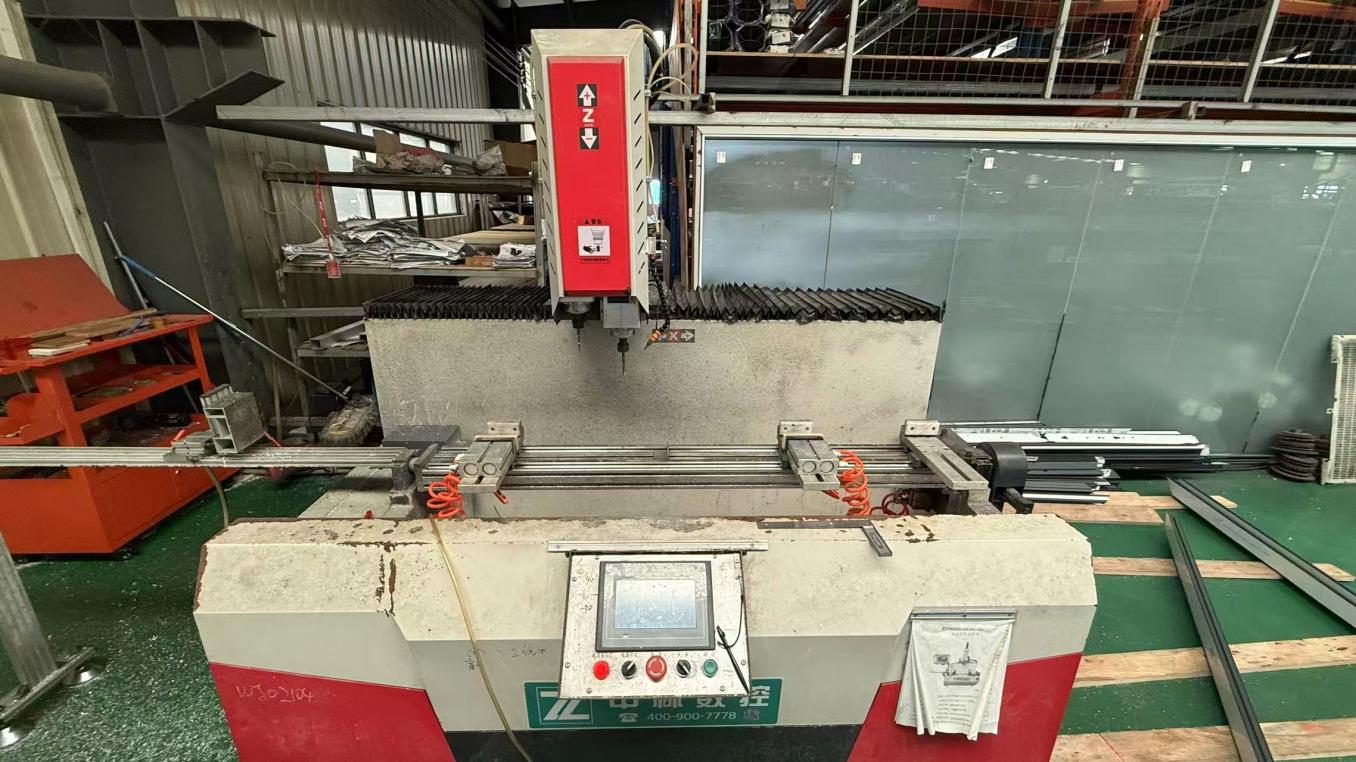
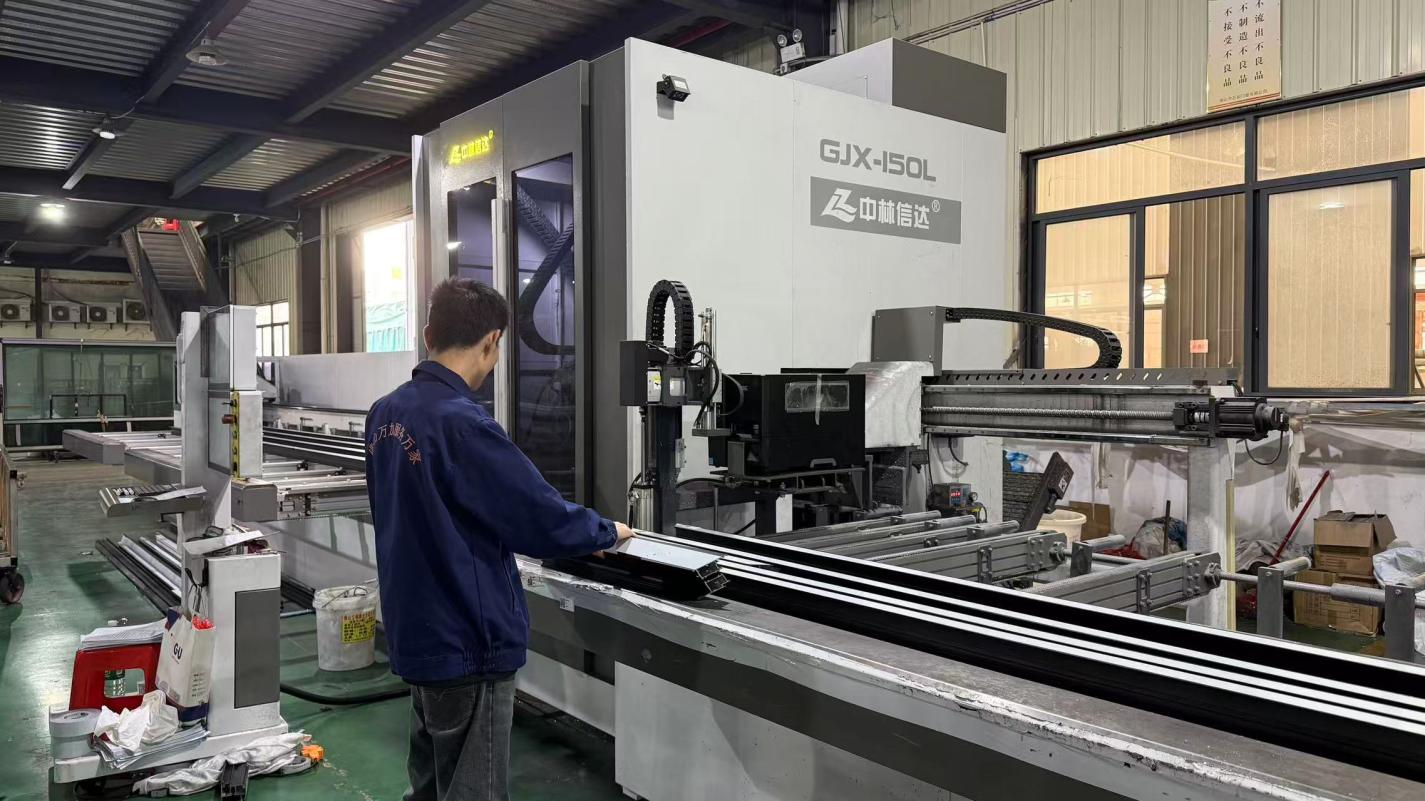
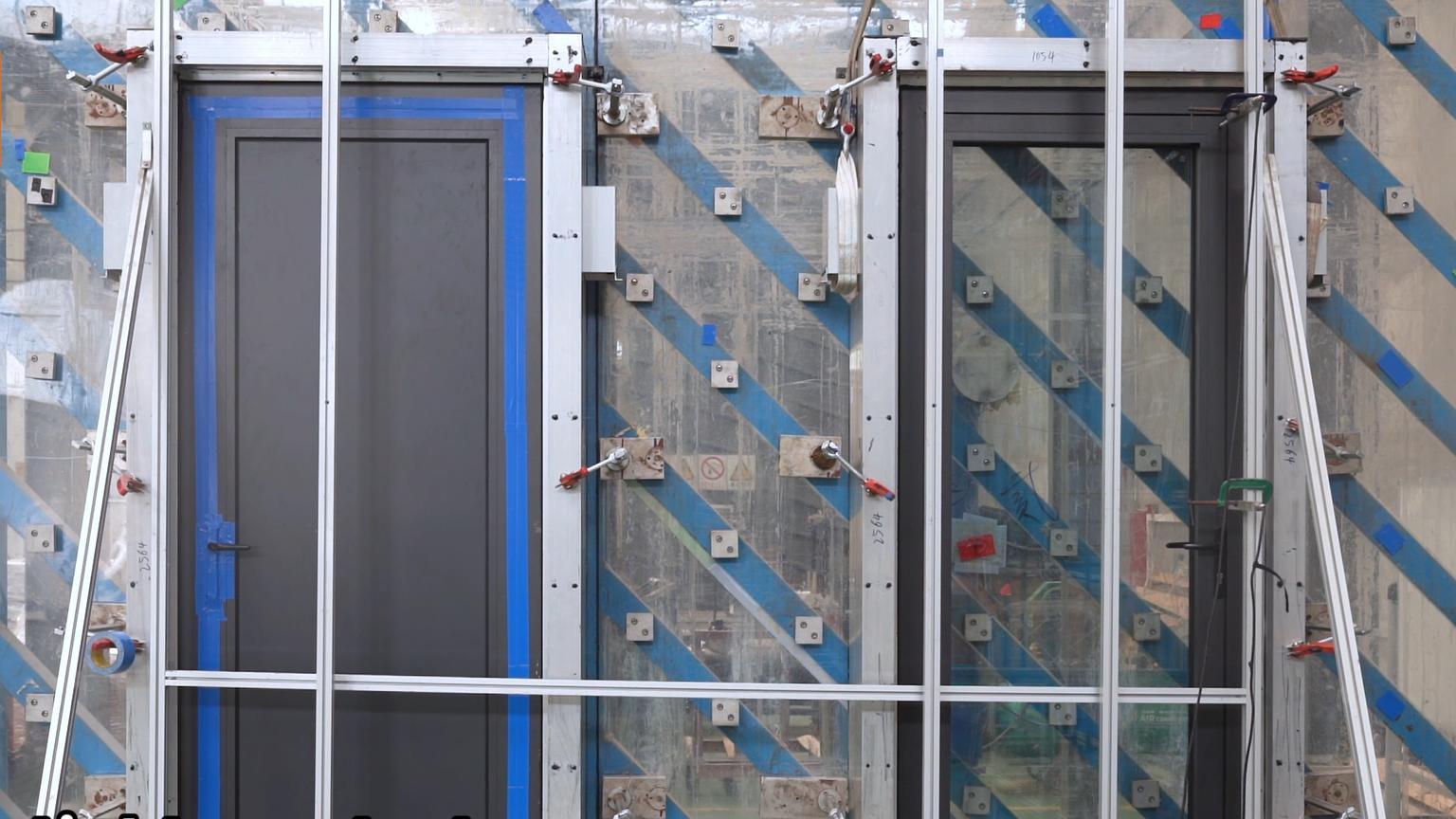
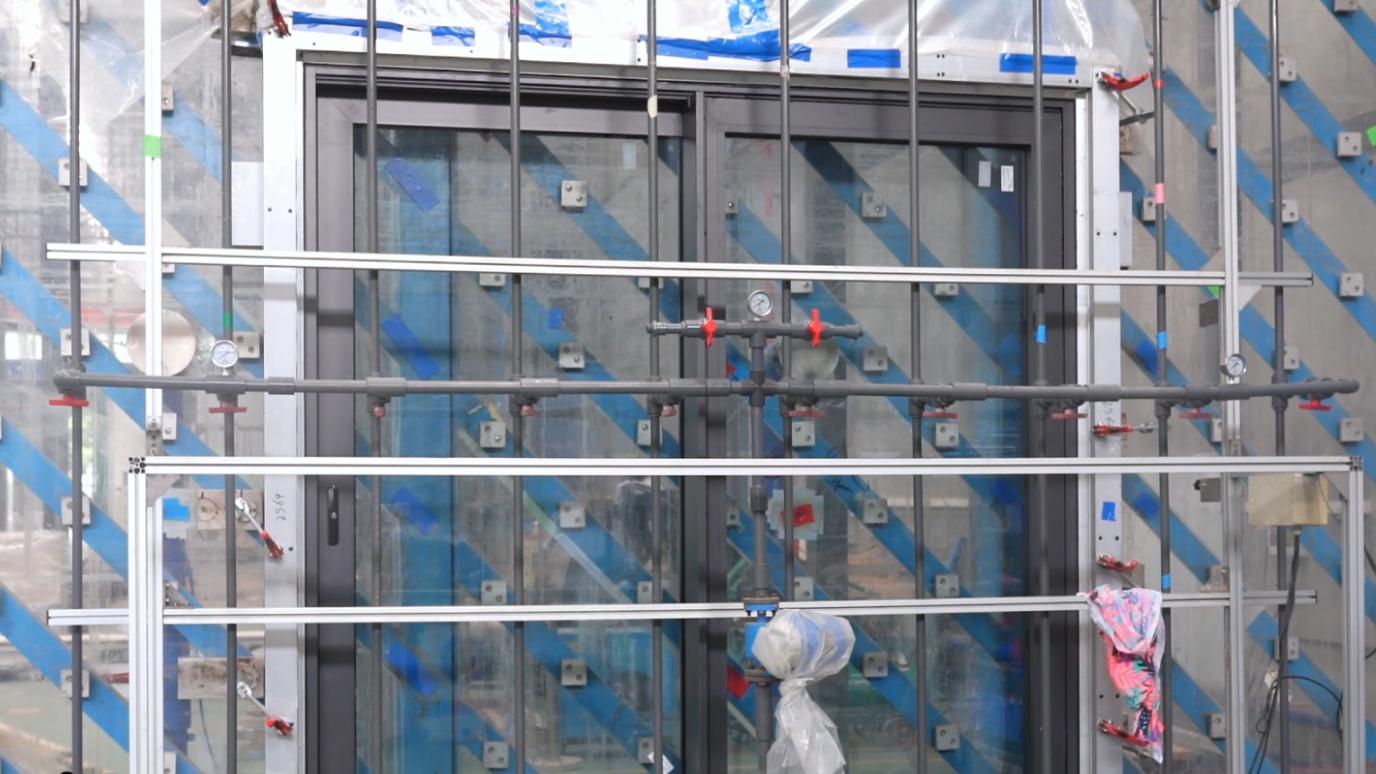
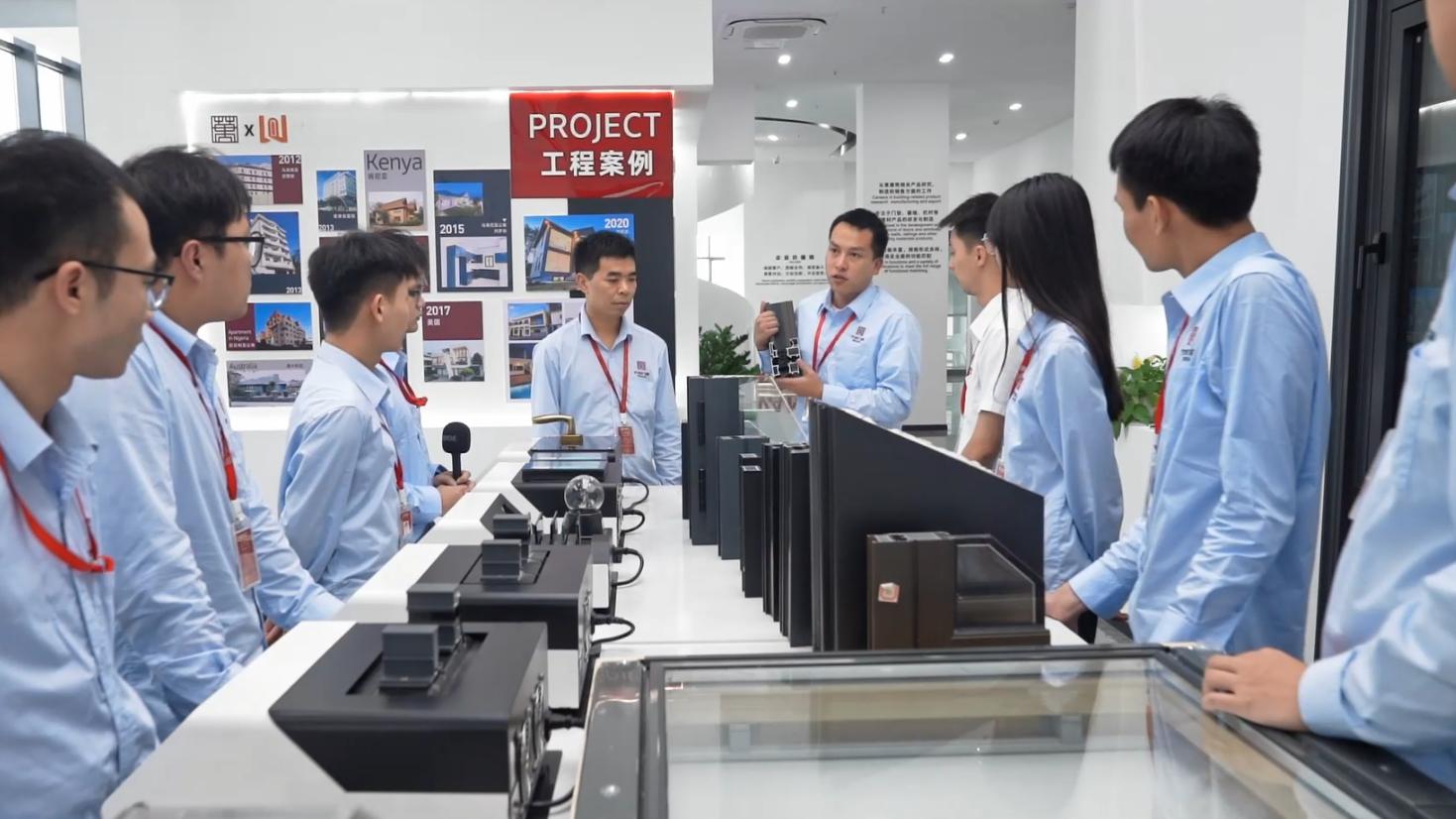
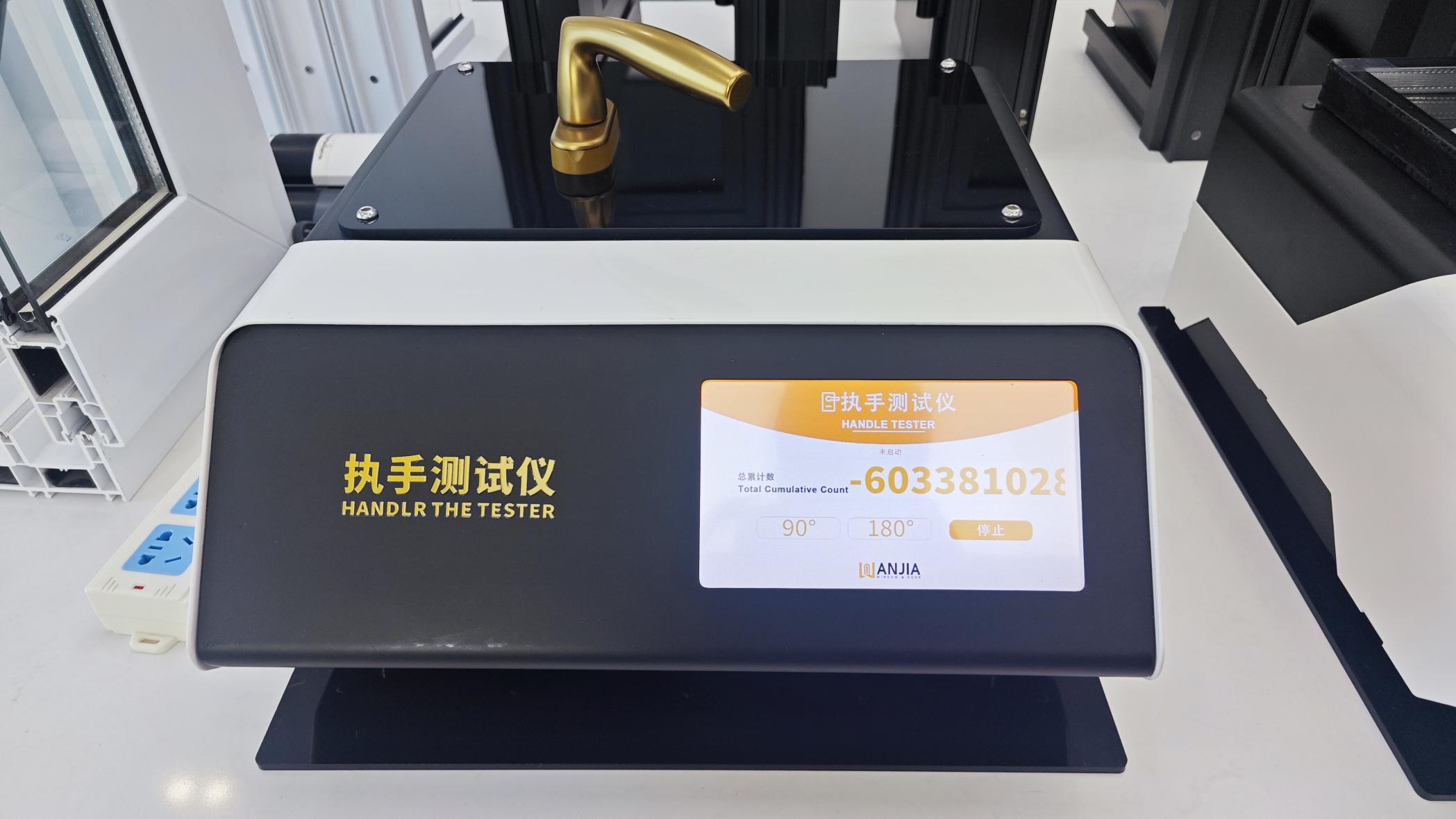
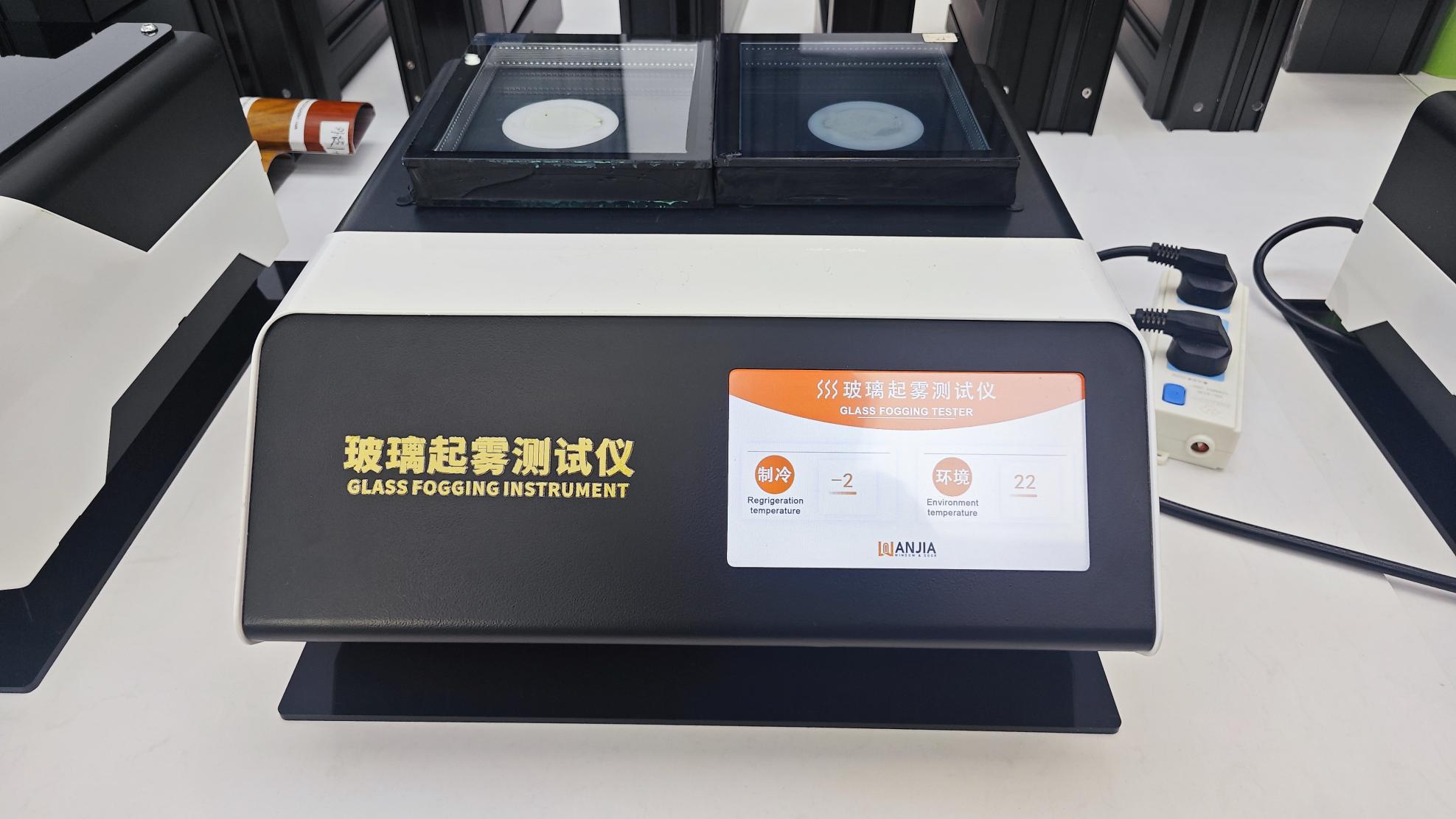
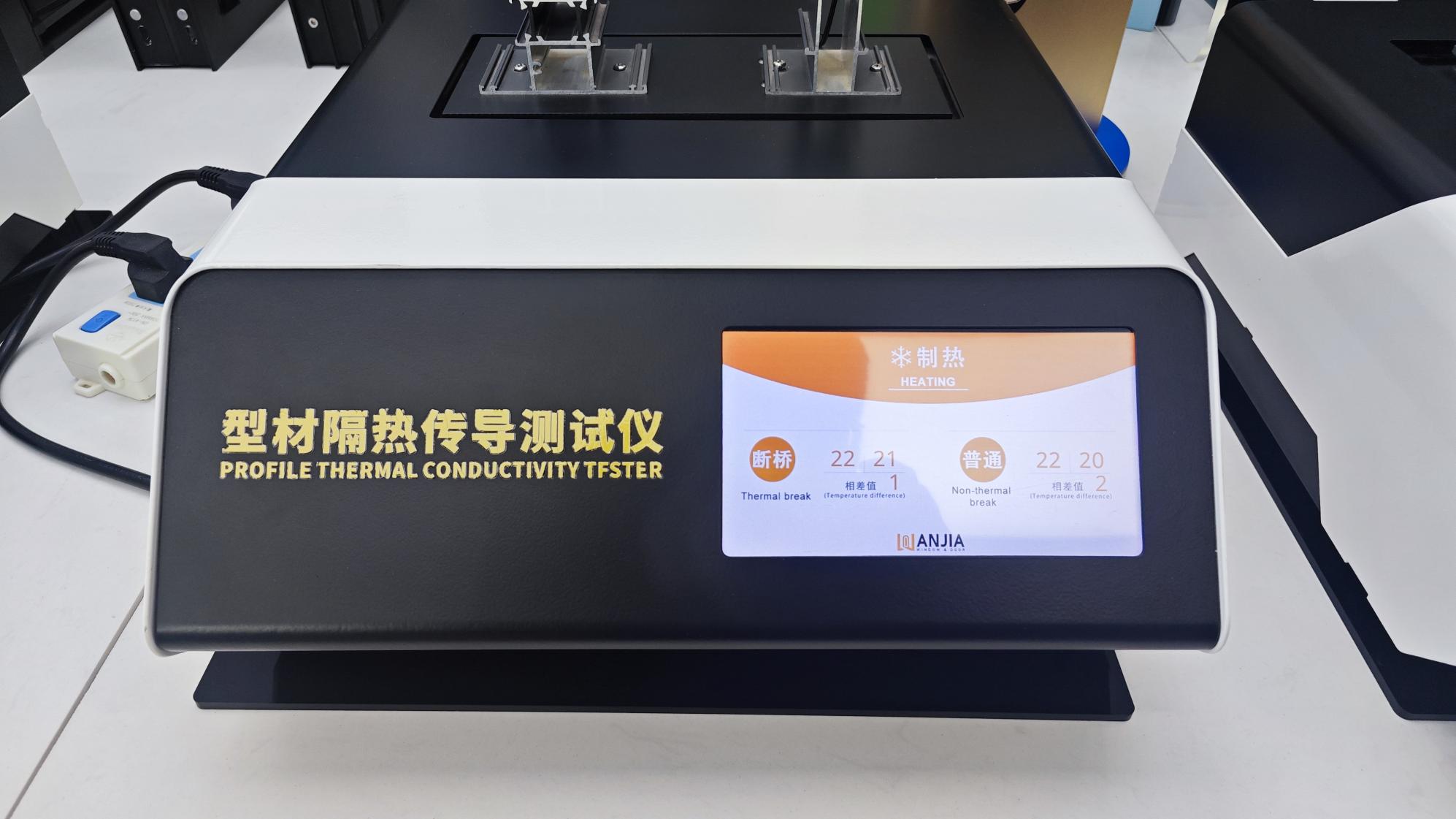
100% Traceability and Performance Verification Across 10 Advanced Testing Rigs
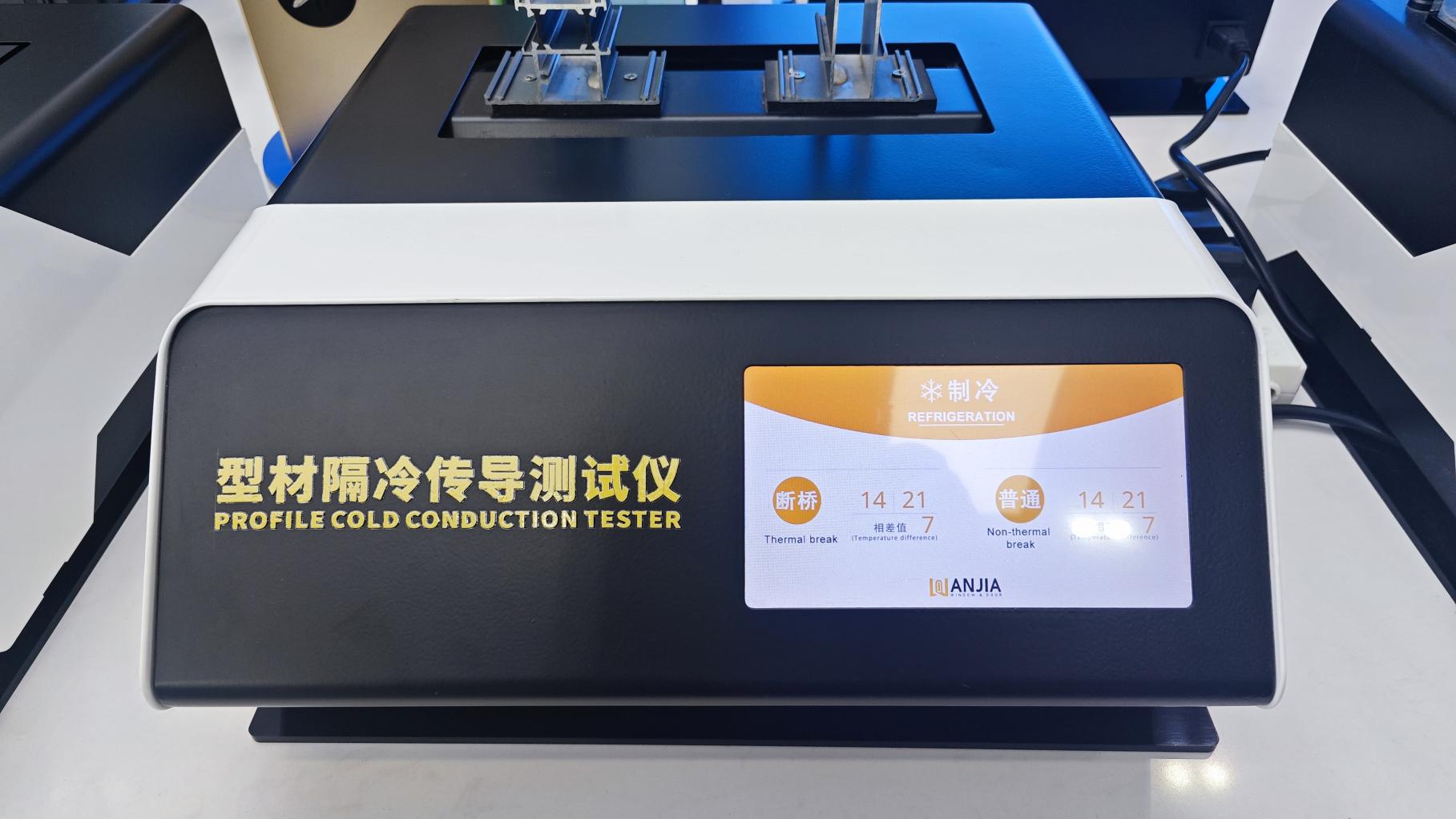
Quality reliability is enforced through our 30-member Quality Control team. Every export batch undergoes stringent testing protocols, including salt spray corrosion analysis (ASTM B117), forced entry torque resistance, automated cycle testing for door handles, and optical haze verification for Low-E glass units.
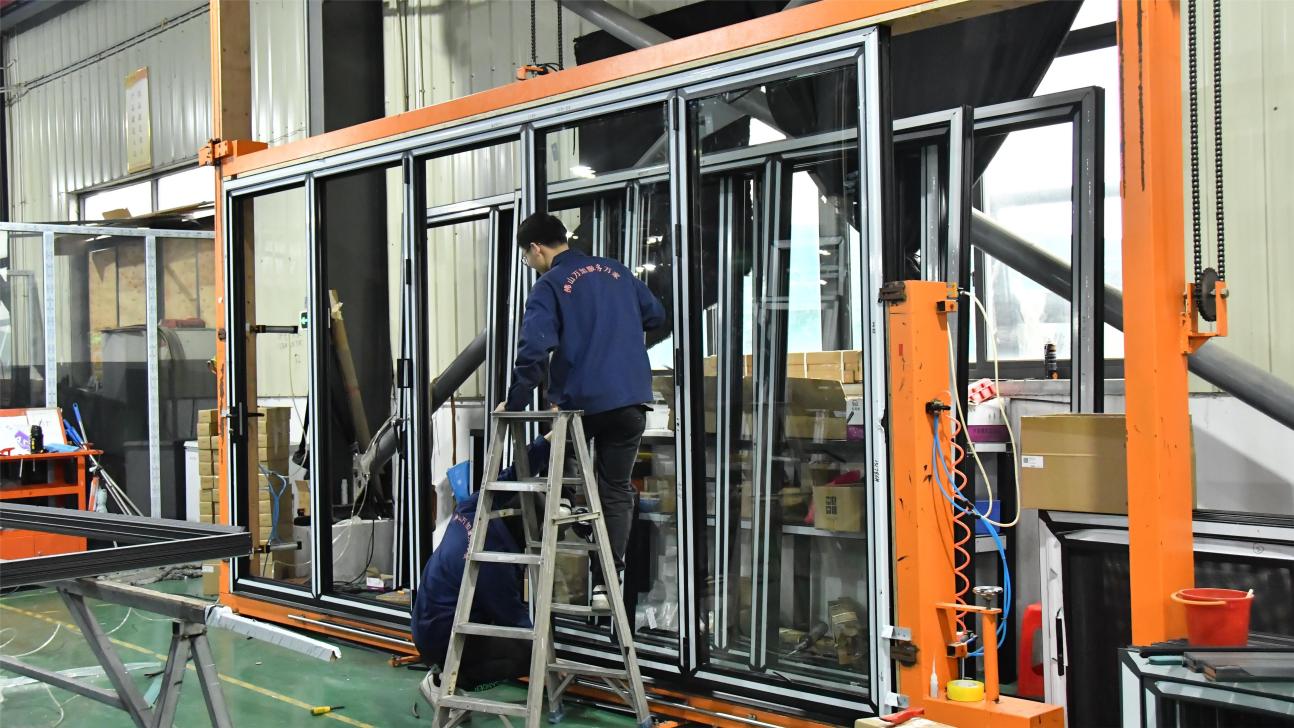
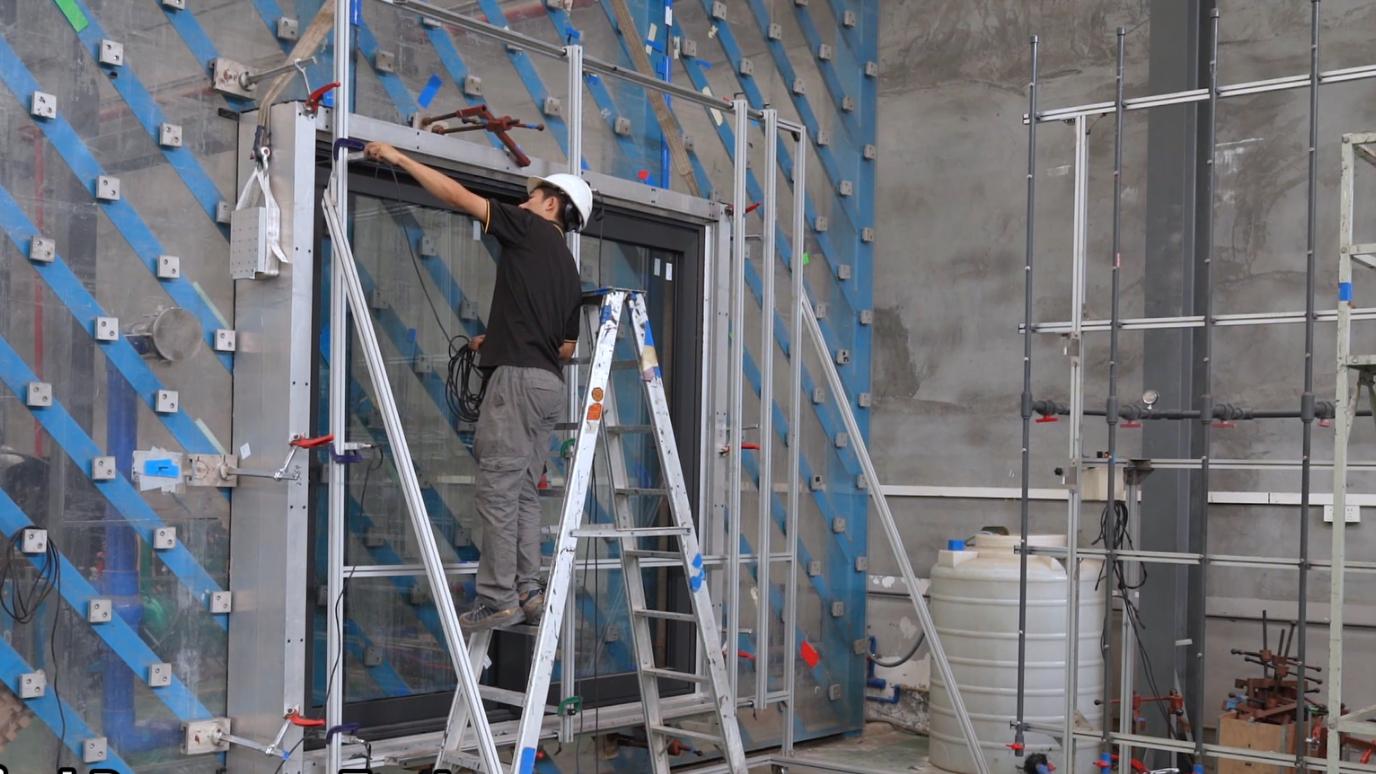
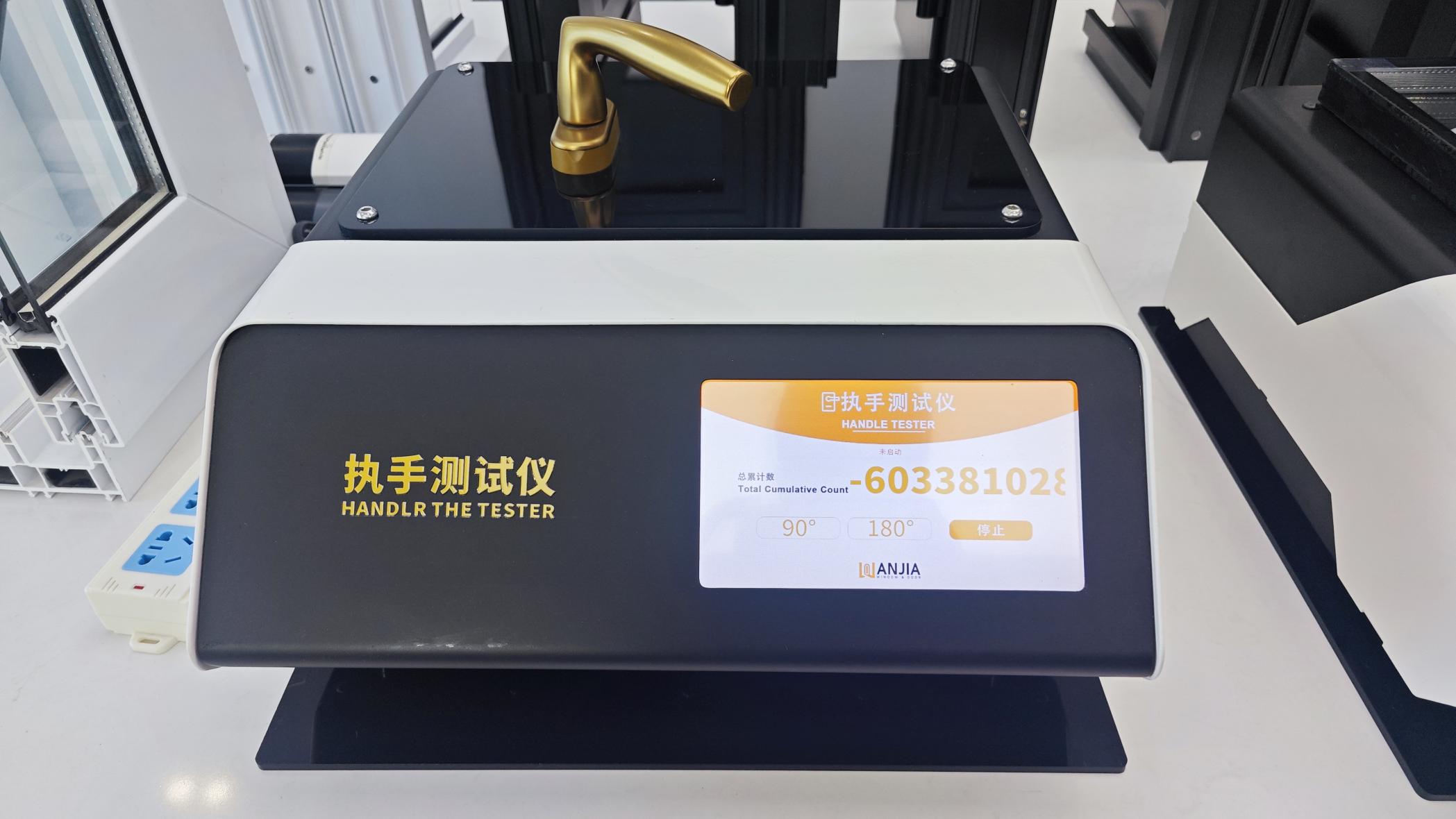
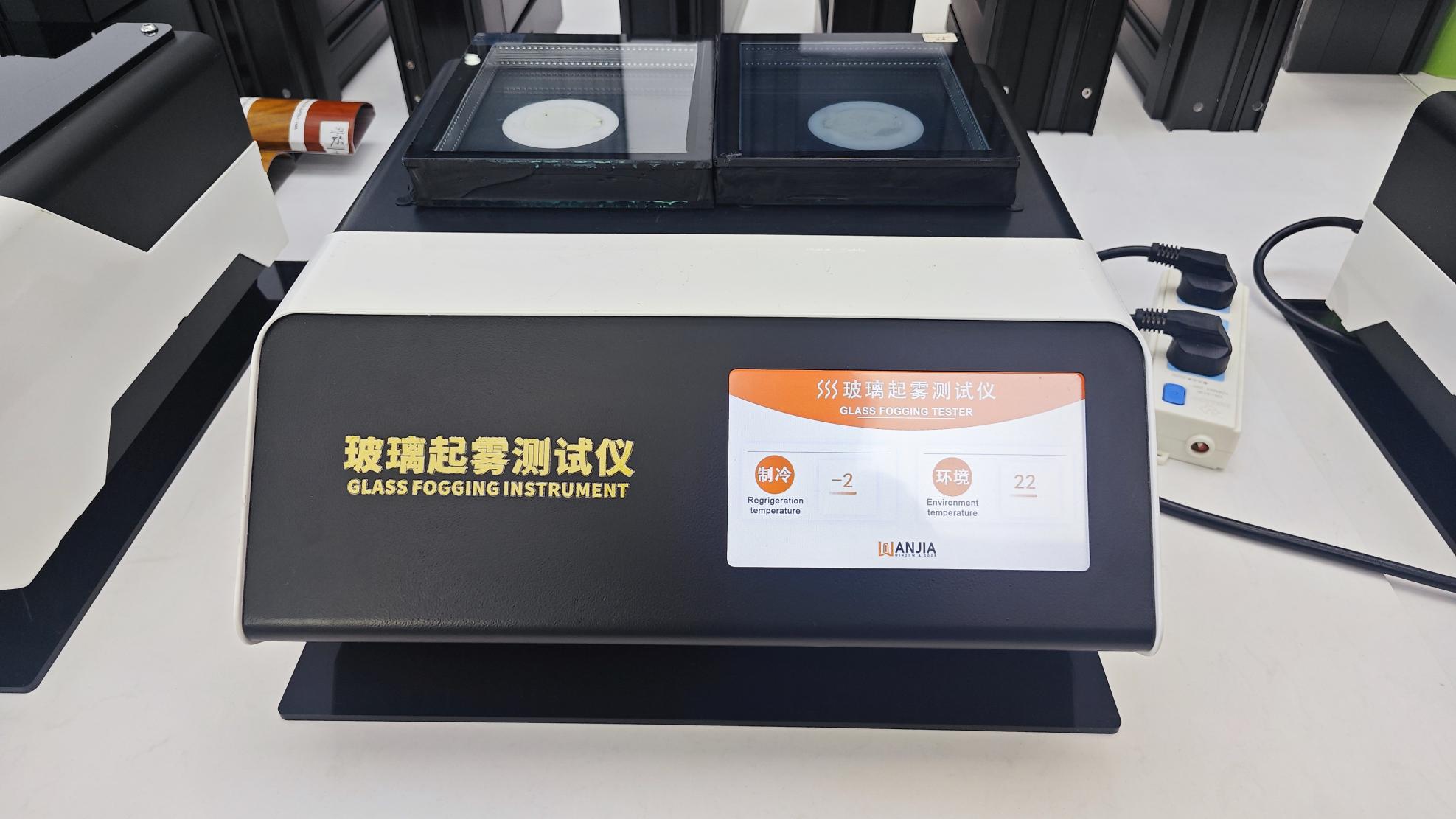
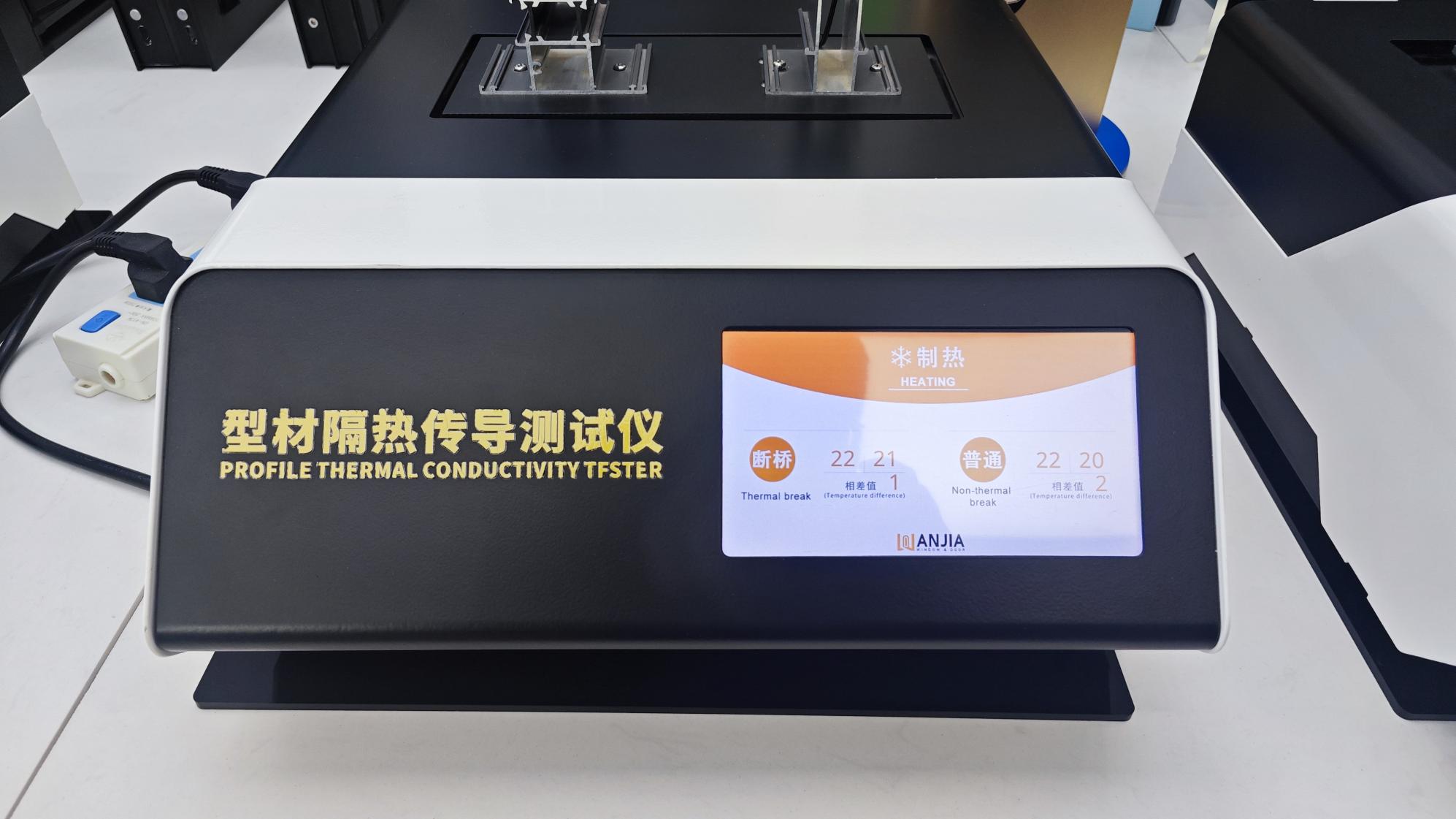
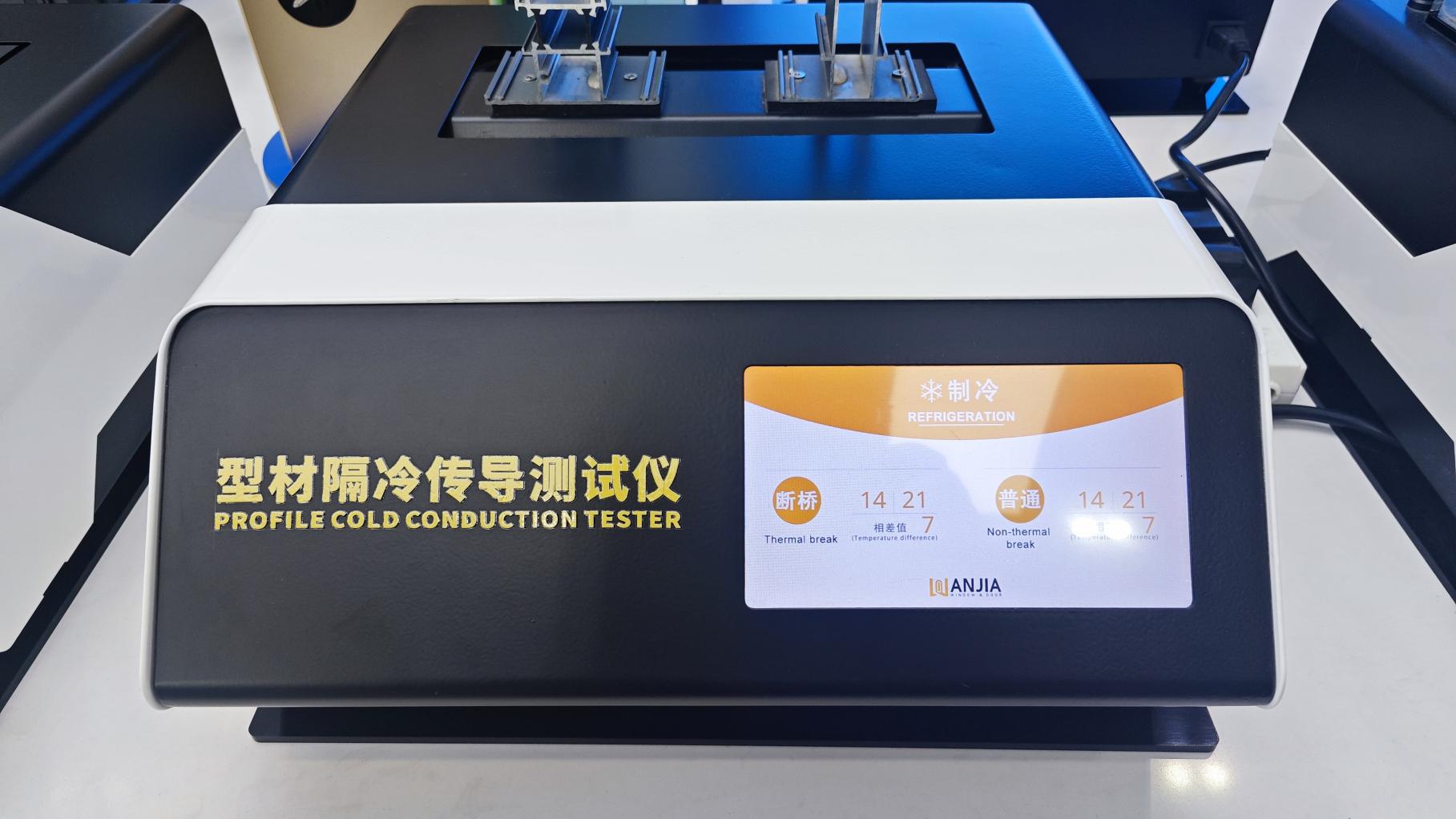
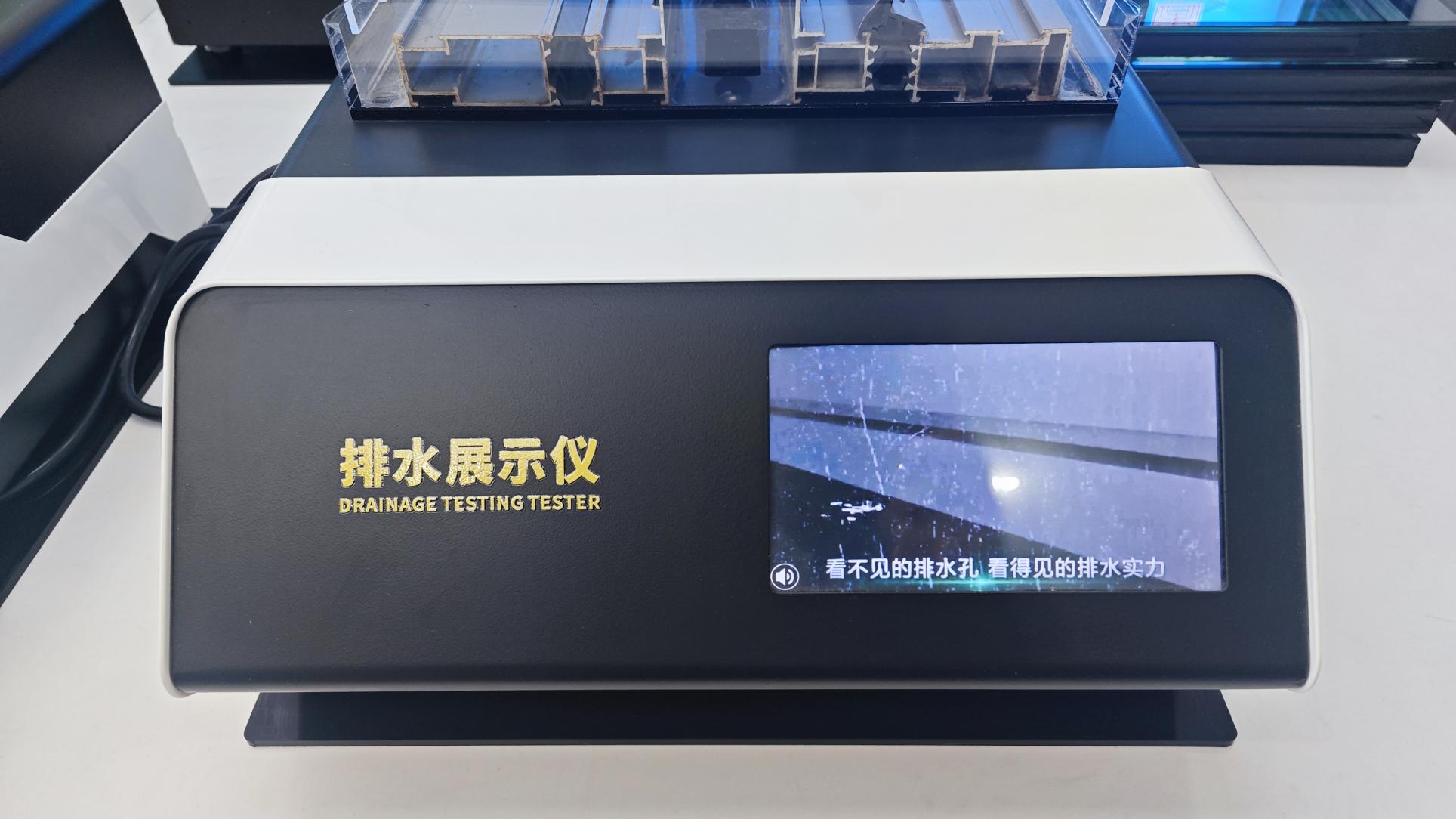
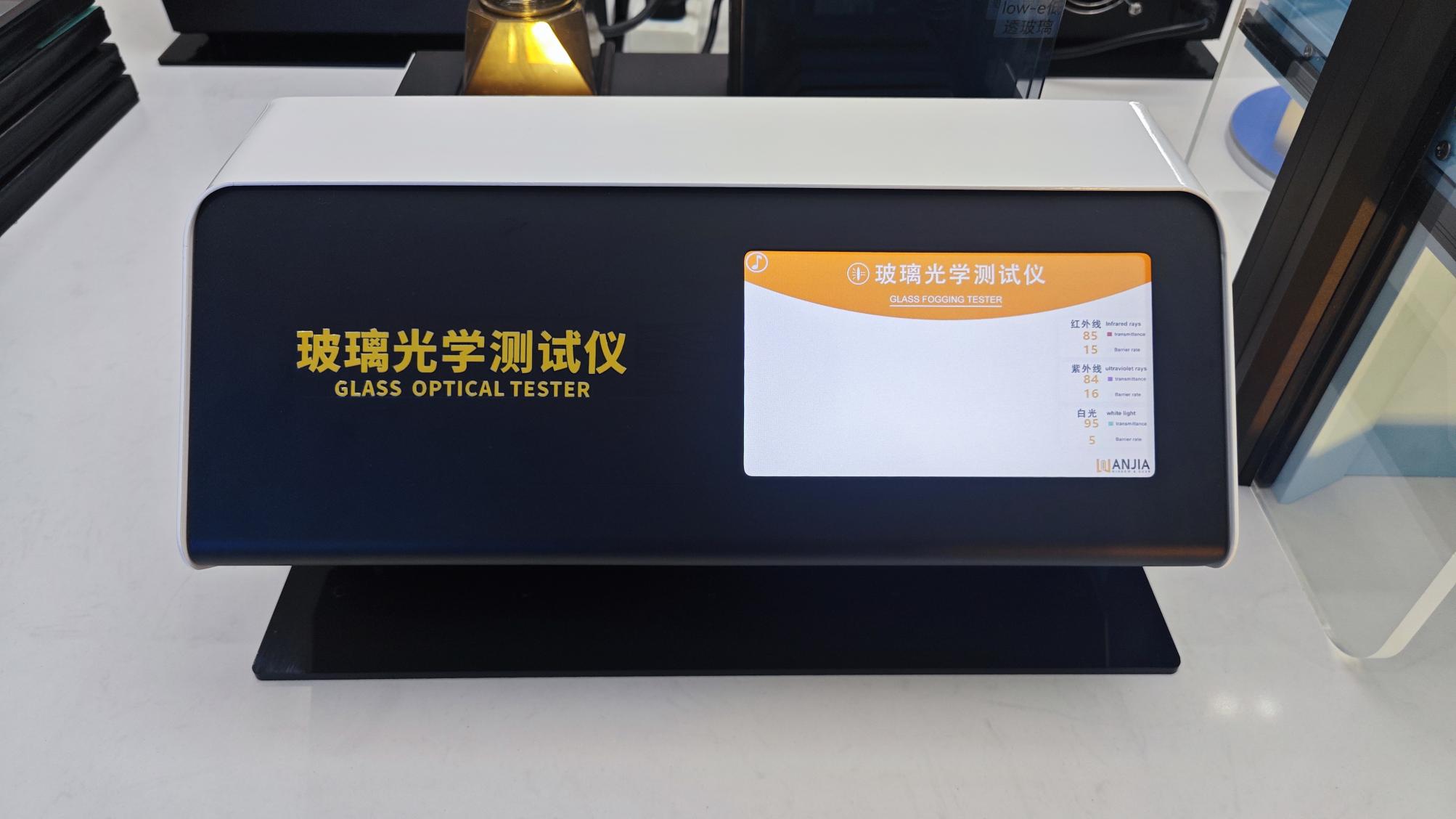
48 R&D Engineers Delivering Over 85 New Custom Product Lines Annually
Our dedicated engineering department provides turnkey CAD and BIM design assistance for project developers, architect firms, and OEM brand partners. Whether engineering soundproofing composite cores, custom stainless steel heavy-duty hinges, or specialized thermal break profiles, our team launched 85 bespoke product designs over the past year to fulfill regional building code requirements in South America, North America, and Europe.
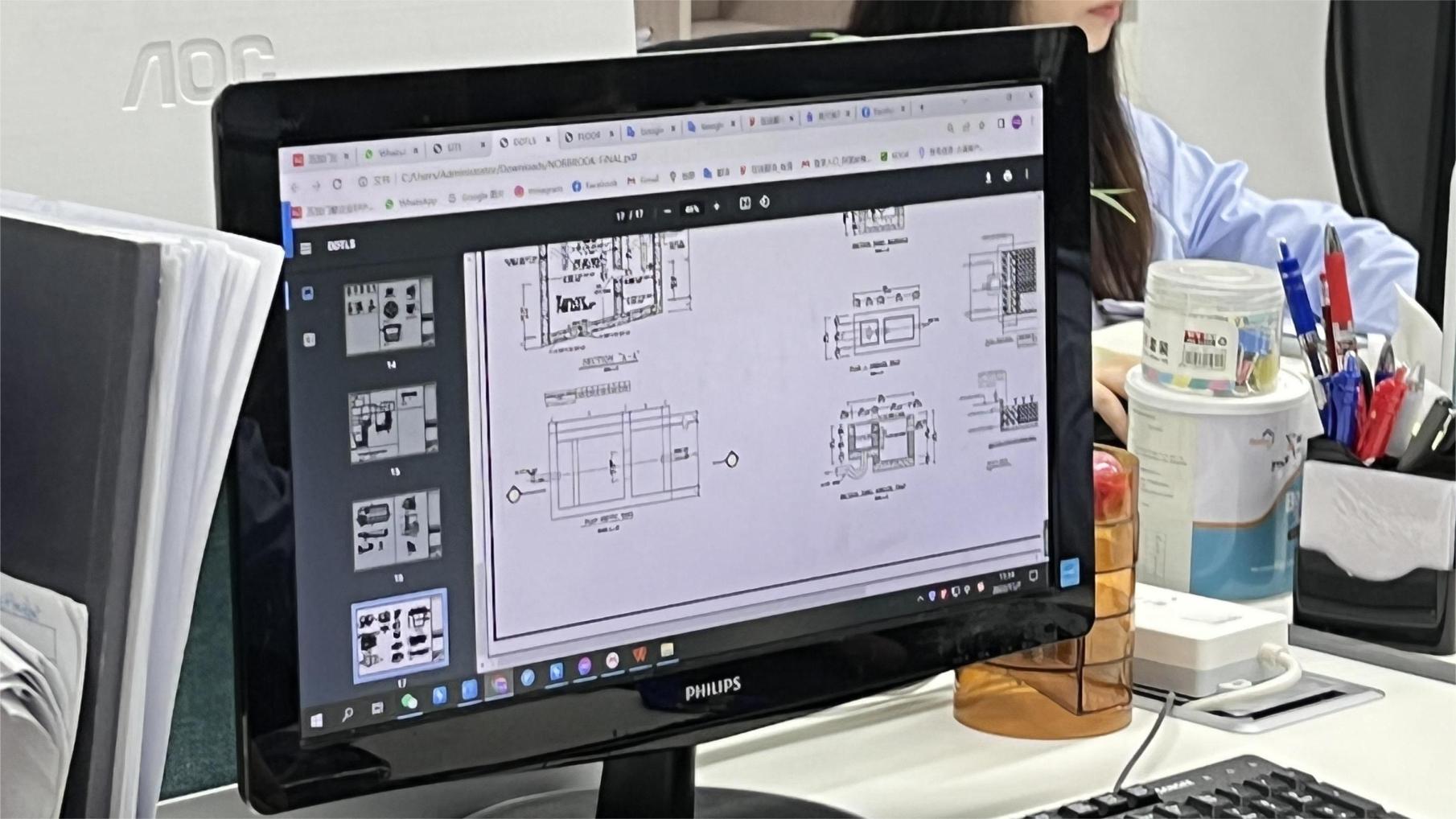
Pioneering the Next Generation of Smart, Sustainable & Ultra-Resilient Building Envelopes
Hybridizing VIG technology with structural SGP impact laminates to achieve near-zero thermal conductivity (U-values below 0.10 Btu/h·ft²·°F) while maintaining High-Velocity Hurricane Zone compliance.
Incorporating semi-transparent Building-Integrated Photovoltaic (BIPV) cells into architectural glass entry doors, allowing building envelopes to generate clean solar energy autonomously.
Deploying optical machine vision AI directly on our glass assembly lines to detect micro-defects, lamination voiding, and coating inconsistencies in real-time prior to lamination cure.
Direct Insights for Importers, Architects, Engineering Contractors, and Retail Distributors
Our impact-resistant glass entry doors and storefront systems are tested to meet Miami-Dade NOA, Florida Building Code (FBC) High-Velocity Hurricane Zone (HVHZ) standards, and NFRC thermal performance metrics. They comply with ASTM E1886/E1996 Large Missile Impact Level D/E testing and TAS 201/202/203 protocols.
SGP (SentryGlas® Ionoplast) is engineered to be 5 times stiffer and up to 10 times stronger than traditional PVB. In the event of glass breakage during a severe hurricane or impact event, SGP interlayers maintain their structural integrity and remain upright inside the door frame, whereas PVB may sag or break under sustained dynamic wind loads.
Yes. Supported by our 48-engineer R&D department and dedicated CAD modeling team, we provide comprehensive OEM/ODM customization—including custom profile thermal breaks, non-standard dimensions, smart biometric access lock cutouts, custom Kynar 500 fluorocarbon colors, and specialized glass acoustic coatings.
Standard manufacturing lead time is 25–35 days upon drawing sign-off. All export entry doors and windows are packaged using multi-layer protection: protective film, foam corner protectors, shock-absorbing cardboard wrapping, and fully enclosed IPPC ISPM-15 compliant fumigated wooden crates to guarantee zero transit damage.
High-Performance Fenestration Products Engineered for Commercial & Residential Projects Global Markets
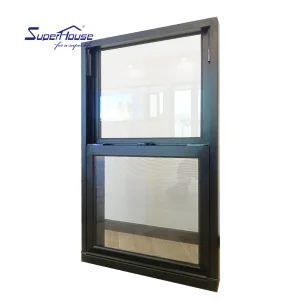
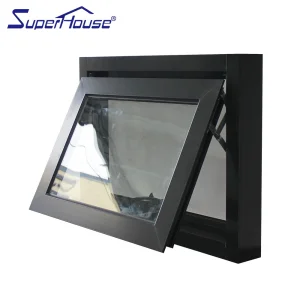
 ArmorSafe Doors