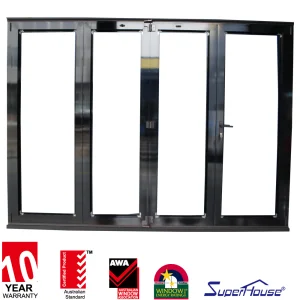
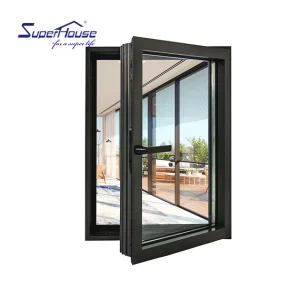
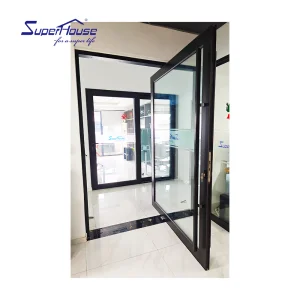
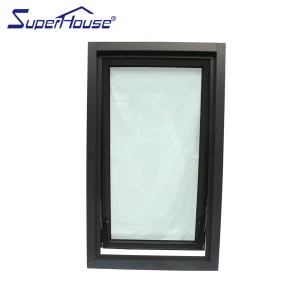
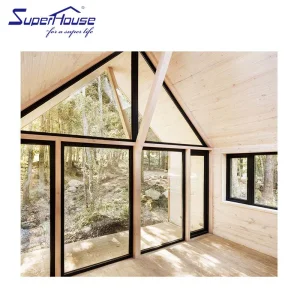
The eight configurations below illustrate the product families most often requested by Florida importers, glazing contractors, hotel owners, and distributors. Each card preserves the original product link and is supported by the factory’s engineering, testing, and export documentation teams.
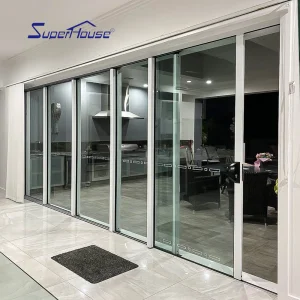
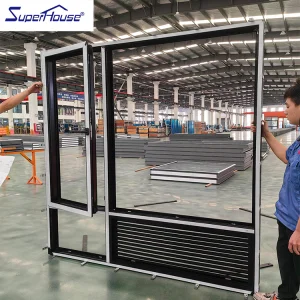
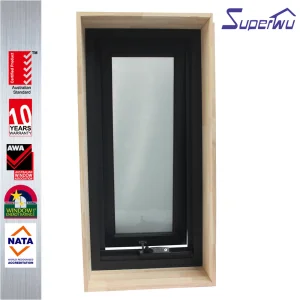
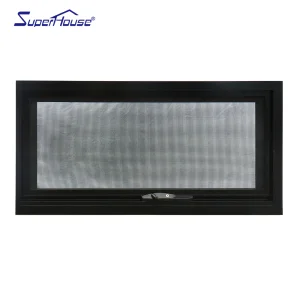
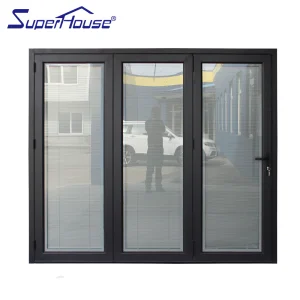
For global buyers, the phrase China top Florida Approval windows manufacturer & suppliers can look like a price search. In practice, it is a risk-management search. A Florida-approved window package must connect three things that are often separated in e-commerce listings: a tested design, a production quality system, and an installation instruction set that matches the project. Florida’s wind-borne debris regions and High-Velocity Hurricane Zones do not accept general “hurricane-proof” language. They require evidence.
Florida Product Approval is a statewide approval pathway. Miami-Dade NOA is a local approval used for products installed in the HVHZ, where the Miami-Dade County Building Code Compliance Office reviews test data, quality assurance, and product limitations. NFRC ratings describe thermal performance; AAMA/WDMA/CSA 101/I.S.2/A440 and ASTM/TAS protocols describe structural, air, water, and impact performance. AS2047 is an Australian and New Zealand standard that may support other markets, but it does not replace Florida approval. A supplier that shows only one certificate logo is not enough. Buyers need the scope of approval: product family, maximum size, design pressure, glass make-up, hardware, anchorage, and installation method.
This is where information gain matters. A reliable China factory should be able to explain how a tested specimen becomes a production order. It should show the bill of materials, profile wall thickness, thermal break, glazing spacer, setting blocks, weep system, fastener schedule, and label control. It should also identify what cannot change without re-testing. That conversation separates a compliant supplier from a catalogue seller.
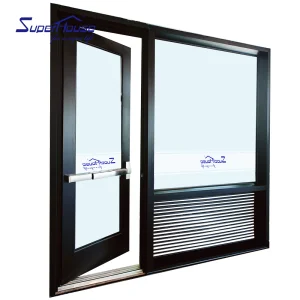
Florida Product Approval is often accepted outside the HVHZ. A Miami-Dade NOA is typically required inside the HVHZ. Some products hold both. A window with an NOA for a fixed size may not cover a larger custom size or a different glass package. That is why a project-specific approval review should happen before the purchase order, not after fabrication. For hotel and multifamily projects, the review should also cover PTAC sleeves, louver performance, storefront panic hardware, and acoustic ratings because those features can change the tested assembly.
ArmorSafe Entry Door Systems Co., Ltd. approaches this from a manufacturing and export perspective. Since 2008, the company has built high-security residential and commercial entry doors and expanded into window and door systems for international projects. The sections below use the factory’s actual process images, product links, and quality-control data to show what buyers should verify.
Statewide evidence for wind, water, structural, and impact performance. Buyers should verify product family limits, design pressure, glass, hardware, and installation instructions.
The HVHZ benchmark. NOA scope must match the actual opening size, anchorage condition, and assembly. Do not assume a small-size approval covers a large custom unit.
U-factor, SHGC, visible transmittance, and condensation resistance help compare thermal-break frames, low-E glass, warm-edge spacers, and argon fill.
Useful for Australian, Caribbean, and Latin American specifications, but AS2047 is not a substitute for Florida approval or a Miami-Dade NOA.
Certificates are not created by sales teams. They are supported by process control, engineering review, testing discipline, and export documentation. The factory information below is taken directly from the manufacturer’s operating profile and should be read as a due-diligence starting point.
Since 2008, ArmorSafe Entry Door Systems Co., Ltd. has stood as a pioneer in high-security residential and commercial entry doors. With 18 years of manufacturing background and 10 years of export history, we operate a 22,000 sq ft factory that yields an annual export revenue of $25 million. Leveraging rich international trade expertise and 620 supply chain partners, we cater primarily to Importers, Hardware Distributors, and Big-Box Retailers in South America and Western Europe. We maintain uncompromising standards through a team of 30 QC personnel who execute strict dimensional checks, salt spray corrosion tests, and force-resistance testing. Our active R&D team, comprising 48 engineers, introduced 85 new product lines past year, providing clients with flexible customization options ranging from soundproofing cores to custom stainless steel hinges and electronic lock cutouts.
The strongest factory advantage is not a single machine or a single certificate. It is the ability to keep a tested configuration stable across drawings, extrusions, glass, hardware, packing, and repeat shipments. These eight capabilities are the most relevant for Florida approval work.
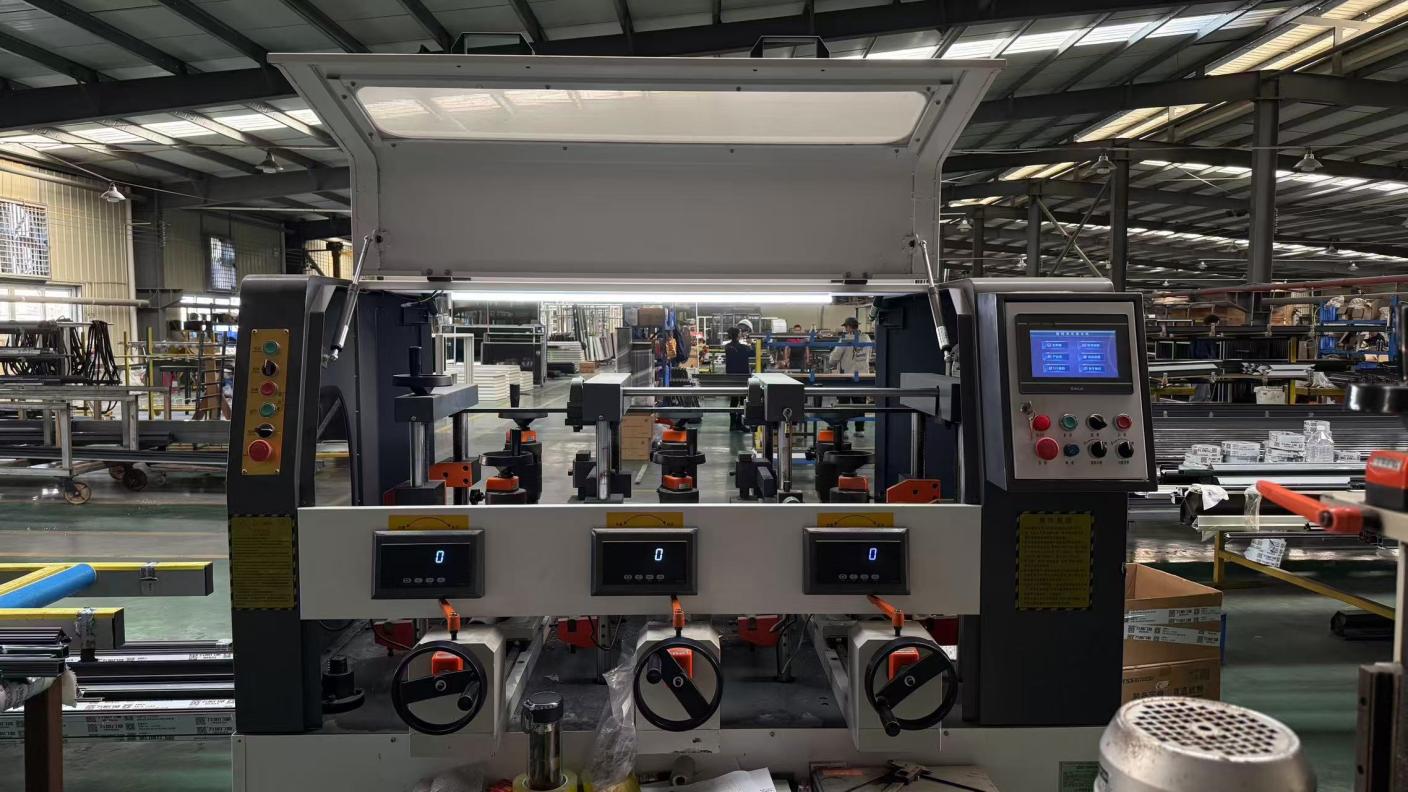
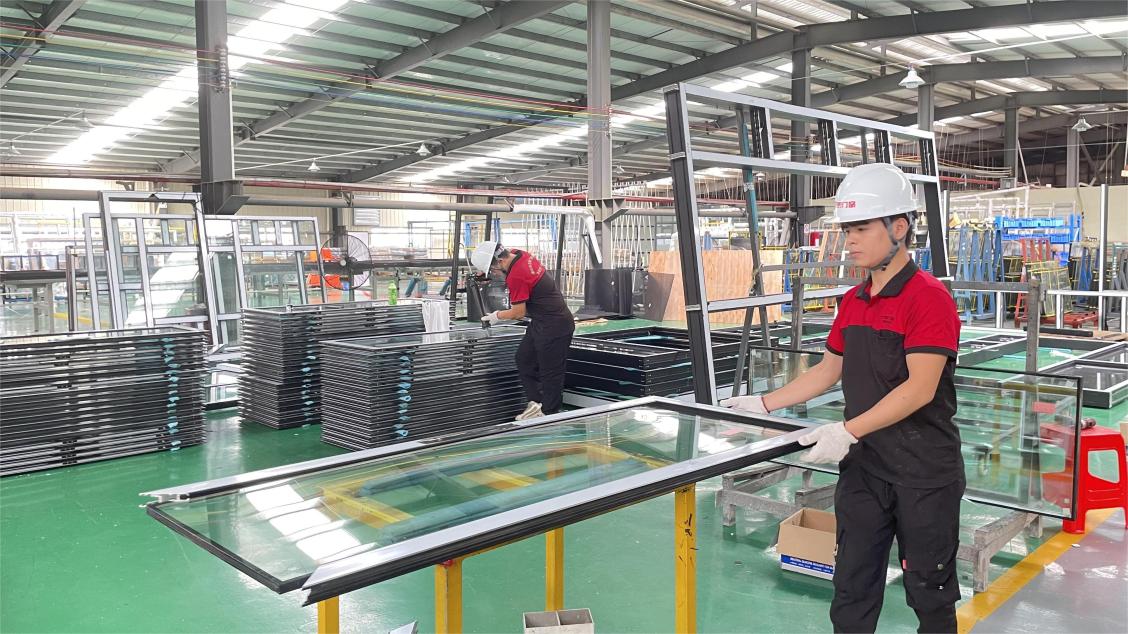
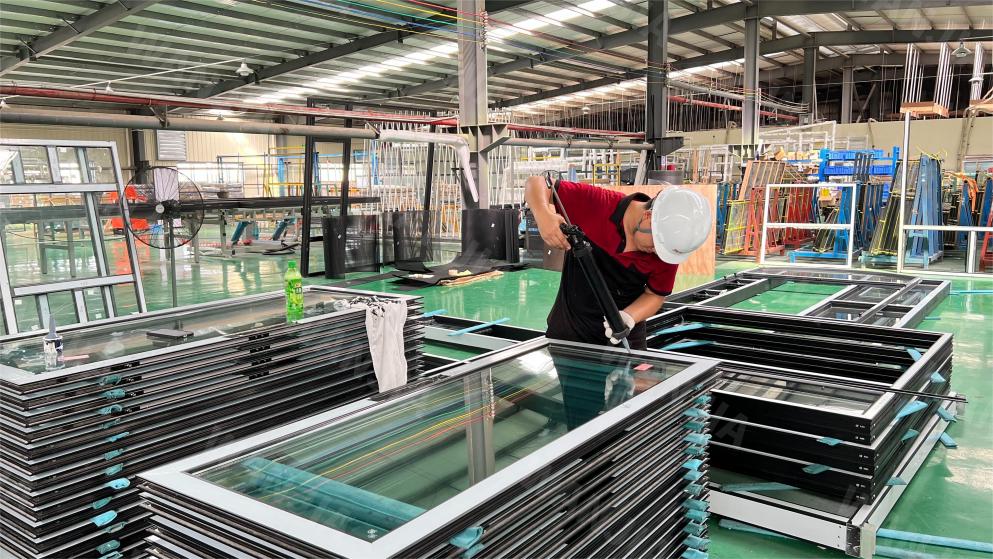
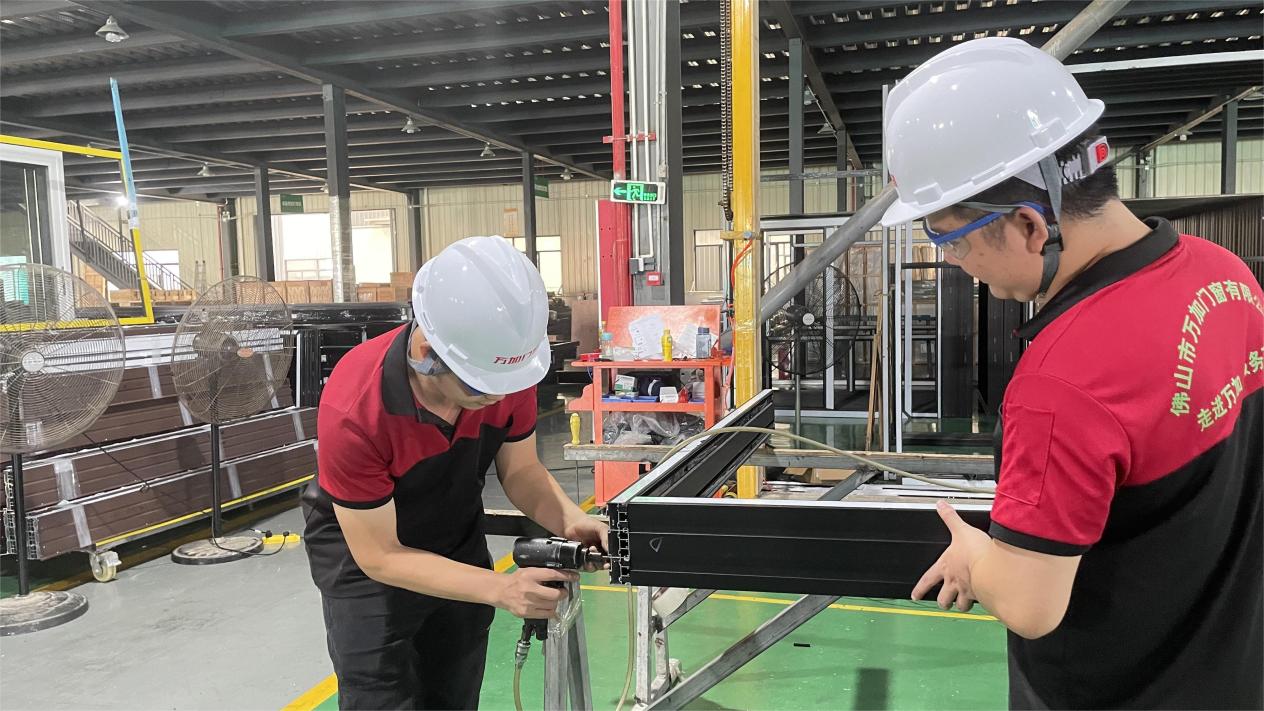
Cutting, punching, glazing, gauze installation, frame connection, gluing, testing, and packing are handled inside a documented workflow. This narrows the gap between approved prototype and repeatable export production.
CAD drawings, component schedules, and test configurations are reviewed before quotation. The team flags size, glass, hardware, and anchorage changes that could affect Florida Product Approval or NOA scope.
30 QC personnel execute dimensional checks, salt spray corrosion tests, and force-resistance testing. In coastal Florida, finish adhesion and hardware corrosion are long-term performance issues, not cosmetic details.
48 engineers introduced 85 new product lines in the past year. Buyers can request soundproofing cores, custom stainless steel hinges, electronic lock cutouts, custom colors, and project-specific glazing.
620 supply chain partners support glass, aluminum profiles, hardware, gaskets, screens, and packing materials. Depth helps stabilize lead times when a Florida project needs a mixed container.
Frames are protected for ocean freight, glass is separated, and hardware is packed by opening. Better packaging reduces jobsite rejects and replacement shipments, which cost far more than the packaging itself.
Factory-direct production removes trading layers while keeping the specification visible. Buyers can compare U-factor, SHGC, design pressure, impact rating, and finish rather than comparing only unit price.
The factory supports importers, hardware distributors, big-box retailers, developers, and hospitality buyers. That mix creates repeatable documentation and production routines for both stock and custom orders.
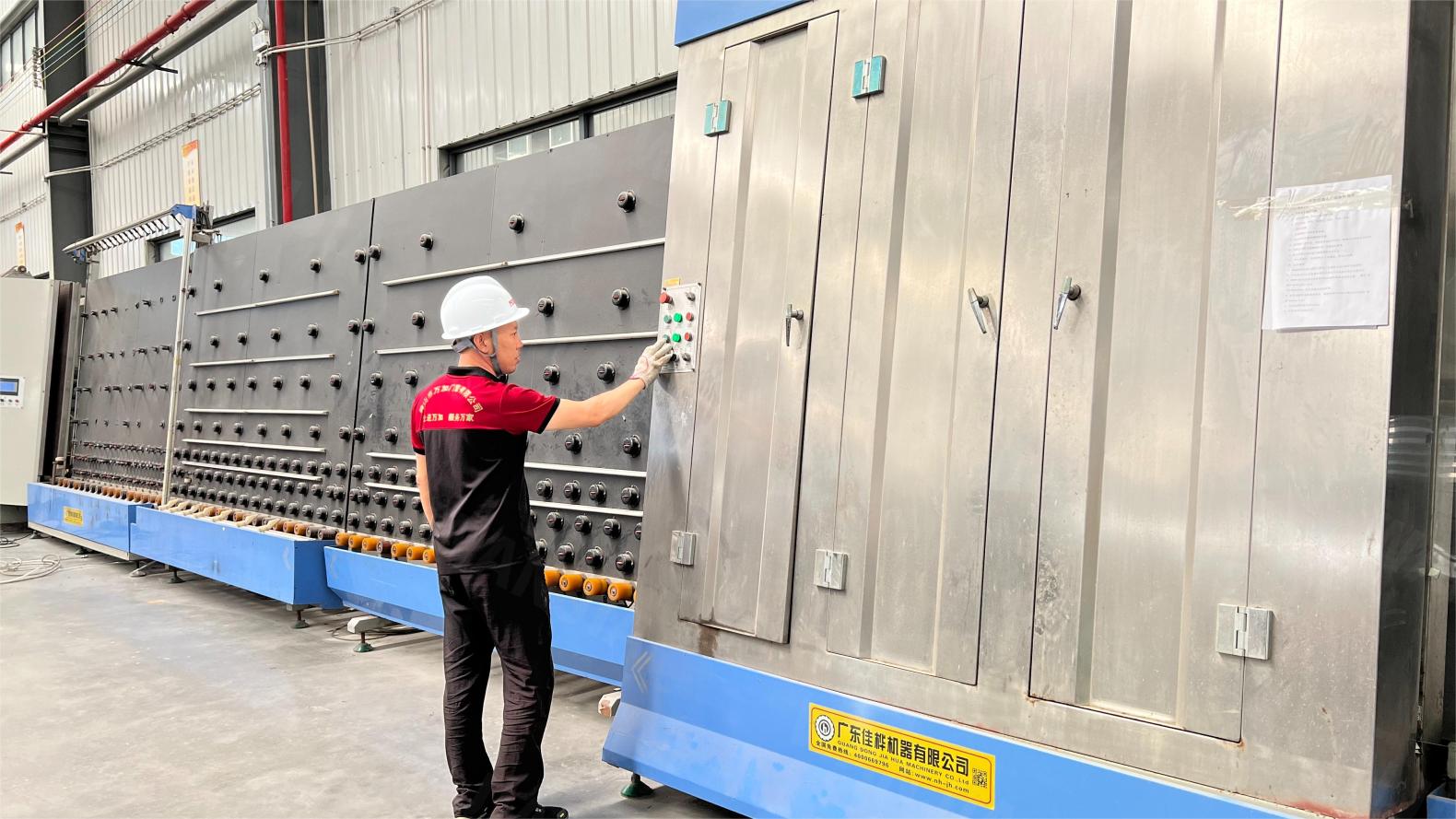
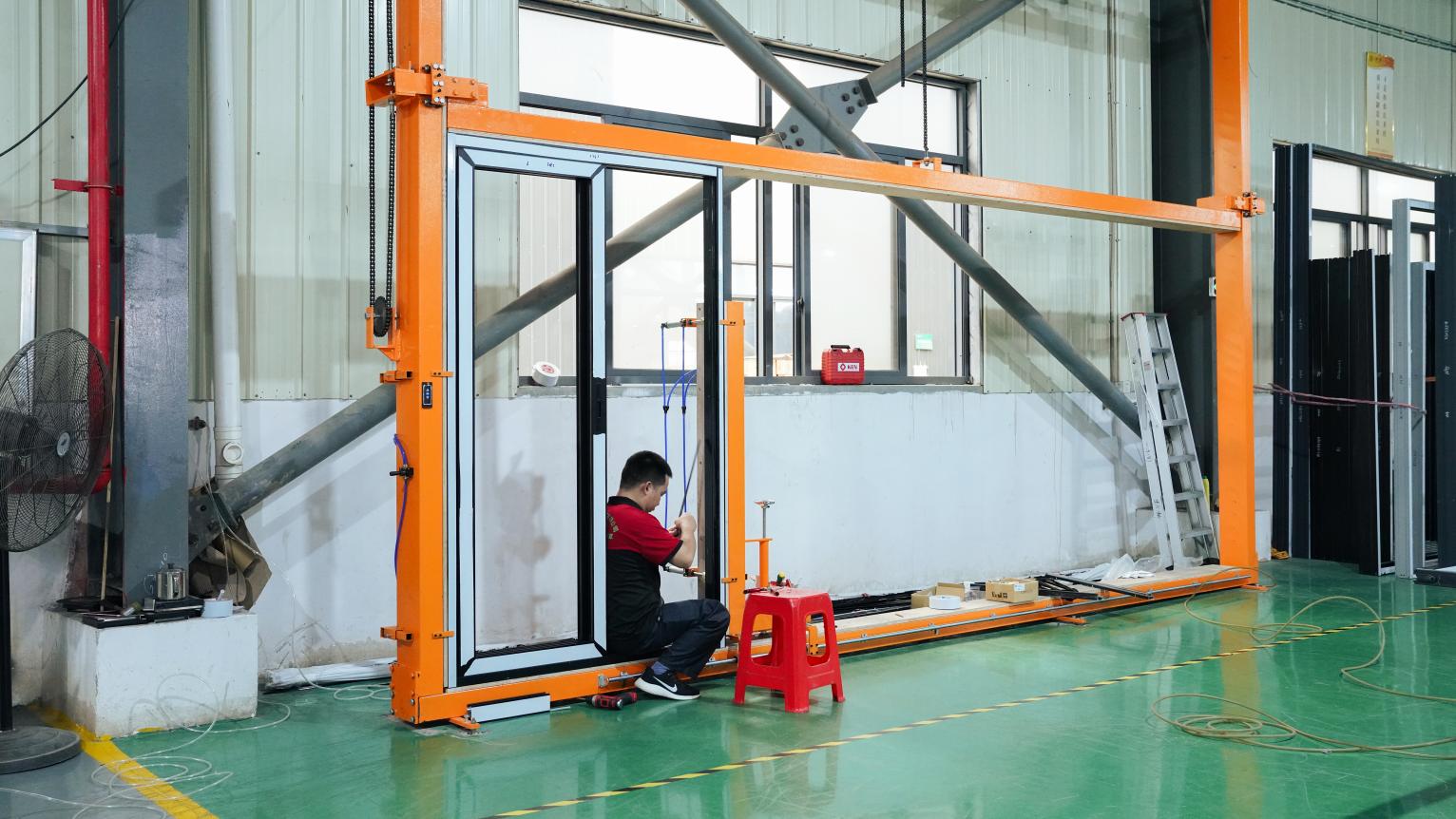
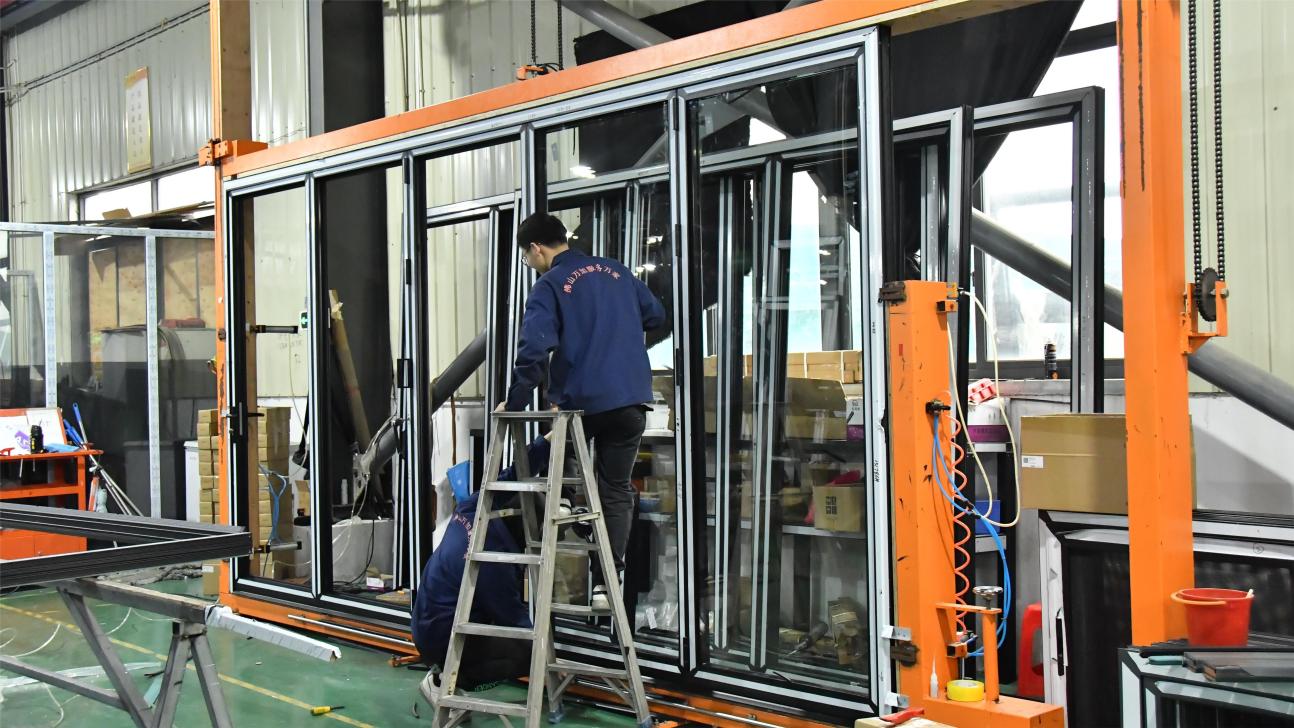
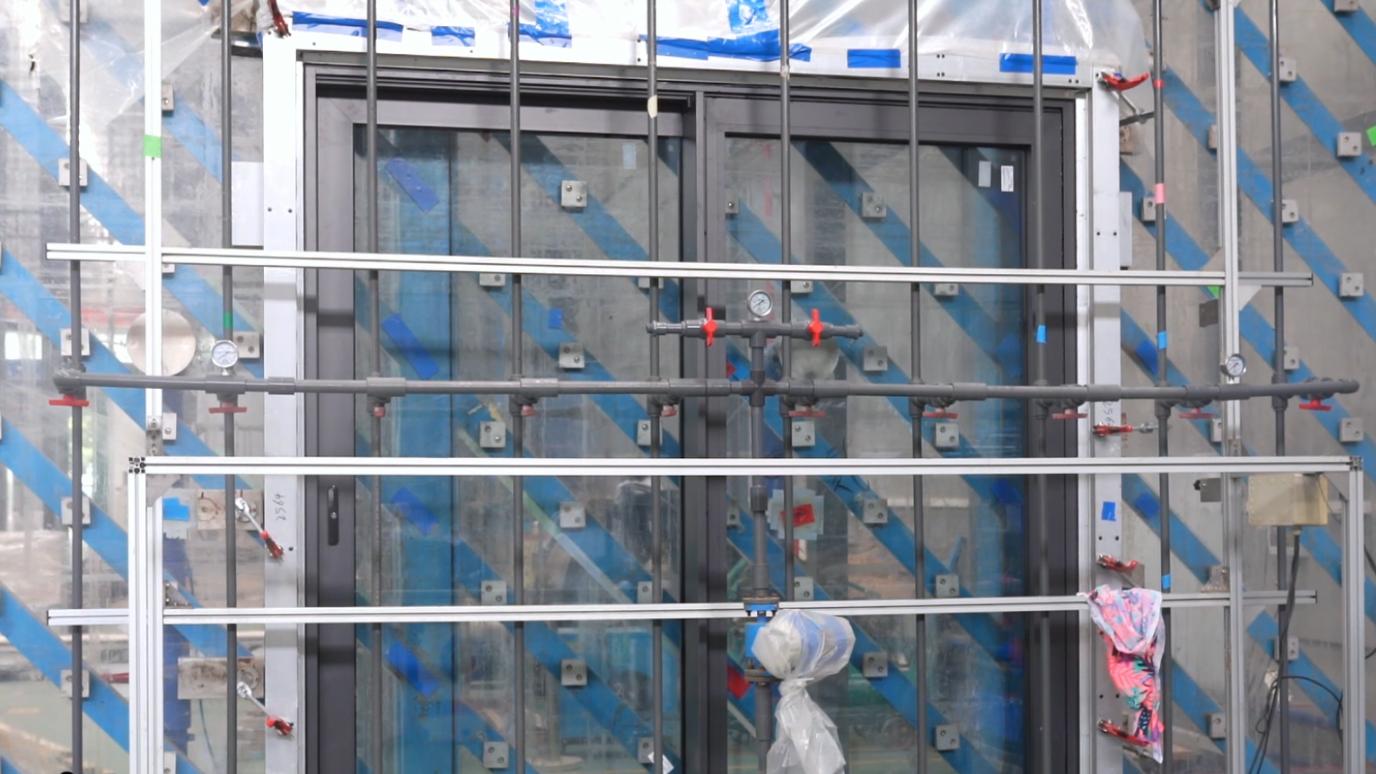
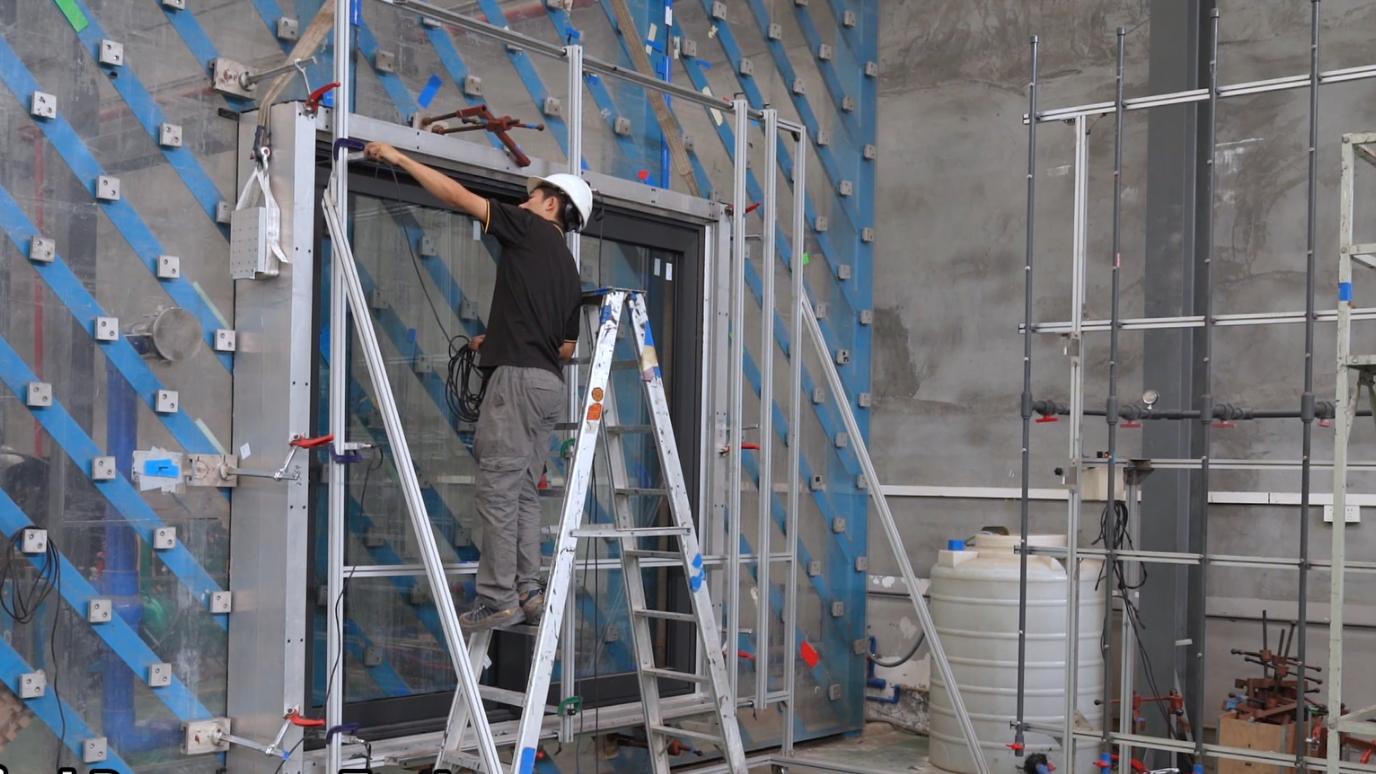
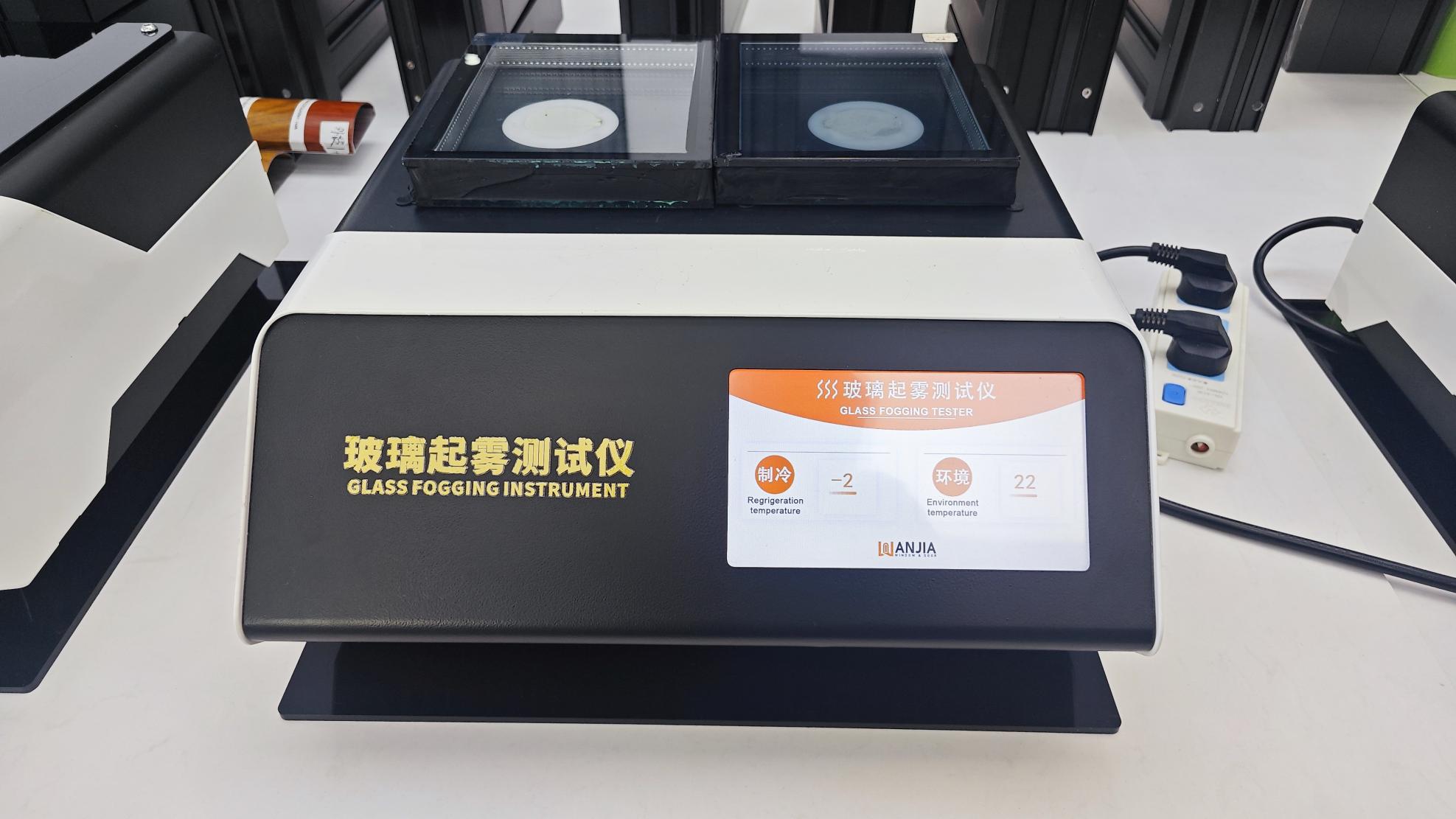
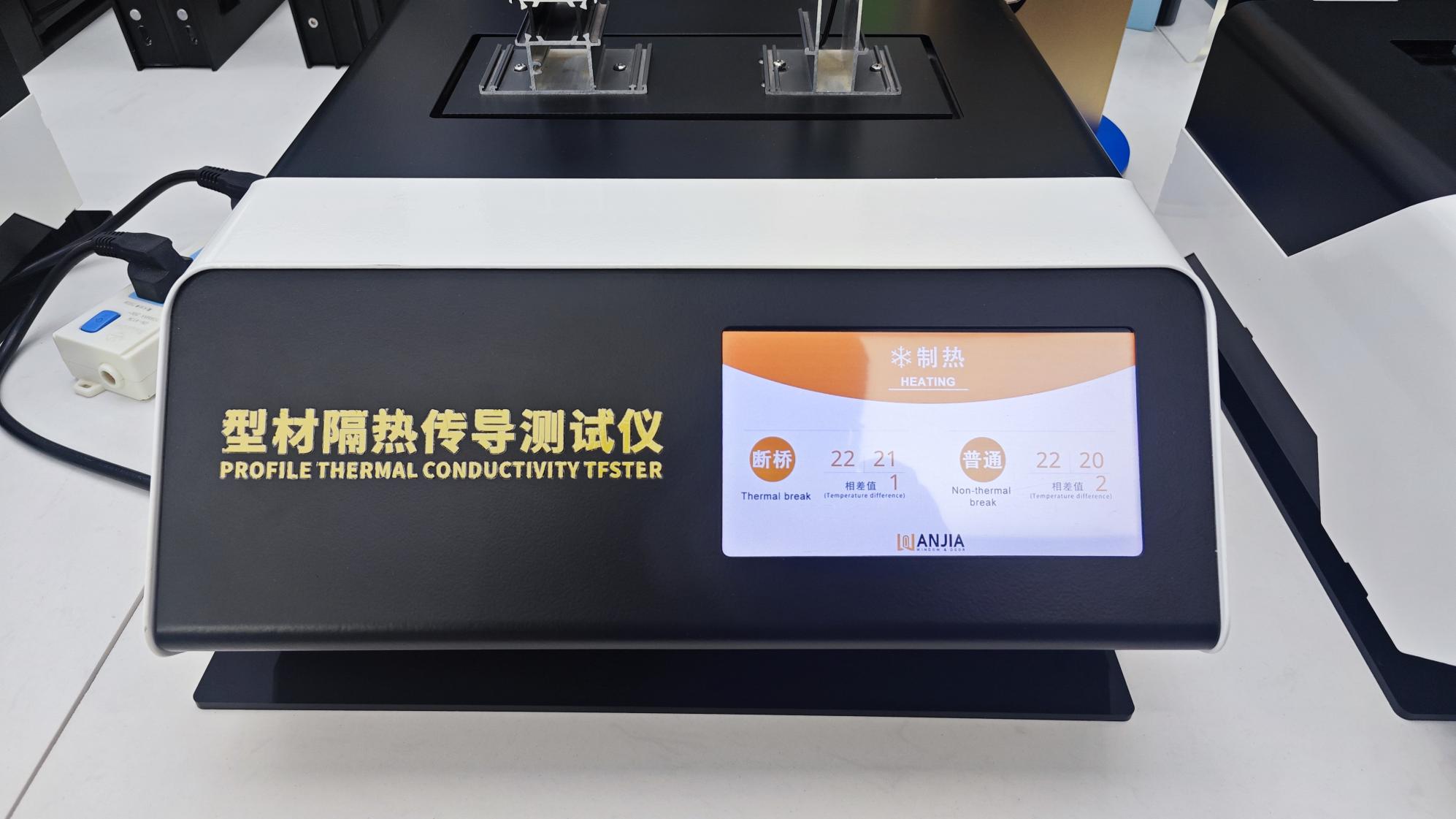
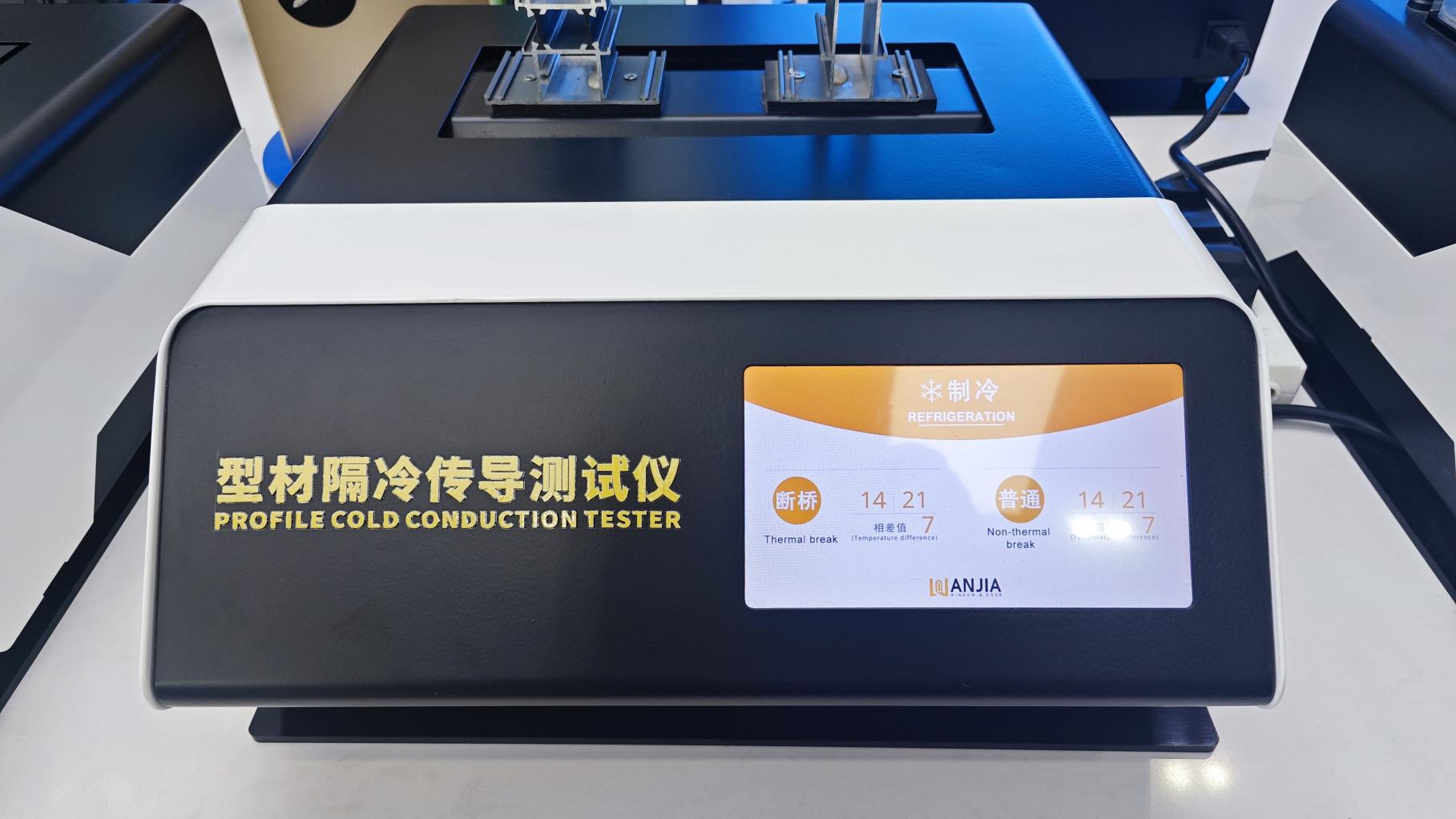
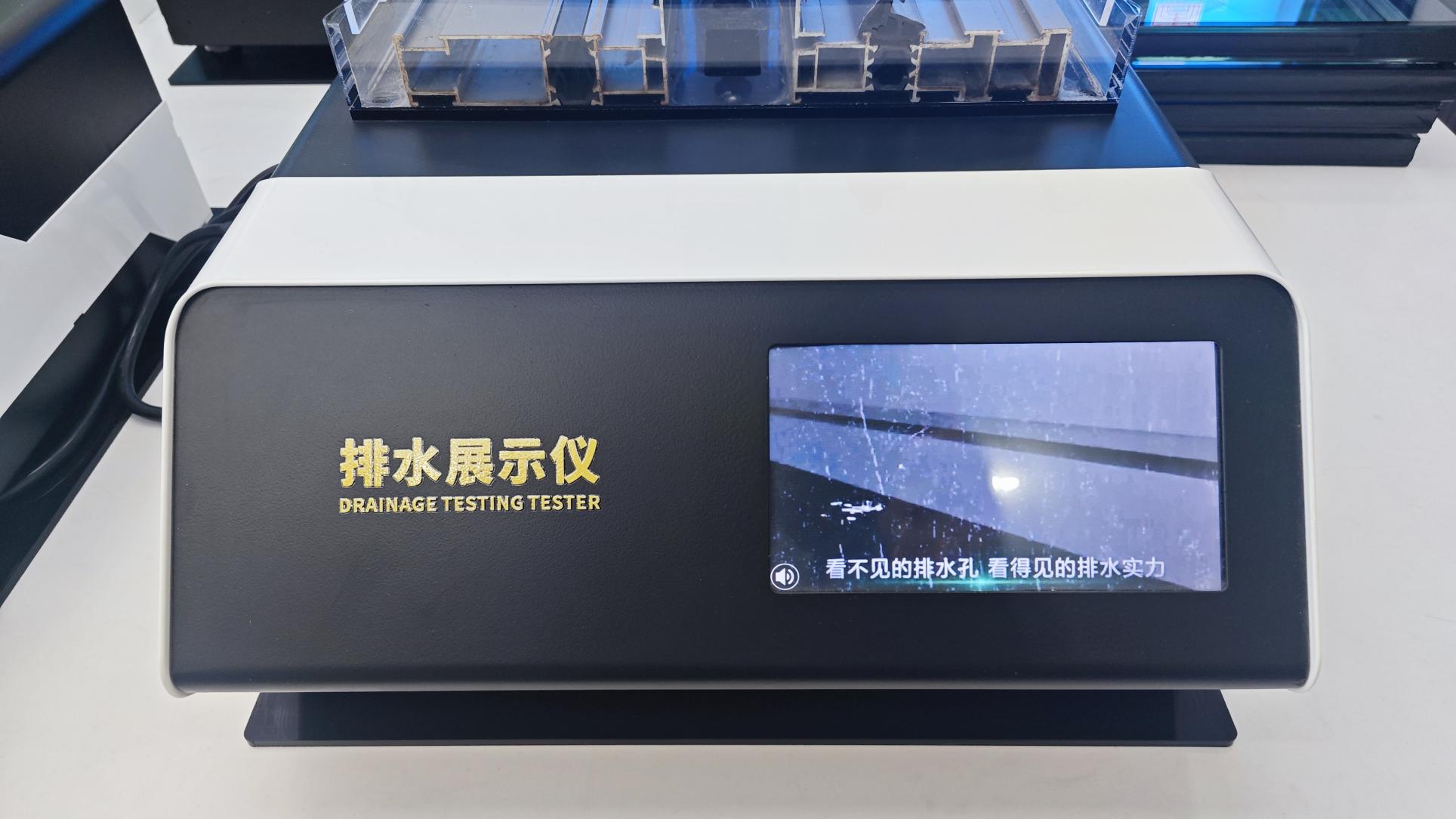
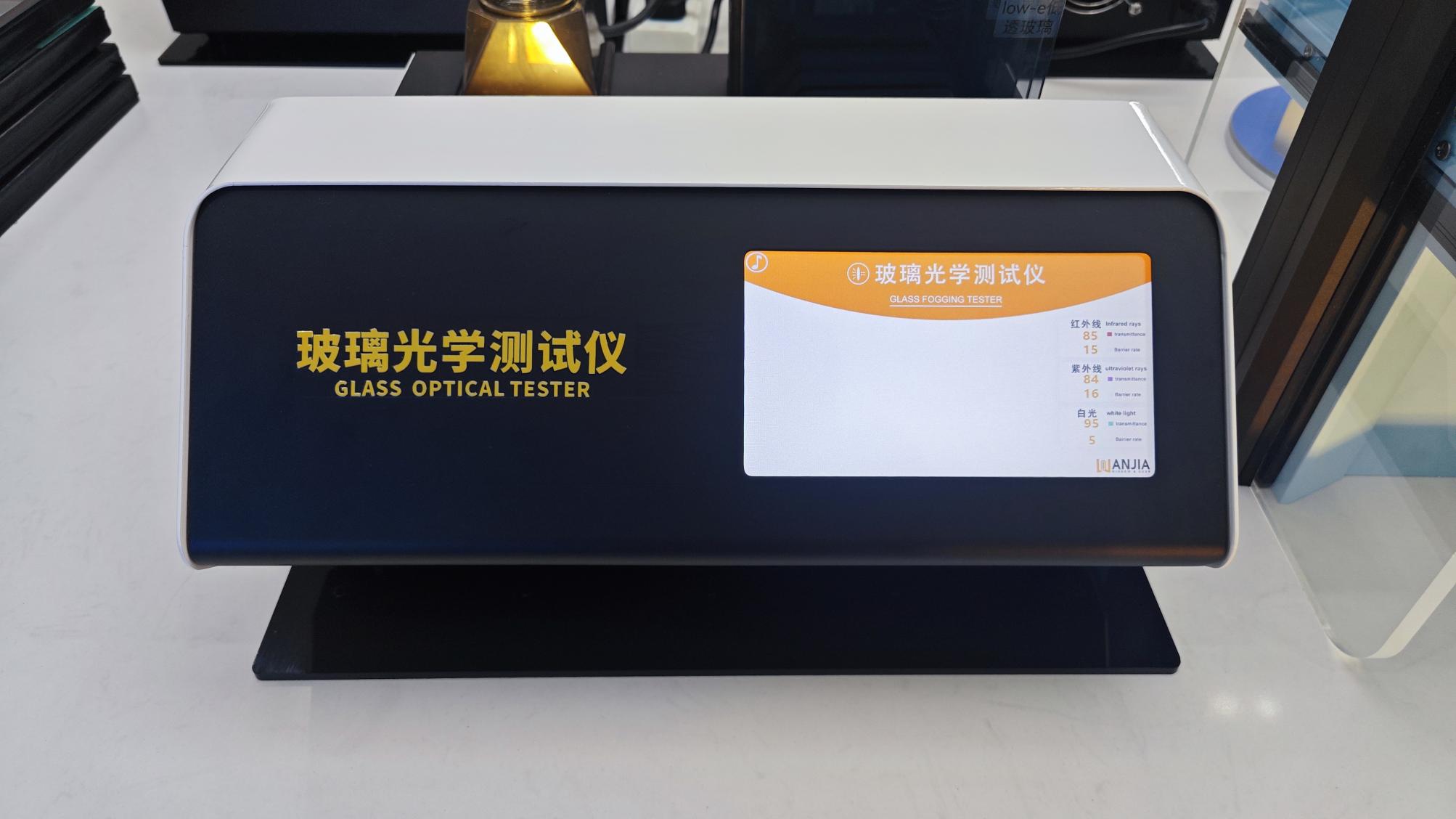
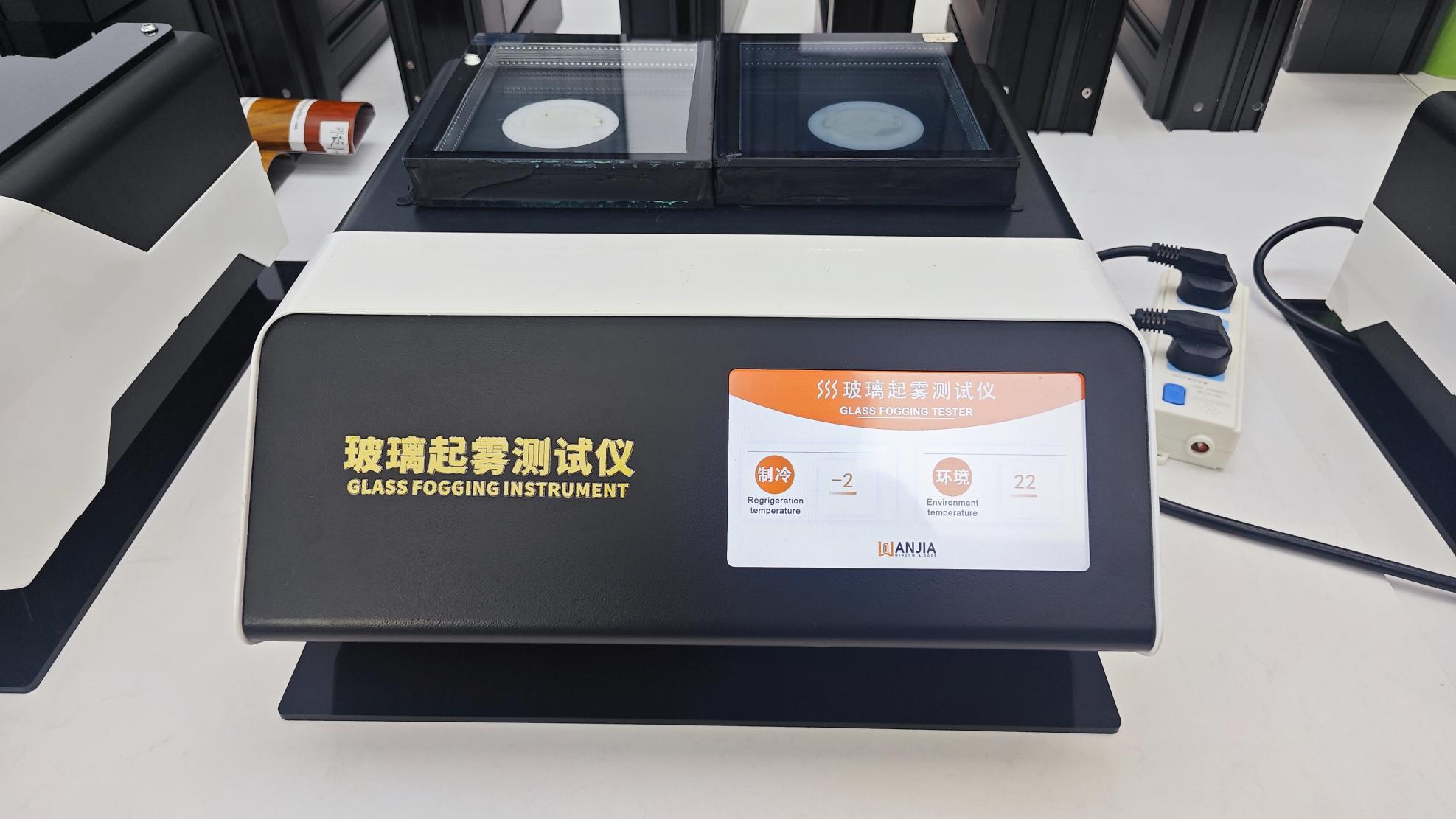
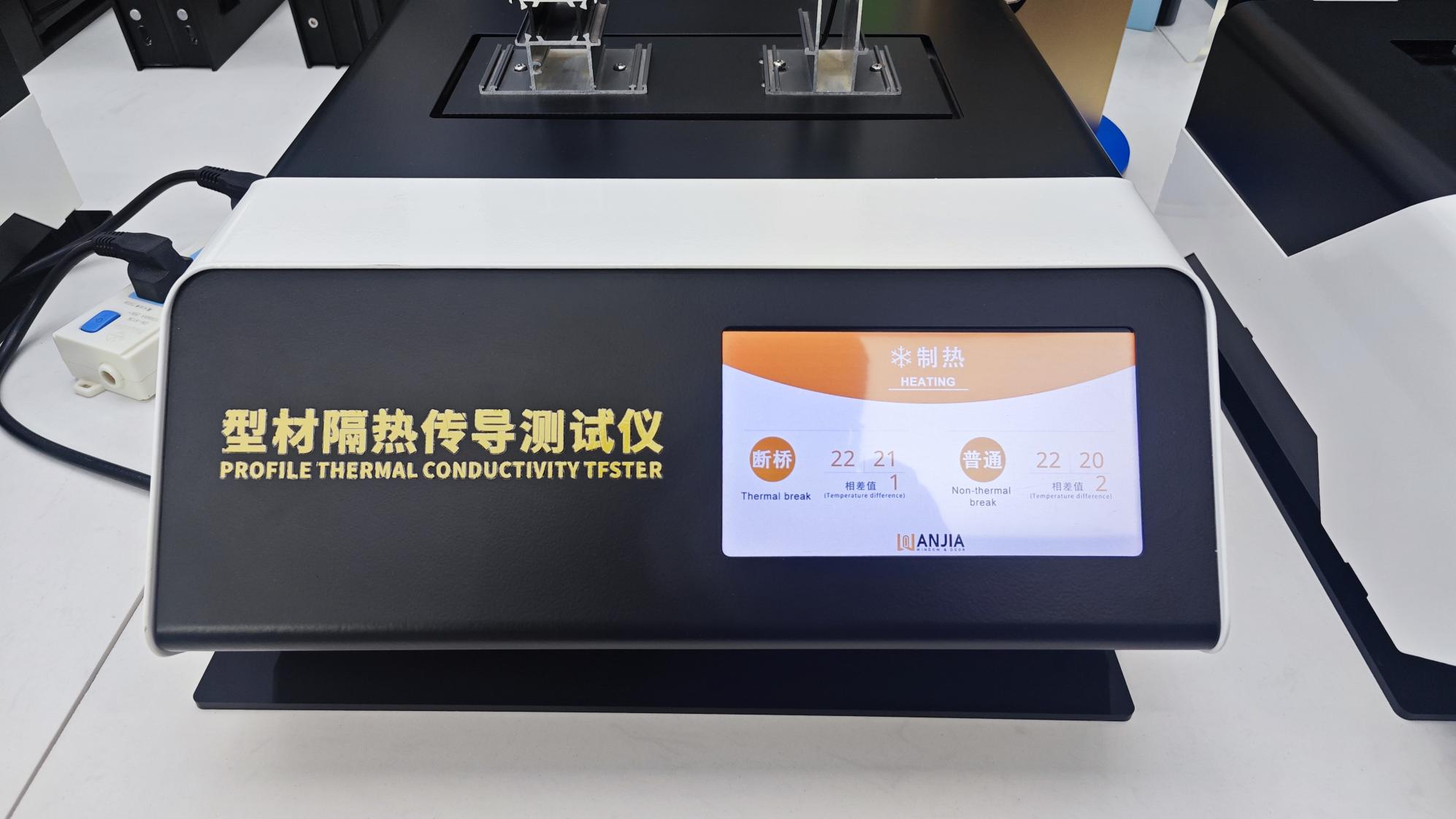
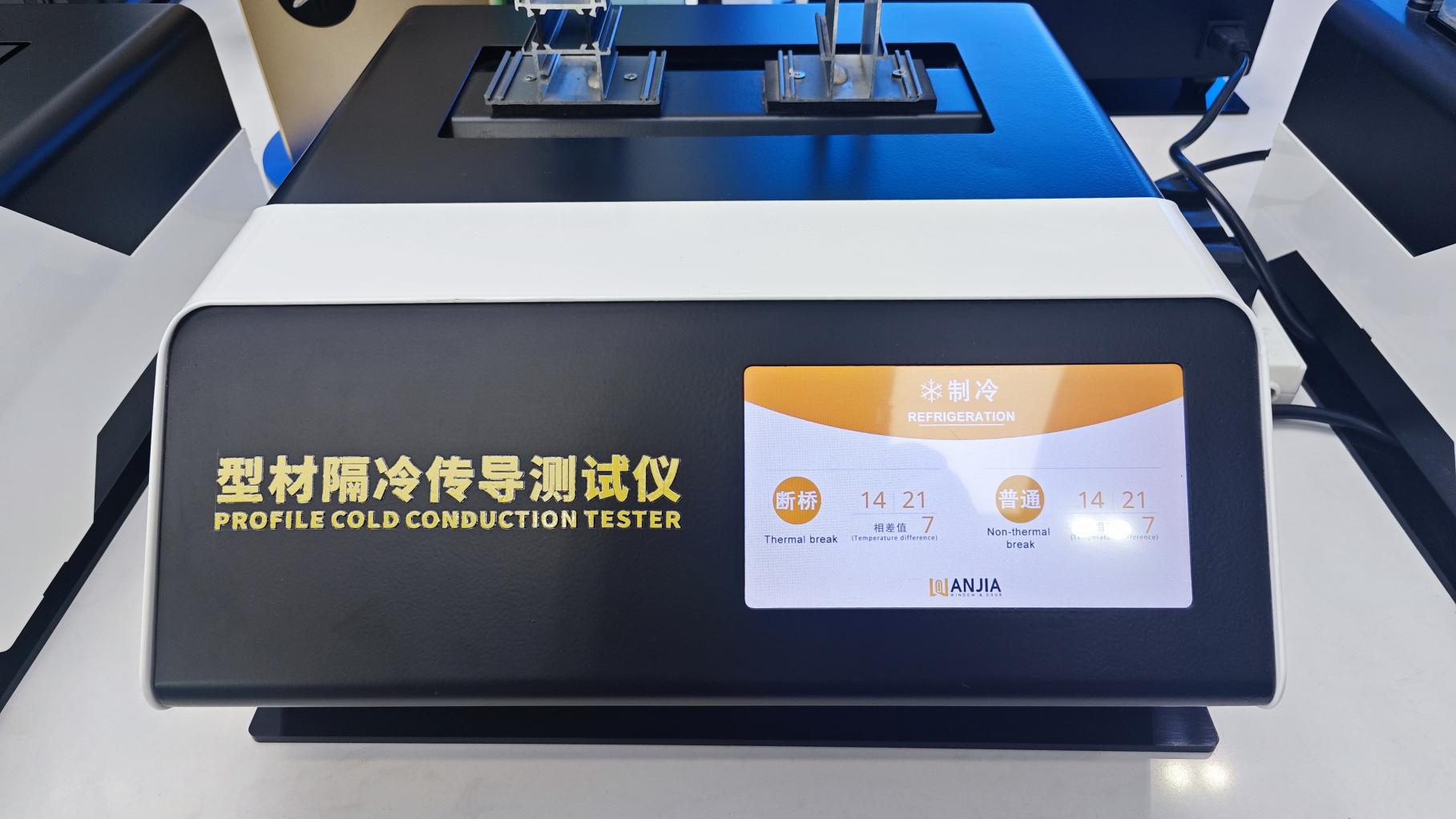
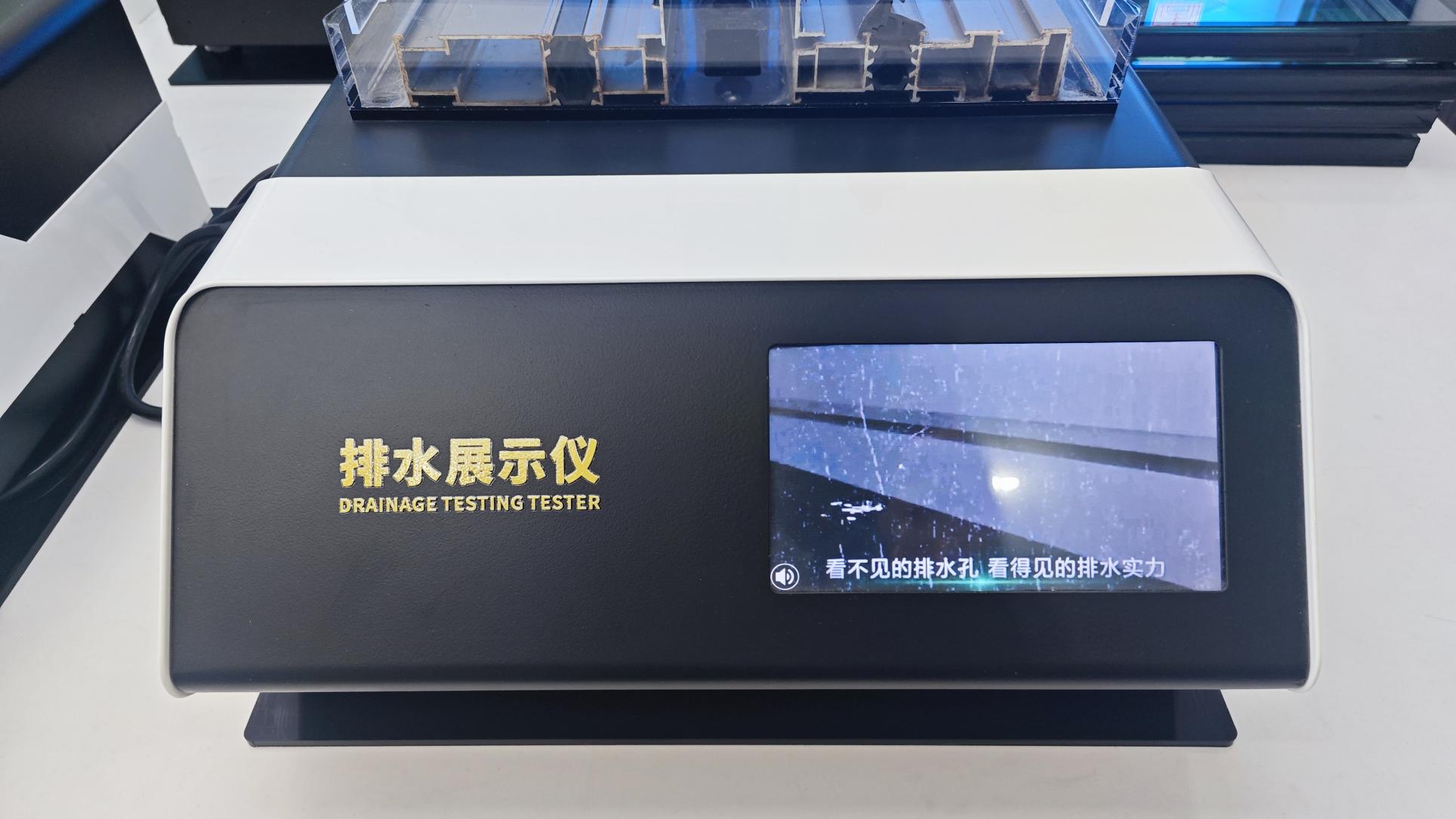
A Florida approval file is only as credible as the factory process behind it. The gallery below preserves the original production and laboratory images, from cutting and punching through air tightness, water tightness, wind resistance, glass fogging, thermal insulation conductivity, and drainage display testing.


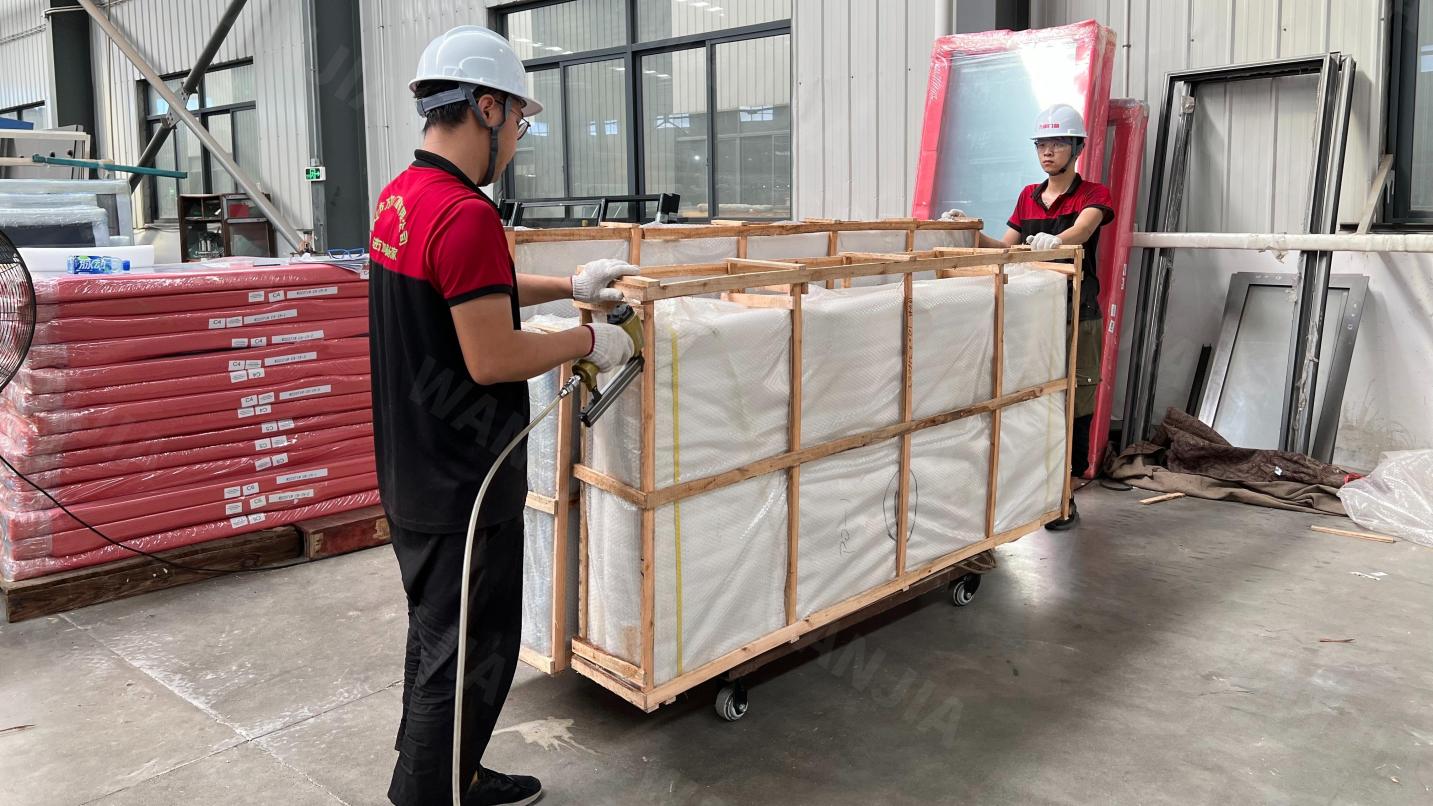

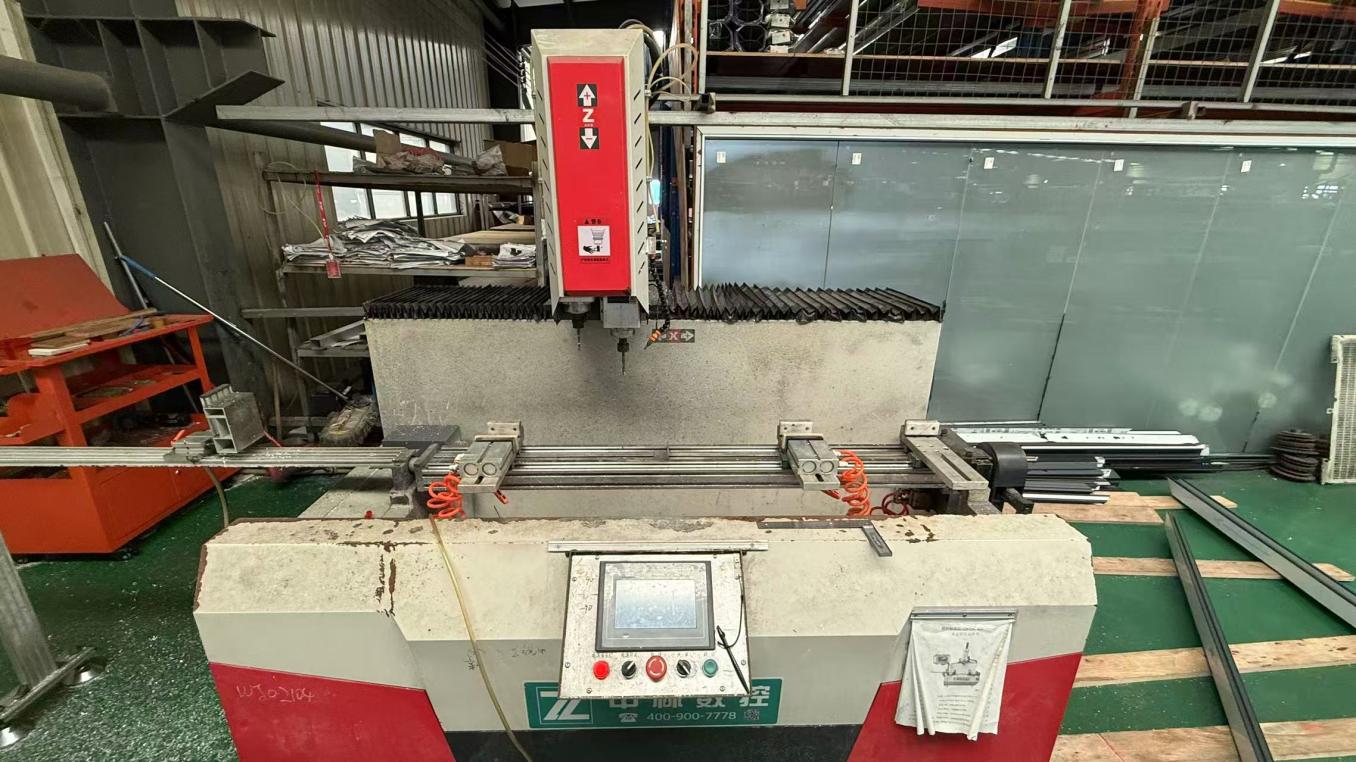

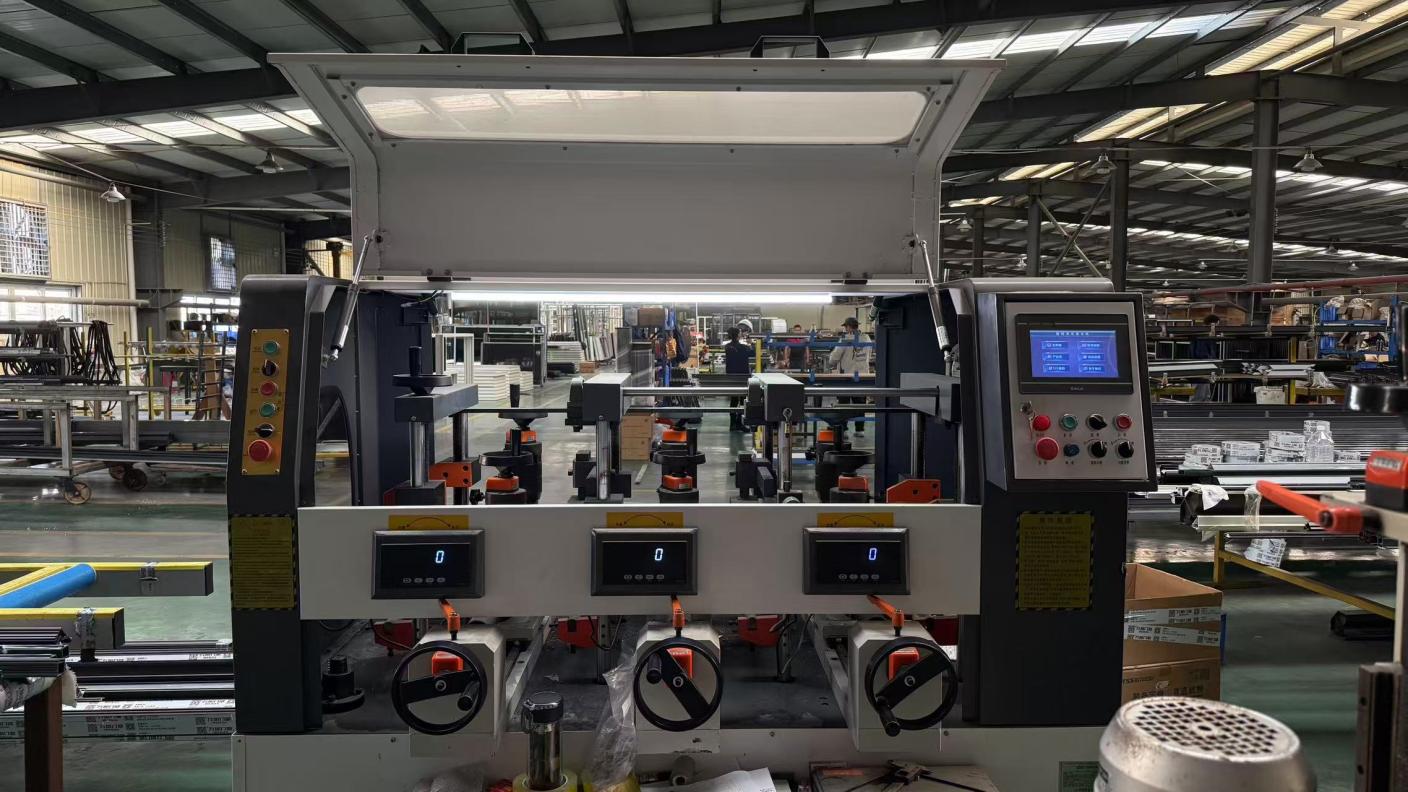
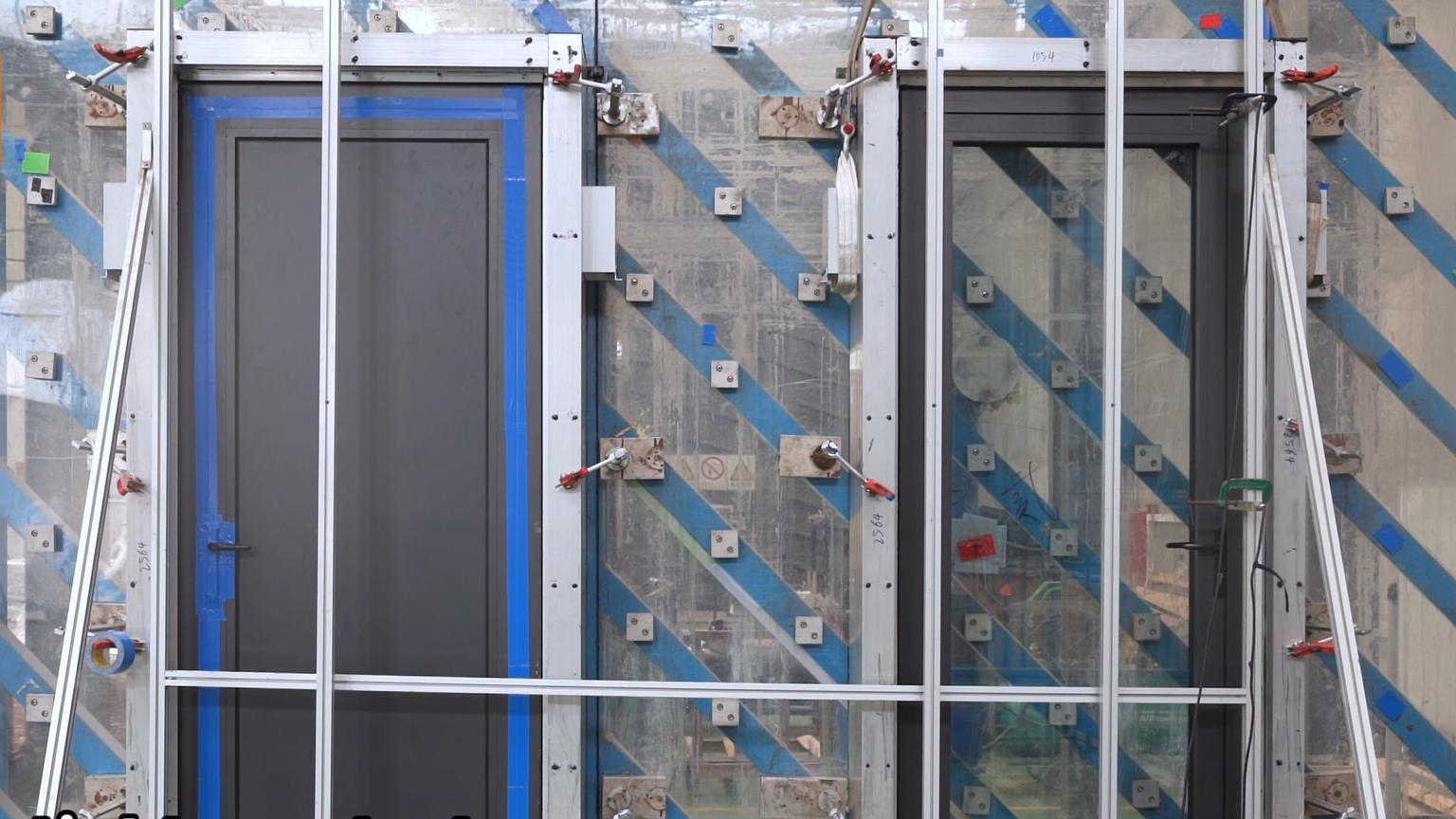




Demand is moving away from generic “impact windows” toward documented performance packages. The trends below matter to importers, distributors, developers, and hospitality procurement teams because they affect approval scope, testing cost, and project scheduling.
Florida’s coastal codes continue to tighten around large-missile impact, cyclic pressure, and water penetration. Suppliers that can document TAS 201, TAS 202, and TAS 203 performance across larger sizes will have an advantage.
Energy-code updates and utility costs are pushing thermal-break aluminum, warm-edge spacers, argon fill, and low-E glass into mainstream hotel and multifamily specifications.
Hospitality projects near airports, highways, and theme parks use STC-rated windows and laminated glass to protect guest sleep quality. STC-35 hotel windows with PTAC sleeves are a growing category.
Sliding doors, pivot doors, bi-fold doors, and fixed picture windows are becoming larger. Engineering review must confirm frame reinforcement, glass weight, and anchoring.
Bronze anodized, powder-coated, and PVDF finishes are being specified for salt spray. Buyers should request finish thickness and corrosion test data, not only a color sample.
Approval files, test reports, label drawings, and installation manuals are being managed digitally. Traceability from heat number to carton is becoming a procurement expectation.
Automatic cutting, milling, punching, and glass handling reduce variation. Automation is not a marketing point; it is a way to keep dimensions stable across repeat orders.
Buyers are combining stock programs with project orders to fill containers and reduce landed cost. Mixing windows, doors, and storefront systems in one container is now common.
Florida approval is not one market. Miami-Dade, Broward, Palm Beach, Tampa, Orlando, Jacksonville, Cape Coral, Naples, and the Caribbean each create different performance priorities. The scenarios below show how the same factory platform adapts to local project conditions.
Impact windows, sliding doors, and pivot entries with Miami-Dade NOA scope. Focus on large-missile impact, design pressure, water management, and anchor details for concrete and steel openings.
Oceanfront villas and condominiums request bi-fold doors, fixed picture windows, and security entry doors with corrosion-resistant hardware and custom finishes.
Hotels and resorts use PTAC louver windows, storefront panic doors, and STC-rated glazing for hospitality renovations near the bay and active commercial corridors.
Hotel room windows with PTAC sleeves and acoustic glass support high-turnover hospitality projects, while slider and fixed window packages serve resorts and vacation rentals.
Awning windows, double-hung windows, and impact entry doors dominate residential replacement and new construction where ventilation, security, and wind protection must coexist.
Luxury villas request pivot entry doors, large glass walls, and concealed-hardware systems with custom colors and premium finishes that still meet coastal performance requirements.
Florida approval is often used as a benchmark for hurricane-exposed islands. AS2047 and NFRC data can support multi-market specifications when documentation is organized correctly.
Commercial folding doors, storefront doors, and large fixed glass serve retail, restaurant, and lobby applications where wind resistance and panic hardware must be coordinated.
A China Florida approval window manufacturer becomes strategic when it can package products, documentation, and delivery around a business model. These macro solutions are designed for buyers who need repeatability, not a one-off quote.
Standardize product families, colors, and glass across multiple buildings while maintaining approval scope for each configuration and opening size.
Private-label cartons, stock sizes, hardware kits, and spare parts for local inventory programs that need rapid fulfillment and predictable specifications.
Hotel PTAC windows, acoustic glazing, and storefront doors coordinated with interior design, opening schedules, and brand standards.
Photo-measured openings, adaptor frames, and phased deliveries help reduce occupied-unit downtime during window and door replacement.
Impact-rated envelopes with corrosion-controlled hardware and water-management details for salt-spray zones and high-exposure coastal sites.
Thermal-break frames, low-E glass, warm-edge spacers, and NFRC documentation support code compliance and operating-cost reduction.
Factory-glazed units, labeled openings, and sequenced deliveries help modular builders reduce site labor and protect finished units during transport.
Shop drawings, submittals, glass takeoffs, installation manuals, and spare parts support local glazing teams during installation and closeout.
International buyers evaluate China suppliers on more than factory price. The most successful procurement teams build a verification file before the first sample is approved, then use the same file for every purchase order.
Florida Product Approval or Miami-Dade NOA pages, test reports, NFRC labels, installation instructions, and warranty terms should be organized by product family and size range.
Finish samples, corner cuts, hardware samples, and glass coupons should be reviewed before mass production. Mock-ups reduce disputes over color, joint details, and operation.
Confirm size limits, design pressure, glass make-up, hardware, anchoring, and installation method. A certificate without a matching scope is a procurement risk.
Mixed loads, protected packing, and carton marking by opening help reduce freight cost and jobsite confusion, especially when windows and doors ship together.
Pre-shipment dimensional checks, glass inspection, function testing, and photo reports should be completed before packing and container loading.
Written warranty, hardware replacement kits, and screen or roller spares protect the buyer after installation and reduce costly after-sales claims.
Sample approval, production slot, testing, and ocean freight should be scheduled backward from the project’s glazing installation date.
Milestone payments, third-party inspection, shipping documents, and clear Incoterms protect both buyer and factory in long-distance procurement.
Use this table as a pre-quote checklist. It is written for importers, distributors, developers, and hospitality buyers who need a repeatable way to compare suppliers without relying on brochure claims.
| Checkpoint | What to Ask | Why It Matters |
|---|---|---|
| Approval | Does the Florida Product Approval or NOA cover the exact product family, size, design pressure, glass, and hardware? | Approval scope is often narrower than the sales listing. Scope mismatch can stop submittals or inspection. |
| Testing | Which reports support impact, air, water, and structural performance? Are they current and tied to the assembly? | HVHZ and wind-borne debris review depends on traceable test evidence, not general performance claims. |
| Glass | What is the glass make-up, interlayer, spacer, coating, and visible light target? | Glass changes can affect impact, thermal, acoustic, and approval performance. |
| Hardware | Which brand, finish, cycle rating, and corrosion protection are specified? | Hardware is a common source of jobsite complaints in coastal environments. |
| Anchorage | What fastener schedule and installation method are required for concrete, wood, or steel framing? | Even an approved product can fail review if the anchorage condition is not covered. |
| QC | Who checks dimensions, finish, glass, operation, and packing? Can the buyer review inspection photos? | Factory QC records reduce the risk of receiving mixed configurations or shipping damage. |
| Documentation | Can the factory issue shop drawings, submittal sheets, labels, installation manuals, and warranty documents? | Project closeout and local permitting depend on complete documentation. |
| Packaging | How are frames, glass, screens, and hardware protected for ocean freight and mixed containers? | Poor packaging creates replacement orders that are far more expensive than the original packing cost. |
| Freight | What is the carton count, loading plan, container utilization, and estimated shipping window? | Freight planning affects landed cost and installation scheduling. |
| After-Sales | What spare parts, technical support, and claim process are available after shipment? | Long-distance sourcing requires a clear after-sales path, not only a pre-shipment promise. |
These are the questions most often raised by importers, distributors, glazing contractors, and project owners when comparing China-based Florida approval window suppliers.
Florida Product Approval is a statewide approval pathway that documents how a product meets Florida Building Code requirements, including wind, water, structural, and impact performance where applicable. For a China factory, it matters because the approval must connect the tested specimen to the production unit, installation method, glass, hardware, and size limits. A certificate alone is not enough; the project must fall within the approved scope.
No. Florida Product Approval is statewide, while a Miami-Dade Notice of Acceptance is a local approval commonly used in the High-Velocity Hurricane Zone. Some products hold both. Buyers should confirm whether the project is inside the HVHZ and whether the NOA covers the exact size, pressure, glass, and anchorage condition required for the opening.
Yes, provided the product has appropriate Miami-Dade NOA or Florida Product Approval with HVHZ scope and the factory maintains the quality-assurance requirements behind that approval. The buyer should request the approval file, test reports, label instructions, installation manual, and production quality plan. The factory must also control changes to profiles, glass, hardware, and anchorage.
Compare the project opening schedule against the NOA’s approved product family, maximum size, design pressure, glass make-up, and hardware schedule. Pay attention to installation conditions and anchoring details. If the project requires a larger size, thicker glass, different interlayer, or different hardware, ask whether the configuration is within the approved scope or requires a new evaluation.
Depending on the product and location, testing may include large-missile impact, uniform static air pressure, cyclic wind pressure, air infiltration, water penetration, and structural performance. Relevant protocols often include TAS 201, TAS 202, TAS 203, ASTM E1886, ASTM E1996, and AAMA/WDMA/CSA 101/I.S.2/A440. The exact test matrix depends on the approval pathway and product type.
NFRC focuses on thermal and energy performance ratings such as U-factor, SHGC, and visible transmittance. AS2047 is an Australian and New Zealand window standard used in many export markets. Florida Product Approval and Miami-Dade NOA address Florida-specific code compliance, including wind-borne debris and HVHZ requirements. They support different decisions and should not be treated as interchangeable.
Work backward from the glazing installation date. Allow time for sample approval, shop drawings, production, pre-shipment inspection, packing, container loading, ocean freight, customs clearance, and local delivery. Mixed containers with windows, doors, and storefront systems can improve utilization, but packaging and carton marking must be planned carefully to avoid jobsite confusion.
Yes. Hospitality projects often require PTAC sleeve details, louver performance, acoustic glazing, and durable finishes. Storefront panic doors may require specific hardware, closers, and anchorage. The factory should coordinate the window, louver, sleeve, and door packages with the architect’s opening schedule and local code review.
A typical submittal package includes Florida Product Approval or NOA pages, test reports, product data sheets, shop drawings, glass and hardware schedules, installation instructions, label drawings, warranty terms, and quality-control records. For hospitality or multifamily projects, acoustic and thermal performance data may also be required.
Compare approval scope, test evidence, factory process, QC staffing, engineering support, packaging, warranty, and after-sales response. Ask for project-specific documentation rather than generic catalogue pages. A supplier that can explain what changes require re-testing, how labels are controlled, and how shipments are inspected is usually better prepared for Florida projects than a supplier that competes only on unit price.
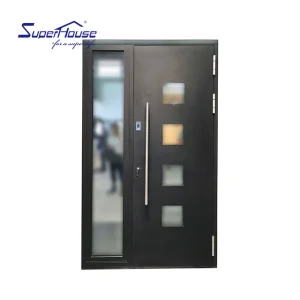
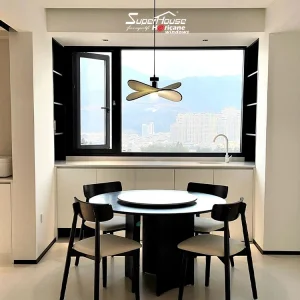
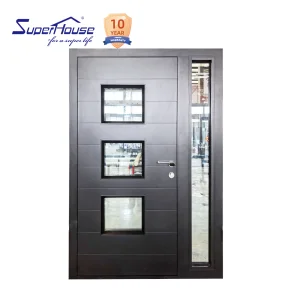
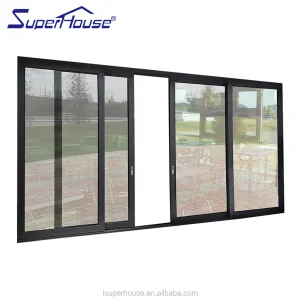
The final eight configurations below complete the product selection. They cover entry doors, NOA windows, villa security doors, patio sliders, hotel PTAC louver windows, hurricane pivot doors, awning windows with mosquito net, and large circular fixed picture windows.
 ArmorSafe Doors