In an era dominated by stringent global energy transition mandates, decarbonization directives, and increasingly erratic weather extremes, fenestration engineering serves as a critical defense line for architectural envelopes. Selecting qualified CE Certified and NFRC Certified Windows Manufacturers is no longer merely a supply chain decision—it is a core engineering requirement for architects, commercial general contractors, hardware distributors, and facade consultants worldwide.
Since 2008, ArmorSafe Entry Door Systems Co., Ltd. has established itself as an authoritative force in high-security residential entry systems and ultra-thermal architectural windows. Spanning 18 years of rigorous manufacturing background and 10 years of worldwide export history, our company operates a state-of-the-art 22,000 sq ft manufacturing facility delivering an annual export volume exceeding $25 million. Driven by an elite team of 48 dedicated R&D engineers and 30 precision Quality Control (QC) specialists, we bridge the gap between heavy industrial production capacity and complex compliance requirements across North America, Western Europe, and Oceania.
Dual certification guarantees cross-continental compliance. While CE Marking (EN 14351-1) verifies structural safety, wind load resistance, air permeability, and hazardous chemical compliance under European Union Construction Products Regulation (CPR 305/2011), the NFRC (National Fenestration Rating Council) certification provides validated energy performance ratings—specifically U-Factor, Solar Heat Gain Coefficient (SHGC), Visible Transmittance (VT), and Air Leakage (AL)—essential for North American Energy Star® qualification and Title 24 compliance.
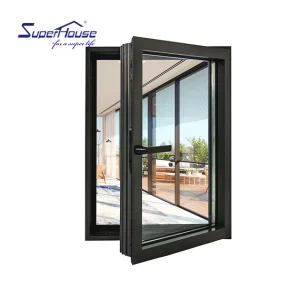
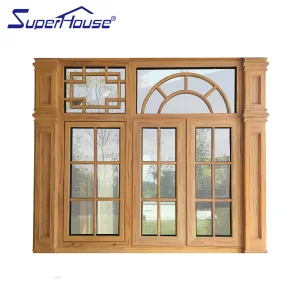
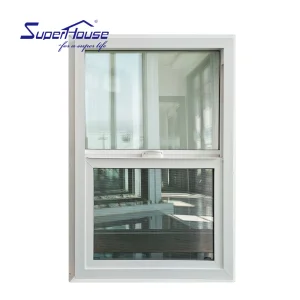
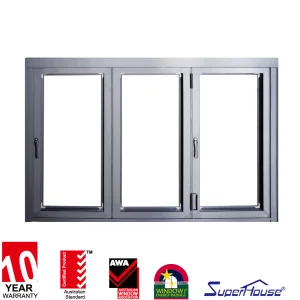
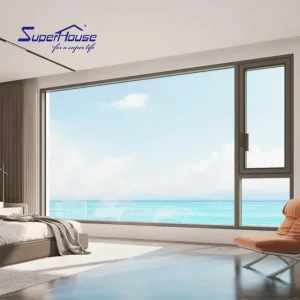
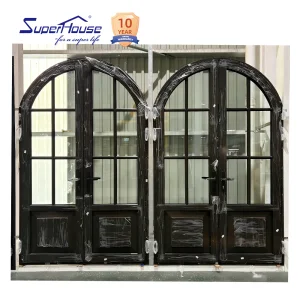
Explore our initial selection of precision-engineered NFRC and CE certified window and door solutions.
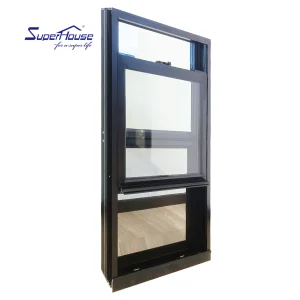
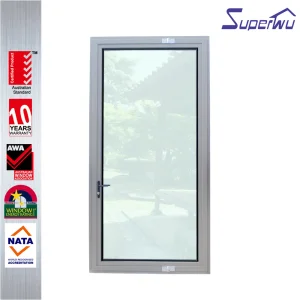
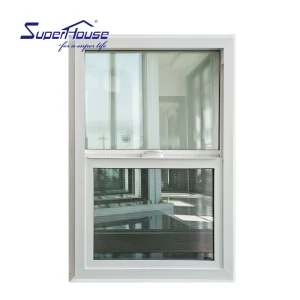
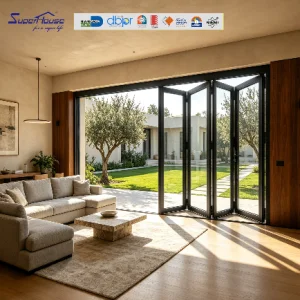
An engineering analysis of thermal transfer coefficients, optical properties, and physical testing protocols.
Achieving verified compliance with both European CE marking mandates and North American NFRC ratings requires advanced material science and thermal engineering. Windows are dynamic architectural thermal bridges. Heat loss or gain occurs through conduction (frame and glass center), convection (air spaces between panes), and radiation (infrared solar heat).
The U-Factor measures the rate of non-solar heat loss per unit area ($\text{W/m}^2\text{K}$ in metric; $\text{Btu/h}\cdot\text{ft}^2\cdot^\circ\text{F}$ in imperial). Lower numbers indicate higher thermal insulation. ArmorSafe thermal break profiles incorporate 24mm to 34mm Polyamide (PA66GF25) thermal struts reinforced with 25% glass fiber, maintaining frame U-factors ($U_f$) as low as 1.1 $\text{W/m}^2\text{K}$. Combined with argon-filled triple-glazed low-E insulated glass units (IGUs), total window system values ($U_w$) reach Passive House standards (≤ 0.8 $\text{W/m}^2\text{K}$).
SHGC measures the fraction of incident solar radiation admitted through a window, both directly transmitted and absorbed/released inward. Ranging from 0 to 1, optimal SHGC varies by climate zone. For hot coastal environments like Florida, our windows feature double-silver low-E coatings achieving an SHGC below 0.22 to drastically cut cooling loads. For cold Northern US zones, we engineer high-SHGC solar gain glass (> 0.45) to maximize passive heating.
Visible Transmittance (VT) measures optical clarity and natural daylighting efficiency (0.30 to 0.70 range). Condensation Resistance (CR) rates how effectively a window resists water droplet formation on inside surfaces under extreme humidity and temperature differentials (scaled 1 to 100). High CR numbers (>65) protect indoor air quality by preventing mold, black spot spores, and frame deterioration.
| Certification System | Testing Standard / Target | Primary Metric Evaluated | ArmorSafe Engineering Standard |
|---|---|---|---|
| CE Marking (EU) | EN 14351-1 / EN ISO 10077 | Air Tightness, Water Tightness, Wind Load ($U_w$) | Class 4 Air, Class E1050 Water, Class C5 Wind |
| NFRC (USA / Canada) | NFRC 100 / 200 / 400 / 500 | U-Factor, SHGC, VT, Air Leakage (AL) | U-Factor: 0.20-0.28 Btu/h·ft²·°F; AL < 0.1 cfm/ft² |
| Florida NOA (HVHZ) | TAS 201, 202, 203 Impact Test | Large Missile Impact & Cyclic Wind Pressure | Passes +90/-90 PSF Design Pressure (9-lb 2x4 @ 50 ft/s) |
| AS2047 (Australia) | AS4420 / AS1288 Structural | Deflection, Operating Force, Air/Water Proofing | Extra High Wind Zone Rating (> 4500 Pa Structural) |
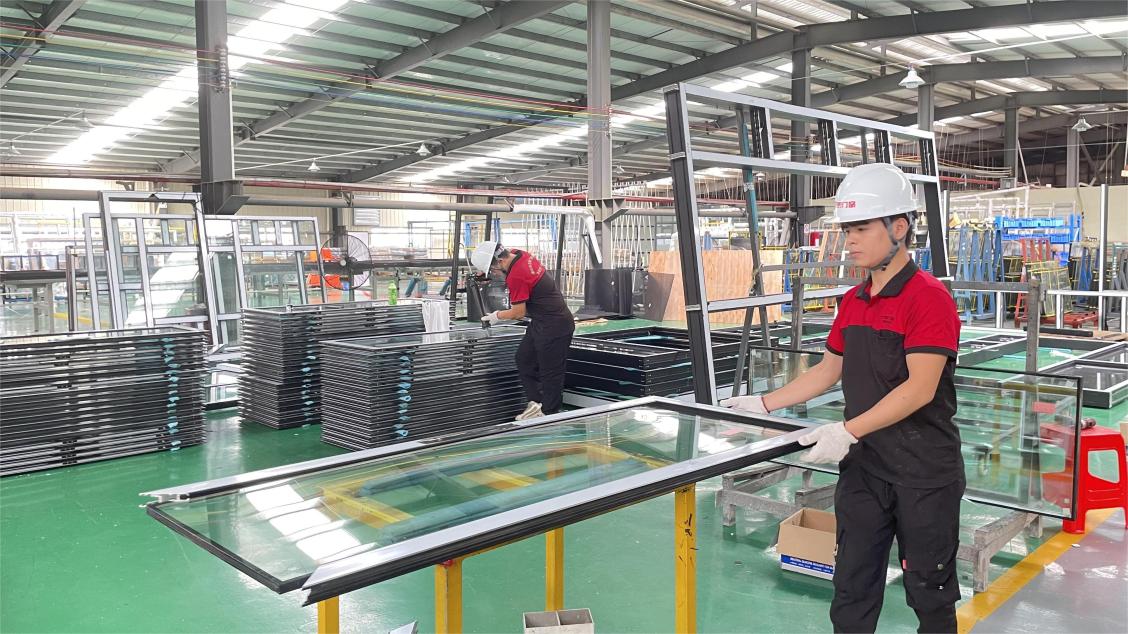
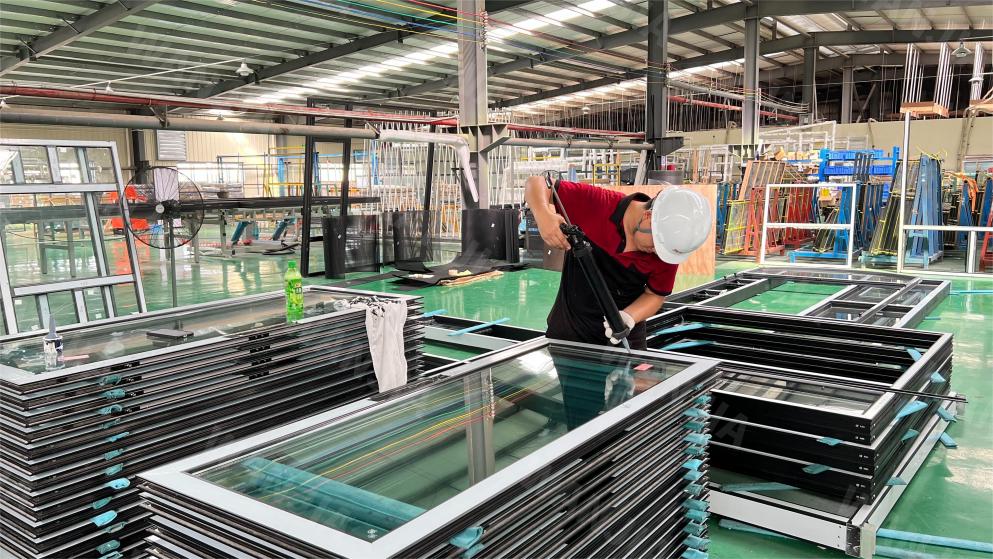
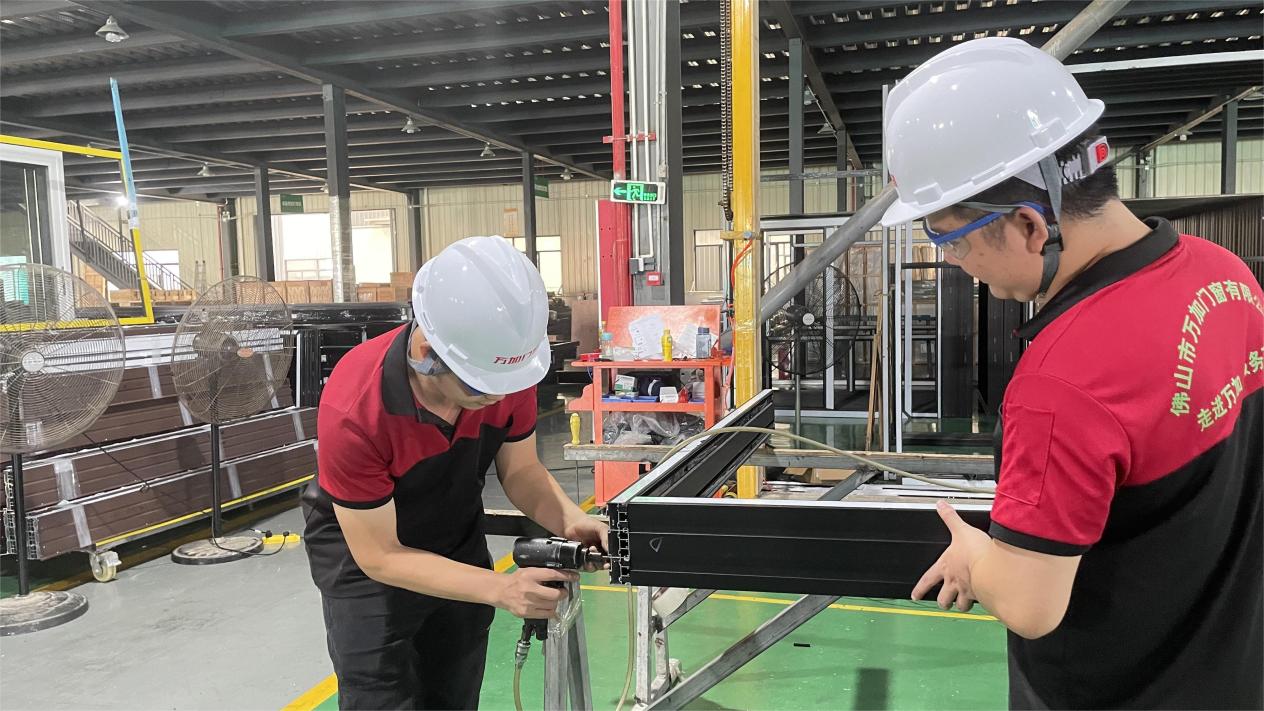
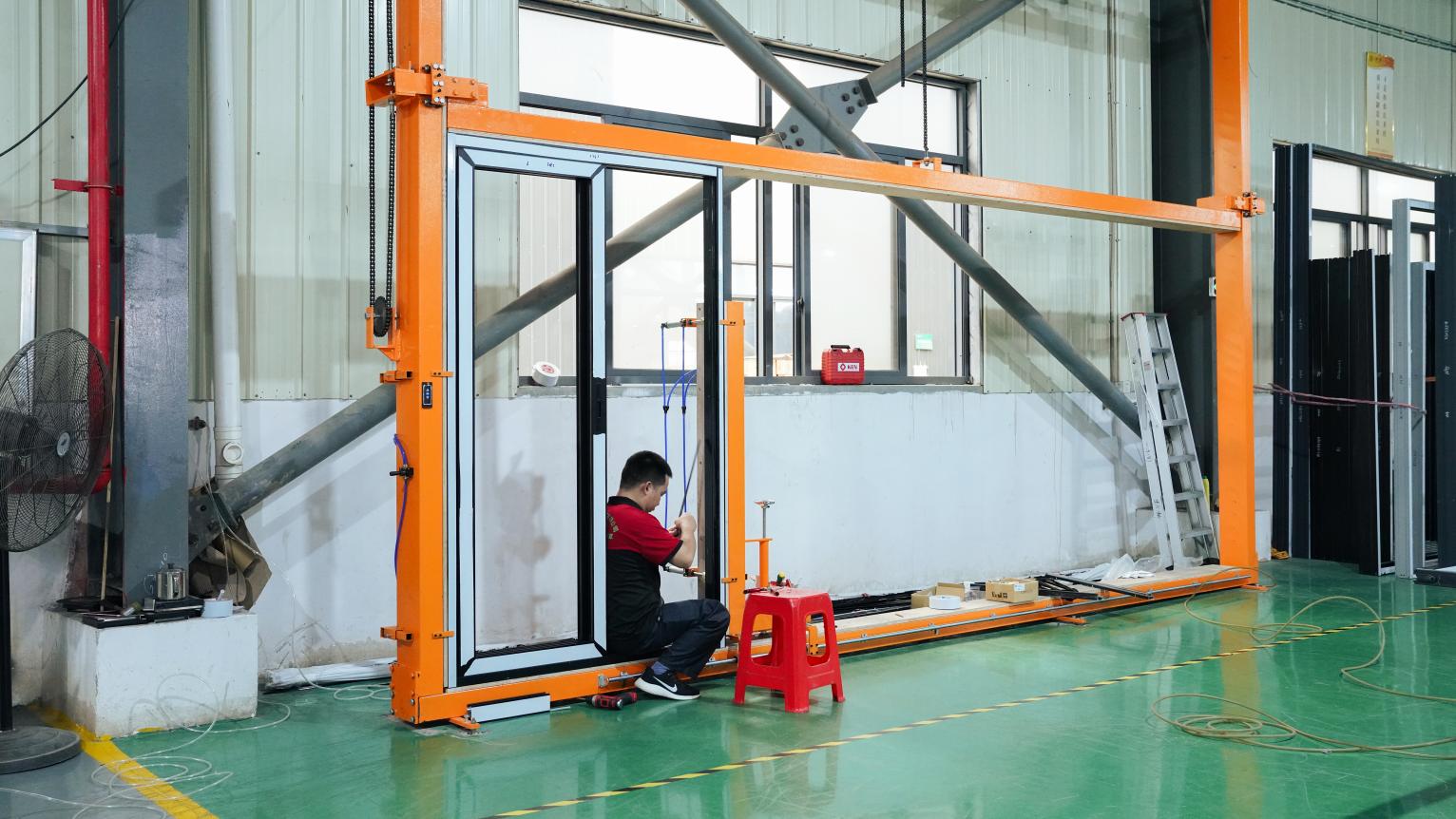
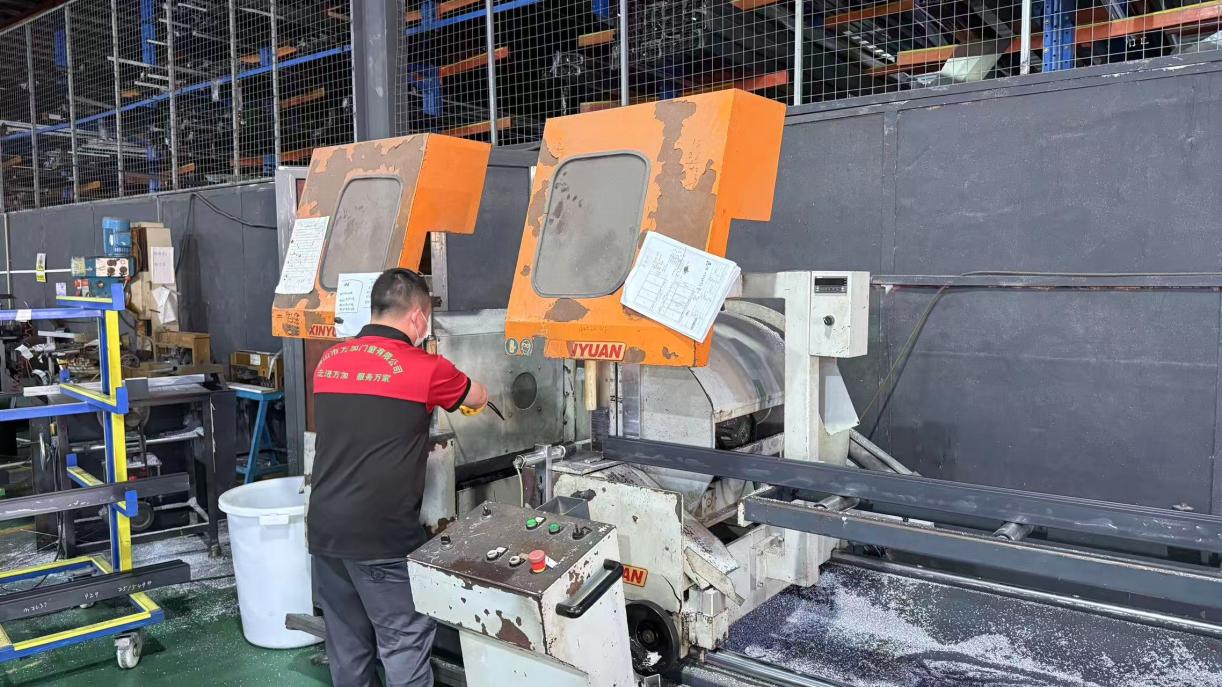
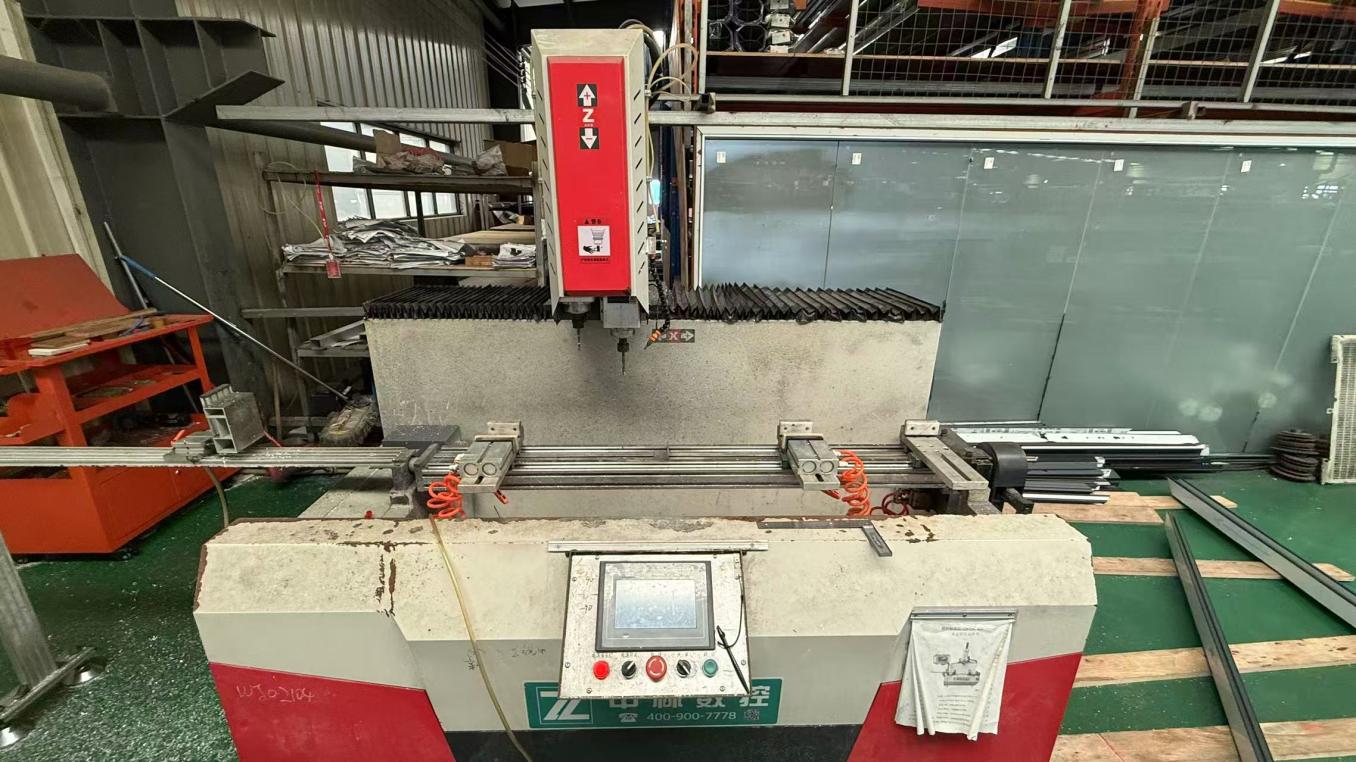
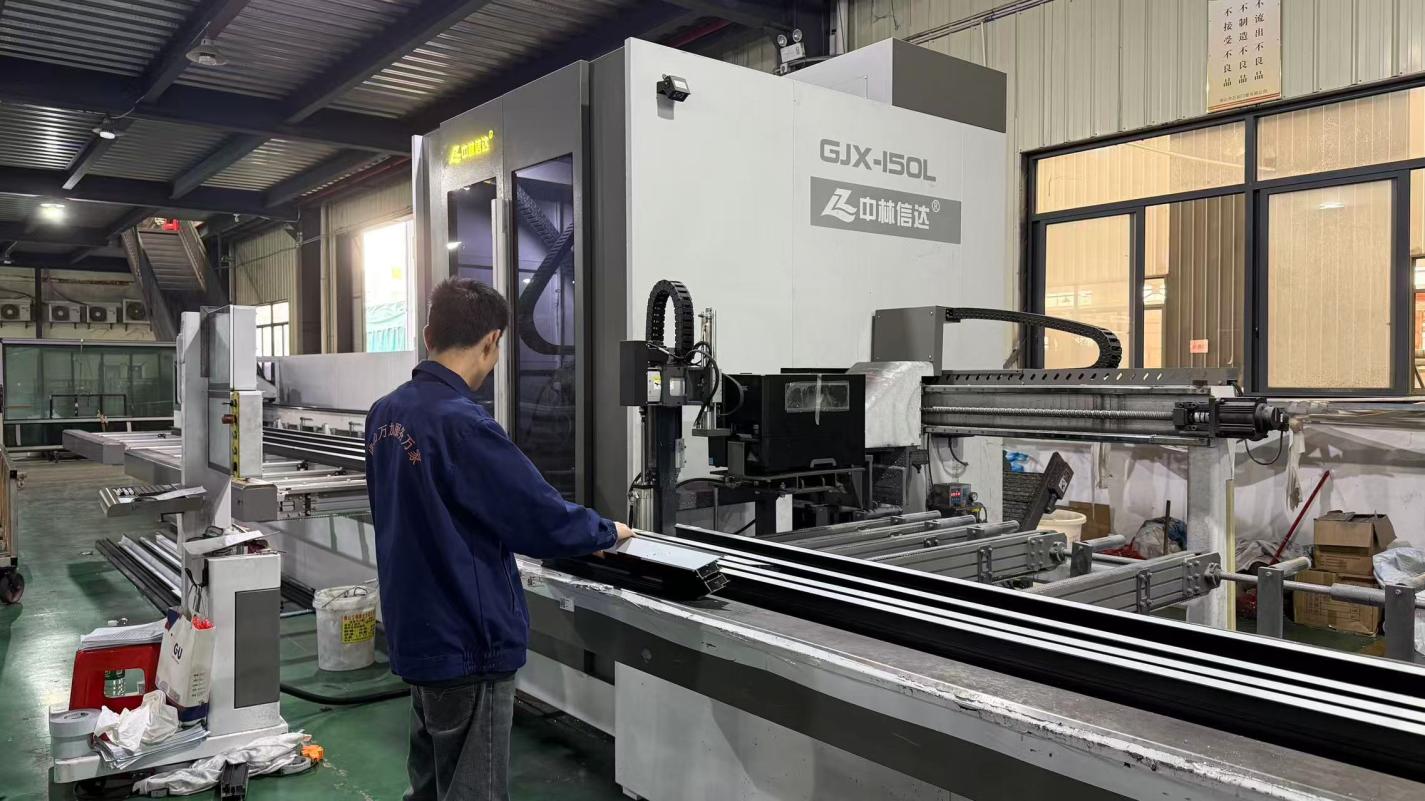
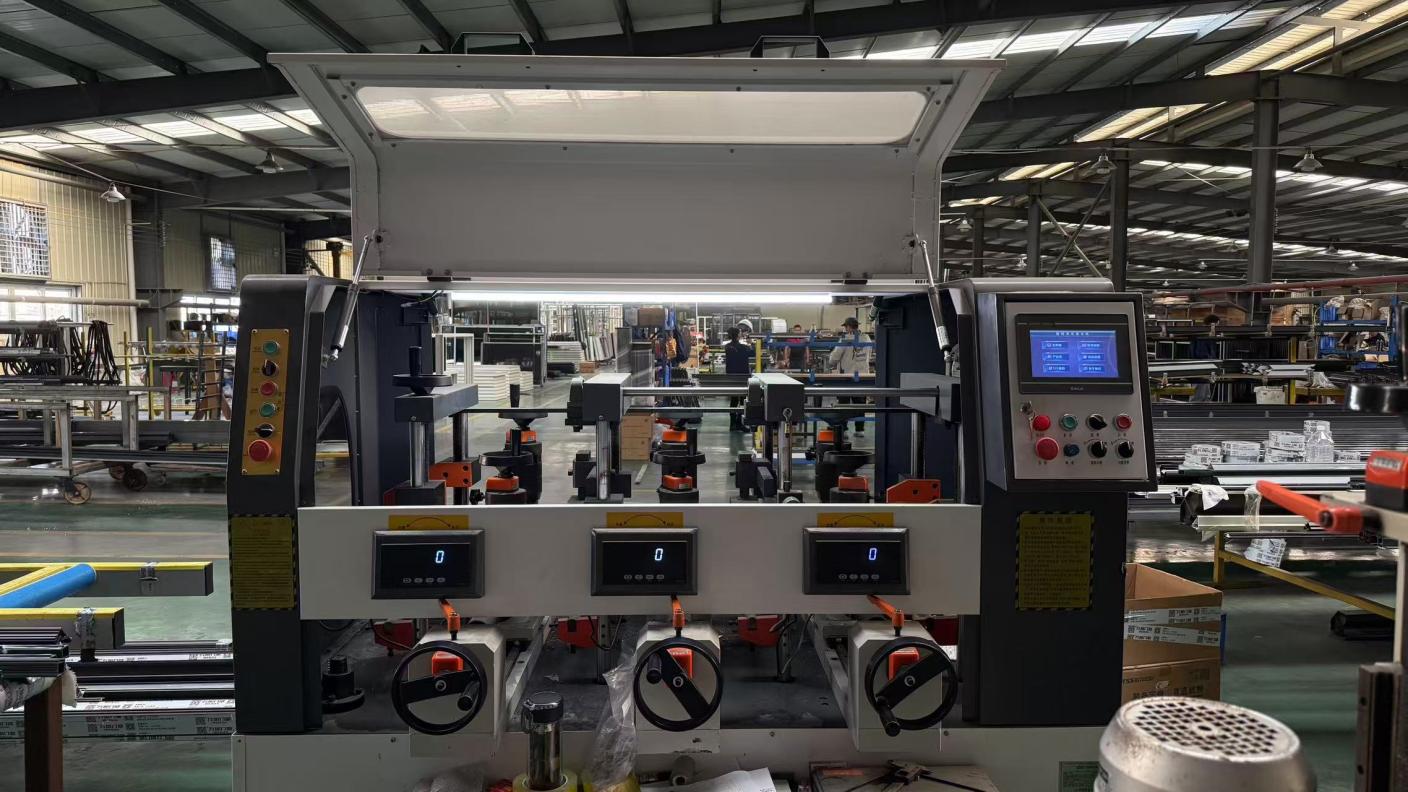
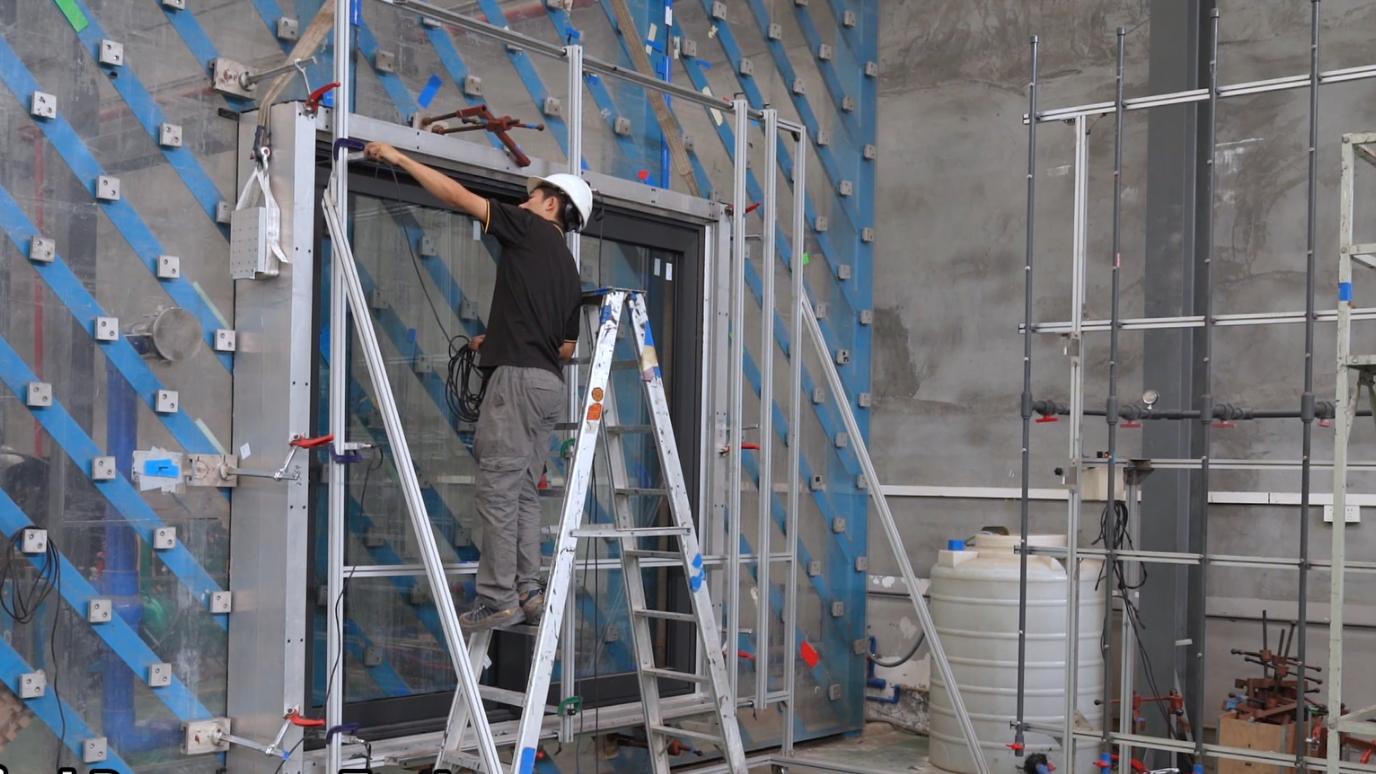
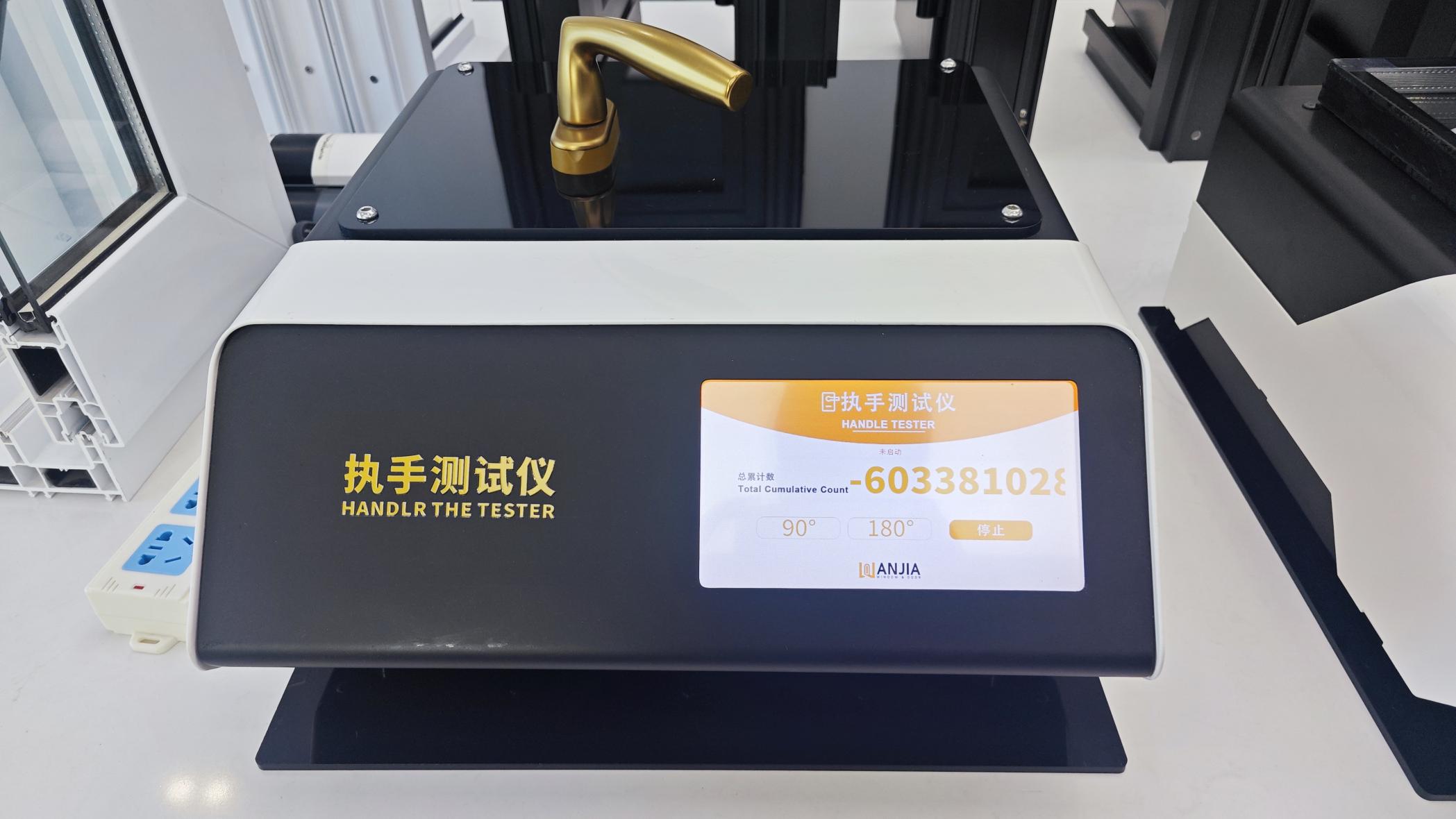
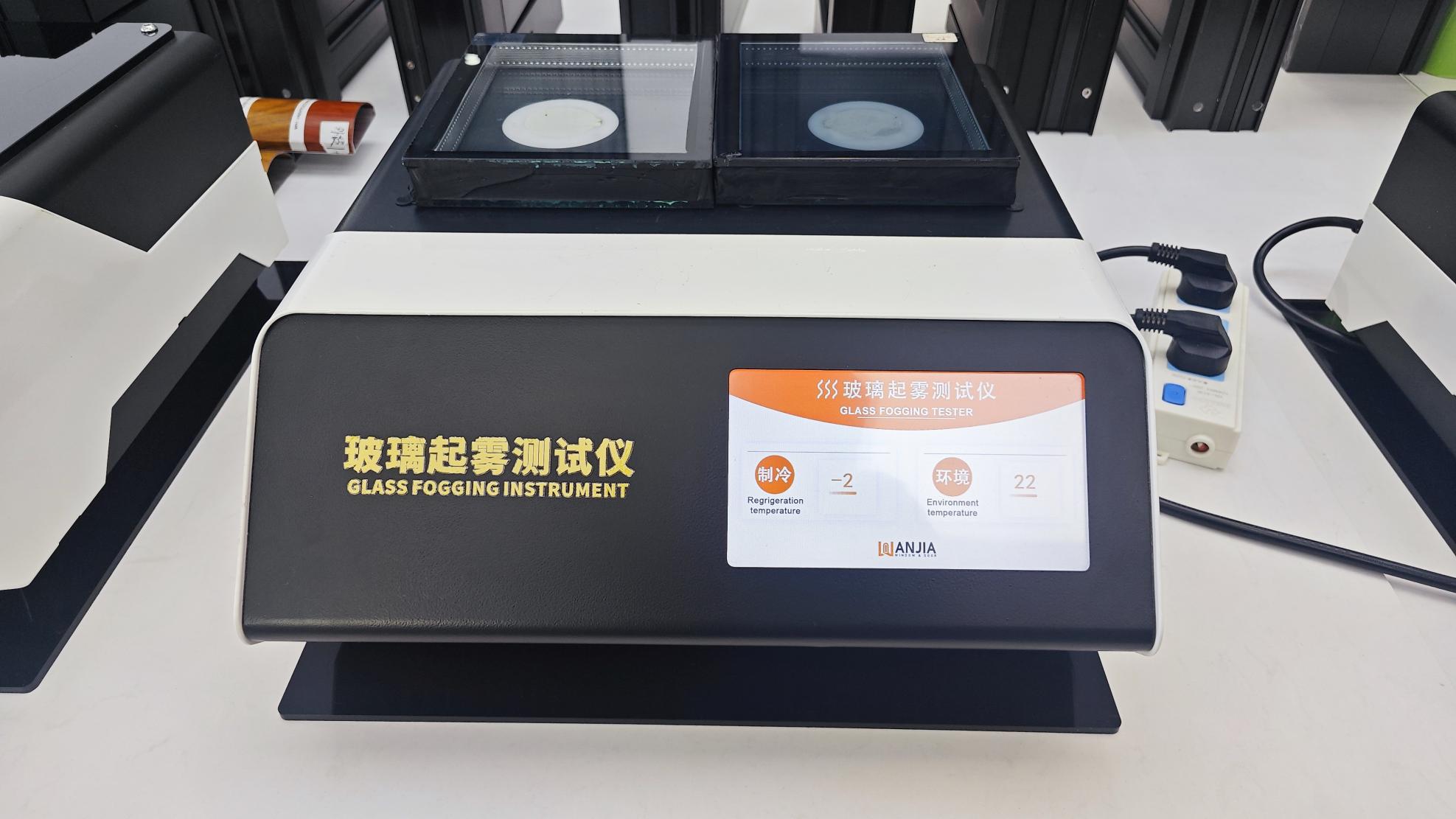
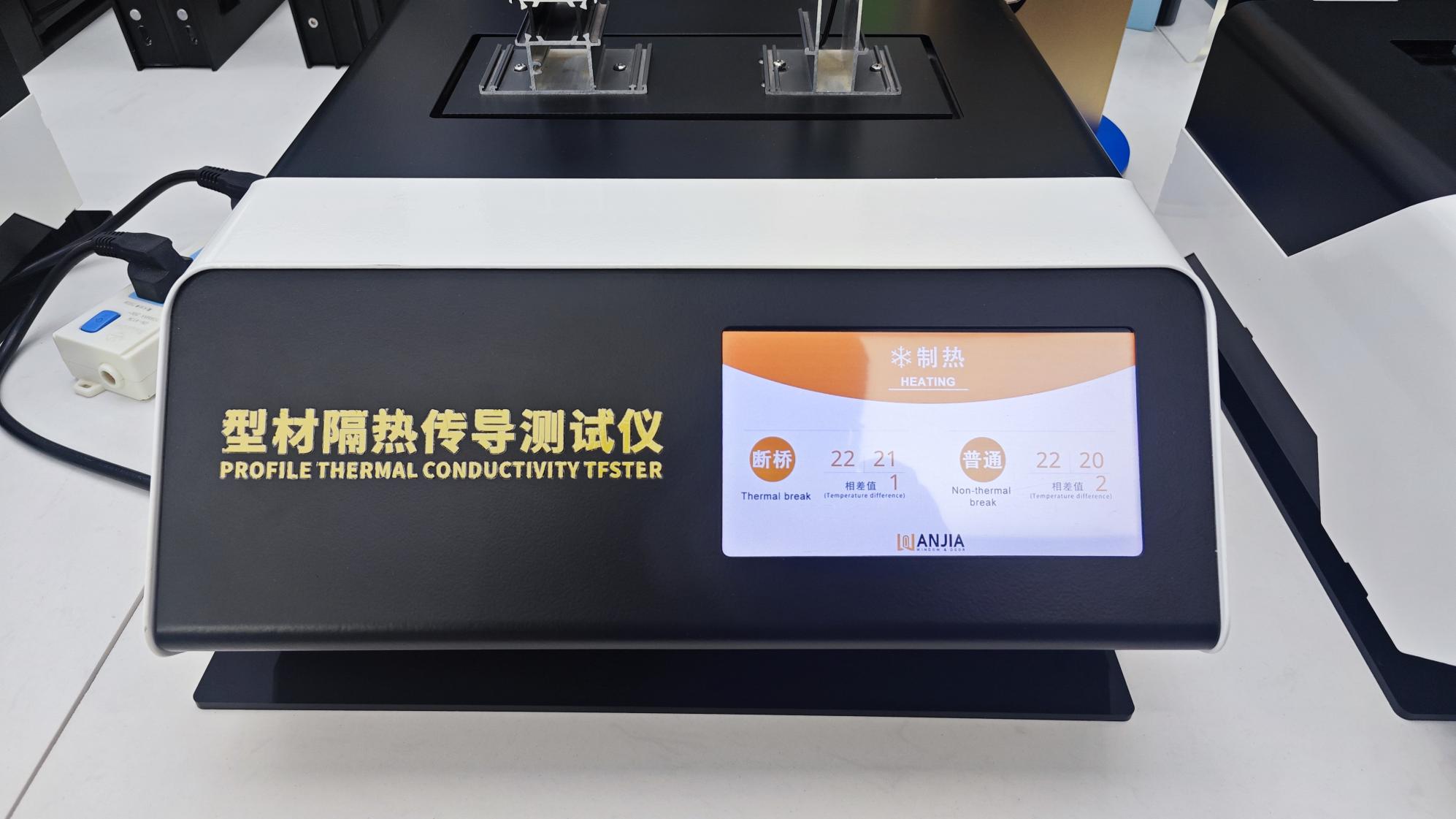
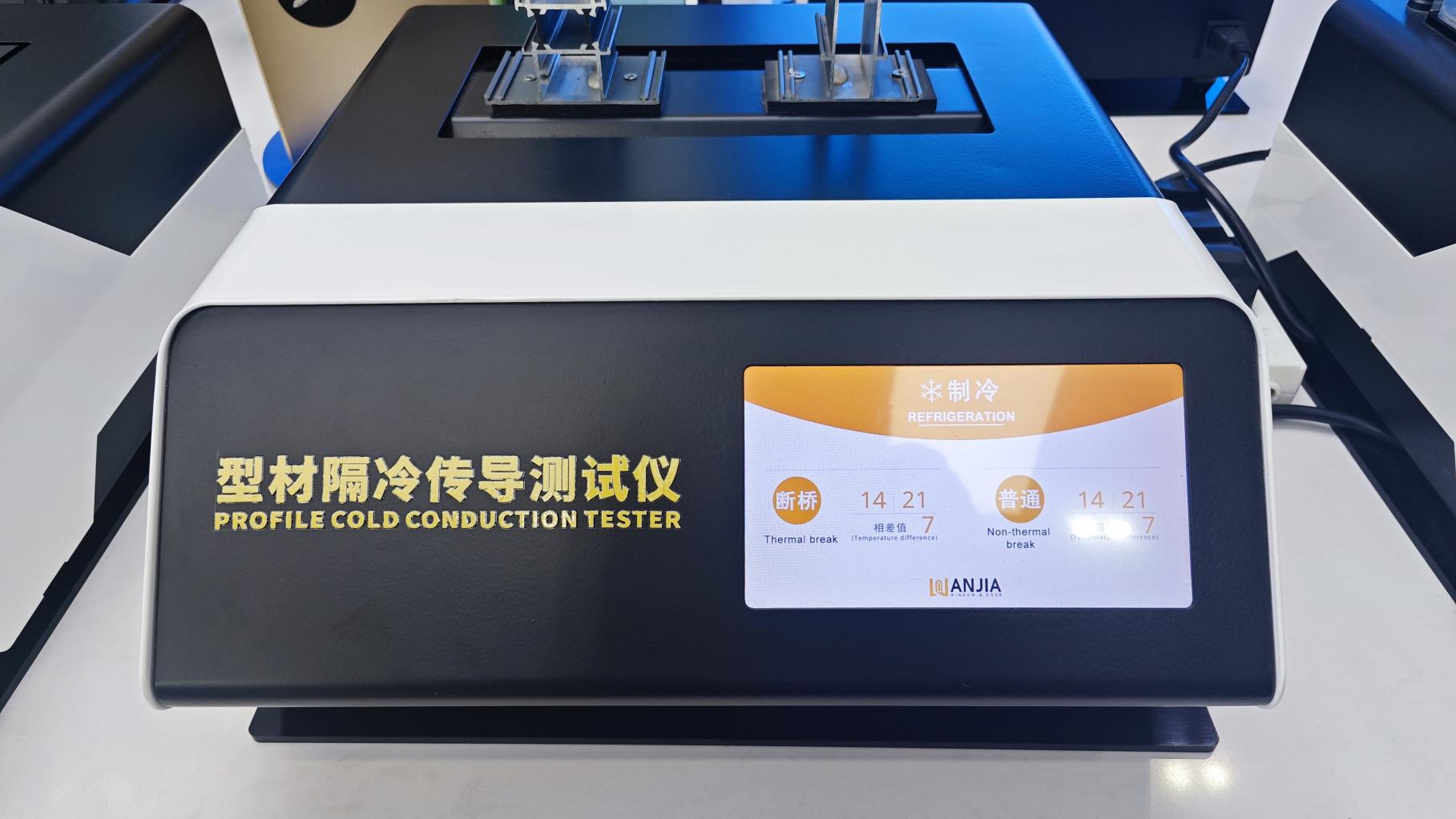
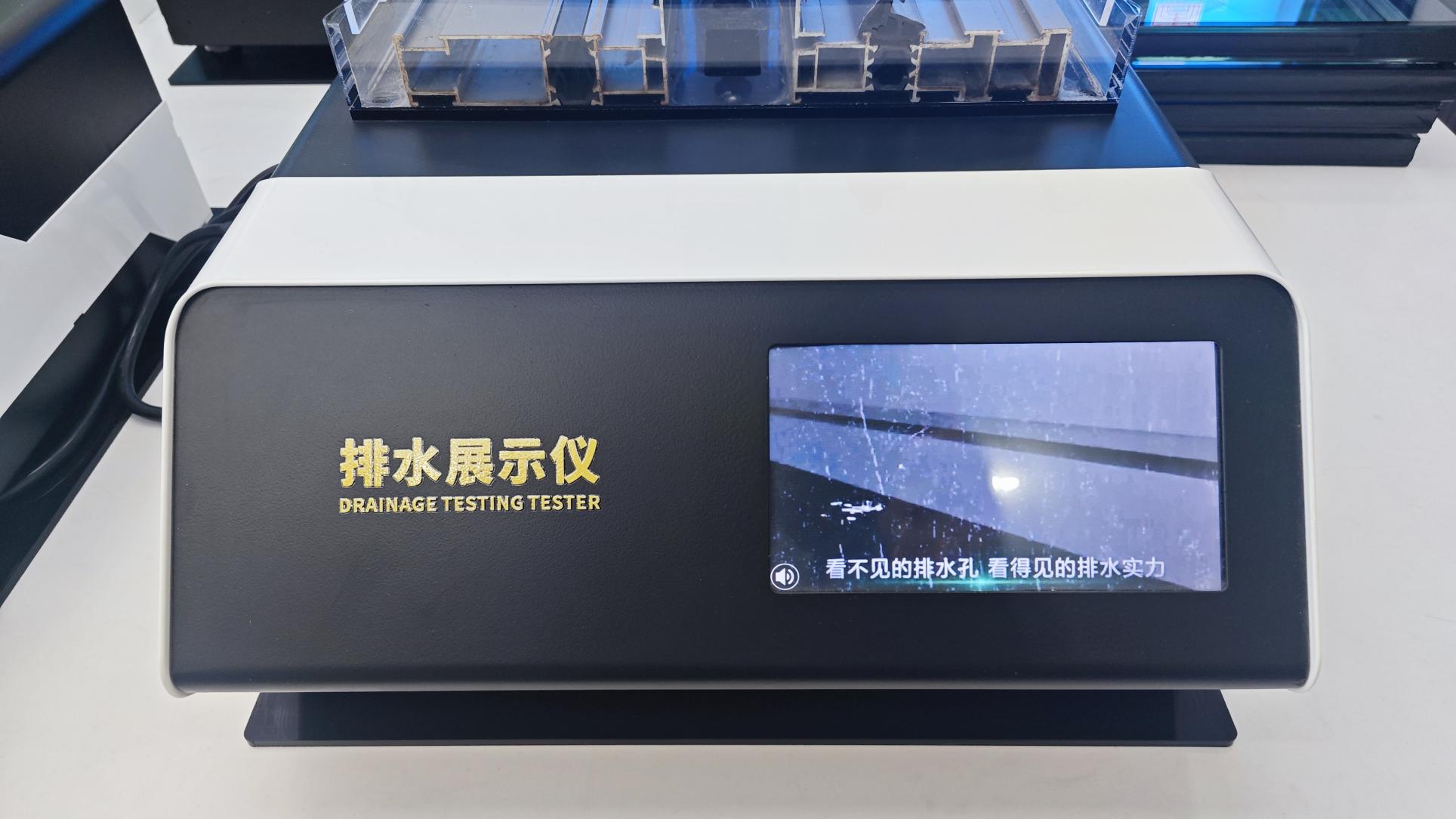
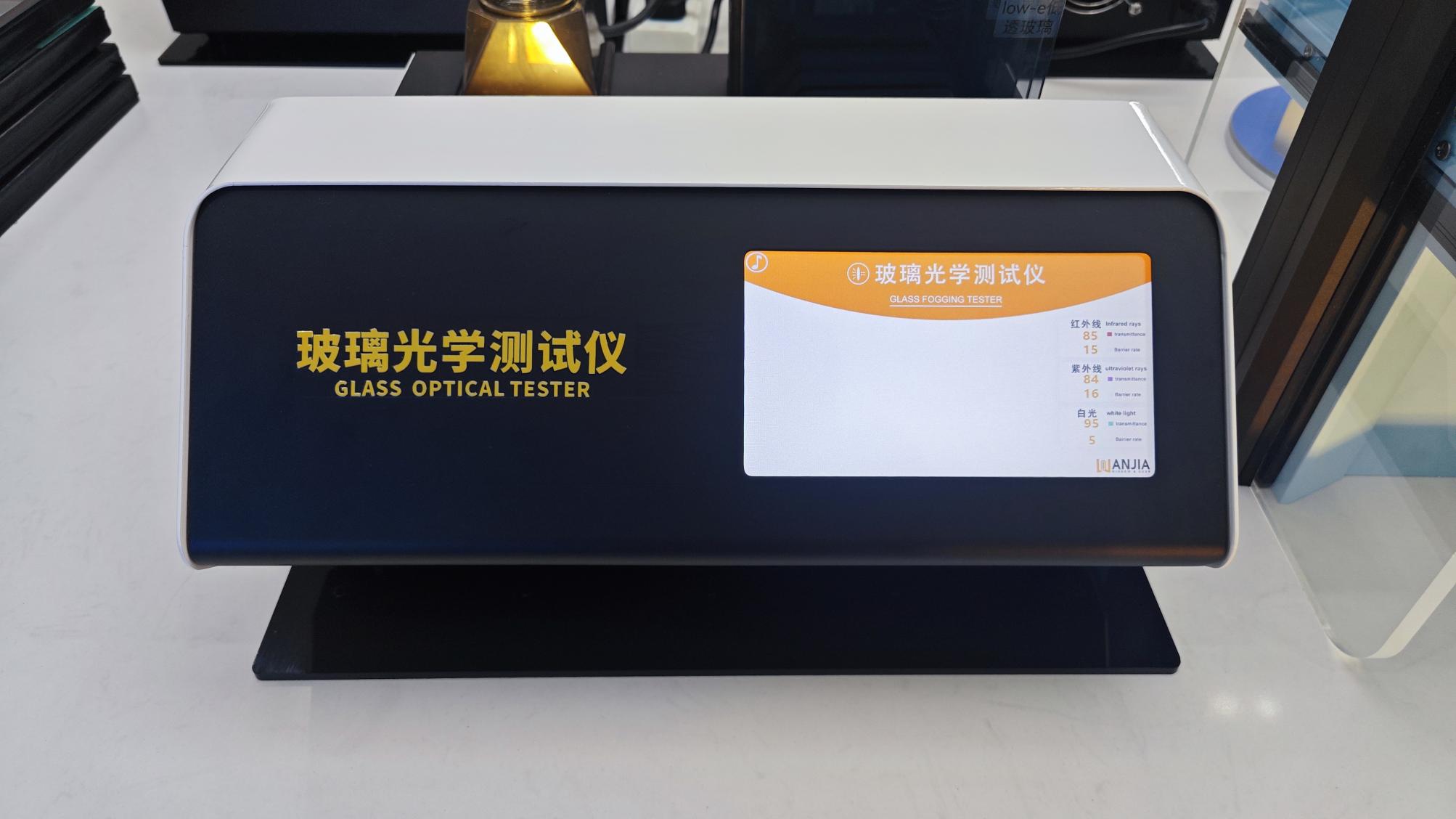
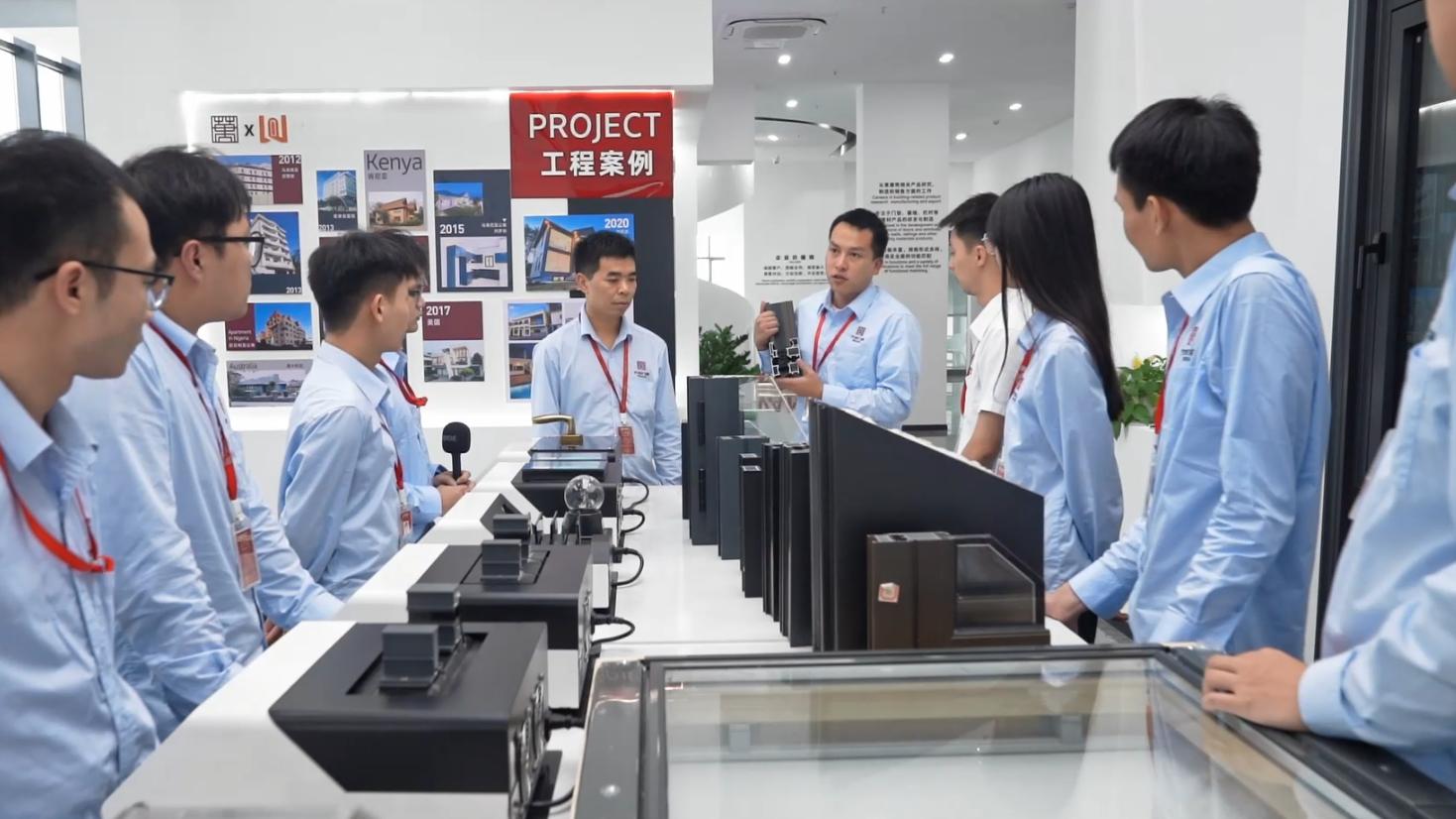
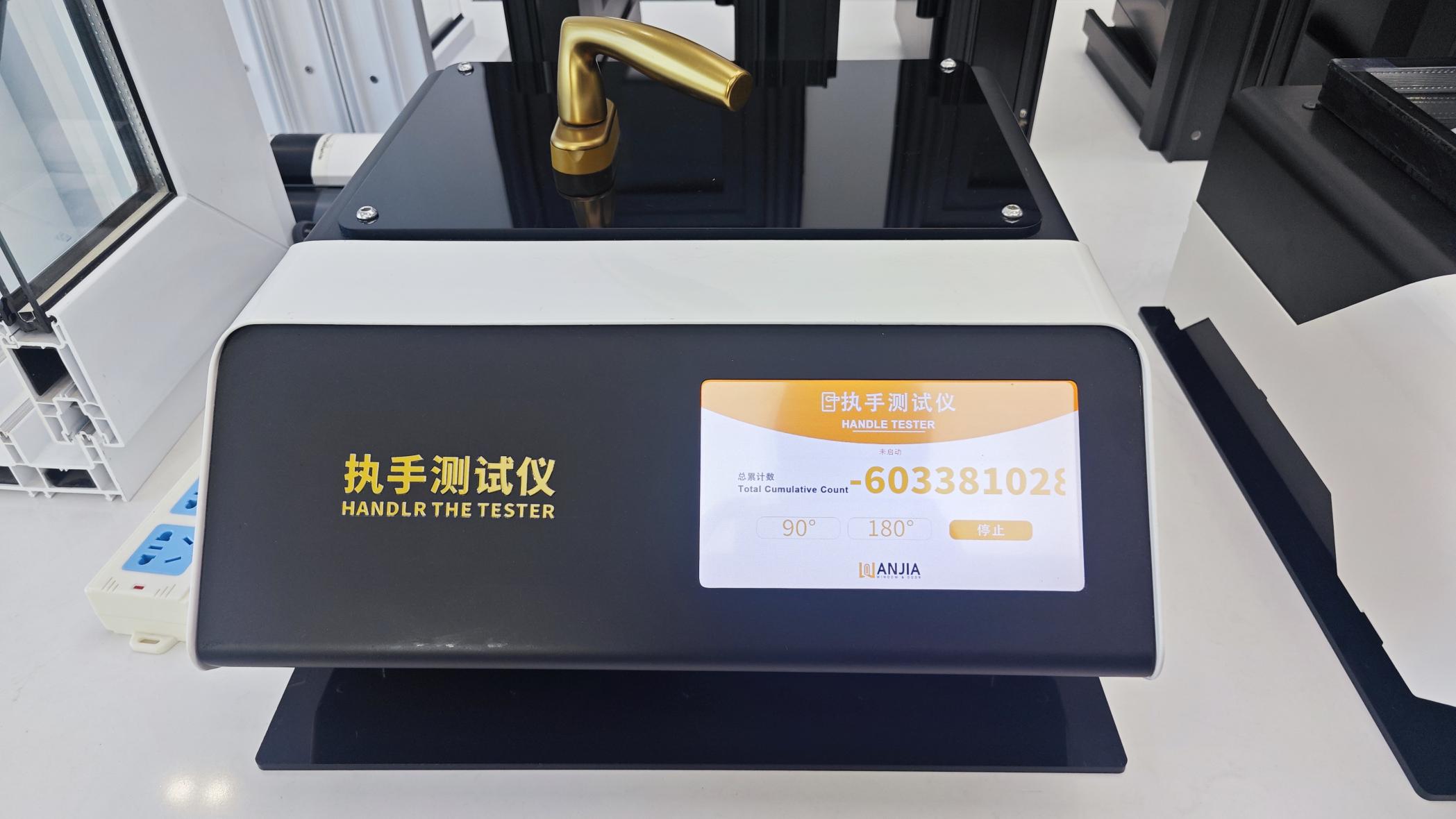
Inside ArmorSafe's 22,000 sq ft smart plant: Precision CNC processing lines and strict testing equipment.
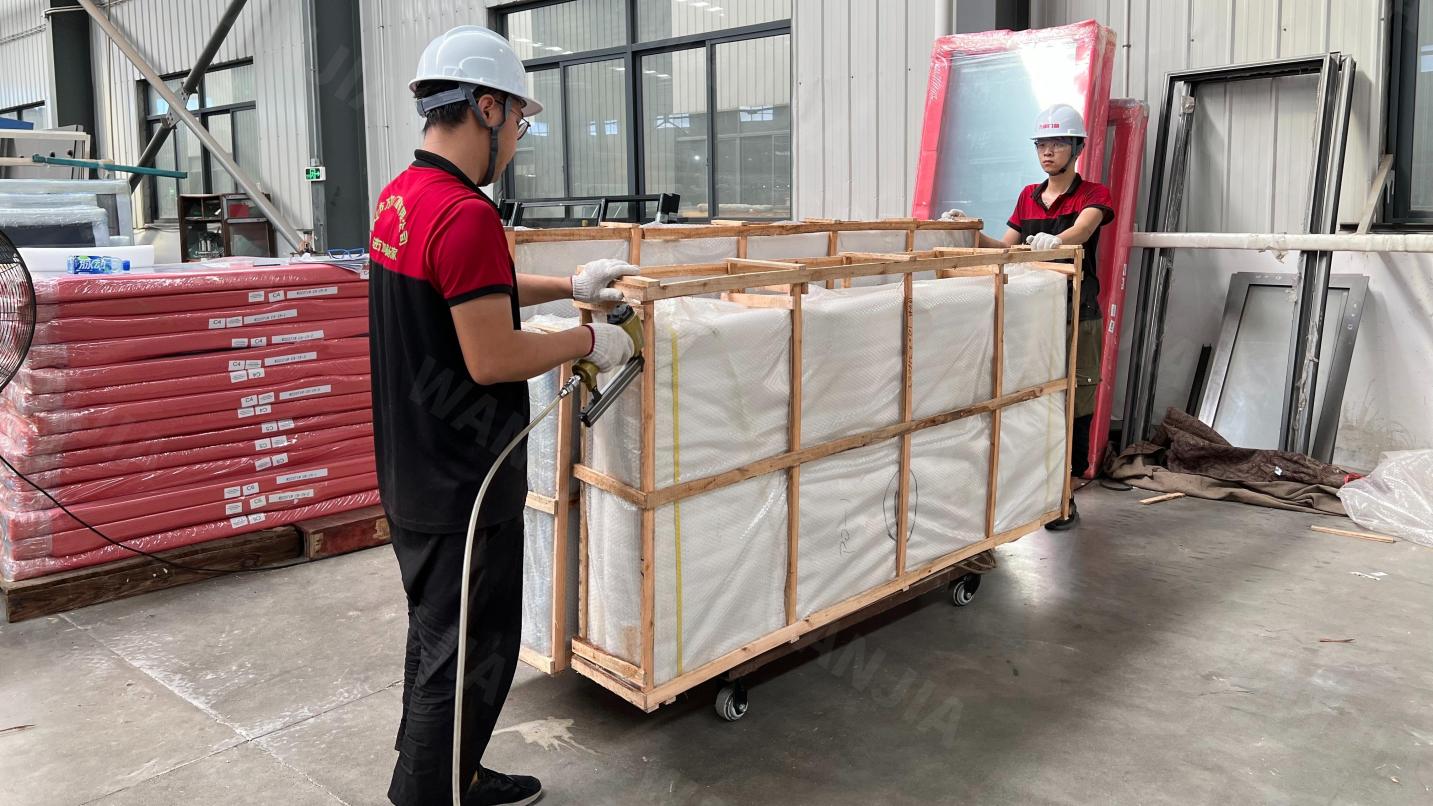
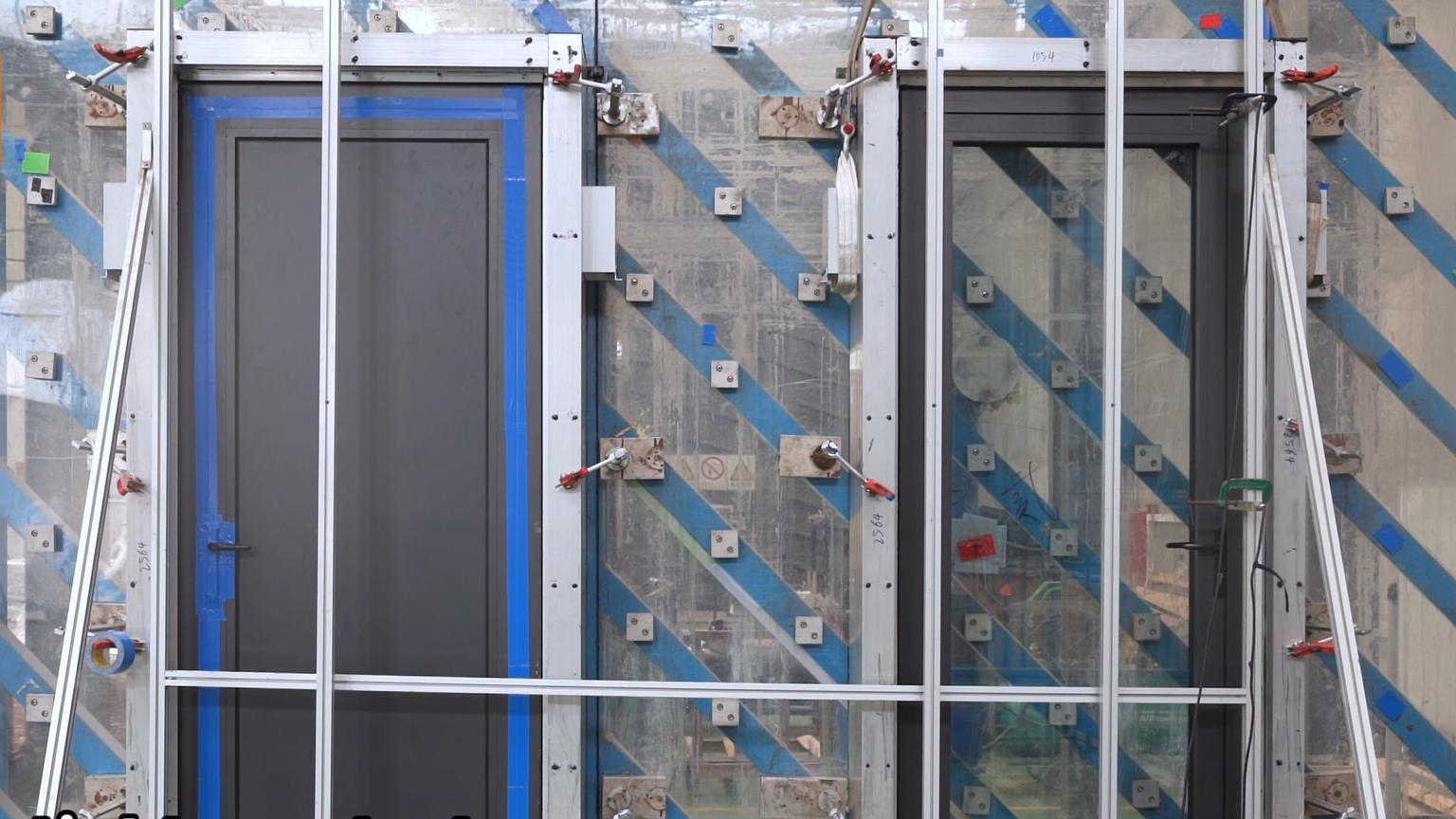
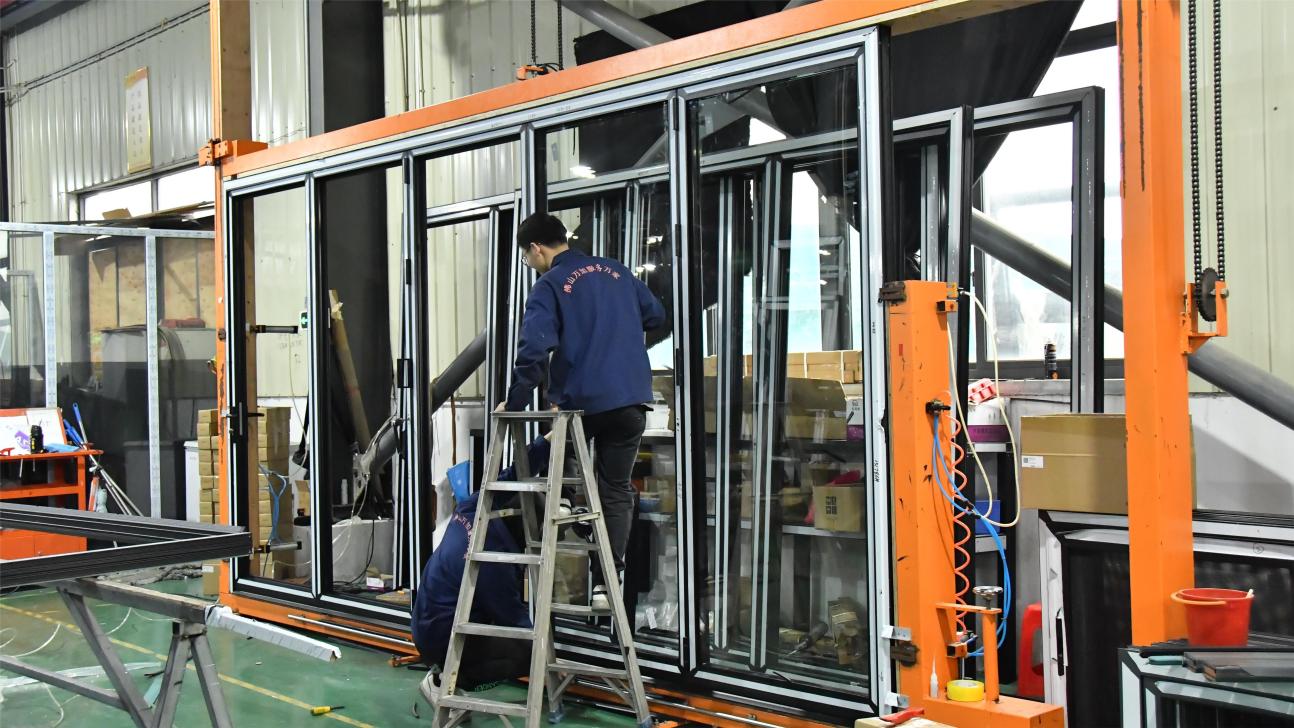
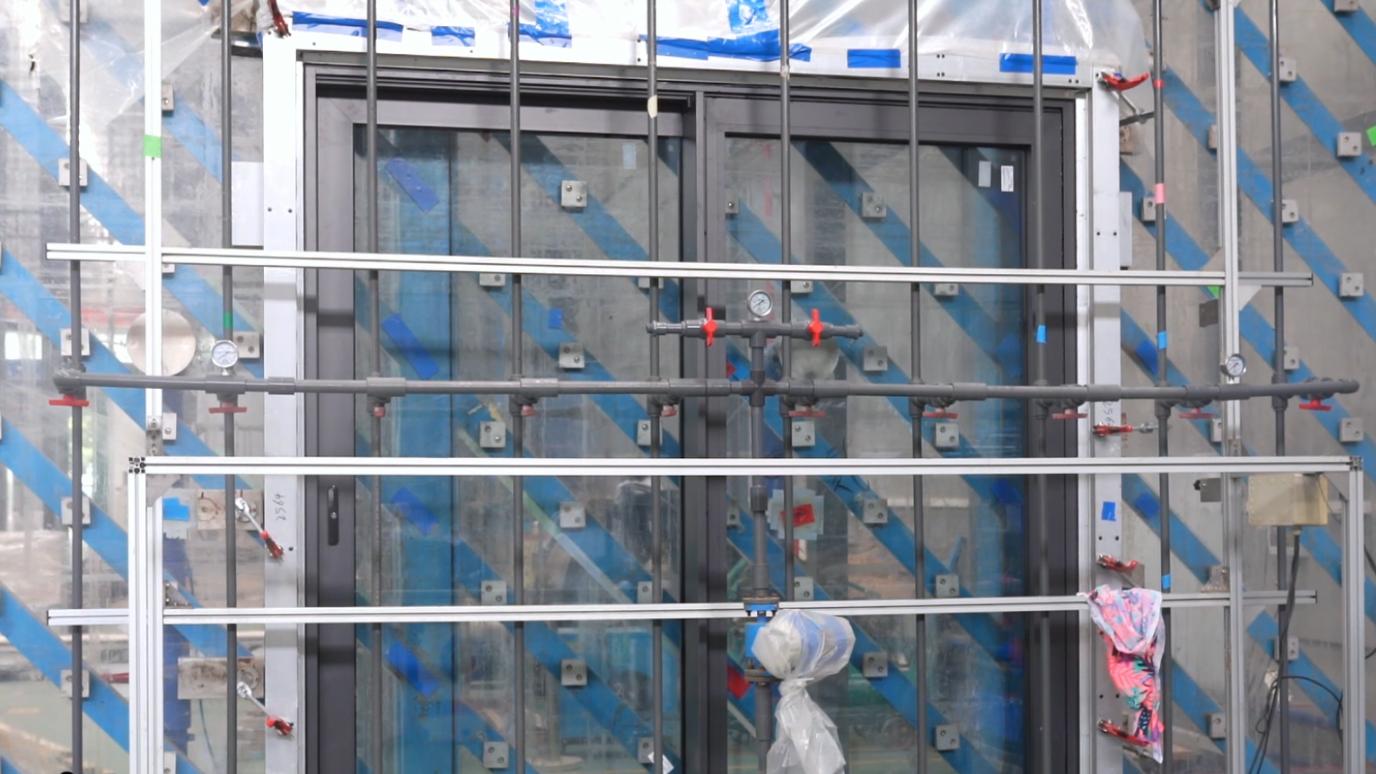
Quality assurance is woven directly into our manufacturing sequence. ArmorSafe maintains an uncompromising quality regime overseen by 30 full-time Quality Control (QC) inspectors. From incoming raw aluminum billet spectrometry to final protective wrapping, every fabrication step adheres to ISO 9001 quality management guidelines. Below is an authentic insight into our physical workshop operations and advanced testing equipment setup:
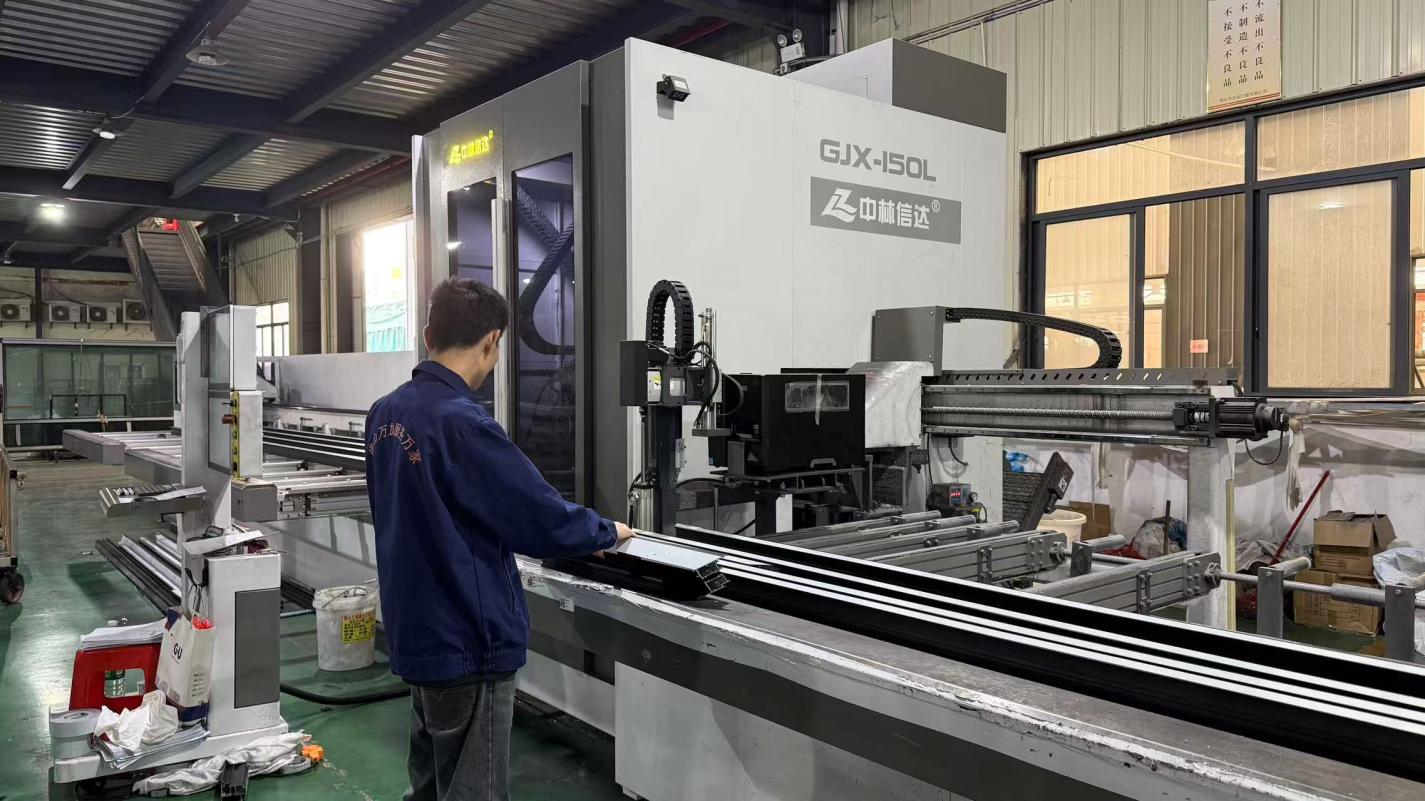
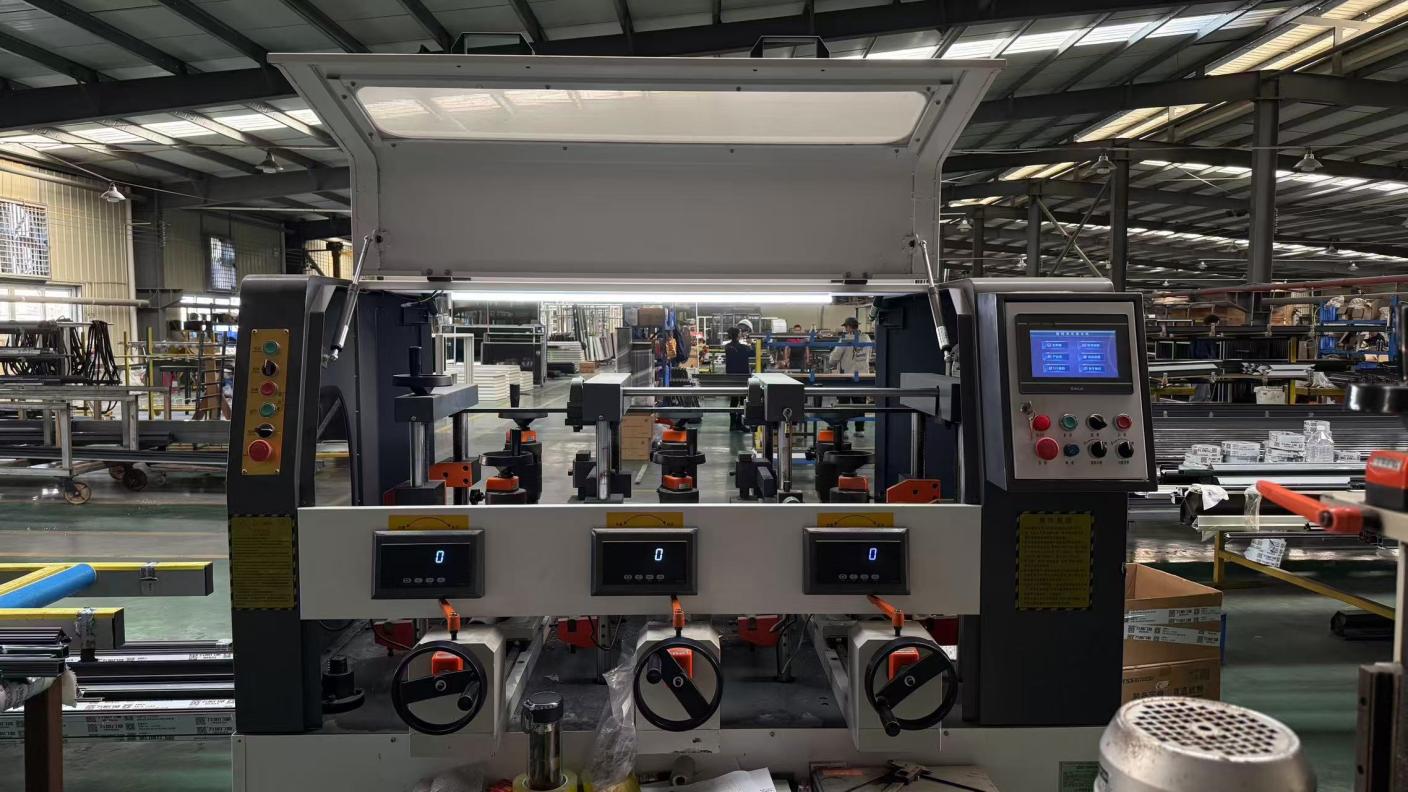
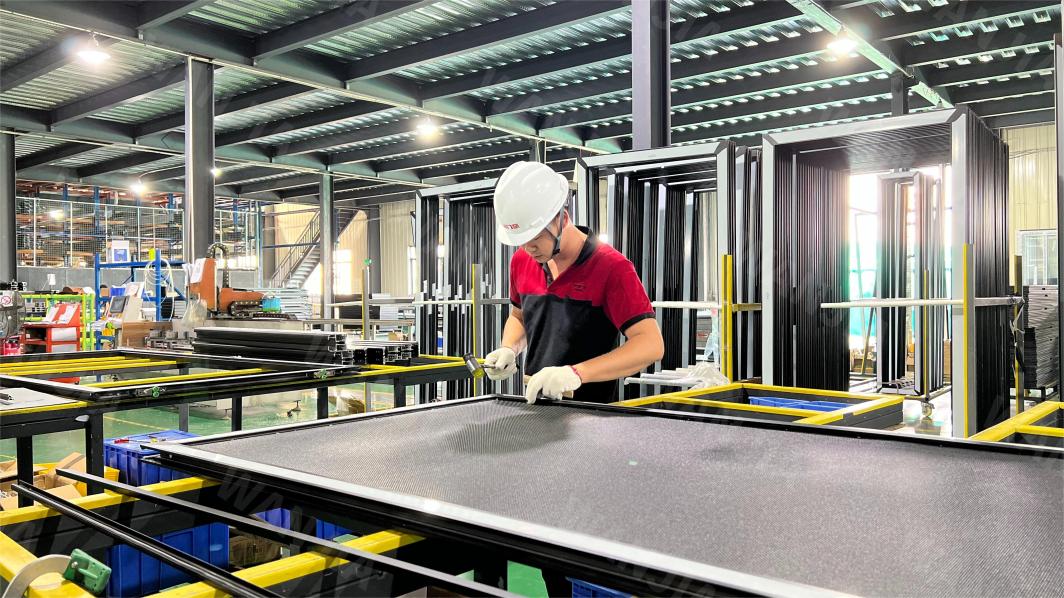
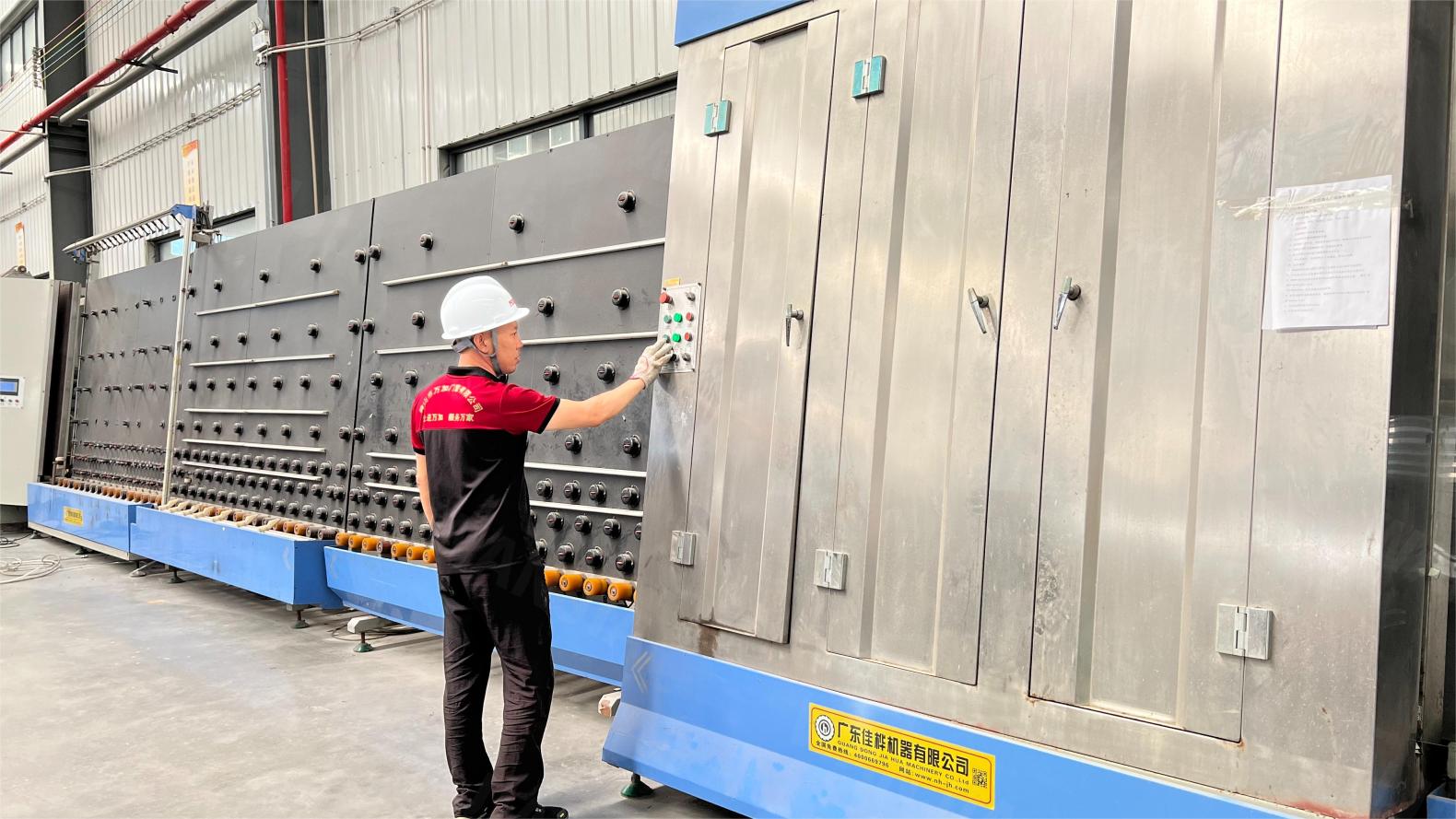
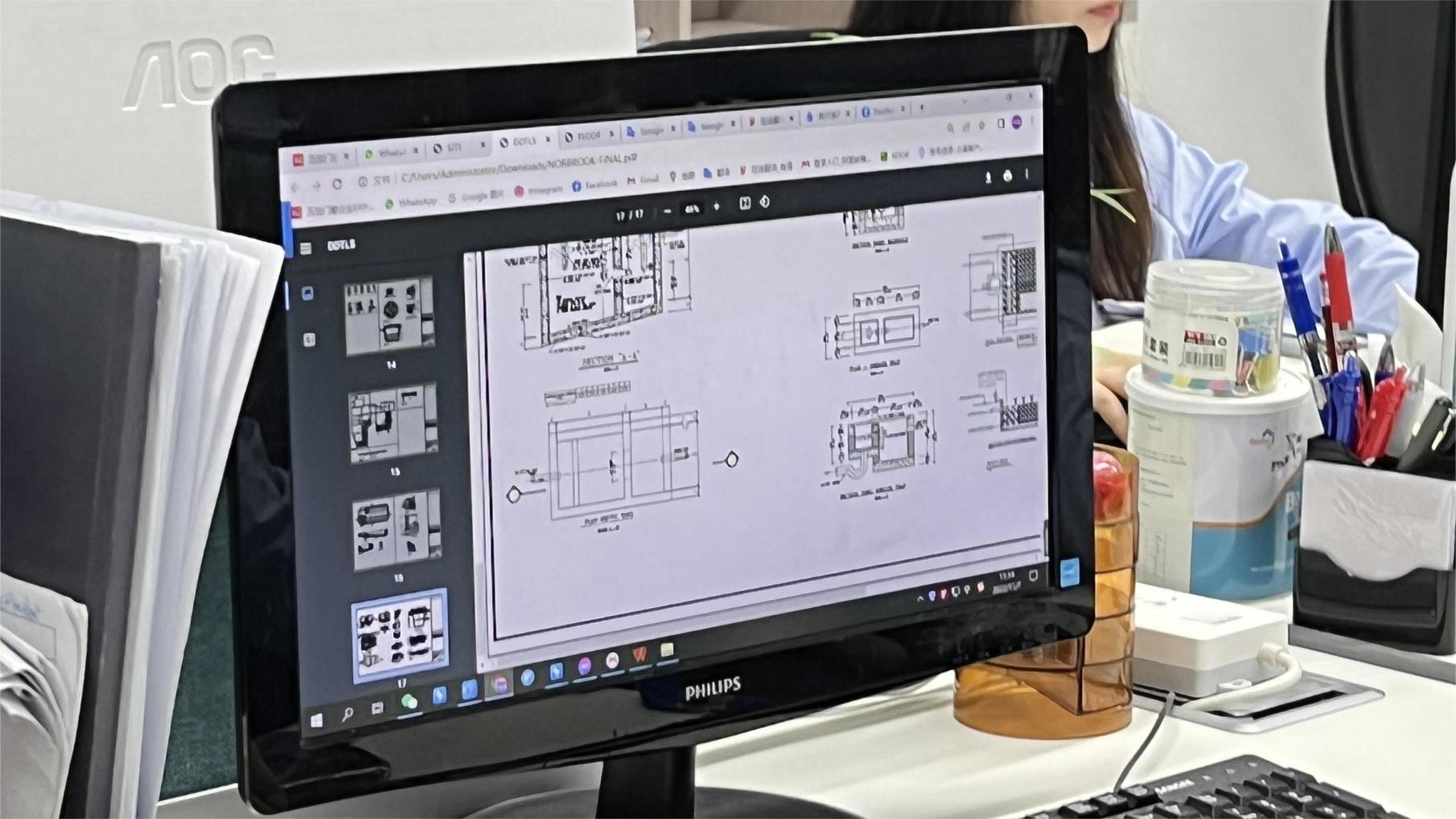
Our 48-engineer R&D department introduced 85 new product lines last year alone. We collaborate with structural engineering consultancies, providing customized shop drawings, thermal simulation modeling (THERM & WINDOW software analysis), and structural load calculations.
Tailored architectural window engineering for specialized regional environments.
Coastal environments demand resistance to high-velocity winds, wind-borne debris, and intense humidity. ArmorSafe's impact-rated window systems feature laminated PVB/SGP interlayers and heavy-gauge extruded aluminum alloys (6063-T6). Certified under Miami-Dade NOA and Florida Building Code (FBC) standards, these systems withstand cyclic pressure up to +90/-90 PSF while mitigating salt-spray corrosion through 316 marine-grade stainless steel hardware and 25-micron anodized coatings.
In Western European regions dominated by the EU Energy Performance of Buildings Directive (EPBD), thermal efficiency is paramount. ArmorSafe supplies narrow-frame casement and fixed window assemblies incorporating warm-edge composite spacers, triple-pane Low-E glass configurations, and airtight EPDM triple gasket seals. Our windows seamlessly integrate into both modern low-carbon developments and historical retrofits requiring strict CE compliance.
Australian and New Zealand residential codes require strict compliance with AS2047 (Windows in buildings) and AS3959 (Bushfire Attack Level). Our specialized folding, awning, and single-hung window systems are engineered with heavy-duty chain winders, bushfire-rated stainless steel mesh, and dual-glazed tempered glass units that prevent thermal shock failure during extreme bushfire exposure.
Leveraging 620+ industrial partners for unmatched quality control and scale advantages.
The international construction market demands both technical perfection and financial viability. ArmorSafe operates at the center of the world's most advanced fenestration manufacturing ecosystem in China. Supported by over 620 verified supply chain partners, our integration extends from primary aluminum ingot smelting to specialized glass tempering, hardware forging, and automated powder coating.
Unlike regional assemblers who source third-party extrusions and profile components at high markups, ArmorSafe directly manages profile extrusion die creation, polyamide thermal bar insertion, structural glass assembly, and final testing under one roof. This internal synergy lowers overall production overhead by 25% to 35% compared to Western European or North American domestic plants.
Through partnerships with premier hardware brands (such as Siegenia, Hoppe, Roto, and custom internal CNC operations), we furnish clients with multi-point locking mechanisms, motorized escape panic hardware, biometric electronic entry lock cutouts, and concealed heavy-duty hinges designed for over 100,000 continuous operation cycles.
Export transport often introduces risk of glass breakage and surface abrasion. Our shipping protocols feature custom wooden crates, steel frame stillages, corner protectors, and vacuum-sealed plastic shrink wrap. This ensures zero-damage arrival across long-haul ocean routes servicing major ports in Rotterdam, Los Angeles, Sydney, and Santos.
Next-generation fenestration engineering: Vacuum glazing, BIPV, and smart electrochromic tinting.
ArmorSafe's 48-engineer R&D center continuously explores next-generation architectural glass technologies to anticipate future global building code updates. Our technology development roadmap centers on three breakthrough vectors:
| Innovation Vector | Core Technology Mechanism | Target Thermal / Functional Impact | Commercialization Status |
|---|---|---|---|
| Vacuum Insulating Glass (VIG) | 0.3mm high-vacuum gap separating glass panes; eliminates gas convection | Center-of-glass U-factor dropping to 0.40 $\text{W/m}^2\text{K}$ (R-14 insulation value) | In pilot testing across European ultra-low energy retrofits |
| BIPV Smart Glazing | Transparent thin-film cadmium telluride (CdTe) solar cells embedded in IGUs | Generates clean localized electricity while cutting SHGC by 40% | Available for commercial window wall submittals |
| Aerogel-Filled Profiles | Silica aerogel insulation injected into thermal break profile internal cavities | Frame thermal conductivity reduced by over 50% without adding bulk | Scheduled for mass production line integration |
Explore our second selection of heavy-duty, certified windows and architectural door systems.
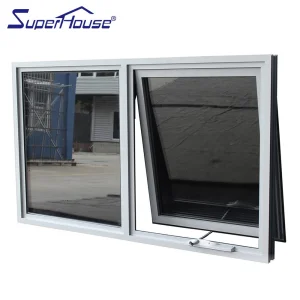
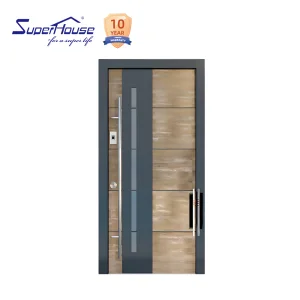
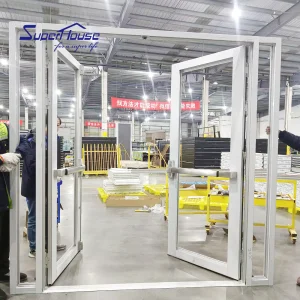
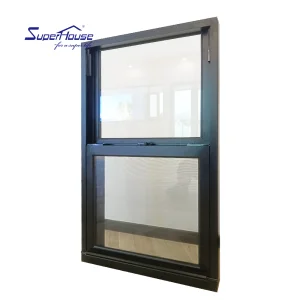
Technical answers to common engineering, certification, and procurement queries.
 ArmorSafe Doors